Shop on Lazada
Samsung products
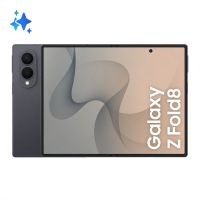
Samsung Galaxy Z Fold8
₱132,990.00₱151,990.00
Galaxy A07 5G
₱12,290.00₱13,990.00
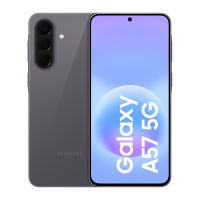
Samsung Galaxy A57
₱34,990.00₱50,190.00
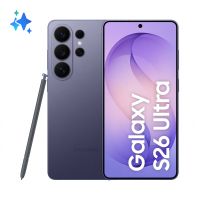
Samsung Galaxy S26 Ultra
₱113,490.00₱138,990.00
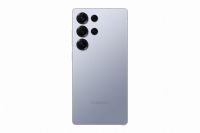
Samsung Galaxy S25 Ultra
₱59,990.00₱84,990.00
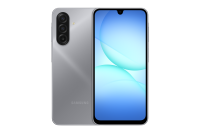
Samsung Galaxy A17 5G
₱18,190.00₱25,190.00
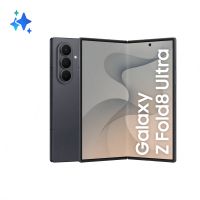
Samsung Galaxy Z Fold8 Ultra
₱146,590.00₱165,990.00
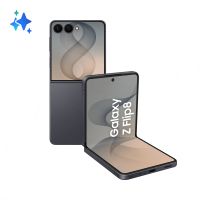
Samsung Galaxy Z Flip8
₱82,090.00₱91,990.00
About Samsung
Samsung is one of the world’s largest and most influential technology companies. Headquartered in Seoul, South Korea, Samsung is best known for its smartphones, televisions, semiconductors, home appliances, displays, and consumer electronics. It operates globally in more than 70 countries and is a leading innovator in areas such as artificial intelligence (AI), 5G, memory chips, robotics, and smart home technologies. Samsung’s mission is to create innovative products and services that improve people’s lives through advanced technology. [1]
Company Overview
-
Company Name: Samsung Electronics Co., Ltd.
-
Parent Organization: Samsung Group
-
Founded: January 13, 1969 (Samsung Electronics); Samsung Group was founded in 1938
-
Founder of Samsung Group: Lee Byung-chul
-
Headquarters: Seoul, South Korea
-
Industry: Consumer Electronics, Semiconductors, Telecommunications, Information Technology
-
Type: Public Company
-
Products: Smartphones, tablets, laptops, TVs, monitors, memory chips, SSDs, home appliances, smartwatches, displays, networking equipment, and more
-
Official Website: Samsung
History
Samsung began in 1938 as a small trading company founded by Lee Byung-chul in Daegu, South Korea. Initially, the company exported groceries, dried fish, noodles, and other local products. [2]
During the following decades, Samsung expanded into industries including textiles, insurance, construction, and retail. In 1969, Samsung Electronics was established, marking the company’s entry into the electronics industry. Its first products included black-and-white televisions. [3]
Throughout the 1970s and 1980s, Samsung invested heavily in semiconductor manufacturing, telecommunications, and research and development. By the 1990s and 2000s, Samsung had become one of the world’s leading technology companies through continuous innovation in memory chips, mobile phones, televisions, and digital appliances. [2]
Business Divisions
Samsung Electronics primarily operates through several major business segments:
Mobile Experience (MX)
Develops smartphones, tablets, wearables, and mobile software.
Popular product lines include:
-
Galaxy S Series
-
Galaxy Z Fold & Z Flip
-
Galaxy A Series
-
Galaxy Tab
-
Galaxy Watch
-
Galaxy Buds
Device Solutions (DS)
Focuses on semiconductor manufacturing, including:
-
DRAM memory
-
NAND Flash
-
SSDs
-
System LSI chips
-
Foundry services
Samsung is one of the world’s largest semiconductor manufacturers. [3]
Visual Display & Digital Appliances
Produces:
-
Smart TVs
-
OLED TVs
-
QLED TVs
-
Refrigerators
-
Washing machines
-
Air conditioners
-
Vacuum cleaners
-
Smart home devices
Display Business
Samsung manufactures advanced:
-
OLED displays
-
AMOLED smartphone screens
-
Laptop displays
-
Tablet displays
-
Foldable displays
Its display technology is widely used both in Samsung products and by other electronics manufacturers.
Major Product Categories
Samsung manufactures products across numerous categories:
-
Smartphones
-
Tablets
-
Smartwatches
-
Wireless Earbuds
-
Laptops
-
Desktop Monitors
-
Smart TVs
-
Soundbars
-
Refrigerators
-
Washing Machines
-
Air Conditioners
-
SSD Storage
-
RAM Memory
-
Computer Chips
-
Image Sensors
-
Digital Signage
-
Medical Equipment
-
Network Infrastructure
Flagship Technologies
Samsung has introduced many notable technologies, including:
-
AMOLED Displays
-
Dynamic AMOLED
-
QLED TV Technology
-
Neo QLED
-
Foldable Smartphone Displays
-
Exynos Mobile Processors
-
ISOCELL Camera Sensors
-
SmartThings Smart Home Platform
-
Samsung Knox Security
-
One UI Android Interface
-
Galaxy AI Features
Research and Development
Samsung invests billions of dollars annually in research and development. Its work spans:
-
Artificial Intelligence
-
Robotics
-
Semiconductor Design
-
Display Technologies
-
Battery Technology
-
Mobile Computing
-
Medical Devices
-
6G Research
-
Internet of Things (IoT)
-
Smart Homes
The company operates research centers in numerous countries and continues expanding into areas such as robotics and AI. [4]
Global Presence
Samsung conducts business in more than 70 countries and operates:
-
Manufacturing plants
-
Research centers
-
Design studios
-
Sales offices
-
Customer service centers
Its products are sold in nearly every major global market.
Corporate Philosophy
Samsung’s business philosophy is:
“Devote its talent and technology to creating superior products and services that contribute to a better global society.”
The company also emphasizes:
-
Innovation
-
Quality
-
Sustainability
-
Customer satisfaction
-
Ethical management
-
Environmental responsibility [5]
Sustainability
Samsung has initiatives focused on:
-
Energy-efficient products
-
Recycling programs
-
Reduced carbon emissions
-
Responsible sourcing
-
Water conservation
-
Eco-friendly packaging
-
Circular economy practices
Awards and Recognition
Samsung has consistently ranked among the world’s most valuable technology brands and is recognized for innovation in:
-
Smartphones
-
Semiconductor manufacturing
-
Television technology
-
Consumer electronics
-
Industrial design
Notable Brands
Samsung markets products under several well-known brands, including:
-
Galaxy
-
SmartThings
-
Knox
-
Bespoke
-
Odyssey
-
Neo QLED
-
QLED
-
ISOCELL
-
Exynos
-
Tizen
Interesting Facts
-
Samsung Group was founded in 1938, while Samsung Electronics was established in 1969.
-
The word “Samsung” means “Three Stars” in Korean, symbolizing greatness, strength, and longevity.
-
Samsung is among the world’s largest producers of memory chips, OLED displays, and smartphones.
-
The company has played a major role in South Korea’s industrial and technological development.
-
Samsung products range from household appliances to advanced semiconductor fabrication and enterprise technologies. [6]