Shop on Lazada
San-X products
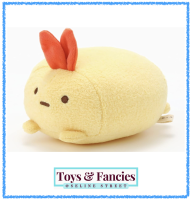
🇯🇵 Sumikko Gurashi Character Super Mochi Mochi Plush Stuffed Toy (Available Characters: Cat Penguin Polar Bear Tokage Tonkatsu & Ebi Fry)
₱598.00₱720.00
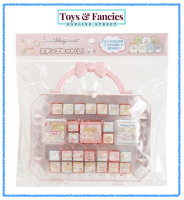
🇯🇵 Sumikko Gurashi Stamp Set Large — Pink Color
₱989.00
Buy on Lazada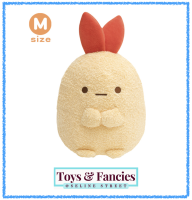
🇯🇵 Sumikko Gurashi Ebi Fry Shrimp Medium Sized Plush Stuffed Toy
₱998.00₱1,398.00
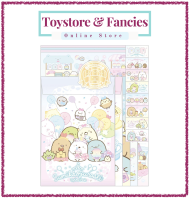
🇯🇵 Sumikko Gurashi Tapioca Park Themed Letter and Envelope Set with Adhesive Stickers
₱450.00
Buy on Lazada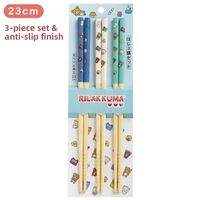
San-X | Rilakkuma Corner Biyori Shrimp Head Themed Utensils Set
₱944.09
Buy on Lazada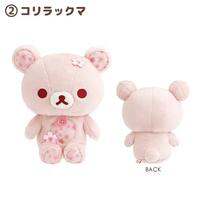
San-X|Cute Cherry Blossom Rilakkuma Plush Keychain
₱674.00
Buy on Lazada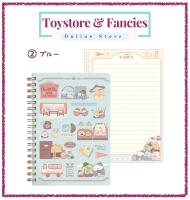
🇯🇵 Sumikko Gurash Stationery Hotel Sumikko B6 Notebook (Available: 2 Designs)
₱375.00
Buy on LazadaAbout San-X
San-X Co., Ltd. (サンエックス株式会社, San Ekkusu Kabushiki-gaisha) is a Japanese character and licensing company best known for creating kawaii character brands such as Rilakkuma, Sumikkogurashi, Tarepanda, Kogepan, Mamegoma, and Sentimental Circus. Rather than operating primarily as a toy manufacturer, San-X focuses on developing character intellectual property (IP) and extending these characters into stationery, plush toys, household goods, books, animation, games, collaborations, and other licensed merchandise.1
The company’s characters are distinctively soft, understated, quirky, relaxed, and sometimes slightly melancholy or insecure. This aesthetic sets San-X apart from other Japanese character companies that typically project a more straightforwardly cheerful image.1
Company overview
| Item | Information |
|---|---|
| Japanese name | サンエックス株式会社 |
| Romanized name | San-X Co., Ltd. |
| Industry | Character development, licensing, merchandise, stationery, entertainment |
| Country | Japan |
| Founded | 1932 |
| Character business | Developed particularly strongly from the late 20th century onward |
| Best-known characters | Rilakkuma, Sumikkogurashi, Tarepanda, Kogepan, Mamegoma |
| Main concept | Kawaii character creation and IP development |
| Major market | Japan, with international licensing and merchandise |
San-X identifies 1932 as its founding year, though its modern identity as a character development firm evolved over subsequent decades.2
History
Early years
San-X traces its origins to 1932, when it originally operated in the stationery and related goods sector rather than as a large-scale character IP company.2
During the 1970s and 1980s, the company increasingly experimented with original characters, producing numerous designs specifically for stationery products. This strategy was notable because San-X continually introduced new characters instead of relying on a single mascot.1 The company’s philosophy gradually shifted toward characters that were not necessarily heroic, energetic, or perfect, but instead represented ordinary feelings such as tiredness, shyness, loneliness, uncertainty, or the desire to relax.
The Tarepanda breakthrough
A significant turning point occurred in 1998 with the introduction of Tarepanda (たれぱんだ). Depicted as a deliberately lethargic panda often lying down or stretching across a surface, Tarepanda demonstrated that commercial success did not require conventional energy or traditional adorability. Its popularity helped transform San-X from a stationery-oriented business into a company centred on character development and licensing.1 Following this success, San-X introduced a series of characters with similarly distinctive personalities and visual concepts.
Expansion in the 2000s
Around the turn of the millennium, San-X launched several recognisable characters:2
- Kogepan — A gloomy, burnt-looking piece of bread.
- Nyan Nyan Nyanko — Cat characters associated with everyday objects and situations.
- Afro Ken — A dog with an afro hairstyle.
- Mikan Bouya — An orange-themed character.
- Mamegoma — Tiny seal characters.
Official records note the debut of Kogepan and Nyan Nyan Nyanko in 2000, followed by Afro Ken and Mikan Bouya in 2001.2
Rilakkuma
Rilakkuma, introduced in September 2003, is perhaps San-X’s most internationally recognisable character.1 The name combines the Japanese transliteration of “relax” (rirakkusu) with kuma, meaning “bear”. Rilakkuma is defined by a slow-paced nature and a fundamental reluctance to hurry.
According to the official profile, Rilakkuma suddenly appeared at the home of an office worker named Kaoru and has lived there since. San-X deliberately maintains mystery regarding who or what is inside Rilakkuma’s costume.2 Companions in the franchise include:
- Korilakkuma — A mischievous white bear cub.
- Kiiroitori — A hardworking yellow bird who often scolds Rilakkuma.
- Chairoikoguma — A bear from the Honey Forest.
- Various additional characters connected to the Rilakkuma universe.2
This ambiguity is characteristic of San-X’s approach, which often leaves room for fans to interpret the character’s world rather than explaining every detail. Rilakkuma has since expanded into plush toys, stationery, books, cafés, retail stores, collaborations, animation, games, and international merchandise. In 2008, San-X opened the first Rilakkuma Store in Osaka Umeda, underscoring the character’s importance to the business.2
Sumikkogurashi
Sumikkogurashi, introduced in 2012, is another major pillar of the San-X portfolio.2 The name すみっコぐらし translates roughly to “life in the corner” or “living in the corner”, reflecting a concept centred on characters who feel most comfortable in corners of rooms, cafés, classrooms, and other spaces.
Main characters include:
- Shirokuma — A shy polar bear from the north who enjoys drinking warm tea in a corner.
- Penguin? — A character uncertain about whether it is actually a penguin.
- Tonkatsu — The leftover end of a pork cutlet, consisting mostly of fat.
- Neko — A shy cat worried about its body shape.
- Tokage — A surviving dinosaur secretly pretending to be a lizard.
- Ebifurai no Shippo — The uneaten tail of a fried shrimp.
- Tapioca and numerous supporting characters.1
The franchise succeeded because its characters embody relatable feelings of social awkwardness, insecurity, the desire to hide, and finding comfort in familiar spaces. This emotional relatability is a defining characteristic of San-X’s modern design philosophy.
Character philosophy
San-X characters differ from traditional mascots in that they are not always energetic, confident, heroic, or perfect. Instead, they may be lazy, shy, anxious, lonely, insecure, socially awkward, misunderstood, tired, food-related, mysterious, oddly specific, or simply content doing nothing. This creative signature distinguishes the brand; while characters are frequently anthropomorphic animals or objects, their personalities reflect ordinary human emotions.1
For example, Tonkatsu represents the unwanted portion of a pork cutlet, while Penguin? questions its own identity.2 This approach contrasts with characters whose appeal relies on conventional heroic narratives.
Major San-X characters
Published accounts state that San-X has created more than 1,000 characters throughout its history, making its portfolio considerably broader than the few franchises known internationally.1
| Character / franchise | Debut | General concept |
|---|---|---|
| Tarepanda | 1998 | Extremely relaxed panda |
| Kogepan | 2000 | Burnt bread with a gloomy personality |
| Nyan Nyan Nyanko | 2000 | Cats associated with everyday objects |
| Afro Ken | 2001 | Dog with an afro hairstyle |
| Mamegoma | 2005 | Tiny, bean-sized seals |
| Sentimental Circus | 2010 | Mysterious circus-themed characters |
| Rilakkuma | 2003 | Relaxed bear |
| Sumikkogurashi | 2012 | Shy characters who prefer corners |
| Jinbesan | 2015 | Gentle whale-shark character |
Dates correspond to San-X’s official company history where available.2 The current official directory also includes franchises such as Ishiyowachan, Yonayonaporopo, Sugar Cocomoo, Jinbesan, Cheercheerlambs, CHIKIP DANCERS, and Pokantotan.2
Business model
San-X operates as a character IP company. Rather than simply manufacturing products, it creates characters and builds ecosystems around that intellectual property. A typical character may appear across stationery, plush toys, keychains, bags, clothing, household products, food and café collaborations, books, manga, animation, video games, mobile games, collectibles, amusement prizes, retail stores, pop-up shops, advertising campaigns, corporate collaborations, and international licensed products.
Official sites continue to document collaborations and merchandise involving Rilakkuma and Sumikkogurashi,1 positioning San-X closer to a licensing business than a traditional stationery manufacturer.
Comparison with Sanrio
San-X is frequently compared to Sanrio, as both are major Japanese creators of kawaii character brands. While both companies maintain diverse portfolios, their creative identities differ:
| San-X | Sanrio | |
|---|---|---|
| Famous character | Rilakkuma | Hello Kitty |
| Major strength | Character IP and licensing | Character IP and licensing |
| Typical character tone | Relaxed, quirky, vulnerable | Cute, friendly, optimistic |
| Character concepts | Often unusual or psychologically relatable | Often straightforwardly cute and personable |
| Examples | Rilakkuma, Sumikkogurashi, Tarepanda | Hello Kitty, My Melody, Cinnamoroll |
| Japanese kawaii culture | Major participant | One of its defining global pioneers |
Popularity and emotional resonance
San-X’s success is partly attributed to characters that validate imperfect emotions. Rilakkuma suggests it is acceptable to slow down; Sumikkogurashi affirms preferring to stay in the corner; and Tarepanda normalises extreme laziness. Sumikkogurashi further personifies things normally discarded or overlooked, such as Tonkatsu.2 This gives the San-X aesthetic an unusual emotional quality where characters are perceived as cute because of their imperfections rather than despite them.
Media and entertainment
San-X characters have expanded beyond physical merchandise into media and entertainment. Rilakkuma has appeared in stop-motion animation and television or streaming projects. San-X continues to develop new content, with official documentation noting a new anime project in 2026 produced with Production I.G.2 Sumikkogurashi has similarly expanded into animated films, games, exhibitions, cafés, and collaborations, contributing to a broader San-X character universe where individual franchises exist independently under the shared brand.
Global presence
Although originating in Japan, San-X characters have gained international recognition, particularly Rilakkuma and Sumikkogurashi. International popularity is supported by licensed merchandise, retailers, collaborations, animation, pop-up events, exhibitions, regional products, social media, and online stores. Official English-language sites feature activity in regions including Taiwan, Hong Kong, and Korea, including Rilakkuma-related events.2
San-X in the 2020s
San-X remains active in character development rather than relying solely on legacy mascots. The current portfolio continues to generate new merchandise, collaborations, events, exhibitions, digital content, and projects around franchises like Rilakkuma and Sumikkogurashi.1 As of 2026, official sites show ongoing activity including new Rilakkuma content, Sumikkogurashi collaborations, pop-up shops, exhibitions, amusement prizes, and new merchandise.1
Cultural significance
San-X is a significant part of Japan’s kawaii culture and the broader character-goods industry. Beyond the popularity of specific characters, the company demonstrated that commercial power could stem from representing quietness, vulnerability, idleness, awkwardness, and everyday life. San-X characters often function as emotional companions that communicate acceptance of imperfection rather than urging viewers to become stronger or more successful. This philosophy is central to the San-X aesthetic.1