Shop on Lazada
Schott Zwiesel products
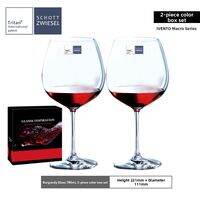
Schott Zwiesel | Crystal Wine Glass 2 Pieces
₱1,355.00
Buy on Lazada
Schott Zwiesel Universal All-Around Drinking Glass (6 pcs)
₱3,750.00₱5,820.00
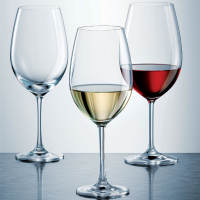
Schott Zwiesel Red Wine Glass (6 pcs)
₱2,950.00₱5,220.00
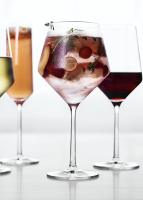
Schott Zwiesel Red Wine and Gin & Tonic and Glass (6 pcs)
₱4,400.00₱6,780.00
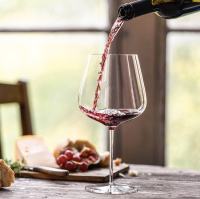
Schott Zwiesel Gin and Tonic and Red Wine Glass (6 pcs)
₱4,300.00₱6,500.00
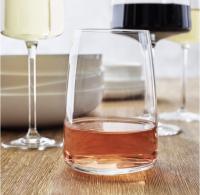
Schott Zwiesel Stemless Wine Glass (6 pcs)
₱3,750.00₱5,820.00

Schott Zwiesel White Wine and Water Glass (6 pcs)
₱2,800.00₱5,220.00
About Schott Zwiesel
Schott Zwiesel is a German premium glassware brand recognised primarily for its wine glasses, champagne flutes, tumblers, decanters, and barware. The brand combines contemporary design with durability, making it suitable for both everyday domestic use and professional hospitality environments. Its origins lie in the historic glassmaking tradition of Zwiesel, Bavaria, and it currently operates as part of the Zwiesel Fortessa Group, alongside Zwiesel Glas, Fortessa, and Eisch.1
A defining element of the brand’s identity is TRITAN® crystal glass, a proprietary lead-free crystal technology engineered to deliver brilliance while enhancing resistance to breakage, scratching, and repeated dishwasher cycles.1
Overview
| Category | Details |
|---|---|
| Brand | Schott Zwiesel |
| Origin | Germany |
| Home of glassmaking tradition | Zwiesel, Bavaria, Germany |
| Industry | Premium glassware / tableware |
| Parent group | Zwiesel Fortessa Group |
| Key material | TRITAN® crystal glass (applicable collections) |
| Main products | Wine glasses, champagne glasses, tumblers, spirits glasses, beer glasses, barware, decanters |
| Main customers | Consumers, restaurants, hotels, hospitality professionals |
| Positioning | Premium, functional, durable glassware |
| Manufacturing | Machine-made; mouth-blown within wider group |
| International reach | More than 160 countries (group level) |
| Core reputation | Durability, clarity, modern design, professional usability |
Origin of the name
The name Schott Zwiesel reflects two distinct historical associations that are often conflated.
Zwiesel refers to the Bavarian glassmaking centre where the company’s modern history is rooted. Glass production arrived in the region centuries ago, and the company traces its direct beginnings to 1872, when Anton Müller established a small sheet-glass works in Zwiesel.1
SCHOTT is the name of the renowned German specialty-glass company associated with chemist Otto Schott. SCHOTT acquired the Zwiesel glassworks in 1927, integrating the operation into its corporate history.
This historical connection eventually led to the development of the Schott Zwiesel brand name. It is helpful to distinguish between the following entities:
- SCHOTT: A major German specialty-glass technology company.
- Zwiesel: A historic German glassmaking centre and the origin of the glassware business.
- Schott Zwiesel: The consumer and professional glassware brand.
- Zwiesel Glas: The company’s premium glassware brand with a distinct market positioning.
Historical background
1872: Beginnings in Zwiesel
The company’s roots date to 1872, when Anton Müller founded a small sheet-glass works in Zwiesel in the Bavarian Forest. Zwiesel subsequently developed into one of Germany’s significant glassmaking locations, with a regional tradition spanning approximately 600 years.1
1927: Connection with SCHOTT
A pivotal milestone occurred in 1927 when SCHOTT acquired the Zwiesel glassworks. SCHOTT’s corporate history identifies this acquisition as a foundational element of its later group structure. This link provides Schott Zwiesel with a strong German industrial and glassmaking heritage.
20th century: Industrial glassmaking
Over subsequent decades, Zwiesel evolved from a traditional glassmaking operation into a sophisticated industrial manufacturer. Automation and modern production technology became increasingly prominent, yet the company retained its association with German craftsmanship. This combination of traditional glassmaking, industrial precision, and modern design remains central to the brand today.
2002: TRITAN® crystal glass
One of the most significant technological milestones was the introduction of TRITAN® crystal glass in 2002. Developed to combine the brilliance of crystal with enhanced durability, this technology became a key differentiator for Schott Zwiesel and the broader Zwiesel portfolio.1
2022: Zwiesel and Fortessa
In 2022, Zwiesel Kristallglas AG acquired the US-based company Fortessa Tableware Solutions, forming the Zwiesel Fortessa Group. This union combined Zwiesel’s glassmaking history with Fortessa’s expertise in tabletop products.1
2025 onwards: Expanded brand portfolio
The group’s portfolio has continued to grow. Eisch, another German glass brand, joined the Zwiesel Fortessa Group in October 2025.1
Brand positioning and philosophy
Schott Zwiesel is particularly associated with premium yet practical glassware. Unlike purely luxury manufacturers, the brand emphasises products designed for regular use, including in demanding restaurant and hospitality settings. Its current positioning describes high-quality crystal glassware for everyday and professional applications, focusing on modern design, functionality, and durability.1
This distinction explains why Schott Zwiesel glasses are widely used not only in private homes but also in restaurants, hotels, bars, and other professional venues.
TRITAN® crystal glass technology
The most important technological feature associated with Schott Zwiesel is TRITAN® crystal glass. Despite the name, this should not be confused with the plastic material sometimes called Tritan; here, TRITAN® refers to Zwiesel’s proprietary crystal-glass technology.
According to the manufacturer, TRITAN® crystal glass is designed to provide:
- High brilliance and transparency
- Increased resistance to breakage
- Resistance to scratching
- Dishwasher safety
- Lead-free composition
- Long-term clarity
- Suitability for frequent professional use
The company states that TRITAN® crystal glass has been used since 2002 and is free from lead, cadmium, and BPA.1 This technology underpins the brand’s reputation for producing glasses that are more resilient than extremely delicate traditional wine glasses.
Crystal glass without lead
Products made from TRITAN® crystal glass are genuine crystal glass. However, modern crystal does not necessarily imply the traditional lead crystal associated with heavy, highly refractive glassware. Zwiesel states that its TRITAN® crystal glass is manufactured without lead, and the company has not used lead or other heavy metals in its glass production since 1991.1 The philosophy is to achieve crystal-like brilliance without relying on traditional lead crystal.
Design philosophy
Schott Zwiesel favours a design language that is modern, clean, elegant, functional, and relatively understated. Unlike highly decorative European crystal brands that emphasise engraving or elaborate hand-cut patterns, Schott Zwiesel concentrates on the shape of the bowl, rim, stem, balance, weight, and durability.
The brand provides glasses for wine, water, cocktails, and other everyday occasions, prioritising uncomplicated design and versatility.1
Product categories
Wine glasses
Wine glasses are among Schott Zwiesel’s most recognisable products. The brand produces glasses designed for specific wine styles, including:
- Red wine
- White wine
- Rosé
- Champagne and sparkling wine
- Burgundy-style wines
- Bordeaux-style wines
- Universal wine glasses
Bowl shapes are intended to influence how wine is presented by affecting aroma concentration, oxygen exposure, and palate delivery. Consequently, collections typically contain several distinct shapes rather than a single generic form.
Barware
Schott Zwiesel maintains a substantial barware category. Typical products include glasses for:
- Whisky
- Old Fashioned cocktails
- Gin and tonic
- Martinis
- Cocktails
- Long drinks
- Beer
- Spirits
- Shots
Durability is particularly critical in this category. As bars and restaurants may wash glasses thousands of times, resistance to breakage and scratching offers a significant commercial advantage.
Major collections
Schott Zwiesel has produced numerous collections over the years. Examples visible in the current portfolio include:
- TULIP
- Bar Special
- Classico
- Forté
- MioVino
- Simple
The official brand catalogue lists more than 100 products, with individual collections varying significantly in bowl shape, stem design, proportions, intended beverage, and price point.1
Hospitality and professional use
Schott Zwiesel maintains a strong B2B and professional identity. Products are designed for environments where glassware is repeatedly handled and washed, rather than serving merely as decorative household objects.
The brand is marketed internationally for professional applications. For example, the Japanese division describes Schott Zwiesel products as being used in luxury hotels and restaurants, as well as in premium travel environments such as first-class aviation and cruise ships.2 This professional orientation is summarised as combining luxury appearance with commercial durability.
Schott Zwiesel vs. Zwiesel Glas
Although both brands belong to the same corporate family, they occupy distinct market positions.
| Feature | Schott Zwiesel | Zwiesel Glas |
|---|---|---|
| Positioning | Premium / accessible premium | Higher-end premium |
| Main emphasis | Everyday usability | Design, craftsmanship, sensory experience |
| Typical construction | Strong focus on machine-made glassware | Machine-made and handcrafted collections |
| Audience | Consumers + professional hospitality | Enthusiasts, premium consumers + upscale hospitality |
| Design | Modern, uncomplicated | Design- and craftsmanship-oriented |
| Technology | TRITAN® in applicable ranges | TRITAN® + handcrafted glassmaking |
| Overall character | Practical premium | Luxury/premium glass culture |
The manufacturer describes Schott Zwiesel as high-quality glassware for everyday and professional use, while Zwiesel Glas targets connoisseurs and upscale hospitality with premium handcrafted glassware.1
Manufacturing
A defining characteristic of Schott Zwiesel is the combination of industrial manufacturing precision and German glassmaking expertise. The broader Zwiesel operation uses both machine-made and mouth-blown crystal-glass production depending on the product and brand. The main production base is in Zwiesel, Bavaria, with additional manufacturing in Hungary.1
Sustainability
Sustainability is an integral component of the company’s manufacturing philosophy. Zwiesel states that approximately 60% of each glass can consist of recycled glass from its own production, with manufacturing waste remelted and returned to the cycle.1
The company also employs oxy-fuel technology, which has reportedly reduced CO₂ emissions by approximately 30% and nitrogen oxide emissions by around 80% compared to previous processes. Additional measures include heat recovery, resource-efficient production, FSC-certified packaging, biodegradable shipping materials, and ISO 14001 environmental management certification.1
Global presence and corporate structure
Schott Zwiesel operates within a global tabletop organisation distributing products in more than 160 countries. The group serves both consumer and professional markets, including hotels, restaurants, specialist retailers, and private customers.1
As of 2026, Schott Zwiesel is part of the Zwiesel Fortessa Group, which includes Zwiesel Glas, Schott Zwiesel, Fortessa, and Eisch. The group was formed by combining Zwiesel’s German glassmaking heritage with Fortessa’s American tabletop expertise. Headquarters remain in Zwiesel, Bavaria, Germany.1
The broader company reports more than 1,000 employees and €214.5 million in sales for the 2023/24 period.1
Market positioning
Within the glassware hierarchy, Schott Zwiesel occupies the premium segment. It does not compete primarily as inexpensive mass-market glassware nor as ultra-luxury hand-cut crystal. Its key selling proposition is that the glasses are intended to remain beautiful after repeated real-world use.
Consumers generally choose Schott Zwiesel for its durability, clarity, elegant design, professional credibility, German heritage, TRITAN® technology, versatility, and lead-free construction.1