Shop on Lazada
Shanling products
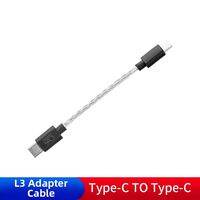
Shanling | Upgraded Decoding Amp Cable Type C
₱1,155.76
Buy on Lazada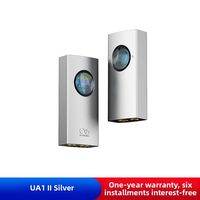
Shanling | HiFi High-Power Portable Audio DAC
₱4,958.07₱5,698.28
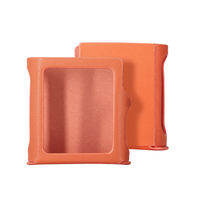
Shanling | M0 PRO M0S M0 Pura Slip-resistant Wearable Case
₱822.35
Buy on Lazada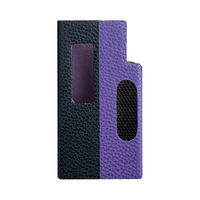
Shanling | Official Leather Case for UA7
₱1,171.15
Buy on Lazada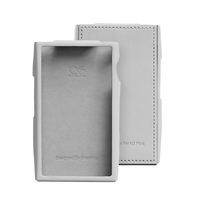
Shanling | Official Protective M3P Cover
₱1,965.30
Buy on Lazada
Shanling | Clip-on Cover for M0 Devices
₱364.36
Buy on Lazada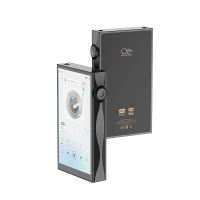
SHANLING M3 Plus MP3/MP4 Player Portable High Resolution Bluetooth Audio Player
₱20,745.00₱23,932.00
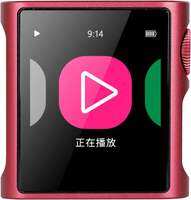
SHANLING M0 Pura Hi-Fi MP3 Player Dual CS43131 DAC 250mW 32Ω Balanced Output LDAC Bluetooth 5.0 M0 Pro USB DAC/AMP Supports 2TB 1.54″ Touch Screen Hi-Res Audio Player
₱7,271.00₱8,029.00
About Shanling
Overview
Shanling (Chinese: 山灵) is a Chinese high-fidelity audio brand and electronics manufacturer. The company is primarily recognized for its portable Hi-Fi digital audio players (DAPs), DAC/amps, earphones, headphone amplifiers, CD/SACD players, integrated amplifiers, streamers, and other home-audio equipment. Founded in 1988, Shanling is one of China’s longer-established specialist Hi-Fi brands. Its main offices are located in Shenzhen, with manufacturing operations based in Dongguan. 1
Unlike many modern competitors that began exclusively in the portable audio sector, Shanling possesses a significant traditional Hi-Fi heritage. The company’s history encompasses amplifiers, CD players, SACD devices, tube equipment, and home theater systems before it gained international visibility through miniature digital audio players and portable DAC/amps. In recent years, Shanling has expanded its focus back into full-size home Hi-Fi systems. 1
Basic Information
| Item | Details |
|---|---|
| Brand | Shanling / 山灵 |
| Industry | Consumer electronics / Hi-Fi audio |
| Founded | 1988 |
| Country | China |
| Headquarters | Shenzhen, Guangdong, China |
| Manufacturing | Dongguan, Guangdong, China |
| Main products | DAPs, DAC/amps, earphones, headphones, amplifiers, CD/SACD players, streamers, integrated systems |
| Original focus | Hi-Fi amplifiers and audio electronics |
| Current reputation | Strong presence in portable Hi-Fi and enthusiast-oriented digital audio |
| Official site | en.shanling.com |
Shanling describes itself as a high-tech enterprise integrating R&D, production, processing, and sales, rather than operating solely as a brand that outsources finished goods. 1
Origins and Early History
Shanling’s development began in 1988 with the creation of audio products and its first Hi-Fi stereo amplifier. Early offerings included equalizers featuring LED spectrum displays and integrated Hi-Fi amplifiers. 1
In 1990, the company established an audio-equipment factory associated with Jieyang Television University, expanding its product range. During the early 1990s, Shanling produced amplifiers, equalizers, reverberators, and karaoke equipment. This period underscores that Shanling was not initially a boutique portable-audio firm but was rooted in traditional Chinese consumer electronics and home audio.
Key Early Milestones
- 1988: Introduction of the first Hi-Fi amplifier and early equalizer products.
- 1990: Establishment of the audio-equipment factory in Jieyang.
- 1992: Release of the A-938 integrated amplifier and EQ9200A equalizer.
- 1994: Launch of the SCD-939 CD player utilizing a Philips CDM4 mechanism.
- 1995: Expansion into karaoke equipment and amplifiers.
- 1996: Relocation to Shenzhen and establishment of Shenzhen Shanling Electronics Co., Ltd.
- 1997: Acquisition of ISO9001 quality certification.
- 1998: Introduction of Class-A Hi-Fi amplifiers and tuners.
- 1999: Development of HDCD and multichannel AV products.
- 2000: Production of CD players, tuners, and digital decoding equipment. 1
By the end of the 1990s, Shanling had accumulated substantial experience in analog amplification, digital playback, CD technology, AV equipment, and precision manufacturing.
International Breakthrough: The CD-T100
A pivotal product in Shanling’s history was the CD-T100, introduced in 2001. This CD player incorporated vacuum-tube technology, establishing a core element of Shanling’s identity: combining modern digital playback with a visually distinctive, retro-industrial Hi-Fi aesthetic. Shanling records the CD-T100 as its first tube-based CD player and notes that this period marked its entry into the international market. 1 Contemporary accounts also identify the CD-T100 as a major success that helped build the brand’s reputation outside China. 2
Tube technology remains integral to Shanling’s current product philosophy. For instance, the later M8T portable player featured a pair of JAN6418 tubes, explicitly linking the device to the company’s earlier tube-equipped CD players and amplifiers. 3
Expansion into SACD and High-End Hi-Fi
In 2002, Shanling formed the joint venture Shenzhen Shanling Digital Technology Development Co., Ltd. and enhanced its precision metal-processing capabilities. The company introduced the SCD-T200 SACD player and the SP-80 tube amplifier during this phase. 1
This era positioned Shanling as a manufacturer capable of producing sophisticated high-end equipment, moving beyond inexpensive consumer electronics. The historical product lineup included:
- CD players
- SACD players
- Tube amplifiers
- Solid-state amplifiers
- Class-A amplifiers
- AV amplifiers
- Tuners
- DACs
- Headphone amplifiers
- Mini Hi-Fi systems
- Power-conditioning equipment
The company’s manufacturing capabilities and partnerships with other audio manufacturers became central to its business model. 1
Transition to Portable Audio
While Shanling possessed decades of experience with large home Hi-Fi components, the company increasingly shifted focus toward portable digital audio during the 2010s. This transition resulted in products such as:
- Portable digital audio players
- Portable headphone amplifiers
- USB DACs
- Bluetooth DAC/amps
- Digital audio accessories
- In-ear monitors
Shanling’s materials describe this evolution from a traditional Hi-Fi company producing home stereo equipment to one concentrating on portable players, earphones, and Bluetooth products. 1
The Shanling M0 and Miniature DAPs
The Shanling M0 significantly altered the brand’s visibility among modern portable-audio enthusiasts. As an extremely small digital audio player, the M0 demonstrated that compact size did not necessitate compromised audio functionality. It became notable for its tiny form factor, physical control interface, and emphasis on high-quality portable playback. 1
DAP Philosophy and Design
Modern Shanling DAPs occupy a space between consumer electronics and traditional audiophile equipment. The company typically combines:
- Android-based operating systems on higher-end models
- Dedicated audio circuitry
- High-end DAC chips
- Powerful headphone amplification
- Balanced headphone outputs
- High-resolution PCM/DSD playback
- Bluetooth transmission and reception
- Wi-Fi and streaming capabilities
- Local music storage
- USB DAC functionality
- Metal chassis construction
These features allow the products to function simultaneously as music players, headphone amplifiers, USB DACs, and portable digital sources. 1
Shanling has utilized DAC platforms from companies including AKM, ESS, and others. The brand maintains a close relationship with AKM; following the 2020 AKM factory fire, Shanling temporarily adjusted designs before returning to AKM with the relaunch of their DAC line. 1
Importance of AKM Technology
AKM DACs have historically been central to Shanling’s sound-development philosophy. After the 2020 AKM factory fire disrupted supply, Shanling adapted by using alternative solutions. When AKM released new-generation DACs in 2022, Shanling returned to them with products like the UA3, which used the AK4493SEQ chip. 1
This approach highlights that Shanling does not simply select the highest-specification DAC available but builds an overall analog/digital architecture around the chosen platform.
Tube Technology Integration
Tube technology is a recognizable aspect of Shanling’s design history, dating back at least to the CD-T100 in 2001. Recently, Shanling has incorporated tubes into portable equipment. The M8T, a high-end Android portable player, features two JAN6418 tubes. Shanling describes the M8T as its first portable player with built-in tube output, connecting it to the company’s long history with tube-based components. 3
This places Shanling in a unique position in the portable-audio market, blending digital technology, high-performance solid-state amplification, and traditional tube coloration.
Return to Home Hi-Fi
After becoming strongly associated with portable audio, Shanling announced around 2021 a renewed focus on desktop and home stereo systems. Products such as the EM5 and EA5 were designed for streaming and desktop/home applications. 1
The EM5 combines functions including:
- DAC
- Headphone amplifier
- Streamer
- Pre-amplifier
- Network playback
The EA5 adds an integrated speaker amplifier. Current official listings include categories for portable players, Hi-Fi headphones, portable headphone amplifiers, amplifiers, DACs, speakers, and CD players. 1
Persistence of Physical Media
Shanling has continued developing CD players, such as the EC3, even during the rise of streaming. The company cites approximately three decades of CD-player production as part of its core identity. The EC3 was intended to introduce Shanling’s CD-player heritage to newer international Hi-Fi audiences. 1
Consequently, Shanling spans a wide range: CD/SACD → streaming → DAC → amplifier → DAP → IEM/headphones.
Current Product Categories (as of 2026)
Shanling’s ecosystem includes:
Portable Digital Audio Players
Likely the most recognized category among modern enthusiasts, including:
- M0-series
- M3-series
- M5-series
- M6-series
- M7
- M8/M8T
- M30 and hybrid desktop/portable designs
High-end models incorporate powerful DAC architectures, Android OS, streaming capabilities, and sophisticated amplification. 1
Portable DAC/Amps
Products like the UA series enhance phone, tablet, or computer audio output. These range from USB dongles to advanced portable DAC/amps.
Earphones
Expansion into IEMs and headphones allows Shanling to address both ends of the portable playback chain.
CD/SACD Players
An ongoing legacy category significant to the brand’s identity.
Desktop and Home Hi-Fi
Includes DACs, streamers, integrated amplifiers, headphone amplifiers, CD/SACD players, power equipment, and speakers. 1
Design Philosophy
Shanling employs a distinct industrial-design language characterized by:
- Metal Construction: Machined or substantial metal chassis providing a dense, premium feel.
- Retro-Modern Aesthetics: A mix of modern digital electronics and traditional Hi-Fi visual cues, particularly evident in tube products.
- Compactness: Efficient packaging of hardware into small enclosures for portable items.
- Physical Controls: Retention of buttons, wheels, and tactile interfaces alongside touchscreens.
- Internal Architecture: Visible distinction between digital processing, DAC conversion, analog amplification, power supply, and output stages. 1
Sound Philosophy
Given the breadth of products over nearly four decades, describing Shanling’s sound in a single term is difficult. However, portable products are often associated with a musical, smooth, and slightly warm presentation, especially those using AKM DACs and tuned analog stages. The original M8 was described as having a rich, warm sound and strong bass presentation, a character the M8T aimed to reproduce using newer AKM technology and tube output. 1
The general approach prioritizes musicality and listening enjoyment alongside technical performance, rather than focusing solely on measurement metrics.
Technology and Licensing
Shanling holds various technologies, licenses, and certifications, including relationships with:
- Sony LDAC
- Bluetooth BQB
- Japanese Audio Association Hi-Res Audio
- Microsoft HDCD
- Dolby Digital
- DTS
- DVD
- SACD
- CD
Manufacturing and Engineering
Shanling integrates R&D, production, processing, and sales. With offices in Shenzhen and factories in Dongguan, the company emphasizes precision metal processing, relevant to the aluminum construction of many products. This vertical integration allows control over chassis construction, PCB assembly, mechanical tolerances, and final assembly. Shanling also cooperates with international high-end audio manufacturers and suppliers. 1
Comparison with Other Brands
Shanling operates within a large ecosystem of Chinese audio companies but distinguishes itself through its long-standing traditional Hi-Fi lineage. Unlike brands focused primarily on portable digital audio (e.g., FiiO, iBasso, HiBy) or specific niche technologies (e.g., Questyle, Topping), Shanling retains a broad portfolio spanning from traditional amplification to modern digital players. 1
Reasons for Audiophile Recognition
Shanling’s prominence among audiophiles stems from several factors:
- Long History: Experience accumulated since 1988 exceeds that of typical modern DAP startups. 1
- Industrial Design: Products often resemble miniature high-end Hi-Fi equipment.
- Portable Innovation: Devices like the M0 demonstrated technical ambition in small form factors.
- Tube Heritage: Use of tubes links old and new product lines.
- Broad Ecosystem: Users can build entire systems from Shanling components (digital music → DAP/streamer → DAC → amplifier → headphones/IEMs).
- Engineering Infrastructure: Substantial manufacturing capabilities support product development. 1
Shanling in 2026
Shanling positions itself as a complete Hi-Fi manufacturer rather than just a portable music-player company. Current news feeds highlight products such as the SM1.3R streaming all-in-one, SCD3.3 R2R/tube SACD player, EC Play portable CD player, CT90 CD transport, SM90 streamer/all-in-one, UA7 tube portable DAC/amp, and newer DAPs. 1
The brand has evolved from being associated with CD players + amplifiers + tube Hi-Fi in the early 2000s, to portable DAPs + DAC/amps + headphones in the 2010s, to a combined identity of traditional high-end Hi-Fi + modern digital/streaming + portable audio in the mid-2020s. 1
Distinctive Characteristics
- Established: Founded in 1988 with decades of manufacturing experience. 1
- Hi-Fi First: Origins in amplifiers, CD players, and home audio. 1
- Portable-Audio Specialist: Modern reputation built on DAPs and portable DAC/amps. 1
- Tube Heritage: Continuous use of tube technology since the CD-T100 era. 1
- Physical-Media Heritage: Ongoing support for CD and SACD formats. 1
- Digital Expansion: Integration of streaming, Android, Bluetooth, and network audio. 1
- Industrial Design: Use of metal construction and retro-modern aesthetics. 1
- Vertical Manufacturing: Integrated R&D, production, and sales operations. 1