Shop on Lazada
Simwood products
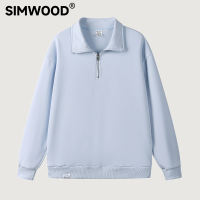
SIMWOOD Performance Minimalist Half-Zip Hoodie
₱359.00₱389.00
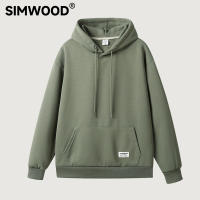
SIMWOOD MENS UNISEX HOODIE JACKET PLAIN FASHION SWEAT SHIRTS LONG SLEEVE MEN AND WOMEN WEAR SWEATER TOPS MAN APPAREL CLOTHES HUMAN PULLOVER Simwood2011
₱359.00₱389.00
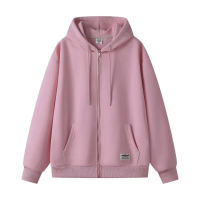
SIMWOOD Zipper Hoodie Oversize Sweatshirt Unisex Plain Casual Basic Fashion Pullover Menswear Long sleeve Loose
₱379.00₱409.00

SIMWOOD Men and women’s pants casual straight Baggy sweatpants wide leg pants
₱339.00₱389.00
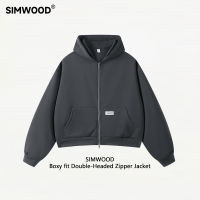
Simwood boxy fit double-headed zipper hoodie jacket unisex baggy fashion high quality
₱399.00₱409.00
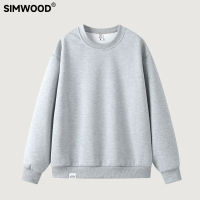
SIMWOOD Round Neck Sweatshirts Comfortable and stylish Unisex
₱309.00₱359.00
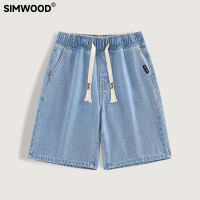
SIMWOOD soft denim shorts Men and Women Above the knee Cotton Menswear Casual
₱329.00₱339.00

SIMWOOD Ice Silk Touch Short Sleeved T-shirt Unisex Casual Business
₱309.00₱409.00
About Simwood
Simwood is a privately held British telecommunications company that specialises in carrier-grade voice infrastructure, Voice over Internet Protocol (VoIP), SIP trunking, telephone numbering, and cloud communication services. Established in 1996 and incorporated in 1997, the firm supplies wholesale voice services and communication platforms primarily to telecommunications providers, managed service providers (MSPs), internet service providers (ISPs), and enterprise partners in the United Kingdom and the United States.1 Simwood is distinguished by its API-first approach, white-label hosted voice solutions, and a business model centred on owning and operating its own telecommunications infrastructure rather than relying exclusively on third-party carriers.1
Overview
| Attribute | Information |
|---|---|
| Company | Simwood eSMS Limited |
| Founded | 1996 (incorporated 1997) |
| Headquarters | Bristol, England, United Kingdom |
| Industry | Telecommunications |
| Type | Privately held |
| Core Business | Wholesale VoIP, SIP Trunking, Hosted PBX, Numbering, APIs |
| Markets | United Kingdom, United States |
| Website | simwood.com |
History
Simon Woodhead founded Simwood in 1996, initially focusing on internet communications during the early expansion of Voice over IP technology. The company subsequently evolved from an internet telephony specialist into a fully licensed telecommunications carrier. Rather than operating solely as a reseller, Simwood invested significantly in building and managing its own telecommunications infrastructure, a strategy intended to provide greater control over network quality, pricing, security, and service innovation.
Throughout the 2000s and 2010s, Simwood expanded its capabilities to include carrier interconnection, telephone numbering, SIP termination, number portability, hosted voice services, and API-based telephony. The company later extended its operations to the United States, obtaining Competitive Local Exchange Carrier (CLEC) status across multiple states as a licensed domestic carrier.1
Business Model
Simwood operates primarily as a business-to-business (B2B) telecommunications provider rather than a retail brand selling directly to consumers. Its customer base comprises ISPs, telecom operators, VoIP providers, MSPs, unified communications vendors, software companies, and contact centre providers. Many businesses utilise Simwood’s services through white-label offerings, rebranding them as their own; consequently, end users are often unaware that Simwood serves as the underlying carrier.2
Products and Services
Carrier Voice
Simwood provides wholesale voice connectivity services that enable telecom providers to connect their communication platforms to public telephone networks. These services include voice termination, voice origination, PSTN connectivity, global routing, telephone numbering, and number portability.
SIP Trunking
SIP trunking is a core offering designed to replace traditional ISDN or analogue phone lines with internet-based voice connections. Features include secure SIP connectivity, high availability, geographic numbering, fraud protection, API provisioning, and real-time monitoring.2
Hosted PBX
The company offers a cloud-hosted PBX platform that partners can fully white-label. Capabilities encompass business phone systems, mobile applications, call recording, voicemail, auto attendants, call queues, team collaboration, and multi-tenant management. Resellers frequently customise this platform with their own branding rather than marketing it under the Simwood name.2
APIs
Adopting an API-first approach, Simwood provides developer APIs for phone number management, voice services, SMS, number lookup, porting, call control, and provisioning. This allows software developers to integrate telecommunications functionality directly into their applications.3
Numbering Services
Simwood manages geographic and non-geographic numbers, number hosting, number portability, and regulatory compliance. These services allow telecom operators to offer local phone numbers without maintaining independent numbering infrastructure.
Microsoft Teams Integration
Simwood integrates its hosted voice platform with Microsoft Teams, enabling businesses to utilise Teams as a telephony endpoint while retaining existing phone numbers and PBX functionality.1
Conversational AI
Simwood has introduced AI-powered voice capabilities, including conversational agents and real-time fraud detection integrated into its carrier network. These services represent an expansion into AI-assisted communications alongside traditional telephony offerings.2
Technology
Simwood emphasises ownership of its network infrastructure over reliance on third-party wholesale providers. Key technological features include a carrier-owned network, API-first architecture, cloud-native voice platform, multi-region infrastructure, real-time fraud prevention, secure SIP transport, STIR/SHAKEN support in the United States, automated provisioning, and high availability. This infrastructure is designed to deliver scalability, reliability, and security for service providers.3
White-Label Platform
A defining characteristic of Simwood’s business is its white-label strategy. Partners can apply their own branding, set pricing, manage customers, control billing, and offer mobile apps under their own name. Simwood supplies the underlying carrier infrastructure while partners maintain the direct customer relationship.2
Security
Telecommunications security is a significant focus for Simwood. The platform includes fraud detection, secure authentication, encrypted voice services, mutual TLS device provisioning, real-time monitoring, and automated abuse prevention. Additionally, the company supports regulatory frameworks such as STIR/SHAKEN to help mitigate caller ID spoofing in the United States.3
Markets
Simwood primarily serves the United Kingdom and the United States. Its infrastructure supports international voice traffic, and its services are utilised by telecommunications providers in multiple countries.3
Company Philosophy
Simwood describes itself as an API-first, infrastructure-based carrier. Rather than focusing on consumer marketing, it positions itself as the “network behind the network,” enabling other telecommunications providers through owned infrastructure, automation, and software-driven operations.3
Milestones
- 1996 – Founded by Simon Woodhead.
- 1997 – Company formally incorporated.
- Expanded from VoIP services into wholesale carrier operations.
- Built its own carrier-grade telecommunications network.
- Expanded operations into the United States as a licensed carrier.
- Introduced white-label hosted PBX and SIP trunking services.
- Added Microsoft Teams integration.
- Expanded into AI-powered voice services and fraud prevention.1
Position in the Telecommunications Industry
Simwood operates primarily as a wholesale telecommunications carrier rather than a consumer telecom brand. It competes in sectors including wholesale VoIP, SIP trunking, hosted PBX, telecom APIs, numbering services, and cloud communications infrastructure. Its customers are typically telecom operators, cloud communication providers, and technology companies that build services atop Simwood’s network rather than purchasing retail phone services.3