Shop on Lazada
solgar products
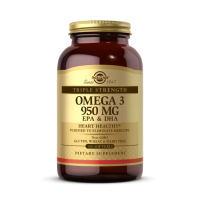
Solgar Omega 3 EPA & DHA Triple Strength 950mg - Supports Joint & Skin Health - Non-GMO Gluten Free Dairy Free
₱3,980.00
Buy on Lazada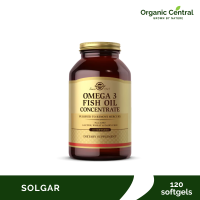
Solgar Omega 3 Fish Oil Concentrate 120 Softgels
₱1,725.00
Buy on Lazada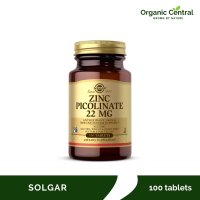
Solgar Zinc Picolinate 22 mg 100 Tablets - Promotes Healthy Skin immune System
₱1,050.00
Buy on Lazada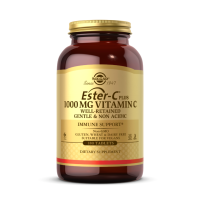
Solgar Ester-C Plus 1000 mg Vitamin C Tablets
₱3,610.00
Buy on Lazada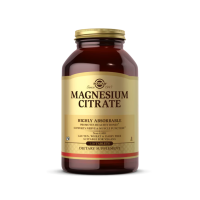
Solgar Magnesium Citrate
₱1,880.00
Buy on Lazada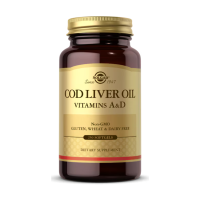
Solgar Cod Liver Oil Vitamins A & D
₱1,805.00
Buy on Lazada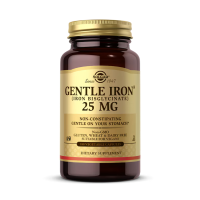
Solgar Gentle Iron 25mg - Energy Normal Red Blood Cell Production - Gentle on the Stomach - Non-GMO Vegan Gluten Free Dairy Free Kosher
₱2,099.00
Buy on Lazada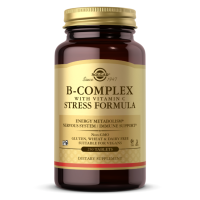
Solgar B-Complex with Vitamin C Stress Formula
₱2,815.00
Buy on LazadaAbout solgar
solgar is an American brand of vitamins, minerals, herbal supplements, and other nutritional products. Established in New York City in 1947, the company built its reputation on premium formulations, scientific research, ingredient quality, and small-batch manufacturing.1 solgar is currently part of Nestlé Health Science, following Nestlé’s 2021 acquisition of the core brands of The Bountiful Company.
Overview
| Category | Details |
|---|---|
| Brand | solgar® |
| Founded | 1947 |
| Origin | New York City, United States |
| Industry | Dietary supplements / health & wellness |
| Main products | Vitamins, minerals, herbal supplements, specialty supplements, multivitamins |
| Current owner | Nestlé |
| Parent organization | Nestlé Health Science / Nestlé’s Nutrition business |
| Positioning | Premium, science-backed nutritional supplements |
| Brand slogan/positioning | “The Gold Standard” |
| Key packaging | Amber glass bottles with gold-colored caps |
| International presence | Sold internationally, with solgar country websites across multiple markets |
History
solgar was established in 1947 in the Lower East Side of Manhattan. According to the company’s historical records, it was founded by Nat Colby, Mike Goldfarb, and Dr. Carl Zoll, who sought to improve nutritional supplementation through vitamins, minerals, and naturally sourced ingredients.1
The founders believed that supplements available at the time could be improved regarding nutrient quality, formulation, and absorption. This philosophy became the foundation of solgar’s identity: rather than treating supplements as simple commodity products, the company aimed to develop formulations based on nutritional science and carefully selected raw materials.1
One of the brand’s early products was Naturvite, introduced in 1947 as a high-potency multivitamin containing minerals.2 Over the following decades, solgar expanded from a specialized American supplement company into an international nutritional supplement brand.
Major historical milestones
- 1947 — Foundation: solgar begins operations in New York City.
- Mid-20th century — Product expansion: The company expands its vitamin and mineral formulations and develops a reputation for higher-potency nutritional supplements.
- Later decades — International expansion: solgar develops a broad portfolio covering vitamins, minerals, amino acids, herbs, specialty nutrients, and multivitamins, and expands into international markets.
- 2021 — Acquisition by Nestlé: Nestlé announced an agreement to acquire the core brands of The Bountiful Company, including solgar, for US$5.75 billion. The transaction was completed in August 2021, bringing solgar into Nestlé Health Science.
- 2025–2026 — Premium positioning under Nestlé: Nestlé has continued to identify solgar as one of its global premium vitamin, mineral, and supplement brands, alongside brands such as Garden of Life and Pure Encapsulations.
Ownership
solgar is no longer an independent family-owned or standalone supplement company. In 2021, Nestlé Health Science acquired solgar as part of its acquisition of the core brands of The Bountiful Company. The transaction also included brands such as Nature’s Bounty, Osteo Bi-Flex, Puritan’s Pride, Ester-C, and Sundown.
This acquisition made solgar part of one of the world’s largest food, nutrition, and health companies. As of 2026, Nestlé has been reorganizing its nutrition businesses, integrating Nutrition and Nestlé Health Science into a larger Nutrition business. solgar nevertheless remains identified by Nestlé as a premium VMS (Vitamins, Minerals and Supplements) brand.
Product portfolio
solgar maintains a broad supplement portfolio rather than specializing in only one type of vitamin. Its products generally fall into several major categories:
Vitamins
Examples include Vitamin C, Vitamin D, Vitamin B-complex, Vitamin B12, Vitamin E, Vitamin K, and multivitamins.
Minerals
Examples include Magnesium, Zinc, Calcium, Iron, Selenium, Potassium, Copper, and Manganese.
Herbal supplements
solgar produces supplements based on botanical ingredients and traditional herbs. Examples include products involving Turmeric, Milk thistle, Ginkgo, Garlic, Ginger, Ashwagandha, and Echinacea.
Amino acids
The company offers individual amino acid supplements such as L-Glutamine, L-Arginine, L-Lysine, and NAC, along with related specialty nutrients.
Multivitamins
solgar has developed multivitamin products for different demographic and nutritional needs, including formulations aimed at adults, women, men, and older consumers.
Specialty nutrition
The portfolio includes products designed around specific health areas such as bone and joint health, digestive health, immune support, heart health, energy, healthy aging, beauty, fitness and nutrition, women’s health, men’s health, eye health, and sleep and stress management. These categories correspond closely to the areas solgar currently highlights on its official website.1
Brand philosophy
solgar’s central positioning emphasizes quality over mass-market volume. The company describes itself as “The Gold Standard” in vitamins and states its mission is to create nutritional supplements in small batches using research and selected raw materials.1
Its stated quality philosophy includes:
- Science-backed formulas
- Responsibly sourced ingredients
- Avoidance of unnecessary artificial ingredients and fillers
- Small-batch, in-house manufacturing
- Strict manufacturing standards
- Recyclable amber-glass packaging
- Continued product innovation
- Developing products based on nutritional needs rather than simply following trends
- Community involvement
- Accountability to consumers and partners1
This philosophy serves as a key point of differentiation from inexpensive, mass-market vitamin brands.
Packaging
One of solgar’s most recognizable characteristics is its amber glass bottle with a gold-colored cap. This packaging has become strongly associated with the brand. solgar states that recyclable amber glass is integral to its quality philosophy.1
The packaging provides a distinctive appearance compared to many supplement brands that primarily use plastic bottles. The combination of amber glass, a gold cap, and a minimalist label has become a significant component of solgar’s visual identity and premium positioning.
Manufacturing and quality control
solgar places strong emphasis on manufacturing as part of its brand identity. The company states that it uses small-batch, in-house manufacturing and highlights quality-control measures including USP water filtration and HEPA air filtration.1
This approach is intended to allow the company to maintain greater consistency over raw materials, formulation, manufacturing conditions, testing, and finished products. solgar also emphasizes ingredient sourcing and the avoidance of unnecessary additives.
However, a company’s quality standards and manufacturing claims do not automatically mean that every individual supplement is medically necessary or clinically effective for every person. Dietary supplements should be evaluated according to the evidence for the specific ingredient and intended use.
Certifications and product characteristics
Individual solgar products carry different certifications and dietary attributes depending on the formulation. For example, solgar’s Vitamin C 1000 mg product is currently identified as Non-GMO, Vegan, Gluten-free, Dairy-free, and Kosher. The product also lists a KOF-K kosher certification.1
These characteristics vary by product; it would be inaccurate to state that every solgar product is vegan, gluten-free, or kosher. Consumers should verify the label of the particular product they are considering.
Market position
solgar’s competitive identity is defined by five primary areas:
Long history
The brand dates to 1947, giving it nearly eight decades of history in the supplement industry.
Premium positioning
solgar deliberately positions itself above many mainstream vitamin brands rather than competing primarily on low price.
Science-oriented branding
The company emphasizes nutritional research and science-backed formulations.
Manufacturing control
solgar highlights small-batch and in-house manufacturing as part of its quality strategy.
Distinctive packaging
The amber-glass bottle and gold cap are among the brand’s most recognizable visual characteristics.
Nestlé currently describes solgar as one of its premium VMS brands, confirming that this premium positioning remains part of the company’s strategy.
Relationship with Nestlé
The 2021 acquisition connected solgar with Nestlé Health Science, Nestlé’s health and nutrition-focused business. Nestlé paid US$5.75 billion for the core brands of The Bountiful Company. solgar subsequently became part of Nestlé’s broader portfolio of nutritional brands.
In 2025, Nestlé reported that its VMS business had positive growth driven in part by its premium brands, particularly Pure Encapsulations and solgar. Nestlé’s 2025 reporting also indicates that solgar remains strategically important as the company concentrates its VMS portfolio toward premium brands.
Global presence
solgar began as a New York-based company but is now an international brand. It maintains dedicated websites for numerous markets, including countries in Europe, Asia, and the Americas. Its Spanish operation, for example, states that solgar products are present in more than 50 countries and describes the brand as having more than 450 products under the solgar label.2
Availability and exact product ranges vary by country because supplement regulations differ between markets.
Target consumers
solgar primarily targets consumers interested in premium nutritional supplementation and long-term wellness. Its product categories cover a broad range of consumers, including adults, older adults, athletes, active consumers, people interested in healthy aging, those seeking vegetarian or vegan supplements, consumers looking for specific vitamins or minerals, individuals seeking specialty nutritional products, and consumers interested in beauty and wellness.
Its current product organization includes areas such as active lifestyle, gut health, healthy aging, mental performance, hydration, fitness, and muscle/bone/joint health.
Reputation and considerations
solgar has developed a reputation as a premium supplement brand, particularly among consumers who prioritize ingredient forms, dosage, manufacturing practices, certifications, additives, dietary restrictions, and brand history. This reputation is strongly connected to its long history and emphasis on quality control.
Being a premium brand does not mean every solgar product has stronger clinical evidence than competing products. Scientific evidence should be evaluated ingredient by ingredient and product by product. For example, the evidence supporting vitamin C supplementation differs from that for an herbal extract, and neither should be assumed to apply to the entire solgar portfolio.
Comparison with mass-market brands
| Factor | solgar |
|---|---|
| Brand age | Very long — founded 1947 |
| Market positioning | Premium |
| Main focus | Vitamins, minerals and nutritional supplements |
| Manufacturing philosophy | Small-batch / in-house emphasis |
| Packaging | Distinctive amber glass |
| Ingredient philosophy | Emphasis on selected raw materials and fewer unnecessary additives |
| Scientific positioning | Strong |
| Product range | Very broad |
| Parent company | Nestlé |
| Global distribution | Extensive |
| Typical price position | Generally above basic mass-market supplements |
Usage considerations
solgar’s reputation should not be confused with the idea that supplements are universally beneficial. Whether a solgar product is useful depends on the specific nutrient or ingredient, dosage, diet, potential deficiencies, age, nutritional needs, other supplements taken, medications, and individual health circumstances. Some nutrients can be harmful in excessive amounts.
solgar advises consumers who are pregnant, nursing, taking medication, or dealing with a medical condition to consult a healthcare professional before using its supplements.1