Shop on Lazada
spirulina products
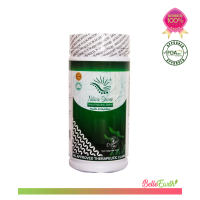
Nature Source Spirulina 1000 Tablets Healt & Nutrition 0.25g
₱495.00₱750.00
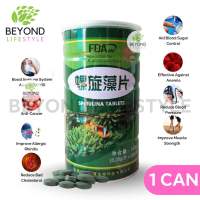
Spirulina Tablets (2000 Tablets) (1 Can) FDA Approved
₱599.00₱699.00

FDA APPROVED SPIRULINA TABLETS 500grams (2000 tablets 1 Can)
₱649.00₱1,199.00
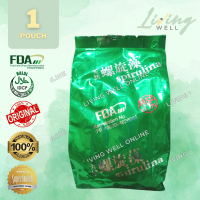
Spirulina Tablets (1 POUCH) ( 1000 Tablets) FDA Approved
₱299.00₱598.00
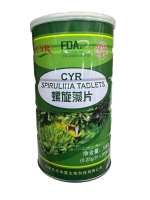
GlownessLAB FDA APPROVED 100% ORIGINAL SPIRULINA 2000 Tablets
₱599.00₱1,500.00
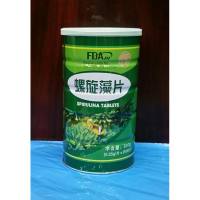
FDA APPROVED 100% ORIGINAL SPIRULINA 2000 Tablets
₱599.00₱1,500.00
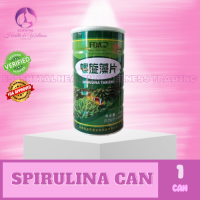
Spirulina Tablets (1 CAN) ( 2000 Tablets) FDA Approved
₱558.00₱650.00
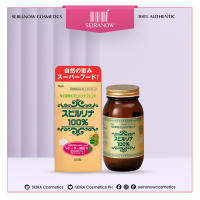
Japan Spirulina algae 2200 tablets 2000 Tablets & 1500 Tablets
₱1,699.00₱1,799.00
About spirulina
Overview
Spirulina refers to a widely marketed category of health and wellness products centred on spirulina, a nutrient-dense cyanobacterium sold as a dietary supplement in powder, tablet, capsule, and functional food forms. The term spirulina also serves as the common commercial name for products derived primarily from Arthrospira platensis, which was formerly classified under the genus Spirulina.1
Important distinction: “Spirulina” is not a single global company or brand. Many manufacturers use spirulina as an ingredient or incorporate it into their brand names. In the Philippines, examples include Aztec Spirulina and Spirulina Filipina®, which are distinct brands produced by separate companies.1
| Category | Information |
|---|---|
| Product category | Health food / dietary supplement |
| Primary ingredient | Spirulina (Arthrospira platensis) |
| Biological classification | Cyanobacterium |
| Common forms | Powder, granules, tablets, capsules |
| Typical positioning | Superfood, nutritional supplement, wellness product |
| Key nutritional components | Protein, phycocyanin, carotenoids, chlorophyll, minerals, and other bioactive compounds |
| Major markets | Asia, North America, Europe, and other health-food markets |
| Common uses | Added to foods and drinks or taken as a dietary supplement |
Biological Classification and Characteristics
Spirulina is a microscopic, photosynthetic cyanobacterium that thrives in warm, alkaline aquatic environments. Although frequently referred to as “blue-green algae,” modern biological taxonomy classifies it among cyanobacteria.
Commercial spirulina is typically associated with Arthrospira platensis. Its dried biomass has attracted significant attention due to its substantial protein content and rich profile of pigments and micronutrients.1 The organism’s characteristic blue-green colour is partly derived from phycocyanin, a pigment-protein complex. It also contains chlorophyll and various carotenoids.
History
Human consumption of spirulina has a long history, with traditional harvesting and use documented in parts of Africa. Modern commercial development accelerated during the 20th century as researchers and food producers recognised its nutritional properties. The organism subsequently became associated with the concept of a highly efficient nutritional food source. International organisations, including the United Nations, have discussed spirulina in the context of food security and nutrition, contributing to its reputation as a potential “future food.” Commercial cultivation eventually expanded into Asia, North America, and other regions.
Consumer Branding Themes
Companies building brands around spirulina generally market their products using several key themes:
- Natural nutrition
- High protein content
- Plant-based nutrition
- Antioxidant compounds
- Health and wellness
- Convenience
- Locally grown or sustainably cultivated production
Products may be sold as standalone spirulina supplements or incorporated into beverages, coffee, snack foods, and cosmetics.
Philippine Brands
In the Philippines, Aztec Spirulina is produced by Aztec Foodgrowers Corporation. The company states that it began as a family-owned spirulina microfarm in Cainta, Rizal, in 2008 before establishing the corporation in 2010. Its product range includes capsules, granules, and spirulina-based blends.1
Another local example is Spirulina Filipina®, introduced by Natural Nutrition Science Inc. (NaNuSci). The manufacturer states that the brand was launched in 2009 and that its spirulina is cultivated in Subic, Zambales.2
Product Formats
Spirulina brands commonly offer products in several formats to suit different consumer preferences.
Capsules and Tablets
These formats are designed for consumers seeking a standardised and convenient method of consumption without the strong taste associated with raw spirulina. For example, Aztec sells 500 mg spirulina capsules in 30- and 100-capsule packs.1
Powder and Granules
Powdered or granular spirulina can be mixed into smoothies, juice, water, yoghurt, food recipes, and other nutritional beverages. This format also allows spirulina to be sold as a raw ingredient to food manufacturers.
Functional Beverages
Some companies combine spirulina with other ingredients to create functional products. Aztec, for instance, markets a spirulina-and-mangosteen coffee blend containing coffee, spirulina, mangosteen, creamer, and brown sugar.1
Cosmetics
Spirulina is also incorporated into personal care products. Aztec’s range includes a spirulina-based face and body mask as well as an arbutin soap.1
Nutritional Profile
A primary selling point of spirulina is its nutritional density. Dried spirulina is notable for its protein content and contains a range of amino acids. It also provides pigments such as:
- Phycocyanin: Responsible for much of the blue coloration.
- Chlorophyll: A green photosynthetic pigment.
- Carotenoids: Yellow and orange pigments.
These compounds have demonstrated antioxidant activity in laboratory and experimental settings. However, marketing claims sometimes exceed available clinical evidence. Consequently, spirulina should be regarded as a nutritional supplement rather than a treatment or cure for disease.
Health and Wellness Positioning
Spirulina is frequently marketed for general wellness, energy, immune support, antioxidant activity, and nutritional supplementation. While scientific research has investigated the potential effects of spirulina and its compounds, evidence varies substantially depending on the claimed benefit, dosage, product formulation, and study design. Claims that spirulina can prevent or cure conditions such as cancer, diabetes, COVID-19, or other diseases should not be accepted solely based on commercial marketing.
For example, while Aztec’s website lists numerous disease-related claims, the company also positions its product primarily as a nutritional “superfood.”1
Production Methods
Commercial spirulina is generally cultivated in controlled ponds containing alkaline water and nutrients. Producers harvest the biomass, remove water, dry the material, and process it into powder, granules, or tablets and capsules. Production methods can differ significantly between manufacturers.
NaNuSci describes its Spirulina Filipina production as taking place in covered ponds in Subic, Zambales. The process involves filtration and controlled drying intended to reduce contamination and preserve product quality.2 Large-scale producers may also supply spirulina as a bulk ingredient to other food and supplement companies.
Spirulina Industry in the Philippines
The Philippines has developed a domestic spirulina industry, supported by a warm tropical climate suitable for cultivation. Several Philippine companies position locally cultivated spirulina as an alternative to imported products.
NaNuSci states that it operates a 15-hectare spirulina farm in Subic and produces more than 30 metric tons of dry spirulina powder extract annually.2 Aztec Foodgrowers describes itself as a pioneer Filipino producer, noting that its spirulina is locally cultivated around Cainta, Rizal.1
This domestic focus provides Philippine spirulina brands with a distinctive marketing proposition: locally grown, locally processed, and positioned around Filipino health and wellness.
Brand Identity
From a branding perspective, companies focused on spirulina generally build their identity around five core concepts:
- Natural: Spirulina is presented as a naturally cultivated nutritional organism rather than a synthetic supplement.
- Health: The product is associated with nutrition, wellness, and healthy lifestyles.
- Superfood: The high nutrient density of dried spirulina makes “superfood” one of the industry’s most common positioning concepts.
- Sustainability: Spirulina requires relatively little land compared to conventional livestock protein production, making it attractive in discussions about alternative food systems.
- Local Production: Philippine brands particularly emphasise domestic farms and local cultivation as a point of differentiation.1
Competitors and Market Landscape
Spirulina products compete in the broader nutraceutical and functional food market alongside multivitamins, protein powders, green superfoods, chlorella, wheatgrass, plant-based nutritional supplements, and other algae-derived supplements.
Internationally, Cyanotech is a notable producer that has marketed Hawaiian Spirulina Pacifica® since 1984 in powder and tablet forms, supplying both consumer products and bulk ingredients.3
Criticism and Limitations
Despite its popularity, spirulina should not be considered a miracle food. Important considerations for consumers include:
- Nutritional composition can vary between products.
- Supplements can differ considerably in purity and manufacturing quality.
- Contamination is a potential concern if cultivation and processing are poorly controlled.
- Some health claims made in advertising have stronger evidentiary support than others.
- Spirulina should not replace medically indicated treatment or a balanced diet.
- Consumers should distinguish food and supplement claims from clinically established medical claims.
Quality control is therefore a critical component of a spirulina brand’s credibility.
Summary
Spirulina is both a biological organism and a major commercial superfood category. As a consumer product, it is primarily sold as a concentrated nutritional supplement in powder, tablet, and capsule forms. Its reputation stems from its protein content, distinctive pigments, and other nutritional compounds.
In the Philippines, the category has developed into a domestic industry with brands such as Aztec Spirulina and Spirulina Filipina®, each emphasising locally cultivated spirulina and controlled production processes.1