Shop on Lazada
SRAM products
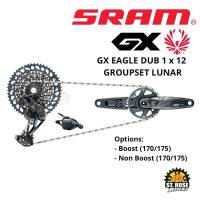
SRAM GX Eagle DUB 1x12 Group set Lunar
₱23,000.00₱27,000.00
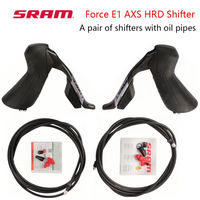
SRAM FORCE E1 Shifter RIVAL E1 AXS HRD Shifter One Finger Braking Bike Part Lightweight Carbon Brake Lever Electronic Wireless Shifting
₱39,364.40₱44,500.00
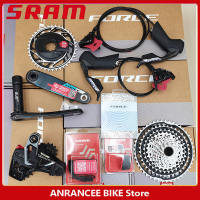
SRAM FORCE AXS E1 XPLR Electronic Power Groupset 1x13s Spider Crankset XG 1371 Cassette Shifter Brake RD Rotor ETAP BATTERY Bike Parts
₱33,100.20₱39,000.00
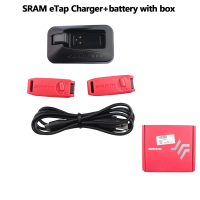
1PCS SRAM ETAP Charge ETAP Battery Red Color With Box Bike Charge Bikes Parts Fit Rival Road Bicycle Electronic 12 Speed Set Bike Accessory Bikes Parts
₱7,956.00₱12,000.00
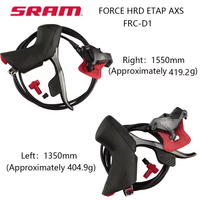
SRAM FORCE HRD ETAP AXS Bicycle Shifter ED-FRC-D1 Bike Caliper Road Bike Shift-Brake System 2x12S
₱20,913.80₱31,500.00
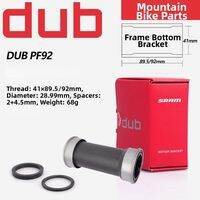
SRAM | DUB BB30 BSA Press-fit PF30 PF89.5 Threaded Mountain Bike Bottom Bracket
₱2,627.18
Buy on Lazada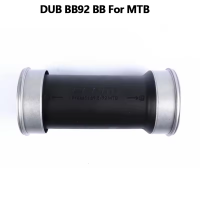
SRAM DUB BSA PF30 BB92 Bottom Bracket Mountain Bike Bicycle BB BSA For Sram GX NX SX Crankset 68/73mm 89.5/92mm DUB Central Movemnt Axis
₱2,267.00₱4,103.00
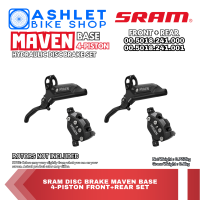
SRAM MAVEN Base Disc Brake Set DB-MVN-BSE-A1 Front+Rear 4-Piston A1 Diffusion Black Anodized
₱21,741.00₱22,885.00
About SRAM
SRAM LLC, commonly referred to as SRAM, is an American manufacturer of high-performance bicycle components headquartered in Chicago, Illinois. Established in 1987, the company originated with a single product, the Grip Shift twist shifter, and has since expanded into one of the world’s leading bicycle component manufacturers. It competes directly with Shimano, particularly in drivetrain and braking systems.1
SRAM products primarily serve the road, mountain bike, gravel, cyclocross, triathlon, and urban cycling markets. Beyond components bearing the SRAM name, the corporation operates a portfolio of major cycling brands that includes RockShox, Zipp, TIME, and Quarq.2
Company overview
| Category | Information |
|---|---|
| Full name | SRAM LLC |
| Common name | SRAM |
| Industry | Bicycle components |
| Founded | 1987 |
| Headquarters | Chicago, Illinois, United States |
| Founder | Stanley R. Day Jr. and co-founders |
| Original product | Grip Shift |
| Main markets | Road, mountain, gravel, cyclocross, triathlon, urban |
| Major brands | SRAM, RockShox, Zipp, TIME, Quarq, TRUVATIV, AVID |
| Major competitors | Shimano, Campagnolo, Fox, DT Swiss, Magura |
| Current CEO | Ken Lousberg |
| Official website | sram.com |
History
Foundation
SRAM was founded in 1987 in the United States. The company’s origins trace back to Stanley R. Day Jr. (“Stan Day”), who was training for and competing in triathlons at the time. Day found traditional downtube-mounted shifters inconvenient, as they required riders to remove a hand from the handlebars to change gears.
He proposed an alternative solution: placing the shifter directly on the handlebar and allowing gear changes via grip rotation. Engineer Sam Patterson subsequently developed a functional prototype, which became the Grip Shift. SRAM introduced this product to the road bike market in 1988 before adapting the technology for mountain bikes.3
The name SRAM was derived by combining letters from the names of the company’s founders. Notably, due to a printing error during its first major trade show appearance, the company was reportedly listed in the event catalogue as “SCRAM”.4
Early development
While the Grip Shift provided SRAM with an initial foothold in the industry, the company sought to expand beyond shifters. In 1995, SRAM launched its first mountain bike rear derailleur, the ESP, which utilised a distinctive 1:1 cable actuation ratio. This innovation enabled SRAM to begin constructing a complete shifting system rather than functioning solely as a shifter manufacturer.5
This transition from a single innovative component to a comprehensive component ecosystem became a defining theme of the company’s development.
Expansion through acquisitions
A significant portion of SRAM’s growth resulted from acquiring established bicycle component companies and technologies. Key acquisitions include:
- 1997 — Sachs bicycle division: Expanded expertise in drivetrains and internal gears.
- 2002 — RockShox: Integrated a globally recognised mountain bike suspension manufacturer.
- 2004 — Avid: Added hydraulic and mechanical bicycle braking technology.
- 2004 — Truvativ: Broadened the mountain bike component portfolio, specifically cranksets and drivetrain parts.
- 2007 — Zipp: Acquired high-end carbon wheel and aerodynamic technology capabilities.6
Through this acquisition strategy, SRAM evolved from a shifter manufacturer into a diversified bicycle component company covering drivetrains, suspension, brakes, wheels, power measurement, and related technologies.
Product portfolio
SRAM is best known for bicycle drivetrain systems, though its overall product range is extensive.
Drivetrain
The drivetrain segment represents SRAM’s core business and encompasses:
- Rear derailleurs
- Front derailleurs
- Shifters
- Cassettes
- Chains
- Cranksets
- Chainrings
- Bottom brackets
- Groupsets
- Electronic shifting systems
SRAM manufactures systems for both road and mountain bikes, alongside dedicated gravel products. The current ecosystem includes traditional mechanical shifting and electronic wireless shifting, most prominently under the AXS platform.
AXS
AXS is SRAM’s electronic component ecosystem, representing a significant technological shift from the mechanical systems upon which the company built its reputation. AXS allows compatible components to communicate electronically rather than relying exclusively on conventional mechanical cables.
The system spans multiple categories:
- Road
- Gravel
- Mountain bike
- Time trial/triathlon
- Electronic shifting
- Electronic seatposts and connected components
This progression from mechanical grip shifting in 1987 to wireless electronic communication defines the company’s modern identity.
Mountain biking
SRAM holds significant influence in mountain biking, with a portfolio covering drivetrains, brakes, and suspension. Its flagship drivetrain family, Eagle, is associated with high-range gearing that popularised the use of a single front chainring paired with a wide-range rear cassette.
The company has continued to develop integrated Eagle ecosystems, including the Transmission/T-Type generation. Additionally, SRAM maintains a substantial presence in mountain bike suspension through RockShox.
Subsidiary brands
RockShox
RockShox specialises in forks, rear shocks, suspension components, and controls. Acquired in 2002, the brand significantly strengthened SRAM’s position in mountain biking.7 RockShox operates from Colorado Springs, Colorado, where much of SRAM’s suspension and brake development occurs.8
Zipp
Zipp is renowned for carbon wheels, aerodynamic components, handlebars, stems, and seatposts. Originating in Indianapolis, the brand draws on the city’s motorsport and aerodynamic engineering heritage. Founder Leigh Sargent had experience designing Indy 500 racing components. Zipp registered its trademark in 1988, initially focusing on aerodynamic bicycle wheels,7 and joined SRAM in 2007.9 The brand’s mission is summarised as “Making You Faster.”10
TIME
TIME is historically associated with high-performance clipless bicycle pedals for road and mountain biking. This brand adds pedal technology to SRAM’s component-heavy portfolio. Current spare parts documentation lists TIME Sport alongside SRAM, RockShox, Zipp, QUARQ, TRUVATIV, and AVID.11
Quarq
Quarq specialises in cycling power meters that measure rider output in watts. These devices are essential for professional racing, training, time trials, triathlons, and performance analysis, providing SRAM with a presence in cycling electronics and data measurement.
Product groups and hierarchy
SRAM’s portfolio can be categorised as follows:
| Area | Major SRAM-family brands/products |
|---|---|
| Drivetrain | SRAM |
| Electronic shifting | SRAM AXS |
| MTB suspension | RockShox |
| Wheels/aerodynamics | Zipp |
| Pedals | TIME |
| Power meters | Quarq |
| Mountain-bike components | SRAM, TRUVATIV |
| Brakes | SRAM, AVID |
| Cockpit components | Zipp, SRAM |
| Cycling accessories/electronics | Various SRAM-family products |
Corporate documentation lists brands including SRAM, AVID, TRUVATIV, RockShox, QUARQ, ZIPP, TIME Sport, and Ochain, illustrating the breadth of the ecosystem.12
Road hierarchy
- RED: Top-level road groupset.
- Force: High-performance road groupset positioned below RED.
- Rival: Affordable performance-oriented road groupset.
- Apex: Lower-priced road/gravel platform.
Mountain bike hierarchy
- XX: Top-tier MTB drivetrain and components.
- X0: Premium performance MTB equipment.
- GX: High-performance/value-oriented MTB equipment.
- NX: More affordable MTB drivetrain level.
Product availability and hierarchy evolve as new generations are introduced; these designations represent the general structure rather than a fixed catalogue.
Design philosophy and innovation
SRAM’s corporate philosophy centres on innovation and challenging established bicycle conventions. The company describes its founding as an attempt to make shifting more intuitive by moving controls from the downtube to the handlebars.13
This approach is evident throughout its history: Grip Shift → ESP → 1× drivetrains → AXS → Eagle → Transmission. Rather than replicating existing architectures, SRAM frequently attempts to redesign how specific bicycle systems function, earning a reputation as a disruptive manufacturer.
1× drivetrains
One of SRAM’s most influential contributions is the popularisation of 1× (“one-by”) drivetrains. Unlike conventional setups using two front chainrings, a 1× system uses a single front chainring paired with a wide-range rear cassette. This eliminates the front derailleur and shifter, simplifying operation and reducing weight.
SRAM’s mountain bike products helped establish 1× as a dominant architecture in modern mountain biking, with the concept subsequently expanding into gravel, cyclocross, and road racing.
Competition with Shimano
The rivalry between SRAM and Japanese manufacturer Shimano is a defining dynamic in modern bicycle components. For decades, Shimano dominated the market, particularly in drivetrains and braking. SRAM emerged as the principal alternative in premium categories.
| Feature | SRAM | Shimano |
|---|---|---|
| Origin | United States | Japan |
| Founded | 1987 | 1921 |
| Core strength | Drivetrains/components | Drivetrains/components |
| Electronic system | AXS | Di2 |
| MTB presence | Extremely strong | Extremely strong |
| Road presence | Major premium competitor | Major market leader |
| Suspension | RockShox | Primarily Shimano component ecosystem |
| Wheels | Zipp | Shimano |
| Pedals | TIME | Shimano |
| Philosophy | Integration and innovation | Broad ecosystem and compatibility |
While both companies offer highly diversified product ranges, this comparison highlights their distinct approaches to the market.
Professional racing
SRAM components are used extensively in elite competition across professional road racing, mountain biking, gravel, cyclocross, enduro, downhill, cross-country, triathlon, time trials, and track cycling. Individual brands also maintain competitive identities; for example, Zipp is closely linked to road racing and triathlon, while RockShox is integral to mountain bike competition.14
Racing serves as a demanding testing environment for component performance, weight, durability, aerodynamics, and ergonomics.
Headquarters and global operations
SRAM has maintained its global headquarters in Chicago, Illinois, since its founding.15 Key operational locations include:
- Chicago, Illinois: Corporate headquarters, engineering, marketing, and senior management.
- Colorado Springs, Colorado: Primary centre for RockShox, mountain bike suspension, and related development.
- Indianapolis, Indiana: Home of Zipp, leveraging local motorsport and engineering expertise.16
The company operates internationally, serving manufacturers, retailers, and consumers across major global cycling markets.
Corporate identity and advocacy
SRAM defines its broader purpose around the belief in “the power of bicycles” and expanding cycling potential.17 The company emphasises advocacy, access, inclusion, and environmental responsibility.
Notably, SRAM co-founder F.K. Day co-founded World Bicycle Relief in 2005 with Leah Missbach Day. This non-profit organisation provides bicycles to people in rural and underserved communities, reflecting the company’s commitment to cycling accessibility beyond commercial manufacturing.
Reputation and market positioning
SRAM generally occupies the mid-to-high-end and premium segments of the component market. Its products feature on entry-level enthusiast bicycles through to professional racing machines. However, the brand is particularly associated with performance-oriented and technologically advanced equipment.
Strengths
- Innovation and wireless electronic shifting
- Excellent shifting performance
- Strong mountain bike technology and 1× leadership
- Wide-range gearing options
- High integration between component systems
Criticisms
- Premium pricing
- Proprietary standards in certain generations
- Complexity regarding cross-generation compatibility
- Higher cost of replacement parts
- Distinct shifting feel compared to competitors
Actual user experience varies considerably by product generation, discipline, and personal preference.
Current status
As of 2026, SRAM functions as a comprehensive cycling technology company rather than merely a derailleur manufacturer. Its portfolio spans drivetrains, electronic shifting, brakes, suspension, wheels, power meters, pedals, and related components, with brands including SRAM, RockShox, Zipp, TIME, and Velocio.18
Modern strategy focuses on complete ecosystems. A high-end bicycle may utilise a combination such as a SRAM drivetrain, AXS electronics, RockShox suspension, Zipp wheels, Quarq power measurement, and TIME pedals. This multi-brand integration constitutes a primary competitive advantage.19
References
- History | SRAM
- Company | SRAM
- Spare Parts Catalogs | Service | SRAM
- SEC
- SEC
- Zipp History | SRAM
- How Motorsports Made Zipp | SRAM
- Spare Parts Catalogs | Service | SRAM
- sec.gov
- What is the significance of “1987”? – SRAM
- Careers | SRAM
- Spare Parts Catalogs | Service | SRAM
- Brakes | SRAM
- 1987 Eagle Transmission Collection – SRAM
- Spare Parts Catalogs | Service | SRAM
- Spare Parts Catalogs | Service | SRAM
- XPLR | SRAM
- ¿Qué significado tiene “1987”? – SRAM
- What is the SRAM 1987 Eagle Transmission Collection? – SRAM