Shop on Lazada
Super Q products
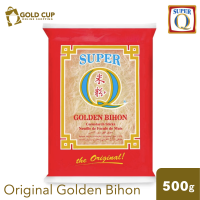
Super Q Original Golden Bihon 500g (Rice Vermicelli)
₱63.75
Buy on Lazada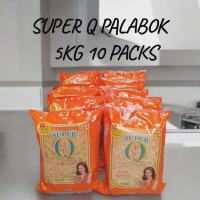
Bihon Palabok Noodles Super Q
₱600.00₱650.00
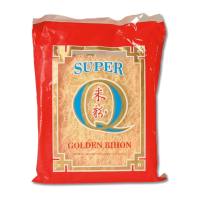
Super Q Golden Bihon 227g
₱40.18₱41.00
Super Q Golden Bihon 500g
₱62.00
Buy on LazadaSuper Q Golden Bihon 1kg
₱157.00
Buy on Lazada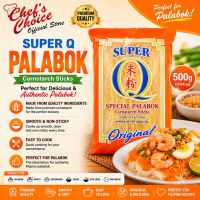
Super Q Palabok 500g
₱75.00₱85.00
Super Q Golden Bihon 500g - AllMart Online Grocery
₱62.00
Buy on Lazada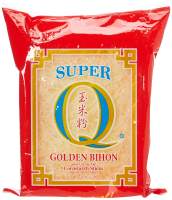
Super Q 500 grams ( Palabok Pansit)
₱58.00₱85.00
About Super Q
Super Q is a Filipino noodle brand under Ngosiok Marketing, a Cebu-based manufacturer and distributor rooted in the Chinese noodle-making tradition. The brand is widely recognised for its bihon, palabok, pancit canton, and other Asian-style noodles, and has established a significant presence both in the Philippines and among overseas Filipino communities.1
Overview
| Category | Information |
|---|---|
| Brand | Super Q |
| Country of origin | Philippines |
| Home base | Cebu City, Cebu |
| Industry | Food / noodles |
| Parent / associated company | Ngosiok Marketing |
| Roots | Chinese noodle-making tradition |
| Established | Associated with Ngosiok Marketing’s noodle operations dating to the mid-20th century |
| Best known for | Golden Bihon |
| Main product types | Bihon, palabok, pancit canton, misua, sotanghon |
| Distribution | Philippines and international export markets |
| Export regions cited by company | Asia, Europe, Middle East, North America, Australia |
Ngosiok Marketing states that the business was established in 1945, although its detailed history notes that founder Lucio Ngosiok began making Chinese noodles in Cebu as early as 1943 during World War II. The company subsequently developed several affiliated noodle businesses, including facilities producing cornstarch-based noodles under the Super Q and Eagle VSP brands.1
History
Chinese origins
The history of Super Q is closely linked to the Ngosiok family’s Chinese noodle-making heritage. According to Ngosiok Marketing, Lucio Ngosiok’s father had operated a Chinese noodle business in Fujian, China. After being orphaned at a young age, Lucio learned the fundamentals of noodle production and eventually brought this tradition to the Philippines.
In 1943, during World War II, Lucio began producing noodles in Cebu City using relatively simple equipment. The business initially focused on rice-based noodles for a small but growing market, a period the company describes as a foundational moment for Cebu’s noodle industry. Due to the war, operations were temporarily relocated to Bato, Leyte, before returning to Cebu where the family continued to develop the enterprise.
Development of Ngosiok Marketing
Following Lucio Ngosiok’s death in 1973, two descendants assumed management of the business. In the mid-1970s, Ngosiok Marketing was formally established to represent four affiliated companies producing different categories of noodles. Two of these companies produced wheat-based Chinese noodles under the First Choice and Long Life brands, while the other two produced cornstarch-based noodles under Eagle VSP and Super Q.
This distinction is significant as Super Q is primarily a consumer-facing noodle brand within the broader Ngosiok Marketing operation rather than the name of the manufacturing company itself.
Product characteristics
One of Super Q’s most notable contributions to the local market is its cornstarch-based bihon. While traditional bihon can be made from various starch sources, Super Q developed a distinctive version characterised by fine strands, a natural yellow colour, a rectangular and compact form, and a cornstarch base. The company credits this product with shifting Filipino consumer preferences regarding the taste, colour, and shape of bihon.1
Ngosiok Marketing also pioneered controlled and automated production processes to reduce contamination risks associated with traditional sun-drying methods and to minimise unnecessary human intervention during manufacturing. This approach resulted in a bihon designed to be:
- Fine and compact
- Naturally yellow
- Smooth and soft after cooking
- Slightly bouncy with a distinct bite
- Relatively easy to cook
- Economical in yield due to its compact form
The company positions Super Q Golden Bihon as its premium bihon brand, available in both domestic and international markets.
Major products
Super Q Golden Bihon
Super Q Golden Bihon is considered the flagship product of the brand. It is a cornstarch-based noodle with fine strands and a characteristic yellow appearance. The strands are described as hard and compact before cooking, becoming soft, smooth, and bouncy when prepared. It is commonly used in Filipino dishes such as pancit bihon, stir-fried noodle dishes, vegetable-and-meat preparations, and food served at celebrations. The product is available in various sizes, including 227 g, 500 g, and 1 kg formats.1
Super Q Special Palabok
The brand also produces a thicker cornstarch-based palabok noodle. Closely related to Golden Bihon, it uses a much thicker strand that requires a longer cooking time. While particularly popular among Filipinos for pancit palabok, consumers in other countries have also adopted it for dishes requiring thick noodles.
Super Q Pancit Canton
Unlike the cornstarch-based bihon, Super Q Pancit Canton is a wheat-based noodle. According to Ngosiok Marketing, the cooked noodles are deep-fried, causing them to puff up. Manufactured for both Philippine and export markets, it is intended for Filipino pancit canton and other stir-fried noodle preparations.1
Super Q Misua
Super Q Misua is a fine, flour-based noodle strongly associated with Chinese-Filipino culinary traditions. It is often eaten during birthdays and other celebrations, where the long strands traditionally symbolise long life and family togetherness.1
Super Q Sotanghon
The brand offers Super Q Sotanghon, a type of glass or vermicelli noodle. Described as delicate and translucent with a smooth texture, it remains relatively intact when cooked and is suitable for soups, spring roll fillings, and stir-fried dishes.1
Product portfolio
Ngosiok Marketing categorises Super Q products as follows:
| Category | Super Q products |
|---|---|
| Cornstarch noodles | Golden Bihon |
| Cornstarch noodles | Special Palabok |
| Wheat noodles | Pancit Canton |
| Flour noodles | Misua |
| Vermicelli | Sotanghon |
The wider Ngosiok portfolio also includes Long Life, Q1, First Choice, Golden Q, and other private-label products. Consequently, Super Q exists within a larger family of noodle brands and affiliated manufacturing operations.1
Manufacturing and quality
Quality control is central to the brand’s positioning. Ngosiok Marketing has implemented automated production processes, comprehensive quality control measures, and controlled manufacturing environments. The company holds HACCP certification, Halal certification through IDCP, GMP certification, and FDA approval.1
The emphasis on automation serves to improve hygiene and consistency compared to older noodle-making methods that relied on outdoor sun-drying. This combination of traditional Asian and Filipino noodle heritage with industrialised food manufacturing defines the brand’s identity.
Distribution and international presence
Originally associated with the Cebu market, Super Q has expanded throughout the Philippines. Ngosiok Marketing states that its distribution network now covers the entire country, with exports reaching Asia, Europe, the Middle East, North America, and Australia.1
The brand occupies a distinct position as a product that is deeply rooted in Filipino culinary applications while also functioning as an export-oriented Asian noodle brand. Super Q products are available in overseas Filipino food distribution channels; for instance, international food catalogues list Super Q Golden Bihon, Pancit Canton, Palabok, and Sotanghon in U.S.-oriented product assortments.
Corporate identity
Super Q is manufactured and distributed by Ngosiok Marketing, headquartered at 325 B. Aranas Street, Cebu City, Philippines, with a factory site in Cansojong, Talisay City, Cebu. The company employs approximately 200 people and manages distribution throughout the Philippines and in export markets abroad.
Brand positioning
Super Q is positioned as a premium, traditional Filipino noodle brand with industrial manufacturing capabilities. Its market positioning rests on several key pillars:
- Filipino culinary heritage: Products are closely associated with staple dishes such as pancit bihon and palabok.
- Chinese noodle heritage: The business traces its origins to Chinese noodle-making traditions from Fujian.
- Product specialisation: The brand maintains a strong focus specifically on noodles rather than general food products.
- Manufacturing quality: Emphasis is placed on automated, controlled production and relevant certifications.
- International accessibility: Products are manufactured for both local consumers and export markets.
- Generational familiarity: The brand presents its products as having been trusted by Filipino households for generations.1
Role in Filipino cuisine
Noodles hold a significant place in Filipino food culture, particularly during celebrations and family gatherings. Super Q products provide the foundational noodle component for various pancit styles. Golden Bihon is suited to pancit bihon, while Special Palabok corresponds to the thicker noodles used in palabok-style preparations. Pancit Canton offers a wheat-based alternative, and misua and sotanghon serve specific culinary and textural purposes. As such, Super Q functions less as a single-product brand and more as a noodle ecosystem built around Filipino and Chinese-Filipino cooking traditions.
Relationship with other brands
Super Q is not synonymous with Ngosiok Marketing; rather, it is one brand within a broader business operation. The official company profile identifies the following brands:
- Super Q: Cornstarch-based bihon and other noodles
- Golden Q: A budget-oriented bihon brand marketed primarily in Visayas and Mindanao
- First Choice: Wheat-based noodle products
- Long Life: Pancit canton and other noodles
- Q1: Misua
- Other private-label products
While Super Q Golden Bihon is positioned as the premium offering, Golden Q Bihon targets more budget-conscious consumers in the Visayas and Mindanao regions.1
Legacy
The significance of Super Q lies in its combination of history, technology, and Filipino food culture. The underlying noodle-making enterprise began in Cebu in the 1940s, emerging from a Chinese immigrant family’s tradition and evolving into a modern manufacturing and distribution operation. The Super Q brand became particularly associated with cornstarch-based bihon, helping to establish a distinctive style of Filipino noodle product.1
Today, the brand’s portfolio extends beyond bihon to include palabok, pancit canton, misua, and sotanghon, with distribution reaching far beyond its Cebu origins.