Shop on Lazada
The Face Shop products
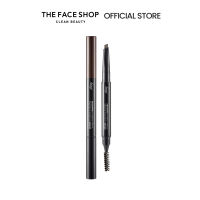
The Face Shop Designing Eyebrow Pencil
₱295.00
Buy on Lazada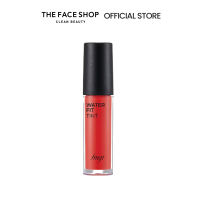
The Face Shop Water Fit Tint 01 Rose Pink
₱395.00
Buy on Lazada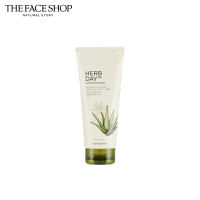
The Face Shop Aloe & Green Tea Herb Day Master Blending Cleansing Foam (170ml)
₱395.00
Buy on Lazada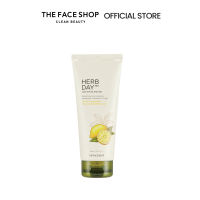
The Face Shop Herb Day 365 Master Blending Facial Foaming Cleanser Lemon and Grapefruit
₱395.00
Buy on Lazada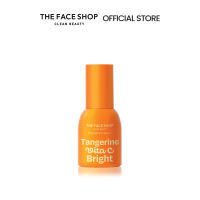
The Face Shop Tangerine Vita C Brightening Serum
₱1,695.00
Buy on Lazada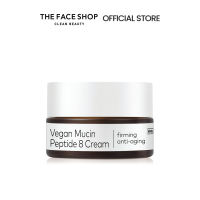
The Face Shop Alltimate Vegan Mucin Peptide 8 Cream
₱1,195.00
Buy on Lazada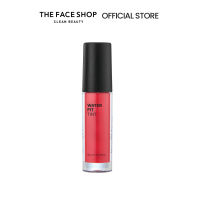
The Face Shop Water Fit Tint 02 Pink Mate
₱395.00
Buy on Lazada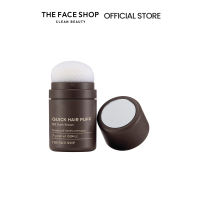
The Face Shop Quick Hair Puff 02 Dark Brown
₱895.00
Buy on LazadaAbout The Face Shop
Overview
The Face Shop, frequently styled as THE FACE SHOP or THEFACESHOP, is a South Korean cosmetics and skincare brand specializing in products formulated with botanical and naturally derived ingredients. Established in 2003 by Jung Woon-ho, the company played a pivotal role in popularizing the Korean “road shop” retail model, which made K-beauty accessible to mass-market consumers through dedicated single-brand stores 12. The brand offers an extensive portfolio spanning skincare, makeup, body care, hair care, and sheet masks, with notable product lines including Rice Water Bright, Real Nature, White Seed, Chia Seed, and Yehwadam.
The Face Shop began its international expansion in the mid-2000s, entering markets such as Canada, Southeast Asia, and the Philippines 34. In November 2009, LG Household & Health Care (LG H&H) announced the acquisition of a 90% stake in the company for approximately ₩350 billion, integrating it into LG Corporation’s beauty division 11. As of 2026, The Face Shop operates globally under LG H&H, maintaining a significant retail presence in the Philippines where it helped establish the mainstream popularity of affordable Korean skincare 4.
History
Foundation and early growth
The Face Shop was founded in South Korea in 2003 with a concept centered on offering cosmetics inspired by natural ingredients at accessible price points 2. Rather than positioning itself as a luxury or clinical dermatological brand, it combined trending Korean beauty aesthetics with approachable packaging and ingredient-focused storytelling. This strategy allowed the company to become one of Korea’s prominent “road shop” cosmetics businesses, distinguishing itself from department store counters by providing a wide assortment of products in standalone retail locations 2.
International expansion
International growth commenced in the mid-2000s, with the Philippines serving as an early overseas market alongside Canada and other Southeast Asian nations 3. The brand was introduced in the Philippines in 2006 and expanded rapidly through major shopping malls, capitalizing on the rising global interest in Korean popular culture and cosmetics 4. This early regional entry helped cement The Face Shop’s status as a foundational K-beauty brand in the Philippine market.
Acquisition by LG Household & Health Care
In November 2009, LG H&H announced it would acquire a 90% stake in The Face Shop for approximately ₩350 billion (about US$302 million at the time) 11. The transaction was completed around 2010, allowing LG H&H to strengthen its position in the mass-market cosmetics segment while complementing its existing premium beauty portfolio 10. Under LG H&H ownership, The Face Shop gained access to enhanced research capabilities, distribution networks, and corporate infrastructure, supporting its continued global expansion 10.
Retail model
The Face Shop’s success is closely tied to the Korean “road shop” model that transformed cosmetics retail in the 2000s. Unlike traditional department store counters, these dedicated brand stores allowed customers to browse a comprehensive product range in a self-service environment. This format offered an affordable entry point, high consumer accessibility, and frequent new product launches, making Korean skincare feel like an everyday category rather than a luxury purchase. The model proved particularly effective in the Philippines, where mall-based The Face Shop outlets became familiar fixtures for consumers seeking accessible K-beauty 4.
Product portfolio
The Face Shop maintains a broad product assortment organized around specific ingredients and skin concerns.
Skincare and cleansing
Skincare remains the brand’s core category, encompassing cleansers, toners, essences, serums, moisturizers, eye creams, sunscreens, and exfoliators. The current global assortment includes multiple products from the Rice Water Bright line, such as foaming cleansers, cleansing oils, and treatment essences 5. Regional offerings vary; for example, the Vietnamese official store lists extensive skincare and cleansing selections that reflect local preferences 1213.
Masks
Sheet masks are central to The Face Shop’s K-beauty identity. The Real Nature range features ingredient-focused masks designed for various skin concerns, enabling consumers to purchase targeted treatments at accessible prices 6.
Makeup, body care, and hair care
The brand also produces cushion foundations, BB creams, lip products, and makeup accessories. Body care offerings include lotions, hand creams, and scrubs, while hair care comprises shampoos, conditioners, and scalp treatments 6.
Key product lines
Rice Water Bright
Rice Water Bright is among The Face Shop’s most recognizable franchises, utilizing rice-derived ingredients to target cleansing, hydration, and brightening. Products include the Foaming Cleanser, Cleansing Oil, Essential Treatment, and Deep Peeling Cleansing Balm 5. This line exemplifies the brand’s formula of adapting traditional Asian beauty ingredients into modern, mass-market formulations.
Real Nature
This line is primarily associated with sheet masks and centers on single-ingredient concepts. Each mask variant corresponds to a specific botanical or food-derived ingredient, aligning with the Korean skincare tradition of organizing routines around distinct skin needs 6.
White Seed
White Seed focuses on brightening skincare and includes toners, lotions, serums, and creams. It is listed as a key skincare collection in regional markets such as Vietnam, demonstrating its relevance across different Asian territories 714.
Chia Seed
Chia Seed emphasizes hydration and moisture retention. Products in this line, such as the Advanced Hydro range, leverage chia seed extract to address dryness and dehydration 8.
Yehwadam
Yehwadam occupies a more premium tier within the portfolio, drawing on traditional Korean herbal ingredients and heritage-inspired beauty concepts. This line allows The Face Shop to compete in higher-priced segments while retaining its nature-centric identity 9.
Brand philosophy and positioning
The Face Shop’s identity revolves around “beauty inspired by nature,” utilizing ingredient-based storytelling to differentiate its products. Key ingredients featured in marketing and formulation include rice, chia seed, aloe, green tea, coconut, and Jeju volcanic extracts 16. This approach simplifies consumer choice by linking products directly to recognizable natural elements and specific skin benefits.
Positioned as accessible mass-market K-beauty, the brand targets teenagers, young adults, students, and everyday skincare users who seek Korean beauty innovations without luxury pricing. Its competitive advantages historically included strong retail visibility, extensive product variety, and the backing of LG H&H’s corporate resources 10. However, the brand now operates in a crowded market where newer digital-native competitors emphasize clinical actives, sustainability, and specialized formulations.
Corporate structure
The Face Shop operates as a subsidiary within the LG Corporation ecosystem:
- LG Corporation (Parent group)
- LG Household & Health Care (Direct parent company)
- The Face Shop (Subsidiary brand)
This structure places The Face Shop within LG H&H’s broader beauty portfolio, which spans multiple price tiers from premium to mass-market segments 1015.
Presence in the Philippines
The Philippines has been a strategic market for The Face Shop since its entry in 2006 4. The brand established a strong footprint in major Philippine shopping malls, contributing significantly to the localization of K-beauty trends in the country. Its success in the region is attributed to the alignment of its affordable pricing, nature-inspired branding, and extensive product range with Filipino consumer preferences for accessible yet effective skincare 4.
Competitive landscape
Historically, The Face Shop competed with fellow first-generation road shop brands such as Missha, Etude, Innisfree, Nature Republic, TonyMoly, and Skinfood. These companies collectively defined the accessible K-beauty era of the 2000s and early 2010s. Today, the competitive environment has evolved to include thousands of indie brands and online-first labels that leverage social media marketing and specialized active ingredients. Despite this saturation, The Face Shop retains recognition as a foundational K-beauty brand with established retail infrastructure and corporate stability 10.
References
- The Face Shop
- Homepage about us – THE FACE SHOP
- LG H&H
- The Face Shop – Official Website | LG beauty
- Rice Water Bright Skincare | Korean Rice Water Cleansers & Brightening Care
- Products
- BỘ DƯỠNG TRẮNG DA WHITE SEED (TONER, LOTION, CREAM)
- Trang chủ – THE FACE SHOP
- THE FACE SHOP | Website chính thức tại Việt Nam
- LG and Faceshop complete merger
- LG Household buys The Faceshop for 420 bln won | Yonhap News Agency
- Trang chủ – THE FACE SHOP
- Làm sạch Archives – THE FACE SHOP
- White Seed Archives – THE FACE SHOP
- COMPANY > Company History > Lucky Corporation ~ LG Chemical (1974 ~ 2000) | LG H&H Co., Ltd. _ Healthy & Beautiful
- Câu chuyện thương hiệu The Face Shop Natural Story– THEFACESHOP