Shop on Lazada
Tretorn products
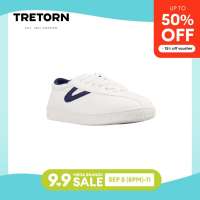
Tretorn Nylite White/Midnight Mens Sneakers
₱3,490.00
Buy on Lazada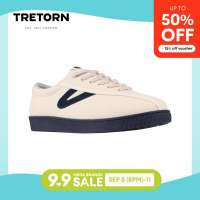
Tretorn Nylite Midnight Mens Sneakers
₱3,490.00
Buy on Lazada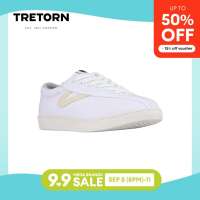
Tretorn Nylite Cloud Womens Sneakers
₱3,490.00
Buy on LazadaTretorn Nylite White/Midnight Womens Sneakers
₱3,490.00
Buy on Lazada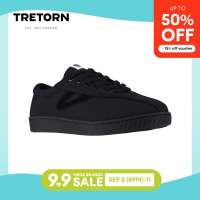
Tretorn Nylite Charcoal Mens Sneakers
₱3,490.00
Buy on LazadaTretorn Nylite Cloud Mens Sneakers
₱3,490.00
Buy on Lazada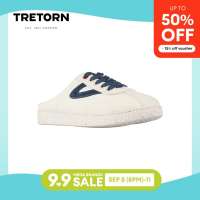
Tretorn Cam Candy Womens Sneakers
₱2,990.00
Buy on Lazada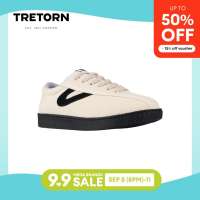
Tretorn Nylite Ink Mens Sneakers
₱3,490.00
Buy on LazadaAbout Tretorn
Overview
Tretorn is a Swedish footwear, outdoor, sportswear, and lifestyle brand established in Helsingborg, Sweden, in 1891. The company is widely recognised for its rubber boots, rainwear, sneakers, tennis products, and Scandinavian-inspired outdoor clothing.1
The brand’s identity is anchored in functionality, weather protection, sport, and understated Scandinavian design. Although it originated as a manufacturer of rubber footwear, Tretorn evolved into a significant name in tennis and sneakers before developing into a broader outdoor-lifestyle brand.1
| Tretorn | |
|---|---|
| Founded | January 3, 1891 |
| Founder/founding family | Dunker family; Henry Dunker became its key early figure |
| Founded in | Helsingborg, Sweden |
| Industry | Footwear, outdoor apparel, sports & lifestyle |
| Best known for | Rubber boots, rainwear, sneakers, tennis products |
| Major heritage product | Nylite sneaker |
| Major sports heritage | Tennis |
| Design heritage | Scandinavian / Swedish |
| Former owner | PUMA |
| Current brand owner | Authentic Brands Group (ABG) |
| Notable markets | Scandinavia, Europe, North America and international markets |
In 2015, Authentic Brands Group (ABG) acquired Tretorn’s intellectual-property rights from PUMA. Following this transaction, Tretorn Sweden continued to operate as a master licensee in Scandinavia and Europe, maintaining its role in the development and supply of rubber-based footwear.2
Origins: 1891
Tretorn was founded in Helsingborg, a coastal city in southern Sweden. On January 3, 1891, the Dunker family opened a rubber factory with approximately 52 employees working in a production area of about 2,500 square metres. The initial output consisted of galoshes, which are rubber overshoes designed to protect feet from cold, wet Scandinavian weather.1
The company did not begin as a fashion or sneaker label; its foundation was practical weather protection. The harsh Scandinavian climate necessitated footwear capable of withstanding rain, mud, and cold, wet ground for farmers and workers. By 1892, the factory produced approximately 39,000 pairs of galoshes, reaching one million pairs by 1896.3
The Dunker family and Henry Dunker
The Dunker family is central to the history of Tretorn. Henry Dunker was particularly influential in expanding the company’s interests beyond basic rubber footwear. His strong interest in sports and rubber technology eventually led Tretorn into the production of sneakers, tennis balls, and other sporting goods.1
Henry Dunker’s influence extended beyond manufacturing. In 1911, he established Barnkrubban, a private childcare facility for employees’ children. With much of the factory workforce being female at the time, this initiative is described as one of the world’s early examples of private employer-supported childcare and remains a notable part of the company’s Swedish industrial heritage.3
From rubber overshoes to sneakers
Sneakers have been part of the Tretorn heritage almost since its inception. On May 1, 1900, the company produced its first rubber-soled sneaker. Tretorn describes itself as the second-oldest sneaker manufacturer in the world, placing its origins just after the emergence of Keds in the United States.1
This development transformed the company’s trajectory. Rather than remaining exclusively a manufacturer of protective rubber footwear, Tretorn began combining rubber technology, sport, canvas, everyday footwear, and Scandinavian design. By the 1930s, canvas shoes had become a major segment of the international sneaker market, and Tretorn had established itself as a recognisable manufacturer in this category.3
Tretorn and tennis
Tennis represents a significant chapter in the brand’s history. In 1902, only eleven years after its founding, Tretorn began producing tennis balls. Over subsequent decades, the company developed various types of balls, including pressureless tennis balls in the 1950s and low-compression balls aimed partly at beginners and training.1
The brand’s tennis history encompasses innovations in balls, shoes, court footwear, and professional partnerships. It eventually became associated with major international tournaments; for example, a Tretorn tennis ball served as the official match ball at the French Open at Roland-Garros in 1977.3
The birth of the rubber boot
In 1903, Tretorn transitioned from galoshes to the modern rubber boot. This was a logical progression from the company’s original mission of protecting people from Scandinavian weather. The rubber boot became one of Tretorn’s defining categories and remains closely associated with the brand.1
Modern Tretorn rubber boots continue to emphasise traditional rubber construction and craftsmanship. The manufacturing process involves rolling rubber to the required thickness, cutting out individual pieces, and assembling the boots by hand.4
Royal Swedish connection
Tretorn maintains a historical connection with the Swedish royal court. In 1915, the company was appointed by the Swedish Royal Court under King Gustav V, who was himself a keen sportsman and tennis player. Tretorn states that it continues to supply the Royal Court, an association that has reinforced its image as a distinctly Swedish company with a long-established reputation.1
The rise of Tretorn sneakers
During the twentieth century, Tretorn became increasingly important in the sneaker market. Its shoes were well-suited to the emerging concept of the casual sports shoe, which could be worn for athletics as well as everyday attire. This distinction became fundamental to the brand, positioning it between sport, leisure, fashion, and everyday lifestyle rather than solely as a high-performance sports footwear manufacturer. This positioning proved especially significant for later models such as the Nylite.3
Nylite: Tretorn’s iconic sneaker
The Nylite is arguably Tretorn’s most famous sneaker. Introduced in 1967, it was described as the world’s first luxury tennis sneaker.1 The shoe became associated with prominent tennis players, most notably Björn Borg and Martina Navratilova.
Björn Borg famously wore Tretorn shoes both on and off the tennis court, helping the sneaker cross over from athletic footwear into lifestyle fashion. It gained particular visibility during the 1970s through appearances at major competitions including Wimbledon and the US Open. The Nylite evolved beyond a tennis shoe to become a preppy, casual, and fashion-oriented sneaker.3
Tretorn and the “preppy” aesthetic
By the late twentieth century, Tretorn had developed a strong connection with American and European preppy fashion. The Nylite’s clean silhouette, canvas construction, and relatively restrained branding made it compatible with styles associated with tennis, country clubs, Ivy League fashion, sailing, casual American sportswear, and Scandinavian minimalism.
This connection was particularly strong in the United States. Tretorn notes that its canvas Nylite was featured in The Official Preppy Handbook, becoming a recognisable component of the preppy aesthetic. This marked a major evolution from its original identity as a Swedish rubber manufacturer.3
Sailing and outdoor heritage
In the late 1960s, Tretorn expanded into sailing products, introducing the Wings collection in 1969. The rubber sailing footwear became popular around the Swedish archipelago, establishing another key aspect of the brand’s DNA: Scandinavian outdoor life.3
The company increasingly occupied a space encompassing city, coast, countryside, sport, and bad weather. This multifaceted positioning remains central to how Tretorn presents itself today.
Sarek
In 1972, Tretorn introduced Sarek, a hiking boot named after Sweden’s Sarek National Park. Designed for people spending extended periods outdoors, the product reflected the growing connection between Tretorn and Scandinavian hiking culture. The company also trademarked the name Sarek that year. This launch represented a further evolution from rubber factory to sports company to outdoor brand.3
Tretorn and ABBA
Tretorn entered popular culture through a collaboration with ABBA. In 1976, the company produced a limited-edition Tretorn x ABBA clog collaboration with the Swedish pop group. This was Tretorn’s first musical collaboration and connected the brand with one of Sweden’s most internationally famous cultural exports.1
Olympic history
Tretorn has a notable relationship with the Olympic Games. In 1968, it produced the official sneaker for the Swedish Olympic team during the Mexico City Olympics. The shoe was also associated with the Swedish team at the Winter Olympics in Grenoble. This helped strengthen Tretorn’s reputation as an authentic Swedish sports brand rather than simply a fashion label.3
Expansion into the United States
During the 1970s, Tretorn became increasingly established in the United States. In 1977, the company moved sneaker production to the US, marketing shoes as Made in USA. The American market proved particularly important because Tretorn’s sneakers fitted naturally into the growing American casual and preppy lifestyle, while its Scandinavian heritage provided a distinctive identity compared with American sneaker companies.3
Ownership by PUMA
PUMA acquired the Swedish Tretorn Group in 2001, with the acquisition taking effect on July 1 of that year. At the time, Tretorn was involved in tennis balls, outdoor products, and other activities. PUMA’s ownership lasted for roughly fourteen years until 2015, when it decided to sell Tretorn’s intellectual-property rights as part of a strategy to concentrate on its core brands and categories. The buyer was Authentic Brands Group (ABG).2
Tretorn under Authentic Brands Group
In June 2015, ABG completed its acquisition of Tretorn from PUMA. ABG described Tretorn as an outdoor-lifestyle brand with a heritage spanning more than 120 years, emphasising its relationship with tennis, performance, athleisure, and fashion.5
The post-acquisition structure differs from a traditional single-company ownership model. ABG owns the brand’s intellectual property, while Tretorn Sweden continues to play an important operational role, particularly in Scandinavia and Europe.2
Modern Tretorn
Today, Tretorn presents itself as a Scandinavian lifestyle and outdoor brand rather than solely a tennis or sneaker company. Modern categories include rubber boots, rainwear, jackets, outdoor clothing, sneakers, casual footwear, tennis products, and accessories. The brand’s stated philosophy revolves around creating products capable of dealing with Nordic weather while maintaining a clean, stylish appearance, combining function, Scandinavian design, outdoor life, and urban lifestyle.1
Sustainability and the Eco Essentials Initiative
Tretorn has incorporated sustainability into its modern product development through the Eco Essentials Initiative, launched in 2016. Beginning in 2019, the sneaker range was included in this programme.2
Measures have included selected natural rubber plantations, recycled rubber in insoles, locally sourced canvas, eco-oriented suede suppliers, water-reduction programmes, and restrictions on certain chemicals. The objective is to reduce unnecessary environmental impact while retaining the quality and characteristics associated with classic footwear.3
Key product categories
Across more than 130 years of history, Tretorn is particularly associated with four product categories:
Rubber boots
Rubber boots represent the strongest connection to the company’s original identity. Tretorn’s rubber footwear evolved directly from its nineteenth-century galosh business and remains closely associated with Scandinavian rain and outdoor life.3
Nylite sneakers
The Nylite is the brand’s most recognisable lifestyle sneaker and a significant contribution to sneaker history. Its connection with tennis, Björn Borg, preppy fashion, and casual wear gave it considerable cultural significance beyond that of a typical sports shoe.1
Tennis balls
Tretorn has produced tennis balls since 1902, giving it more than a century of involvement in the sport.3
Scandinavian outdoor clothing
Rain jackets, weatherproof footwear, and outdoor products allow Tretorn to connect its original rubber heritage with contemporary Scandinavian outdoor culture.
Design language
Tretorn’s aesthetic is generally characterised by understatement rather than aggressive branding. Its visual identity tends to emphasise simple silhouettes, functional materials, muted and natural colours, clean Scandinavian lines, classic rather than trend-driven shapes, outdoor functionality, and retro sports references.
This approach allows Tretorn to occupy several seemingly different markets simultaneously. A pair of Tretorn boots can complement hiking clothing, while Nylites can pair with jeans, chinos, shorts, or preppy attire. The common denominator is functional simplicity.3
Comparison with other Scandinavian brands
Tretorn is sometimes grouped conceptually with Scandinavian brands such as Helly Hansen, Fjällräven, Didriksons, and Haglöfs, but its heritage is distinct. Tretorn’s specific combination comprises rubber manufacturing, tennis, sneakers, rainwear, and Scandinavian lifestyle.
For example, while Fjällräven is particularly identified with outdoor equipment and hiking, Tretorn has a stronger historical relationship with rubber footwear, tennis, and casual sneakers. Likewise, Tretorn is more fashion- and lifestyle-oriented than many purely technical outdoor brands.3
Historical significance
Tretorn’s history crosses several different industries, beginning in nineteenth-century industrial rubber manufacturing and moving into weatherproof footwear, sneakers, tennis, sportswear, outdoor products, and lifestyle fashion. Few footwear brands can point to a continuous history that includes rubber galoshes from the 1890s, sneakers from 1900, tennis balls from 1902, rubber boots, Olympic footwear, professional tennis, and modern lifestyle sneakers. This breadth is essentially the reason Tretorn has remained relevant for so long.3
Timeline
- 1891 — Tretorn’s predecessor is founded in Helsingborg, Sweden.
- 1892 — About 39,000 pairs of galoshes produced.
- 1896 — One million galoshes produced.
- 1900 — First Tretorn rubber-soled sneaker.
- 1902 — Tretorn begins producing tennis balls.
- 1903 — Development of its early rubber boot.
- 1911 — Henry Dunker establishes employee childcare.
- 1915 — Appointed by the Swedish Royal Court.
- 1930s — Tretorn becomes a significant canvas-shoe manufacturer.
- 1950s–60s — Major developments in tennis footwear and tennis balls.
- 1967 — Nylite introduced.
- 1968 — Official Swedish Olympic team sneaker.
- 1969 — Wings sailing collection introduced.
- 1972 — Sarek hiking boot introduced.
- 1976 — Tretorn x ABBA clog collaboration.
- 1977 — Tretorn tennis ball used at Roland-Garros; sneaker production expands to the U.S.
- 2001 — PUMA acquires Tretorn Group.
- 2015 — Authentic Brands Group acquires Tretorn intellectual-property rights from PUMA.
- 2016 — Eco Essentials Initiative launched.
- 2019 — Tretorn’s sneaker range becomes part of the Eco Essentials Initiative.2