Shop on Lazada
TRIMUI products
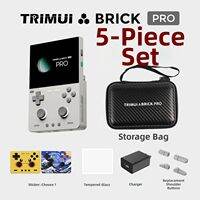
TRIMUI | BRICK PRO Android Retro Portable Gaming Console 2026 New Version
₱7,100.42
Buy on Lazada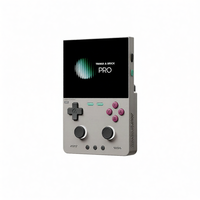
TRIMUI | Portable Open Source Retro Game Console
₱13,188.53
Buy on Lazada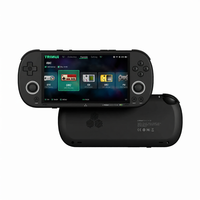
TRIMUI | SMART PRO S Open-Source Retro Game Console
₱15,539.36
Buy on Lazada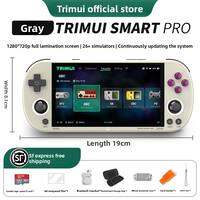
TRIMUI | TRIMUI SMART PRO Portable Retro Gaming Console Handheld Game Console with PSP NDS GBA Emulation 4.9 Inch 720p HD Display Open Source Linux Compatible Official Store
₱14,164.36
Buy on Lazada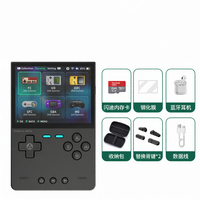
TRIMUI | Vertical Retro Game Console 3.2 inch 720p HD Display PSP GBA Emulation Open Source Handheld Gaming Device for Nostalgic Gaming Experience
₱14,705.28
Buy on Lazada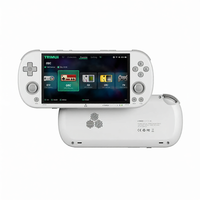
TRIMUI | Open Source Retro Handheld Game Console
₱11,739.52
Buy on Lazada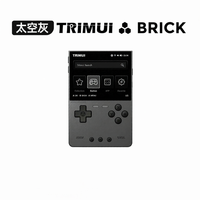
TRIMUI | 2025 New Edition Portable Retro Game Console GBA Simulator
₱15,497.29
Buy on Lazada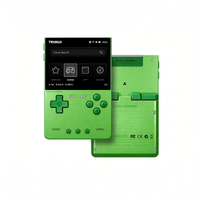
TRIMUI | Retro Portable Game Console PSP NDS GBA Compatible
₱11,416.30
Buy on LazadaAbout TRIMUI
Overview
| Attribute | Details |
|---|---|
| Brand | TRIMUI |
| Industry | Consumer Electronics |
| Specialization | Portable retro gaming handhelds |
| Founded | Around 2020 [1] |
| Headquarters | Guangdong / Shenzhen, China (public information varies between Guangdong and Shenzhen) [1] |
| Products | Linux handheld consoles, gaming accessories |
| Operating System | Custom Linux firmware |
| Target Market | Retro gaming enthusiasts |
TRIMUI is a Chinese consumer electronics brand best known for designing and manufacturing Linux-based retro handheld gaming consoles. The company focuses on portable devices that emulate classic video game systems, combining modern hardware with open software ecosystems. Since its emergence in the early 2020s, TRIMUI has become one of the better-known brands in the retro handheld community alongside competitors such as Anbernic, Powkiddy, and Miyoo. [1]
History
TRIMUI entered the rapidly growing retro handheld market around 2020, when demand for portable emulation devices increased worldwide. Unlike traditional console manufacturers, TRIMUI focuses exclusively on handheld emulation hardware capable of running games from classic consoles through open-source emulators.
Rather than building a closed gaming ecosystem, the company designs hardware intended for enthusiasts who enjoy customizing firmware, installing community software, and managing their own game libraries. [1]
The brand gradually gained recognition through several successful products, particularly the Model S, Smart, Smart Pro, and Brick series.
Business Model
TRIMUI operates differently from major gaming companies.
Instead of selling exclusive games, it primarily develops:
-
Handheld hardware
-
Linux firmware
-
Console software
-
Hardware reference designs
Retail sales are typically handled through third-party distributors and online marketplaces rather than a single global first-party storefront. Community discussions frequently note that authorized distribution relies heavily on reseller networks. [2]
Product Philosophy
TRIMUI’s products emphasize:
-
Compact pocket-sized designs
-
Good display quality
-
Affordable pricing
-
Long battery life
-
Open software
-
Community customization
-
Broad emulator compatibility
The company markets its devices toward players interested in revisiting games from systems such as:
-
NES
-
SNES
-
Game Boy
-
Game Boy Advance
-
Sega Genesis
-
PlayStation (PS1)
-
Nintendo DS (limited)
-
PSP (selected titles)
-
Arcade systems
Actual compatibility varies by hardware model. [1]
Major Products
TRIMUI Model S
Released as one of the company’s earliest handhelds.
Features
-
Extremely compact
-
Horizontal layout
-
Linux operating system
-
Budget-friendly
-
Basic emulation performance
It helped introduce the TRIMUI brand to the retro handheld community.
TRIMUI Smart
The Smart represented a significant upgrade.
Highlights included:
-
Better CPU
-
Improved IPS display
-
Better controls
-
USB-C charging
-
Community firmware support
It became popular as an everyday portable emulator.
TRIMUI Smart Pro
The Smart Pro became the company’s most recognized handheld.
Notable specifications include:
-
4.96-inch IPS display
-
1280×720 resolution
-
Allwinner A133P processor
-
Dual analog sticks
-
Stereo speakers
-
Wi-Fi
-
USB-C
-
Larger battery
-
Improved PSP, Dreamcast, and Nintendo 64 performance compared with earlier models
Many reviewers consider it one of the strongest value options in its price range. [1]
TRIMUI Brick
The Brick series targets users seeking a more premium, vertical handheld experience.
Characteristics include:
-
Vertical Game Boy-inspired design
-
Higher-quality construction
-
Compact dimensions
-
Modern IPS display
-
More powerful internal hardware
-
Open-source software support
The Brick has become one of TRIMUI’s flagship products. [1]
Software
TRIMUI devices generally run a customized Linux operating system.
Typical software features include:
-
RetroArch integration
-
Multiple standalone emulators
-
Save states
-
Fast-forward
-
Shader support
-
Custom themes
-
Sleep mode
-
OTA firmware updates (on supported models)
The company also publishes firmware updates for supported devices. [1]
Open-Source Community
One of TRIMUI’s strengths is its active enthusiast community.
Users contribute:
-
Custom firmware
-
Performance tweaks
-
Themes
-
Emulator updates
-
Performance profiles
-
Documentation
-
Bug fixes
Community firmware often expands functionality beyond the stock operating system.
Hardware Design
TRIMUI devices typically feature:
-
IPS LCD displays
-
ARM-based processors
-
Linux operating systems
-
microSD storage
-
USB-C charging
-
Audio jack
-
Stereo speakers
-
Wi-Fi (on selected models)
The company focuses on balancing portability, performance, and affordability. [1]
Target Audience
TRIMUI products appeal to:
-
Retro gaming enthusiasts
-
Linux hobbyists
-
Emulator users
-
Portable gaming collectors
-
Open-source software enthusiasts
-
Travelers seeking compact gaming devices
Market Position
TRIMUI occupies the budget to mid-range segment of the retro handheld market.
Compared with competitors:
| Brand | Strength |
|---|---|
| TRIMUI | Compact designs, strong value, open software |
| Anbernic | Premium build quality, wide product lineup |
| Powkiddy | Low-cost options |
| Miyoo | Pocket-sized handhelds with strong community firmware |
Community Reception
TRIMUI devices are generally praised for:
-
Excellent value
-
Comfortable ergonomics
-
Bright displays
-
Good battery life
-
Active community support
Common criticisms include:
-
Firmware that sometimes requires refinement
-
Limited official documentation
-
Performance limitations on demanding emulators
-
Reliance on third-party sellers in many regions rather than a unified global retail presence [2]
Product Line (as of 2026)
Current and recent devices include:
-
TRIMUI Model S
-
TRIMUI Smart
-
TRIMUI Smart Pro
-
TRIMUI Smart Pro S
-
TRIMUI Brick
-
TRIMUI Brick Hammer
-
TRIMUI Brick Hammer Pro
-
TRIMUI Brick Pro [1]
Legacy
Although TRIMUI is a relatively young brand, it has become an influential name in the retro handheld scene. Its combination of affordable hardware, Linux-based software, and strong community interest has helped establish it as a notable manufacturer in portable emulation devices. The company continues to release updated hardware while benefiting from an active ecosystem of enthusiasts who extend and customize its products. [1]