Shop on Lazada
Van Houten products
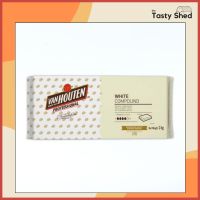
Van Houten Chocolate Compounds - Intense Dark / Semi Sweet / Milk Chocolate / White Chocolate Compound (1kg)
₱455.00
Buy on Lazada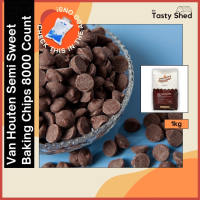
Van Houten Semi Sweet Chocolate Chips (1kg)
₱395.00
Buy on Lazada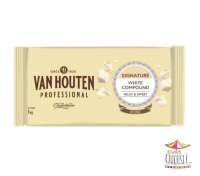
Vanhouten Chocolate Compound 1 Kilo
₱530.00₱540.00
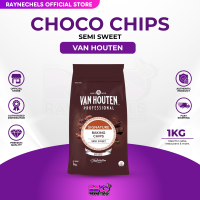
VAN HOUTEN Chocolate Chips Semi Sweet Baking Needs 1KG
₱418.00
Buy on Lazada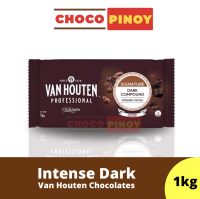
Choco Pinoy Signature Van Houten Intense Dark Chocolate Compound 1kg - Dark Compound Intense Cocoa Professional Quality Large Block Chocolate
₱429.00
Buy on Lazada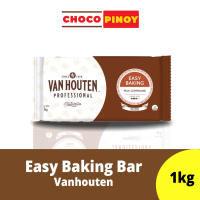
Van Houten Easy Bake Chocolate Bar – White Dark or Milk (1kg)
₱345.00₱500.00
Van Houten Semi Sweet Chocolate Chips 1kg
₱390.00
Buy on Lazada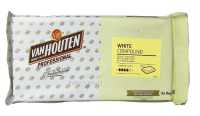
Van Houten Intense Intense Dark White Milk Semi Sweet Chocolate Bar
₱447.00
Buy on LazadaAbout Van Houten
Van Houten is a historic Dutch cocoa and chocolate brand renowned for its foundational role in the development of cocoa powder, cocoa pressing, and Dutch-process cocoa. Tracing its origins to Amsterdam in the early 19th century, the brand is closely associated with technological innovations by the Van Houten family that transformed cocoa from a thick, fatty beverage into a soluble and accessible powder.1
Today, the Van Houten name is used internationally across various cocoa and chocolate product categories. Ownership and licensing arrangements have evolved significantly over the brand’s nearly two-century history. Barry Callebaut currently lists Van Houten among its brands, particularly for professional, vending, and gourmet chocolate drink applications.2
Overview
| Field | Information |
|---|---|
| Brand | Van Houten |
| Origin | Amsterdam, Netherlands |
| Origins of business | 1806–1815 |
| Cocoa innovation | 1828 |
| Founder/family | Van Houten family |
| Best known for | Cocoa powder, Dutch-process cocoa, chocolate drinks |
| Industry | Cocoa, chocolate and food ingredients |
| Current major brand owner | Barry Callebaut |
| Main modern segments | Chocolate drinks, cocoa products, professional chocolate ingredients, vending |
| Historical slogan/positioning | Associated with cocoa innovation “since 1828” |
| Global presence | International; present in more than 40 countries |
Barry Callebaut describes Van Houten as a preferred brand for gourmet chocolate drinks in over 40 countries, serving retail, hospitality, food service, and vending markets.
Origins
The history of Van Houten began when Casparus van Houten Sr. established a coffee and spice business in Amsterdam in 1806. By 1815, the enterprise had expanded into cacao and chocolate production. At that time, the chocolate industry differed markedly from modern standards; cocoa beans were typically ground into a thick mass mixed with milk, sugar, or spices for consumption.3
A significant breakthrough occurred in the 1820s. Traditional cocoa contained high levels of natural cocoa butter, resulting in heavy, fatty drinks that were difficult to mix with water. The Van Houten family sought an efficient method to remove a portion of this fat.
The 1828 Cocoa Press
The pivotal moment in the brand’s history arrived in 1828, when a hydraulic cocoa press was patented. This invention enabled the separation of much of the cocoa butter from cocoa liquor. Historical attribution varies regarding this innovation; while modern corporate materials often credit Casparus van Houten, many older accounts and archival sources attribute the press to his son, Coenraad Johannes van Houten. Dutch archival records distinguish Casparus’s 1828 pressing method from Coenraad’s later alkalisation process.4
The hydraulic press yielded two distinct components:
- Cocoa butter, utilised in chocolate manufacturing.
- A relatively dry cocoa cake, which could be pulverised into cocoa powder.
This innovation reduced the cocoa butter content by nearly half, producing a lighter powder that was significantly easier to mix with liquids than traditional preparations.5 Consequently, cocoa became less fatty, more economical to manufacture, easier to transport, and suitable for mass-market consumption. This development effectively laid the groundwork for the modern cocoa powder industry.
Coenraad van Houten and Dutching
The second major innovation was developed by Coenraad Johannes van Houten, son of Casparus. In 1846, Coenraad patented a method involving the treatment of cocoa with alkaline salts, a technique that became known as the Dutch process or Dutching.6
This process alters several key characteristics of cocoa:
- Reduces natural acidity.
- Produces a darker colour.
- Creates a smoother, more rounded flavour profile.
- Improves solubility in liquids.
The term “Dutch-process cocoa” remains standard terminology in baking and chocolate making today. It is important to distinguish between the two primary innovations: cocoa pressing facilitated the industrial-scale production of cocoa powder by separating fat from solids, while Dutching subsequently modified the flavour, colour, and solubility through chemical treatment. Together, these technologies fundamentally transformed cocoa manufacturing and consumption.7
Expansion of the Company
Throughout the 19th century, the company experienced significant growth. Coenraad joined the business in 1835, representing the second generation of family leadership. In 1864, the firm was officially named C. J. Van Houten & Zoon. The following year, in 1865, Van Houten began packaging cocoa in tins, enhancing convenience for consumers.8
By the late 19th century, the company had developed sophisticated marketing strategies and international distribution networks. Products were sold outside the Netherlands, including in Britain, the United States, France, and Germany, establishing a strong association with modern cocoa powder preparation.9
Early Global Branding
Van Houten adopted a notably modern approach to branding and advertising during the late 19th and early 20th centuries. The company employed elaborate campaigns and distinctive graphic design across European and American markets. Advertisements appeared on public transport and incorporated contemporary artistic styles, elevating Van Houten beyond a mere manufacturer to a recognisable consumer brand synonymous with cocoa itself.10
Production expanded internationally during the 20th century, with new facilities established in various regions between approximately 1917 and 1960.11
Decline of the Original Company
The original manufacturing entity eventually ceased to exist as an independent family-controlled enterprise. During the latter half of the 20th century, the corporate structure became increasingly complex, with factory operations and the brand name passing through multiple owners. The original Dutch factory in Weesp closed in the early 1970s, although the Van Houten name persisted as a trademark. Historical sources therefore distinguish between the original 19th-century company and the modern brand entity.
Barry Callebaut Era
Van Houten eventually became part of the Barry Callebaut group, which identifies it as a key brand within its portfolio alongside Van Houten Professional.2
In the modern era, Van Houten is central to Barry Callebaut’s vending, beverage, and professional chocolate activities. The current portfolio extends beyond household cocoa powder to include products designed for hot chocolate, vending machines, cafés, hotels, chocolatiers, pastry chefs, bakeries, and food service operators. Van Houten Professional positions itself as continuing the brand’s heritage by providing ingredients specifically for artisans and chefs.12
Van Houten Professional
Van Houten Professional serves as the commercial and culinary arm of the brand. Its products, including cocoa powders and chocolate compounds, are intended for professional applications rather than exclusive household use. The brand leverages its historical identity as a “cacao pioneer since 1828” in this segment.12
Applications for Van Houten Professional products include:
- Hot and iced chocolate drinks
- Pastries, cakes, and desserts
- Pralines and chocolate decorations
- Bakery fillings and preparations
Current product specifications indicate that Van Houten chocolate drink powders are suitable for hot, cold, and frozen beverages.
Licensing and Regional Markets
Ownership, manufacturing, and licensing arrangements for Van Houten vary by market and product category. For instance, in 2018, The Hershey Company obtained a perpetual and exclusive licence from Barry Callebaut to market Van Houten consumer products in the Asia-Pacific, Middle East, and Australia/New Zealand regions.13 Consequently, Van Houten products encountered in different countries may not be manufactured or distributed by the same entity.
Presence in Indonesia
Indonesia represents a market where Van Houten operates across multiple segments. In 2021, Barry Callebaut announced that its distribution partner PT Sinarniaga Sejahtera, a subsidiary of Garudafood, would distribute Van Houten Professional compound-chocolate products to local bakeries, chocolatiers, and home bakers.1617 This demonstrates how the brand functions in both consumer and professional contexts within specific regional ecosystems.
Products
While historically defined by cocoa powder, the modern Van Houten portfolio varies by market. Key categories include:
Cocoa Products
- Cocoa powder
- Dutch-process cocoa
- Cocoa-based ingredients
Chocolate Beverages
- Hot chocolate powders
- Drinking chocolate mixes
- Vending chocolate products
Professional Ingredients
- Chocolate compounds
- Couverture and industrial chocolate products
- Pastry and bakery ingredients
- Chocolate decorations and inclusions
Consumer Products
Depending on the specific market, offerings may also include household cocoa, instant chocolate drinks, confectionery, and chocolate bars. The exact portfolio is market-dependent rather than uniform globally.
Historical Significance
Van Houten’s importance extends beyond its longevity. The company’s innovations established the technological foundations of modern cocoa powder. Prior to industrial pressing, processing cocoa into convenient powders was impractical. The hydraulic press enabled the separation of cocoa butter from solids, while Dutching provided further improvements in processing.7
These developments facilitated the wider evolution of powdered cocoa, mass-market drinking chocolate, modern confectionery, and bakery cocoa. Furthermore, the availability of separated cocoa butter as an ingredient created new possibilities for chocolate formulations, contributing to the expansion of the confectionery industry.
Brand Identity
The identity of Van Houten is traditionally anchored in three core concepts:
- Dutch Heritage: Strong association with Amsterdam and the Netherlands.
- Cocoa Expertise: Reputation built on processing technology rather than general confectionery.
- Innovation: The 1828 press and subsequent Dutching process serve as the historical foundation.
Modern branding frequently emphasises the phrase “Since 1828” to reflect this legacy.14
Sustainability
Contemporary Van Houten products have incorporated sustainability initiatives. Historical records indicate that professional drinks were UTZ certified in 2018 and produced using sustainably sourced cocoa under that programme.15 However, certification and sourcing arrangements are subject to change, and historical certifications do not necessarily apply to all current products.
Name and Legacy
The name Van Houten derives from the founders’ Dutch family name. The brand’s historical impact is such that “Dutch process” remains a generic technical term throughout the global chocolate and baking industries. In this sense, the company’s innovations have become embedded in the vocabulary and technology of the entire sector.
Timeline
| Year | Event |
|---|---|
| 1806 | Casparus van Houten begins a coffee and spice business in Amsterdam. |
| 1815 | The Van Houten business enters cacao and chocolate production. |
| 1828 | Hydraulic cocoa press is patented, enabling efficient separation of cocoa butter and solids. |
| 1835 | Coenraad van Houten joins the family business. |
| 1846 | Coenraad patents the Dutching process for cocoa. |
| 1864 | Company becomes known as C. J. Van Houten & Zoon. |
| 1865 | Cocoa begins to be sold in tins. |
| 1889 | Van Houten expands strongly into the United States. |
| 1917–1960 | Production facilities expand internationally. |
| 20th century | The original company passes through multiple ownership changes. |
| 1970s | The original Dutch manufacturing operation effectively ends, while the brand survives. |
| Late 20th century | Van Houten becomes part of the modern international cocoa/chocolate business structure. |
| 1998 | Barry Callebaut acquires Van Houten’s vending business. |
| 2018 | Hershey obtains an exclusive consumer-product licence for specified regions from Barry Callebaut. |
| 2021 | Barry Callebaut announces partnership with Garudafood for distribution of Van Houten Professional products in Indonesia. |
| Today | Van Houten continues as an international brand within the Barry Callebaut portfolio. |
Historical milestones are based primarily on Van Houten and Barry Callebaut corporate materials, supplemented by Dutch archival sources regarding the original company.18
References
- History | vanhoutenprofessional.com
- The original since 1815 | Van Houten
- Keylink Products | Keylink Limited
- Van Houten (Unternehmen)
- Koninklijke Cacao- en Chocoladefabrieken C.J. van Houten & Zoon NV te Weesp: 1828 – 1971 | Actorenregister
- More than 190 years of cocoa pioneering
- Dutch process cocoa
- History | vanhoutenprofessional.com
- About
- Coenraad Johannes van Houten
- Van Houten – Histoire de la Marque
- Van Houten Professional
- Chocolate bar
- Van Houten – Wikidata
- Cocoa Imports in Singapore – Volza
- Barry Callebaut dan Garudafood
- Barry Callebaut and Garudafood
- バンホーテンの歴史 | バンホーテン ココア ブランドサイト | 片岡物産