Shop on Lazada
Yogi Tea products
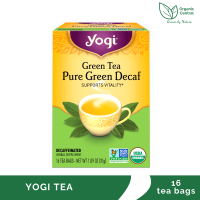
Yogi Tea Green Tea Pure Green Decaf 16 Organic Tea Bags
₱549.00
Buy on Lazada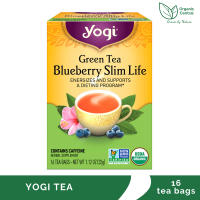
Yogi Tea Green Tea Blueberry Slim Life 16 Organic Tea Bags
₱549.00
Buy on Lazada
Yogi Tea Cinnamon Horchata Stress + Sleep 16 Teabags
₱549.00
Buy on Lazada
Yogi Tea Elderberry Lemon Balm Immune + Stress Tea 16 tea bags
₱549.00
Buy on Lazada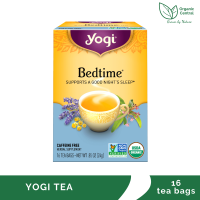
Yogi Tea Bedtime 16 Organic Caffeine Free Tea Bags
₱549.00
Buy on Lazada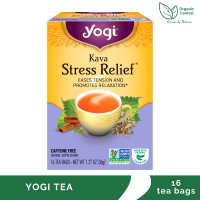
Yogi Tea Kava Stress Relief 16 Organic Caffeine Free Tea Bags
₱549.00
Buy on Lazada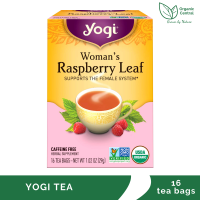
Yogi Tea Womans Raspberry Leaf 16 Organic Caffeine Free Tea Bags
₱549.00
Buy on Lazada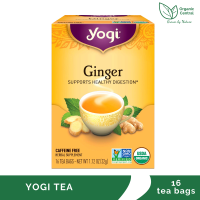
Yogi Tea Ginger 16 Organic Caffeine Free Tea Bags
₱549.00
Buy on LazadaAbout Yogi Tea
Overview
Yogi Tea, frequently styled as YOGI TEA®, is an international brand specializing in herbal and specialty teas. It is widely recognized for blends combining herbs, spices, botanicals, and traditional teas, many of which are influenced by Ayurvedic philosophy. Rather than positioning itself solely as a tea manufacturer, Yogi Tea operates as a well-being and lifestyle brand, linking tea consumption with mindfulness, balance, conscious living, and sustainability.1
| Category | Information |
|---|---|
| Brand name | Yogi Tea / YOGI TEA® |
| Industry | Tea, herbal beverages, wellness |
| Founded | 1970s |
| Origins | United States |
| Core philosophy | Ayurveda, holistic well-being, conscious living |
| Main products | Herbal teas, chai, green teas, black teas, functional/wellness blends |
| Major markets | North America, Europe, and international markets |
| European corporate entity | YOGI TEA GmbH |
| U.S. corporate entity | East West Tea Company, LLC, doing business as Yogi |
| Website | yogi-life.com |
| Key positioning | Natural ingredients, wellness, organic tea, sustainability |
History
The origins of Yogi Tea date back to the 1970s, when its tea tradition emerged from the teachings and lifestyle associated with Yogi Bhajan, an Indian-born teacher instrumental in introducing Kundalini yoga and related practices to Western audiences.
The original beverage was a spiced Ayurvedic-style tea rather than a conventional Western tea. Its unique combination of spices—including cinnamon, cardamom, ginger, cloves, and black pepper—eventually formed the foundation of the commercial Yogi Tea brand.
Yogi Tea identifies Classic Chai as the blend that launched the company’s story, noting that it established the basis for its subsequent range of Ayurvedic-inspired teas.1
Over subsequent decades, the brand grew from a single spiced tea into a comprehensive portfolio comprising herbal, green, black, chai, and functional wellness teas.
Today, Yogi Tea describes its history as spanning more than five decades of working with plants and nature. Its current general brand narrative lists over 40 blends, while its U.S. website details more than 50 blends utilizing approximately 140 plants and botanicals. This variation reflects differences in regional product portfolios and ongoing development.1
Founding Philosophy
A defining characteristic of Yogi Tea is that the brand was built around a philosophy before it was built around a conventional tea category.
Its identity integrates several traditions:
- Ayurveda: An ancient Indian system of health and holistic living.
- Yoga and meditation culture: Emphasizing mindfulness, balance, and awareness.
- Herbalism: Utilizing herbs, spices, roots, flowers, and other botanicals.
- Natural-food culture: Prioritizing organic and minimally processed ingredients.
- Modern wellness: Positioning individual teas around daily needs such as relaxation, digestion, energy, and general well-being.
Yogi Tea explicitly cites Ayurveda as a significant influence on its approach to tea and lifestyle.1 Consequently, the brand markets tea not merely as a beverage but as a ritual or moment of well-being.
The Yogi Tea Philosophy
The contemporary philosophy of Yogi Tea is encapsulated by the concept of “teas made to do more.”
Instead of organizing its identity exclusively around flavor profiles, Yogi Tea frequently associates specific blends with particular moods or moments, including:
- Relaxation
- Energy
- Digestion
- Cleansing
- General well-being
- Fortification
- Mindfulness
The company describes itself as a well-being company, stating that its teas merge ancient Ayurvedic philosophy with modern understanding.1 This approach serves as a primary differentiator from mainstream tea brands.
Products
While Yogi Tea maintains a broad product portfolio, its most recognizable offerings are herbal and spice-based teas.
Classic Chai
Classic Chai is widely considered the signature historical product of Yogi Tea. Its traditional formulation includes:
- Cinnamon
- Cardamom
- Ginger
- Cloves
- Black pepper
This combination yields a strongly aromatic, warm, and spicy chai. Yogi Tea describes this blend as the origin of its brand story.1
Herbal Teas
Herbal blends constitute a significant portion of the Yogi Tea portfolio. These generally exclude traditional tea leaves, relying instead on combinations of herbs, spices, flowers, roots, fruits, and other botanicals.
Ingredients found across the portfolio include:
- Ginger
- Cinnamon
- Cardamom
- Chamomile
- Peppermint
- Fennel
- Licorice
- Hibiscus
- Turmeric
- Rooibos
- Elderberry
- Dandelion
- Ashwagandha
- Black pepper
The company currently lists approximately 140 plants and botanicals among its ingredients.1
Green and Black Teas
Although primarily associated with herbal infusions, Yogi Tea also produces blends containing green tea and black tea, often combined with spices, fruits, herbs, or botanicals.
Functional and Wellness Blends
A critical component of the brand is its “functional” positioning. Yogi Tea organizes products around concepts such as Digestive, Relaxing, Energizing, Restful, Cleansing, Wellbeing, and Fortifying.1 This categorization makes the brand particularly distinct within the modern wellness-tea market.
Ingredients
The ingredient philosophy of Yogi Tea is strongly plant-oriented. The company states that its teas are crafted from herbs, spices, fruits, roots, flowers, and traditional tea leaves. Its ingredient database encompasses dozens of botanicals, ranging from common staples like ginger and cinnamon to less familiar plants such as bacopa and ashwagandha.1
The brand emphasizes the synergistic combination of herbs and spices, treating tea as more than a flavored drink. This ingredient-centric approach is reflected in Yogi Tea packaging, where ingredients and the intended character of a blend are prominent visual elements.
Ayurveda and Wellness
Ayurveda is one of the defining influences of Yogi Tea.
Ayurveda is a traditional Indian system of health and philosophy focused on maintaining balance between various aspects of life. Yogi Tea draws on Ayurvedic principles through its use of herbs, spices, warming ingredients, and holistic well-being concepts.
However, it is necessary to distinguish between Ayurvedic inspiration and modern medical evidence. While Yogi Tea markets products around wellness concepts, this does not imply that every traditional herbal claim associated with an ingredient has been scientifically validated. Yogi Tea is best understood as a wellness-oriented consumer brand inspired by Ayurveda, rather than a substitute for medical treatment.
Organic Certification
Organic production is integral to the identity of Yogi Tea. The company states that it has produced certified organic teas since its inception and that products utilize ingredients sourced through controlled ecological or organic cultivation, depending on the market and specific product.1
Certifications vary by country and product line. In the United States, Yogi Tea displays certifications including:
- USDA Organic
- Non-GMO Project
- Rainforest Alliance Certified
European products may carry the EU Organic label and other national organic certifications.1
Sustainability
Sustainability is a major pillar of the modern Yogi Tea brand. The company states that its goals extend beyond tea production to improving the environmental and social impact of its supply chain. Initiatives include:
- Organic and regenerative agriculture
- Sustainable sourcing
- Support for farming communities
- Sustainable transportation
- Sustainable packaging
- Plastic-free tea bags
- Collaboration with sustainability organizations
Yogi Tea states that its tea bags are plastic-free and that its packaging strategy is evolving toward a more sustainable, lower-waste model.1 Additionally, the company notes that its production facility in Oregon was the first LEED-certified tea factory in the world and that Yogi Tea has been a Certified B Corporation since 2014.1
Social Responsibility
Yogi Tea presents itself as a socially conscious company rather than a brand focused solely on commercial growth. For example, the company supports approximately 750 cardamom-producing farmers in rural Guatemala and works with the Hillside Organic Tea Cooperative in Rwanda. It also participates in organizations including the Ethical Tea Partnership and the Sustainable Spices Initiative.1
Furthermore, Yogi Tea states that the Yogi Foundation reinvests profits into social-justice projects globally.1
Corporate Structure
The corporate structure of Yogi Tea varies by market.
In the United States and Canada, the brand is operated by East West Tea Company, LLC, doing business as Yogi. North American terms identify the company’s principal place of business as Eugene, Oregon.1
In Europe, the brand operates through YOGI TEA GmbH, with its principal place of business identified as Hamburg, Germany.1
This structural distinction explains why product ranges, websites, packaging, and corporate information may differ between U.S. and European versions of Yogi Tea.
Brand Identity
Yogi Tea possesses a distinctive visual identity within the tea industry. Historically, its packaging has been recognizable for:
- Warm, natural colors
- Botanical imagery
- Illustrations
- Ayurvedic and yoga-inspired visual language
- Prominent flavor and functional descriptions
- Short inspirational sayings
Packaging has also served an educational purpose; rather than simply identifying a flavor, boxes often communicate a mood, purpose, philosophy, or lifestyle.
Recently, Yogi Tea has updated its packaging globally. The redesign emphasizes nature, holistic well-being, and sustainability, replacing older visual elements with colorful botanical imagery and more prominent benefit categories.1
Inspirational Messages
A highly recognizable feature of Yogi Tea is the message printed on individual tea tags. Traditionally, many Yogi tea bags have included short inspirational or reflective statements. These messages became part of the consumer experience and helped differentiate Yogi Tea from ordinary tea brands.
The product therefore functions on two levels:
- Physical product: A flavored herbal or traditional tea blend.
- Lifestyle experience: A small daily ritual involving reflection, mindfulness, wellness, and personal balance.
This duality is central to the brand’s identity.
Packaging
Yogi Tea has historically utilized packaging as a storytelling device. A typical box communicates multiple elements simultaneously:
- Flavor: The taste profile of the tea.
- Ingredients: The plants and spices contained within.
- Function: The type of moment the tea is intended for.
- Philosophy: The brand’s holistic approach to well-being.
- Sustainability: Information regarding organic sourcing and packaging materials.
The recent redesign aims to clarify these elements while providing the global brand with a more unified appearance.1
Market Positioning
Yogi Tea occupies a unique position intersecting several categories:
- Traditional tea: Competes with conventional brands through green, black, chai, and herbal offerings.
- Herbal tea: Arguably its strongest category, featuring extensive use of botanicals and spices.
- Wellness products: Functional categories and Ayurvedic inspiration place it firmly within the wellness market.
- Natural and organic food: Organic positioning appeals to consumers interested in natural products.
- Lifestyle brands: Emphasis on mindfulness, yoga, balance, and inspirational messages adds a lifestyle dimension beyond the beverage.
Differentiation
Yogi Tea’s primary differentiator is the combination of tea, Ayurveda, wellness, and sustainability. While many tea companies compete on flavor, heritage, price, or luxury, Yogi Tea attempts to make the meaning and purpose of drinking tea part of the product itself.
Consumers may select a specific blend not merely for its ginger flavor, but because they associate it with relaxation, digestion, energy, sleep, mindfulness, or a personal moment of pause. This association is a key component of the brand strategy.
Brand Promise
Current messaging can be summarized as: Tea should contribute to your well-being while being produced in a way that contributes to the well-being of people and the planet. This is reflected in the positioning of “teas made to do more” and the stated goal of creating products that benefit both consumers and the wider world.1
Global Presence
Yogi Tea has evolved from a niche natural-food product into an internationally distributed brand. Products are sold through natural-food stores, supermarkets, health-food retailers, online stores, and other channels. The U.S. FAQ indicates nationwide distribution in the United States, while European operations serve multiple markets.1
The brand maintains localized websites for different markets to reflect variations in product availability, certification, packaging, and regulation.
Current Direction
As of 2026, Yogi Tea appears to be moving toward a more unified global brand identity while retaining its historic connection to herbs, spices, Ayurveda, and wellness. Key themes characterizing its current direction include:
- Modernized packaging
- Greater emphasis on wellness categories
- Sustainability
- Organic and responsibly sourced ingredients
- Regenerative agriculture
- Community and farmer support
- Plastic-free tea bags
- A broader interpretation of well-being
- Expansion beyond the traditional “yoga tea” image
The company describes this as an ongoing process emphasizing continuous improvement in environmental and social practices.1
Criticism and Considerations
A balanced description of Yogi Tea acknowledges certain limitations. First, “wellness” claims should not automatically be interpreted as medical claims. Herbal ingredients possess varying levels of scientific evidence, and teas marketed for digestion, relaxation, or energy should not be assumed to treat medical conditions.
Second, the use of Ayurvedic concepts in a Western commercial context can be viewed as part of the broader commercialization and globalization of traditional Indian wellness practices.
Third, corporate and product information differs by market. Statements regarding ingredients, certifications, availability, and company structure should ideally be verified against the relevant country’s Yogi Tea website.
These considerations provide context for understanding the brand critically without negating its identity.
Legacy
Yogi Tea’s significance in the tea market stems from its role in popularizing wellness-oriented herbal tea. Its influence is evident in the modern market’s emphasis on:
- Functional herbal blends
- Turmeric and ginger teas
- Adaptogenic and botanical ingredients
- Organic tea
- Mindfulness
- Tea as a self-care ritual
- Sustainable packaging
- Purpose-driven food and beverage brands
Yogi Tea sits at the intersection of tea culture, natural foods, Ayurveda, yoga culture, and modern wellness.