Shop on Lazada
welly products
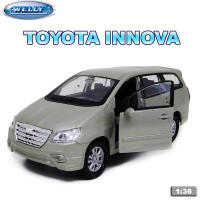
Welly 1:36 Toyota Innova Diecast Collectible Model Toy Car RIC Raion Toy Vehicles for Boys and Kids
₱449.00₱659.75
![47 [Minila Miniatures] 1/36 scale Hyundai Sonata - Philippine National Police - Davao CPO Diecast Collectible (Philippine Emergency Vehicles)](https://ph-live.slatic.net/p/34ce9eaa03c64ef9e5bd0539e25cfd1a.png_200x200q80.jpg)
47 [Minila Miniatures] 1/36 scale Hyundai Sonata - Philippine National Police - Davao CPO Diecast Collectible (Philippine Emergency Vehicles)
₱1,399.00₱1,999.00
![16 [Minila Miniatures] 1/38 scale Hyundai Starex - St. Peter Life Plan & Chapels Diecast Collectible (Philippine Vehicles Edition)](https://ph-live.slatic.net/p/39336dddd0500d186da520a6cfd359a0.png_200x200q80.jpg)
16 [Minila Miniatures] 1/38 scale Hyundai Starex - St. Peter Life Plan & Chapels Diecast Collectible (Philippine Vehicles Edition)
₱1,499.00₱2,899.00
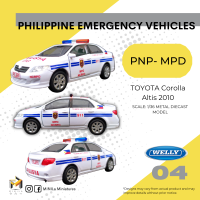
04 | 1/36 scale Toyota Altis - Philippine National Police Manila Police District (MPD) Diecast Collectible (Philippine Emergency Vehicles)
₱1,399.00₱1,999.00

1:9 Ducati V4S Kawasaki H2R H2 BMW S1000RR Large Motorcycle Alloy Model Collection Serie Decoration Gift Box
₱1,391.03₱2,260.43
![28 [Minila Miniatures] 1/36 scale Toyota Innova - Philippine National Police Special Action Force (SAF) Diecast Collectible (Philippine Emergency Vehicles)](https://ph-live.slatic.net/p/9ce631a929428eb606c14bcb2ae0ea8d.png_200x200q80.jpg)
28 [Minila Miniatures] 1/36 scale Toyota Innova - Philippine National Police Special Action Force (SAF) Diecast Collectible (Philippine Emergency Vehicles)
₱1,399.00₱1,999.00
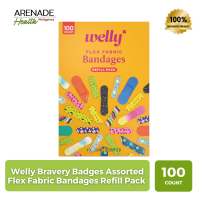
Welly Bravery Badges Assorted Flex Fabric Bandages Refill Pack 100 Count
₱1,299.00
Buy on Lazada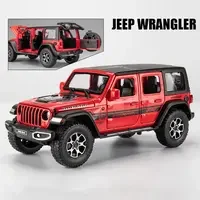
1:22 Jeeps Wrangler Rubicon Alloy Diecasts & Toy Vehicles Metal Toy Car Model Sound and light Pull back Collection Kids Toy Gift
₱815.93₱1,439.89
About welly
Overview
Welly Health PBC, commonly known as Welly, is an American consumer-health brand that repositions traditional first-aid supplies as colourful, design-oriented lifestyle products. The company was established on the premise that first aid should be functional, portable, visually appealing, and engaging, rather than concealed in generic packaging.1 While its core identity remains rooted in wound care, Welly has expanded its positioning to encompass children’s play, outdoor activity, and accessible healthcare. Its current product range includes flexible fabric bandages, waterproof bandages, first-aid kits, hydrocolloid blemish patches, antiseptic wipes, ointments, and related items.2
Basic Information
| Details | |
|---|---|
| Brand | Welly |
| Legal Entity | Welly Health PBC |
| Founded | 2019 |
| Headquarters | Minnesota, United States |
| Founders | Eric Ryan and Doug Stukenborg |
| Industry | Consumer healthcare / First aid |
| Key Products | Patterned flexible fabric bandages and reusable first-aid tins |
| Corporate Form | Public Benefit Corporation (PBC) |
| B Corp Status | Certified since October 2020 |
| Official Website | getwelly.com |
B Lab lists Welly Health PBC as a Certified B Corporation headquartered in Minnesota, operating within the United States, with certification dating to October 2020.3
History
Origins
Welly was conceived by Eric Ryan, an entrepreneur previously known for co-founding Method and OLLY. His career has focused on redesigning mundane consumer categories through branding, aesthetics, usability, and lifestyle integration. The concept for Welly arose from the observation that first aid was a stagnant category; traditional adhesive bandages were typically either utilitarian and bland or exclusively oriented towards children.
Ryan and retail executive Doug Stukenborg developed the brand to make first aid an enjoyable purchase. The original concept combined playful design with practical innovations, such as organised, stackable tins.4
2019 Launch
Welly officially launched in the United States on April 8, 2019, initially as a Target-exclusive brand. Its debut lineup featured premium bandages and first-aid products packaged in colourful, reusable metal tins.5 The launch challenged conventional first-aid merchandising by framing cuts and scrapes not as embarrassing injuries, but as evidence of active living, exploration, and risk-taking.
This early philosophy was summarised by the idea that a bump or scrape signifies participation in life rather than failure. This concept eventually became associated with the brand’s “Bravery Badges” terminology for its bandages.6
Founders
Eric Ryan
Eric Ryan is the primary figure associated with Welly’s creation. Prior to Welly, he built Method and OLLY, both of which used distinctive branding to disrupt established consumer categories. His approach to Welly followed this pattern: identifying an everyday category dominated by purely functional products and making the experience more attractive and emotionally engaging.7
Doug Stukenborg
Doug Stukenborg, who came from a retail merchandising background, serves as Welly’s co-founder and CEO. His contributions focused on the retail experience, packaging, portability, and organisation of first-aid products. The reusable tin was central to this strategy, designed to be displayed visibly in homes, vehicles, or travel bags rather than stored in disposable cardboard boxes.8
Product Differentiation
Welly distinguishes itself by reimagining the user experience of first aid rather than inventing a new medical category.
Design
Unlike traditional bandages that often use beige or skin-tone colours, Welly employs bright colours, illustrations, patterns, and themed collections. The company describes its products as featuring bold prints and patterns suitable for all ages.9
Packaging
A signature innovation is the reusable metal tin. These containers are designed to be portable, stackable, reusable, recyclable, easy to organise, and visually distinctive. This packaging addresses the common issue of misplaced first-aid supplies or difficulty finding specific sizes during an injury.10
Usability
The flagship Flex Fabric bandages utilise medical-device-grade polyester fabric designed to move with the wearer’s body rather than feeling rigid. Many current products also feature adhesive sealing on all four sides to help prevent dirt and germs from entering the wound.11
Product Portfolio
While Welly began with bandages and basic first aid, its portfolio has broadened significantly.
Bandages
Bandages remain the core of the brand. Current collections include designs such as Sport Mode, Doggies, Flutter, Ice Cream, Colorwash, Zoo Animals, Planet Pals, Turtle Oasis, Glow Party, Wonderland Floral, Color-Changing Chameleon, and Ocean Friends. The brand also offers waterproof and specialty bandages.12
First-Aid Kits
Welly sells both compact portable kits and larger home-oriented kits. These kits combine bandages with cleansing wipes, ointment, hand sanitiser, and other basic supplies, frequently utilising the reusable tin format.13
Hydrocolloid Patches
The brand has expanded into blemish patches, applying hydrocolloid technology to acne and skincare rather than traditional wound care.14
Other Products
The catalogue also includes antiseptic wipes, bug-bite relief patches, refills, travel products, and other skin and first-aid items.15
Brand Philosophy
The central philosophy of Welly is “play.” Originally intended to encourage active adults to view injuries as part of living, the focus has shifted increasingly towards children and the importance of play. The company states, “We believe in the power of play,” with social-impact priorities including creating access to play, encouraging safe play, and supporting return to play. Welly supports playgrounds, youth sports, outdoor activities, and toy donations to provide children with opportunities to play.16
“Bravery Badges”
Bravery Badges is a key element of Welly’s brand language. Instead of presenting a bandage merely as a concealment for injury, it is framed as a symbolic reward for being active. This messaging is particularly targeted at children, communicating that getting hurt is acceptable and that they can continue their activities. This concept bridges the product design with the brand’s broader emotional positioning.17
Visual Identity
Welly’s branding occupies a space between healthcare and lifestyle consumer goods. Whereas traditional healthcare brands emphasise clinical credibility, sterility, and medical authority, Welly prioritises colour, humour, illustration, personality, optimism, and adventure. Branding agency Mythology described the project as bringing levity and freshness to the traditionally sterile first-aid aisle. Design is integral to the product strategy rather than a decorative afterthought.
Retail Strategy
Welly’s initial launch was exclusive to Target, leveraging the retailer’s receptiveness to design-forward consumer brands. The combination of Target distribution, distinctive packaging, and affordable pricing positioned first aid as an impulse-friendly lifestyle purchase. Within its first year, Welly reported over $10 million in sales and expansion to more than 10,000 retail locations.
The brand has since expanded beyond its original exclusivity. Current materials identify retailers including Target, Walmart, and Amazon. A 2026 company release indicates availability through Target, Walmart, CVS, Walgreens, Kroger, Meijer, Sam’s Club, Hy-Vee, and Amazon.18
Relationship with BAND-AID
Welly is distinct from BAND-AID, which is a registered trademark of Johnson & Johnson. Welly specifically requests that consumers refer to its products as bandages or Bravery Badges rather than using the term “BAND-AIDs.”19 This distinction is significant as Welly’s business proposition involves challenging the dominance of the traditional adhesive bandage category.
B Corporation Status
Welly Health PBC became a Certified B Corporation in October 2020. This public-benefit orientation aligns with its emphasis on social impact, particularly regarding children’s play and community support. In 2025, the company reported contributing more than 440 volunteer hours to over 20 organisations and donating approximately 5.4 million bandages for children.20 These figures are self-reported by the company.
Recent Evolution
Welly’s identity has evolved beyond “cool bandages” to place greater emphasis on children, imagination, and independence. In July 2026, the brand launched a campaign for the Boredom Box, arguing that boredom provides children with valuable opportunities to invent their own activities.21 This marks a shift from the 2019 message of making first aid fun to a broader mission of helping children explore and recover from minor setbacks. While the bandage remains the physical product, play has become the overarching brand idea.
Corporate Identity
The legal entity operating the brand is Welly Health PBC, which is identified as the operator of the website and brand in current terms of service. Unilever’s corporate subsidiary disclosures list Welly Health PBC among its group companies,22 indicating that Welly is now part of the broader Unilever corporate ecosystem rather than solely an independent boutique label.
Brand Significance
Welly represents a case study in consumer-brand innovation within an ordinary product category. By combining a commodity product with superior design, packaging, lifestyle positioning, and emotional storytelling, the brand competes on how consumers feel about owning and using the product rather than solely on price or adhesive performance. This strategy mirrors approaches used by Eric Ryan’s previous ventures, Method and OLLY, transforming a mundane necessity into a desirable item.23
Summary
Welly is best understood as a design-led consumer healthcare brand rather than simply a bandage manufacturer. Its initial success stemmed from applying lifestyle branding principles to a stagnant category, using colourful patterns, reusable tins, and positive messaging to transform minor medical necessities into positive experiences.24 The brand has since evolved toward a philosophy centred on children’s play and resilience, seeking to own the broader concept of helping people return to daily life after minor injuries.25
References
- Play Meets Prepared: Premium First Aid Brand Welly, From Method And Olly Co-Creator, Launches Today
- Welly Health PBC – Certified B Corporation – B Lab
- Welly
- What’s the founders’ story? – Welly
- Method, Olly Vitamins Founder Is Making Cool Adhesive Bandages For Grown-Ups
- Welly First Aid
- Are Welly and BAND-AID the same? – Welly
- Sport Mode – Welly
- First Aid – Welly
- First Aid Kit – Energy Burst 24CT – Welly
- Welly World
- Project – Welly
- Welly Health Celebrates 1-Year Anniversary by Expanding into 10,000+ Doors
- Color Change – Welly
- WELLY IS GIVING AWAY BOREDOM THIS SUMMER. ON PURPOSE
- Why can’t I call a Welly bandage a “BAND-AID”? – Welly
- Terms of service – Welly
- USPTO TTABVUE. Trademark Trial and Appeal Board Inquiry System
- USPTO TTABVUE. Trademark Trial and Appeal Board Inquiry System
- Welly First Aid Kit
- Notice of Registration Email for Welly
- WELLY Trademark of Welly Health PBC – Registration Number 6247110 – Serial Number 88732461 :: Justia Trademarks
- Counting Down the Top 10 Articles of 2019 – #7: Welly’s First Aid Packaging | Healthcare Packaging
- TEAS RF New Application for Welly
- WELLY Trademark of Welly Health PBC – Registration Number 5891235 – Serial Number 88396994 :: Justia Trademarks