Shop on Lazada
Wenger products
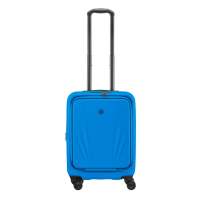
Wenger Skyon Front Pocket Luggage Small
₱8,999.00
Buy on Lazada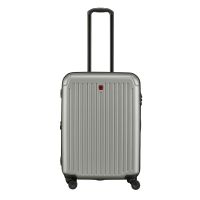
Wenger Flyn 8-Wheel Luggage Medium
₱7,499.00
Buy on Lazada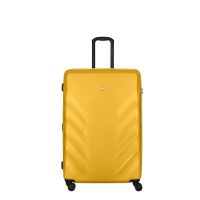
Wenger Motion Luggage Large
₱8,990.00
Buy on Lazada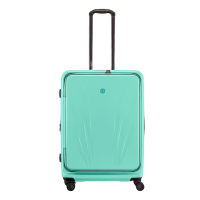
Wenger Skyon Luggage Large
₱10,999.00
Buy on Lazada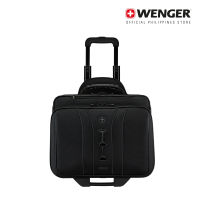
Wenger Legacy Rolling Briefcase 15.6″
₱9,999.00
Buy on Lazada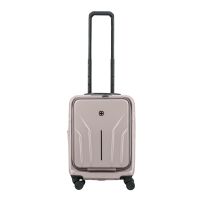
Wenger Amplix Front Pocket Luggage Small
₱9,599.00
Buy on Lazada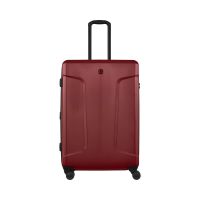
Wenger Legacy 8-Wheel Hard Case Large Luggage
₱8,990.00
Buy on Lazada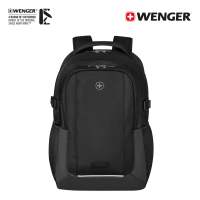
Wenger XE Ryde Laptop Backpack 26L
₱3,999.00
Buy on LazadaAbout Wenger
Overview
Wenger is a Swiss heritage brand historically renowned for its Swiss Army knives and currently recognised primarily for watches, backpacks, luggage, business bags, and other travel gear. The company traces its origins to 1893 in Courtételle, in the Swiss Jura near Delémont. Since 2005, Wenger has been owned by Victorinox but continues to operate as a distinct brand.1
The brand describes itself as having Swiss roots dating back more than 120 years, with an emphasis on quality, precision, craftsmanship, functionality, and contemporary design.1
| Attribute | Information |
|---|---|
| Brand | Wenger |
| Origin | Switzerland 🇨🇭 |
| Founded | 1893 |
| Original location | Courtételle, Canton of Jura, Switzerland |
| Original industry | Knife manufacturing / cutlery |
| Founder / early figure | Theo Wenger (1868–1928) |
| Best known historically for | Swiss Army knives |
| Major expansion | Watches from 1997; travel gear later |
| Current owner | Victorinox |
| Acquired | 2005 |
| Current core products | Watches and travel gear |
| Brand positioning | Swiss quality, functionality, durability and accessible pricing |
| Main markets | International / global |
History
Foundation: 1893
Wenger was established in 1893 in Courtételle, a small village near Delémont in the Swiss Jura. It began as a knife factory, entering an industry for which Switzerland was already developing a strong international reputation.
The brand’s early history is closely associated with Theo Wenger, who lived from 1868 to 1928. Wenger subsequently became one of the two major Swiss manufacturers associated with the famous Swiss Army Knife tradition.1
The Swiss Army Knife era
For much of the 20th century, Wenger’s identity was strongly connected with Swiss military and pocket knives. The term “Swiss Army Knife” is not synonymous exclusively with Victorinox; historically, both Wenger and Victorinox produced Swiss military-style multifunction knives, becoming the two most recognizable names in the category.
Wenger developed its own designs, mechanisms, and variations, providing consumers with an alternative to Victorinox’s products. This rivalry between the two Swiss manufacturers became an important part of Swiss knife history.
Expansion into watches and travel products
Wenger eventually moved beyond knives. According to the company’s own history, Wenger expanded into watches in 1997 and later entered the travel luggage market.1
This marked a significant strategic change. Instead of being solely a knife manufacturer, Wenger increasingly positioned itself as a brand for people who travel, work, and live actively. Its product universe gradually came to include:
- Swiss-inspired watches
- Backpacks
- Luggage
- Business bags
- Laptop bags
- Briefcases
- Travel accessories
- Everyday bags
This shift allowed Wenger to retain its Swiss heritage while competing in larger lifestyle and travel markets.
Acquisition by Victorinox
A pivotal event in Wenger’s history occurred in 2005 when Victorinox acquired Wenger SA, the Swiss knife and watch manufacturer based in Delémont. Victorinox did not erase the Wenger name; instead, Wenger continued as a separate brand within the Victorinox group.1
This created an unusual situation in the Swiss knife industry where two historic Swiss Army Knife manufacturers effectively came under the same ownership. Victorinox subsequently maintained Wenger’s independent brand identity, particularly in watches and travel products.
Integration of the knife business
After acquiring Wenger in 2005, Victorinox initially continued operating the Wenger brand. However, in 2013, Victorinox integrated the Wenger knife business into the Victorinox brand.1 Consequently, Wenger ceased to be a major independent Swiss Army Knife brand.
Following this transition, Wenger concentrated primarily on watches and travel gear. This explains why those familiar with older Wenger products may associate the name strongly with pocket knives, while contemporary consumers are more likely to encounter backpacks, luggage, and watches.
Wenger today
Today, Wenger operates as a Swiss lifestyle, travel, and accessories brand under Victorinox ownership. The brand describes its modern identity as Swiss, contemporary, functional, reliable, well-designed, practical, and accessible.1
Its stated target is the active, mobile consumer seeking products that combine appearance, functionality, and quality at a reasonable price.1
Watches
Wenger watches are designed around a practical Swiss-inspired aesthetic rather than ultra-luxury watchmaking. Common characteristics include:
- Quartz movements
- Chronographs
- Field-inspired watches
- Sport watches
- Casual everyday watches
- Stainless-steel cases
- Leather or textile straps
- Functional, highly legible dials
The watches generally occupy a mid-range or accessible Swiss watch position rather than competing directly with luxury manufacturers such as Rolex, Omega, or Patek Philippe.
Travel gear
Travel products have become one of Wenger’s most recognizable modern categories. These include:
- Rolling luggage
- Suitcases
- Backpacks
- Travel bags
- Laptop backpacks
- Business bags
- Briefcases
- Messenger bags
- Accessories
The emphasis is generally on organization, durability, mobility, and practicality.
Brand philosophy
Wenger’s identity is defined by several core themes.
Swiss heritage 🇨🇭
The brand’s Swiss origins are fundamental to its identity. Wenger emphasizes its history in Swiss manufacturing and craftsmanship, particularly its roots in the Jura region.1
Functionality
Wenger is not primarily a fashion brand; its products are designed to solve practical problems. For example, backpacks require laptop protection and organization, suitcases need durable wheels and compartments, business bags must store documents and electronics, and watches demand readability and dependable everyday operation.
Durability
The company’s heritage in knife manufacturing influenced the broader Wenger philosophy of creating products intended for regular use.
Accessibility
Wenger’s positioning is significantly more accessible than luxury Swiss brands. It attempts to combine Swiss heritage with relatively attainable prices, particularly in its luggage, bags, and watches.
Wenger vs. Victorinox
Due to their intertwined history, Wenger and Victorinox are often confused.
| Wenger | Victorinox | |
|---|---|---|
| Origin | 1893 | 1884 |
| Swiss company | Yes | Yes |
| Original specialty | Knives | Knives |
| Swiss Army Knife history | Major manufacturer | Original/major manufacturer |
| Current owner | Victorinox | Independent family-owned group |
| Knife business today | Integrated into Victorinox | Main brand |
| Watches | Yes | Yes |
| Travel gear | Yes | Yes |
| Brand identity | Practical, contemporary, accessible | Swiss Army Knife heritage + broader premium Swiss lifestyle |
| Relationship | Owned by Victorinox | Parent company |
Victorinox states that it acquired Wenger in 2005, while the Wenger knife business was integrated into Victorinox in 2013. Wenger continued primarily with watches and travel gear.1
Wenger and the Swiss Army Knife
Wenger’s historical importance stems from its role as one of the companies responsible for developing and manufacturing the multifunction pocket knives that made the Swiss Army Knife concept famous worldwide. The Swiss Army Knife became associated with Swiss engineering, compact design, multifunctionality, reliability, outdoor adventure, preparedness, and craftsmanship.
Victorinox’s own historical record notes that its competing knife tradition began in the late 19th century, with Karl Elsener’s original Swiss Officer’s and Sports Knife patented in 1897. Thus, Wenger belongs to the same broader historical narrative that made Swiss multifunction knives internationally famous.
Brand positioning
Wenger occupies a distinct position in the market. It is not a luxury Swiss brand in the traditional sense. Instead, its positioning combines Swiss heritage, practical design, modern lifestyle, and accessible pricing, placing it in the mass-premium or affordable-premium segment.
Consumers typically purchase Wenger backpacks because they want dependable, organized, and professional-looking travel products rather than high-fashion luxury statements. Similarly, Wenger watches are positioned as everyday Swiss-branded timepieces rather than prestige mechanical watches.
Relationship with Swiss manufacturing
It is important to distinguish that “Swiss brand” does not automatically mean every modern Wenger product is manufactured entirely in Switzerland. Wenger’s strongest Swiss connection lies in its heritage, brand identity, and historical manufacturing background.
Its current product portfolio, particularly travel goods, belongs to the international consumer-goods market. Therefore, consumers should distinguish between Swiss heritage or Swiss branding and Swiss-made manufacturing when evaluating individual Wenger products. This distinction is especially relevant when comparing Wenger watches with genuinely Swiss-made luxury or high-end watch brands.
Corporate structure
Wenger is now part of the Victorinox group. Victorinox is a long-established Swiss family-owned business whose history dates to 1884, when Karl Elsener established a cutler’s workshop in Ibach-Schwyz. The company later developed the Swiss Army Knife that became its signature product.1
Victorinox established the Victorinox Foundation in 2000, which holds 90% of Victorinox’s share capital, with the remaining 10% held by the nonprofit Carl and Elise Elsener-Gut Foundation. Consequently, Wenger today functions as a brand within the Victorinox corporate family rather than as a completely independent Swiss manufacturer.
Timeline
1893
Wenger is founded in Courtételle, near Delémont, Switzerland, as a knife manufacturer.1
20th century
Wenger becomes internationally associated with Swiss Army knives and Swiss cutlery.
1997
Wenger expands into watches.1
Late 1990s onward
The company expands further into travel luggage and related products.
2005
Victorinox acquires Wenger SA.
2013
The Wenger knife business is integrated into Victorinox, while Wenger continues as a brand focused on watches and travel gear.1
Today
Wenger operates internationally as a Swiss-rooted watches and travel gear brand under Victorinox ownership.1
Significance
Wenger’s significance derives less from its current size than from its historical position in Swiss manufacturing. It represents a transition from a Swiss knife manufacturer to a Swiss Army Knife icon, then to watches and travel gear, and finally to a Victorinox-owned global lifestyle brand.
The brand possesses two distinct identities:
- Historical Wenger — famous for Swiss Army knives and cutlery.
- Modern Wenger — focused on watches, luggage, backpacks, and travel accessories.
This distinction is crucial when researching older Wenger products, collecting Wenger knives, evaluating vintage models, or comparing current Wenger products. Wenger remains a genuine Swiss heritage brand with roots going back to 1893. Its historical reputation was built on Swiss Army knives and precision cutlery, while its modern identity centers on watches and travel gear. Since Victorinox acquired the company in 2005 and absorbed its knife business in 2013, Wenger has functioned as a complementary brand within the Victorinox family rather than as a direct competitor in Swiss Army knives.1