Shop on Lazada
Xreal products
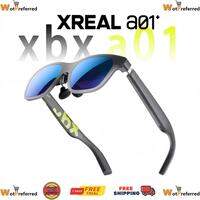
XREAL xbx a01+ Smart AR Glasses Supports HDR10 1600nits Brightness 50° FOV for Movie Watching Gaming
₱18,446.05₱24,374.00
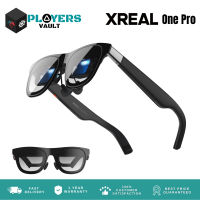
XREAL One Pro AR Glasses – Mixed Reality Headset with Built-in X1 Chip Sony 0.55″ Micro-OLED (120 Hz 700 nits) 57° FOV Native 3DoF USB-C – Compatible with Android Steam Deck MacBook Windows – Gaming & Productivity
₱38,590.00₱42,590.00
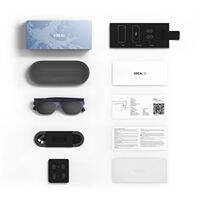
XREAL 1S AR Glasses Instant 2D to 3D 500″ Virtual Screen Smart Glasses with 52° FOV Native 3DoF Spatial Screen 120Hz Refresh Rate Powered by X1 Chip Supports All USB-C DP Devices
₱29,732.23₱35,753.00
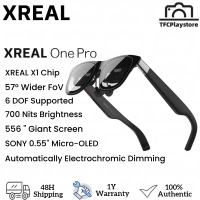
XREAL One Pro Smart AR Glasses Native 3DoF 120Hz Highest Refresh Rate 57° FOV Ultra-wide Curved Display Auto Electrochromic Sound By Bose
₱37,730.66₱43,900.00
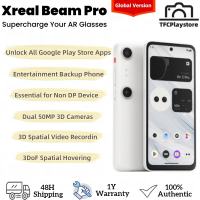
【Global Version】XREAL Beam Pro AR Spatial Computing Terminal True 3D Spatial Video Recording 3DoF Spatial Large Screen Compatible With Air Series Glasses
₱15,899.00₱21,124.00
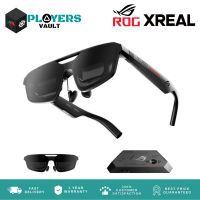
ROG XREAL R1 Gaming AR Glasses - 171″ FHD 240Hz 0.01ms with Sound by Bose for ROG Ally and PC
₱74,990.00₱79,990.00
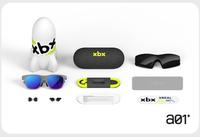
XREAL xbx a01+ Smart AR Glasses 62g Ultra Light HDR10 1600nits 14-speed Brightness Adjustment 50°FOV 120Hz Real-Time AI SDR-to-HDR Conversion Personal Theater Gaming
₱19,090.00₱30,576.00
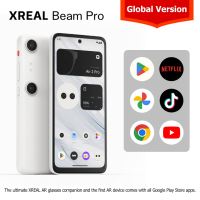
【Global】XREAL Beam Pro Projection Box Spatial Computing Terminal True 3D Spatial Video Shooting 3DoF Spatial Large Screen Compatible With Air Series Glasses
₱17,396.94₱22,988.00
About Xreal
Overview
-
Company name: XREAL
-
Former name: Nreal (2017–2023)
-
Founded: 2017
-
Founder: Chi Xu
-
Headquarters: Beijing
-
Industry: Consumer Electronics, Augmented Reality (AR), Spatial Computing
-
Products: AR glasses, spatial computing devices, accessories, software platforms
-
Markets: Over 40 countries and regions worldwide
-
Website: XREAL Official Website
History
XREAL was founded in 2017 under the name Nreal by Dr. Chi Xu, a former engineer with experience in computer vision and mixed reality technologies. The company’s goal was to make augmented reality practical by developing glasses that resemble everyday eyewear rather than bulky headsets. [1]
In 2019, Nreal introduced the Nreal Light at CES, becoming one of the first companies to demonstrate lightweight consumer AR glasses.
In 2023, the company officially changed its brand name from Nreal to XREAL, citing trademark considerations and a broader global branding strategy. [1]
Mission
XREAL describes its mission as making “AR for All”, with a focus on making spatial computing accessible through lightweight hardware, advanced optics, and AI-powered experiences. The company has expanded beyond display hardware into broader spatial computing and wearable AI platforms. [1]
Products
XREAL Air Series
The Air series is the company’s best-known product family.
Features include:
-
OLED micro-displays
-
USB-C connectivity
-
Virtual screens for phones, PCs, and gaming consoles
-
Lightweight design
-
Entertainment and productivity applications
Major releases include:
-
XREAL Air
-
XREAL Air 2
-
XREAL Air 2 Pro
-
XREAL Air 2 Ultra [1]
XREAL One Series
Introduced as a next-generation platform featuring the company’s custom X1 Spatial Computing Chip, enabling improved tracking, lower latency, and enhanced spatial interaction directly on the glasses. [1]
XREAL Beam
The Beam is a portable computing accessory that adds spatial display capabilities, screen anchoring, and motion stabilization to compatible XREAL glasses. It serves as a bridge between source devices and the AR glasses. [1]
XREAL Beam Pro
Released in 2024, Beam Pro combines Android functionality with stereoscopic cameras for capturing spatial photos and videos while acting as a dedicated spatial computing terminal. [1]
Software
Nebula
Nebula is XREAL’s software platform that provides:
-
Multiple virtual monitors
-
Spatial desktop environments
-
AR applications
-
Head tracking
-
Developer tools
It is available for supported Android, Windows, and macOS devices, with features varying by platform. [1]
Technology
XREAL develops much of its technology in-house, including:
-
Optical waveguide and BirdBath display systems
-
Micro-OLED display integration
-
Spatial tracking algorithms
-
Custom silicon (X1 chip)
-
Optical engines such as the X Prism
-
AI-assisted spatial computing technologies [1]
Partnerships
XREAL collaborates with several major technology companies.
Notable partnerships include:
-
Google — collaboration on Android XR reference hardware (Project Aura).
-
ASUS — co-development of ROG XREAL R1 gaming AR glasses.
-
Sony — Micro-OLED display technology used in several products. [1]
Market Position
According to the company and industry research it cites, XREAL has ranked among the leading consumer AR glasses brands by revenue in recent years and has expanded its retail presence across more than 40 countries. [1]
Product Timeline
| Year | Milestone |
|---|---|
| 2017 | Nreal founded |
| 2019 | Nreal Light unveiled at CES |
| 2020 | Established dedicated AR optical manufacturing facility |
| 2021 | Released XREAL Air and Nebula platform |
| 2022 | Became a leading consumer AR glasses brand by revenue (company-cited industry data) |
| 2023 | Rebranded from Nreal to XREAL; launched Air 2 series and Beam |
| 2024 | Released Beam Pro, Air 2 Ultra, and XREAL One |
| 2025 | Introduced One Pro and announced Project Aura with Google |
Product Ecosystem
XREAL’s ecosystem includes:
-
AR glasses
-
Computing accessories
-
Spatial operating software
-
AI-powered wearable technologies
-
Developer SDKs
-
Enterprise and consumer applications [1]
Primary Use Cases
XREAL products are commonly used for:
-
Portable virtual monitors
-
Movie watching
-
Gaming
-
Remote work
-
Multi-monitor productivity
-
3D media viewing
-
Spatial computing
-
Software development for AR applications [1]
Vision
The company positions itself as a builder of the next generation of personal computing, where lightweight AR glasses, AI, and spatial interfaces can serve as alternatives or complements to traditional smartphones, laptops, and monitors. Its long-term strategy emphasizes wearable AI and spatial computing rather than conventional display hardware alone. [1]