Shop on Lazada
Yomerto products

Universal SUV Car Roof-Top Rack Roof Rack Crossbars For Kayak Cargoline Snowboarding TXl6 Luggage Rack
₱2,585.00₱4,598.00
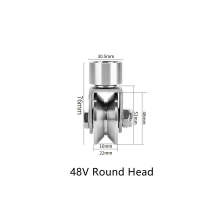
YOMERTO 304 Stainless Steel 48/V/U Roller For Sliding Gate Groove Swivel 360° Rotational Sliding Gate Roller Wheel Heavy Duty
₱588.00₱2,388.00
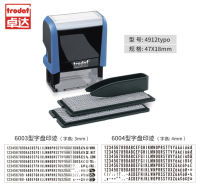
YOMERTO Trodat Customizable Message or Address Stamp Rubber Stamp Kit Plastic Personalised Customised Self Inking Stamp for Business Address Name DIY Stamping Decor
₱750.00₱1,564.00
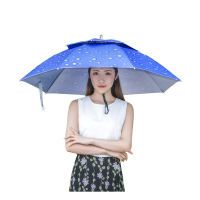
Hand Free Ultralight Adjustable Double-layered Sunshade Umbrella Hat for Outdoor Fishing and Camping
₱335.00₱528.00

DIY CO2 Generator System Kit with Pressure Gauge Air Flow Adjustment Valve Water Plant Aquarium Carbon Dioxide Diffuser CO2 Diffuser
₱1,045.00₱1,433.00
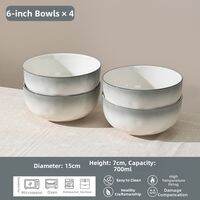
Yomerto | Home Use Aesthetic Ceramic Bowls Underglaze Color
₱1,285.79₱2,892.53

Car Magnetic Adsorption Reading Light USB Charging LED Light Portable Round Universal Rechargeable Wireless Interior Lamp Touch Type Car Interior Night Light
₱445.00₱699.00
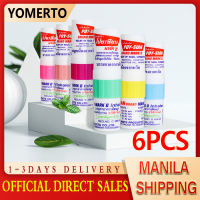
YOMERTO Thailand Original Poy Sian 2in1 Inhaler Peppermint Refreshing (Pack of 6)
₱199.00₱799.00
About Yomerto
Overview
Yomerto (Chinese: 悠米兔) is a Chinese lifestyle brand specializing in daily-use ceramics, tableware, and home dining products. Headquartered in Jingdezhen, Jiangxi Province, the brand is affiliated with Jingdezhen Yijiang Ceramics Co., Ltd. and operates primarily through e-commerce channels.12 Originally known for creative, hand-painted, and cartoon-style tableware, Yomerto has expanded its product line to include Chinese, Japanese, European, and Nordic-inspired bowls, plates, cups, bakeware, and kitchen accessories.1
The brand is positioned as a design-oriented, mid-range homeware label that emphasizes modern aesthetics and practical functionality over traditional collectible porcelain. It targets young families, urban renters, and consumers seeking aesthetically pleasing yet affordable table settings for everyday use.23
History and Origins
Yomerto was established around 2013, although some sources cite 2014, which may correspond to a specific phase of formal operations or e-commerce expansion.2 The brand emerged from Jingdezhen, a city historically renowned as China’s premier ceramics production hub. Unlike traditional heritage brands, Yomerto was founded by a team of young entrepreneurs who launched the business via online flagship stores rather than brick-and-mortar retail.1
This origin story reflects a distinctively modern commercial trajectory common among contemporary Chinese homeware brands. Starting with an online storefront, the company leveraged consumer feedback and order volume to gradually build out its team, supply chain, and warehousing capabilities. Over time, it expanded its presence across major platforms including JD.com, Taobao, Tmall, Douyin, Kuaishou, and Xiaohongshu.1 This model differs significantly from traditional ceramic enterprises that typically rely on physical department stores and wholesale distributors.
Products and Design Philosophy
Product Range
While initially focused on ceramic tableware, Yomerto has evolved into a comprehensive kitchen and home lifestyle brand. As listed on its official JD.com flagship store, current product categories include:3
- Tableware sets
- Traditional Chinese tableware
- Nordic-style luxury tableware
- Japanese-style tableware
- European-style tableware
- Bowls and plates
- Creative novelty dishware
- Stew pots and casseroles
- Bakeware, roasting pans, and gratin dishes
- Children’s bowls, plates, and cutlery
- Drinkware and glassware
- Cutlery, chopsticks, and spoons
- Placemats and kitchen gadgets
- General household items
Aesthetic Approach
Yomerto does not adhere to a single visual identity but instead offers a wide spectrum of styles suited to diverse home interiors. These range from minimalist Japanese wabi-sabi and ornate European dinnerware to playful cartoon motifs and traditional Chinese patterns.3 This multi-style strategy aligns with e-commerce shopping behaviors, where consumers often search for items matching specific decor themes rather than brand loyalty alone.
Early in its history, the brand distinguished itself through original, youthful designs featuring elk motifs, hand-painted florals, princess themes, and pure white minimalist pieces.1 This approach contrasted sharply with the classical blue-and-white porcelain typically associated with Jingdezhen, repositioning ceramics as accessible, trendy lifestyle goods for younger demographics.
Brand Ethos
The brand’s stated philosophy centers on enhancing everyday dining experiences. Its official messaging emphasizes attention to the “small moments” of meal preparation and family life, aiming to imbue ordinary meals with a sense of ritual and beauty through thoughtfully designed vessels.3
Materials and Manufacturing
Historical brand materials have highlighted the use of bone china, underglaze and in-glaze decoration techniques, and high-temperature firing processes to achieve durability, translucency, and lightweight construction.1 Many current product listings continue to feature “underglaze color” as a key selling point.3
However, Yomerto’s extensive catalog now encompasses various materials beyond bone china, including standard ceramics, glass, and other composites. Material specifications vary by product line, and not all items are bone china. Consumers are advised to verify material details on individual product pages.
Origin and Supply Chain Controversy
In 2022, the Xihu District Market Supervision Administration in Nanchang, Jiangxi Province, penalized Jingdezhen Yijiang Ceramics Co., Ltd. for unfair competition. The regulatory body found that certain daily-use ceramics sold through the Tmall “Yomerto Flagship Store” were marketed as originating from Jingdezhen but were actually sourced from suppliers in Chaozhou, Guangdong. The company was ordered to cease the misleading claims and fined 200,000 RMB.
This incident indicates that while Yomerto is headquartered in Jingdezhen and utilizes local industrial resources, not every product bearing the brand name is manufactured there. Like many modern e-commerce-native homeware brands, Yomerto’s design, branding, warehousing, and manufacturing operations may be geographically distributed. The penalty pertained specifically to mislabeled origin claims for certain SKUs and does not negate the brand’s overall ties to the Jingdezhen ceramics industry.
Sales Channels and Market Position
Yomerto is fundamentally an e-commerce-native brand. Its primary sales channels include JD.com, Taobao/Tmall, Douyin, Kuaishou, and Xiaohongshu.3 The brand maintains an official flagship store on JD.com, and corporate recruitment materials consistently identify major online platforms as core revenue drivers.
In the broader Chinese tableware market, Yomerto occupies the mass-to-mid-tier segment. It competes primarily with other design-forward online homeware brands rather than high-end art porcelain makers or luxury importers. Key competitive attributes include visual appeal, functional utility, accessible pricing, style variety, and suitability for both daily use and gifting occasions such as housewarmings and weddings.23
Target Demographics
Yomerto’s core audience comprises several overlapping consumer segments:
- Young Families: Households seeking tableware that coordinates with modern kitchen and dining room aesthetics.
- Female Consumers: Individuals interested in home styling, table setting, and lifestyle curation.
- Urban Renters and Solo Dwellers: Budget-conscious consumers looking to elevate their living spaces with affordable design.
- Newlyweds and New Homeowners: Buyers purchasing tableware sets and gift boxes for milestone occasions.3
- Social Media Users: Consumers influenced by visual content on platforms like Xiaohongshu and Douyin, where photogenic table settings drive engagement.
Evolution and Current Status
Yomerto’s development can be categorized into three phases:
- Creative Ceramic Tableware: Establishment of brand identity through original, youthful, and cartoon-inspired designs.1
- Complete Table System: Expansion into coordinated sets of bowls, plates, cups, and cutlery for varying household sizes.
- Lifestyle Brand: Diversification into bakeware, glassware, children’s products, kitchen tools, and home organization items.3
As of 2026, Yomerto continues to operate its official JD.com flagship store with a broad product assortment including underglaze tableware, Japanese and European-style dishware, bakeware, and children’s items.3 Recent indications suggest further expansion into glass drinkware and general home living goods, signaling a strategic shift from a pure ceramics label toward a holistic kitchen and home lifestyle brand.
Naming Conventions
The brand appears in various forms across digital sources, including “Yomerto,” “YOMERTO,” and the Chinese names “悠米兔” and “莜米兔.” While “悠米兔” is the most commonly used Chinese designation among consumers, some databases list “莜米兔.”2 These variations refer to the same entity and should not be confused as separate brands. For consistency, “Yomerto (悠米兔)” is the preferred reference in formal contexts.
Comparison with Traditional Jingdezhen Brands
| Dimension | Traditional Jingdezhen Brands | Yomerto |
|---|---|---|
| Core Value | Craftsmanship, history, collectibility | Design, utility, lifestyle aesthetics |
| Primary Consumers | Collectors, traditional porcelain enthusiasts | Young families, mass-market consumers |
| Style | Classical, Eastern | Multi-style, youth-oriented |
| Sales Channel | Offline retail, distributors, exhibitions | E-commerce centric |
| Product Focus | Artware, high-end porcelain, daily-use ceramics | Daily tableware and home goods |
| Purchase Driver | Cultural heritage and craft | Aesthetics, function, value |
| Product Cycle | Relatively traditional | Fast, e-commerce-driven updates |
Yomerto represents a commercial model that adapts Jingdezhen’s ceramic heritage for contemporary, digitally native consumers, prioritizing accessibility and modern design over traditional prestige.