Shop on Lazada
Absolut products
Absolut Vodka 1L
₱999.00
Buy on Lazada
Absolut Vodka Blue 1l
₱875.76₱984.00
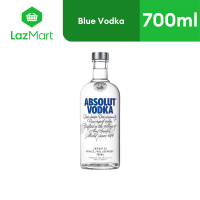
Absolut Vodka Blue 700ml
₱608.88₱708.00
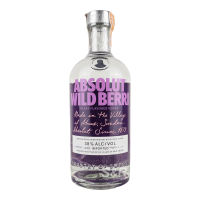
Absolut Wild Berri Flavored Vodka 700mL
₱787.00
Buy on Lazada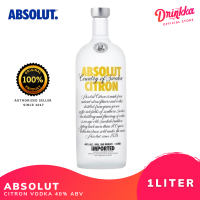
Absolut Citron 1L Lemon Flavored Vodka | Drinkka
₱1,117.00₱1,699.00
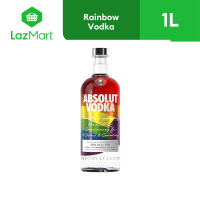
Absolut Vodka Rainbow 1L
₱964.92₱1,122.00
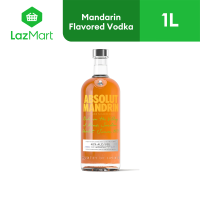
Absolut Vodka Mandrin 1l
₱1,076.94₱1,158.00
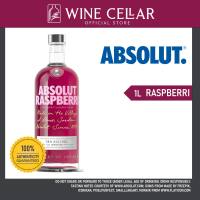
Absolut Raspberri Vodka 1L
₱1,203.30₱1,804.96
About Absolut
Absolut is a Swedish premium vodka brand distinguished by its clear, apothecary-inspired bottle, Swedish production heritage, and extensive association with contemporary art, design, music, fashion, and creative advertising. Launched internationally in 1979 with an initial focus on the United States, it evolved from a Swedish export project into one of the world’s most recognised vodka brands. Absolut is currently owned by Pernod Ricard and is produced in and around Åhus, Skåne, Sweden. 1
Overview
| Attribute | Details |
|---|---|
| Brand | Absolut |
| Product category | Vodka / spirits |
| Country of origin | Sweden |
| International launch | 1979 |
| Production base | Åhus, Skåne, Sweden |
| Owner | Pernod Ricard |
| Parent company | The Absolut Company / Pernod Ricard |
| Key ingredients | Swedish winter wheat and local water |
| Signature packaging | Clear, apothecary-style glass bottle |
| Brand positioning | Premium, creative, contemporary, Swedish |
| Famous campaign | “Absolut Perfection” |
| Major cultural association | Art, design and creative expression |
| Global reach | Sold in more than 140 markets |
The Absolut Company describes Absolut as a premium vodka produced according to a “seed to bottle” philosophy, wherein wheat and water are sourced locally in southern Sweden while distillation and bottling occur in and around Åhus. 2
Origins and historical background
Although the modern Absolut brand dates from the late 20th century, its history traces back to Lars Olsson Smith, a 19th-century Swedish entrepreneur and spirits producer.
In the 1870s, Smith developed a continuous-distillation technique that allowed vodka to be distilled continuously rather than through a limited number of separate distillations. In 1879, he introduced a spirit known as Absolut Rent Brännvin, meaning “Absolutely Pure Vodka/Spirit”. This historical product served as the inspiration for the modern Absolut brand. 3
Smith’s portrait remains integral to the visual identity of Absolut; his likeness appears on the medallion associated with the bottle. Consequently, the connection is more than a marketing invention, as modern Absolut deliberately presents itself as the continuation of a Swedish distilling tradition originating with Smith.
Creation of the modern Absolut brand
The modern narrative began in the 1970s when Sweden’s state-owned spirits organisation, Vin & Sprit, sought opportunities to revive and expand Swedish spirits production.
As domestic demand for strong spirits in Sweden had declined, vodka presented significant potential as a premium product in the United States. The company therefore developed a Swedish vodka specifically designed for international export. 4
Differentiation posed a major challenge. While premium spirits packaging at the time often emphasised elaborate decoration, gold, silver, and luxury cues, Absolut adopted the opposite approach. Its designers created a relatively simple, transparent bottle inspired by an old Swedish pharmacy bottle. 5 This decision became one of the most critical elements of the brand’s identity.
Spelling of the name
A notable detail of the brand is its spelling. The original concept considered names such as “Absolute Pure Vodka”. However, trademark considerations rendered “Absolute” unsuitable for the U.S. market, leading the company to adopt the Swedish spelling:
Absolut
The word “Pure” was also removed from the proposed name for legal reasons. The final product was marketed as Absolut Vodka, with “Country of Sweden” prominently associated with the packaging. 6 This provided the brand with a name that sounded international while retaining an explicitly Swedish identity.
The iconic Absolut bottle
The bottle is arguably as significant to Absolut as the vodka itself. Rather than concealing the liquid behind elaborate packaging, Absolut uses a transparent glass bottle with a silhouette inspired by an 18th-century Swedish medicine bottle. 7
Several features became central to its identity:
- Clear glass
- Short, broad shoulders
- Apothecary-style silhouette
- Minimalist labelling
- Blue Absolut typography
- A medallion featuring Lars Olsson Smith
- Strong emphasis on Swedish provenance
The bottle effectively functioned as a blank creative canvas, which later proved crucial to Absolut’s advertising strategy. Although the packaging has been modernised over the years, the fundamental silhouette has remained recognisable. In the 2021–22 redesign, Absolut retained the iconic shape while making the brand’s Swedish provenance, ingredients, production information, and “One Source” philosophy more visible. 6
The 1979 American launch
Absolut Vodka was introduced to the American market in 1979. The first shipments arrived in April 1979, consisting of 700 cases—approximately 6,300 litres of vodka—to Boston. The product subsequently gained attention within New York’s cocktail culture and among creative communities. 8
The United States was particularly significant because vodka was already established there as a premium spirits category. Absolut’s Swedish origin, unusual bottle, and modern advertising afforded it a distinctive position against established vodka brands. This American launch eventually transformed Absolut from a relatively small Swedish export into an international brand.
“Absolut Perfection” and the advertising revolution
Perhaps the most significant chapter in Absolut’s history is its advertising. In 1980, Absolut launched its renowned “Absolut Perfection” campaign. The concept was straightforward: place the recognisable bottle at the centre of an imaginative visual and connect it with a short phrase beginning with “Absolut”. 9
Rather than repeatedly altering the basic advertising concept, Absolut turned the concept itself into a creative platform. The bottle could become:
- a work of art;
- a city skyline;
- a cultural symbol;
- a fashion object;
- a visual illusion;
- a reference to cinema;
- a political or social metaphor;
- or simply an amusing visual joke.
According to The Absolut Company, the campaign eventually produced around 1,500 advertisements over 25 years. 10 This consistency established the bottle itself as a recognisable advertising icon.
Absolut and contemporary art
Absolut’s relationship with art is a defining characteristic of the brand. In 1985, Absolut collaborated with Andy Warhol, who created an artwork based on the Absolut bottle. This collaboration helped establish the concept of treating commercial advertising as a form of contemporary visual culture. 11
Following Warhol, Absolut collaborated with hundreds of artists and creatives. The resulting Absolut Art Collection grew to more than 850 works, featuring contributions from figures in contemporary and pop art, as well as designers and other creative disciplines. The collection is now associated with Stockholm’s Spritmuseum. 12
Strategically, this was significant because Absolut was not merely advertising with art; it increasingly positioned the brand as a participant in the art world. This distinction helped Absolut develop an identity considerably broader than that of a typical vodka company.
Absolut as a cultural brand
Over time, Absolut deliberately expanded its cultural positioning. Its collaborations have included:
- visual artists;
- musicians;
- designers;
- fashion creatives;
- photographers;
- filmmakers;
- chefs;
- other consumer brands.
The company’s current brand philosophy explicitly emphasises creativity, open-mindedness, and challenging conventional perspectives. 13 This explains why Absolut’s advertising has historically differed from conventional liquor advertising. Rather than primarily selling a lifestyle associated with wealth, masculinity, nightlife, or luxury, Absolut has often attempted to sell an idea of creativity itself. Its implicit message is essentially that Absolut is a canvas for creative expression.
Product and production
Absolut vodka is produced in and around Åhus in southern Sweden. The company emphasises a vertically integrated “One Source” production philosophy, meaning key raw materials and the production process remain concentrated in the same region. 14
Swedish winter wheat
The wheat is sourced from farms around southern Sweden. Winter wheat is planted before winter and harvested the following year.
Water
Absolut uses water from a local deep-water source in the Åhus region.
Continuous distillation
The production philosophy traces itself back to the continuous-distillation approach associated with L.O. Smith. Absolut states that its modern production continues to use a process based on this heritage. 15
This geographical concentration is vital to Absolut’s branding because Sweden is not merely the country where the company originated; it is part of the product’s identity.
Flavoured Absolut
Absolut expanded significantly beyond its original unflavoured vodka. The brand became particularly prominent in the flavoured-vodka category, introducing products using fruit and other flavour profiles. The company states it was the first spirits brand to export premium flavoured vodka to the United States in 1986. 16
Its portfolio has subsequently included numerous flavoured expressions, with offerings varying by market and period. This strategy allowed Absolut to appeal not only to traditional vodka drinkers but also to cocktail consumers seeking specific flavour combinations.
Absolut and cocktails
Absolut has played a significant role in modern cocktail culture. Its vodka has been associated with cocktails including the:
- Cosmopolitan
- Vodka Martini
- various fruit-flavoured vodka cocktails
- contemporary mixed drinks and long drinks
The brand’s own history describes its vodka as a foundation for many cocktails developed by professional mixologists. 17 This is central to Absolut’s positioning: the vodka is frequently marketed not only as a spirit to drink neat but as a mixing spirit and creative ingredient.
Relationship with LGBTQ+ culture
Absolut has a notable history of LGBTQ+ marketing. The company states it began advertising in LGBTQ+-oriented publications as early as 1981, at a time when many mainstream brands were reluctant to associate themselves openly with gay consumers. 18
This became part of the brand’s broader positioning around openness, individuality, and diversity. Over subsequent decades, Absolut utilised campaigns and collaborations addressing LGBTQ+ themes and became associated with Pride and LGBTQ+ cultural events in various markets. This aspect aligns with a larger strategic idea: Absolut attempts to associate itself with communities that challenge cultural conformity.
Ownership by Pernod Ricard
A major corporate milestone occurred in 2008 when Absolut became part of the French spirits group Pernod Ricard following Pernod Ricard’s acquisition of Vin & Sprit. Absolut remains part of the Pernod Ricard portfolio today. 19
This placed Absolut alongside other major international spirits brands within one of the world’s largest alcoholic-beverage groups. However, the brand’s Swedish production identity remained central.
Global scale
Absolut has evolved from a Swedish export into a global spirits brand. The Absolut Company currently states that Absolut Vodka is available in more than 140 markets and that more than 12 million nine-litre cases are sold worldwide annually. 20
Its global recognition is notable because the brand has maintained a highly consistent visual identity despite operating across many different markets. The word “Absolut”, the transparent bottle, and the distinctive typography are intended to make the product recognisable almost immediately.
Sustainability
Sustainability has become an increasingly important component of Absolut’s corporate identity. The company states its distillery is fossil-free and that it works with local wheat farmers on more sustainable agricultural practices. 21
Packaging has also been modified to reduce environmental impact. According to Pernod Ricard, the 2022 bottle redesign used more than 50% recycled clear glass. 22 The company’s “One Source” philosophy also provides a relatively straightforward sustainability narrative, as production is concentrated geographically rather than spread across multiple unrelated sources.
Modern collaborations
Absolut continues to utilise collaboration as a major marketing tool. Recent examples include partnerships and limited editions involving:
- Andy Warhol
- Olly Alexander
- Heinz
- Sprite / The Coca-Cola Company
- Ocean Spray
For instance, Absolut and Sprite launched a ready-to-drink collaboration in 2024, while an Absolut/Ocean Spray cranberry product was also introduced that year. 23 The Warhol relationship has also been revived through new limited-edition packaging based on the rediscovery of Warhol’s “Absolut Blue” artwork.
Brand identity
Absolut’s identity can be understood through several interconnected ideas:
🇸🇪 Swedishness
Sweden is presented as a source of authenticity, purity, design, and originality.
🎨 Creativity
The bottle functions as a creative canvas, while advertising and collaborations continuously reinterpret it.
🧠 Open-mindedness
The brand traditionally positions itself as welcoming alternative perspectives and challenging conventional thinking.
🧴 Distinctive design
The bottle is recognisable even without extensive branding.
🍸 Mixability
Absolut emphasises cocktails and bartending culture rather than presenting vodka solely as a product to drink neat.
🌍 Global culture
Although strongly Swedish in origin, Absolut deliberately connects itself with international art, music, fashion, and popular culture.
Factors in Absolut’s success
Absolut’s success is particularly interesting from a branding perspective because its competitive advantage was not based solely on the liquid inside the bottle. The company essentially built three products simultaneously:
- A vodka: A Swedish premium spirit made in Åhus.
- An object: The transparent pharmacy-inspired bottle became an instantly recognisable design object.
- A cultural idea: “Absolut” became a platform for art, creativity, design, and cultural commentary.
The third component is arguably the most important. While many spirits brands advertise their product, Absolut built a recognisable creative language around its product. The same bottle could appear in thousands of different contexts while remaining unmistakably Absolut.
Major milestones
| Year | Event |
|---|---|
| 1879 | L.O. Smith introduces his “Absolut Pure” spirit and continuous-distillation method. |
| 1970s | Vin & Sprit develops a new premium Swedish vodka for export. |
| 1979 | Absolut Vodka launches in the United States. |
| 1980 | “Absolut Perfection” advertising campaign begins. |
| 1981 | Absolut begins advertising in LGBTQ+-oriented publications. |
| 1985 | Andy Warhol creates his famous Absolut bottle artwork. |
| 1986 | Absolut enters the premium flavoured-vodka market in the U.S. |
| 1990s | Absolut’s art and advertising collaborations expand internationally. |
| 2007 | “In an Absolut World” global campaign launches. |
| 2008 | Pernod Ricard acquires Vin & Sprit and Absolut. |
| 2021–22 | Major bottle redesign emphasises heritage and provenance. |
| 2023 | Absolut continues high-profile cultural collaborations, including Heinz and Olly Alexander projects. |
| 2024 | Absolut launches collaborations including Sprite and Ocean Spray; Warhol’s legacy is revisited through new limited-edition packaging. |
| Today | Absolut remains a globally distributed Pernod Ricard premium vodka brand. |
Significance in advertising history
Absolut is often studied not simply as a beverage brand but as a case study in brand-building and advertising. Its most important innovation was arguably the decision to make the product’s physical packaging the permanent protagonist of its advertising.
Instead of stating, “This is the lifestyle you should have if you drink Absolut,” the brand’s advertising often effectively communicated: “Here is the Absolut bottle. Now imagine what else it can become.”
That approach allowed Absolut to remain visually consistent while constantly changing creatively. The strategy also explains why Absolut could work with artists as diverse as Andy Warhol and later generations of contemporary creatives without losing its identity; the bottle provided the common visual denominator.
Overall assessment
Absolut is more than a Swedish vodka brand; it is a particularly influential example of design-led, culture-led branding. Its history combines Swedish distilling heritage → internationalisation → iconic packaging → groundbreaking advertising → contemporary art → cultural partnerships → global premium spirits.
The brand’s enduring strength derives from the unusual combination of product authenticity and cultural flexibility. Its vodka remains tied to a specific place—Åhus and southern Sweden—while its visual identity can be reinterpreted virtually anywhere in the world. In this sense, the defining achievement of Absolut has been turning a bottle into a brand symbol, and a brand symbol into a cultural platform.
References
- Absolut Vodka | The Absolut Company
- The Story Behind Absolut’s Bottle and Brand – Absolut Vodka
- Frequently Asked Questions | Absolut Vodka
- The story of the Absolut bottle and brand – Absolut Vodka
- Absolut Pays Homage to its Mixing Heritage with Biggest Ever Design and Flavour Shake-Up | Pernod Ricard
- Absolut Vodka New Bottle Design – Absolut Vodka
- Advertising
- Vodka & Spirits – Absolut Vodka
- Absolut Vodka brand kit – The Absolut Company
- Elyx Vodka brand kit – The Absolut Company
- Elyx Vodka 750 ML packshot – The Absolut Company
- ABSOLUT VODKA LAUNCHES NEW LIMITED-EDITION BOTTLE CELEBRATING THE POWER OF MIXING TO DRIVE PROGRESS | Pernod Ricard
- Elyx Vodka – Absolut Vodka
- Flavored Vodka – Absolut Vodka
- Leading with Pride – Absolut Vodka
- Flavored Vodka – Absolut Vodka
- Flavors Portfolio – Absolut Vodka
- Absolut Elyx
- Flavoured Vodka Range | Absolut Australia
- Absolut One Source Story – Absolut Vodka
- The story
- Flavors
- Absolut | Pernod Ricard