Shop on Lazada
Anycast products
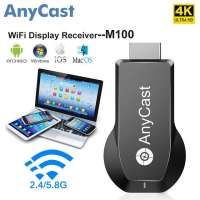
Original Anycast M100 4K Wireless WiFi Chrome cast Miracast DLNA Airplay TV Dongle HDMI- Compatible with Google Home & Chrome
₱1,053.37₱1,712.00
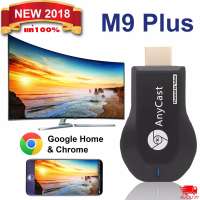
Anycast M9 Plus 2025 HDMI WIFI Display Mirroring Cast Screen AirPlay DLNA MiracastrPlay DLNA Miracast
₱450.00₱899.00
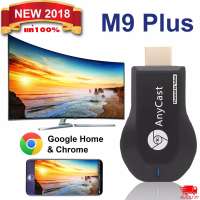
BLUE0.3 2026 AnyCast M4 Plus/AnyCast M9 Plus Mirascreen TV Stick WiFi Dongle Receiver 1080P Display HDMI DLNA Airplay Miracast
₱450.00₱899.00
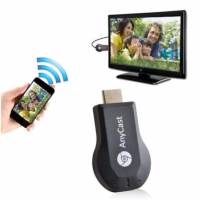
AnyCast Miracast 1080P M4 Plus Wifi HDMI Display Dongle Receiver DLNA TV
₱330.00₱999.00
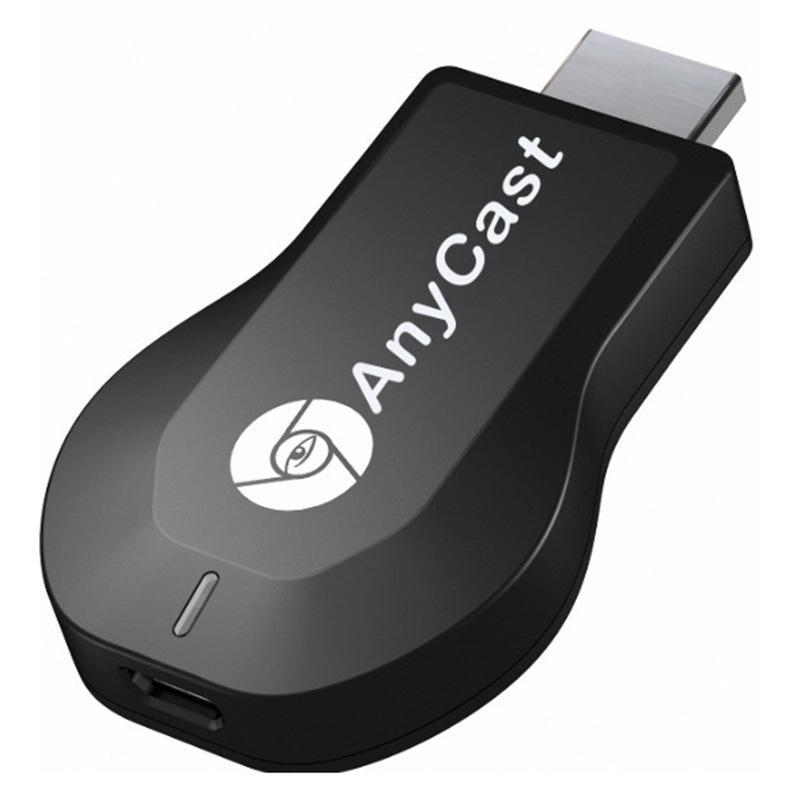
Original AnyCast M4 Plus HD 1080P WIFI HDMI Dongle Receiver(Black)
₱468.00₱1,600.13
About Anycast
Anycast is a consumer electronics brand best known for producing wireless display receivers, commonly referred to as HDMI dongles. These devices enable users to mirror or cast content from smartphones, tablets, and computers onto larger displays such as televisions, projectors, and monitors. The brand focuses on providing affordable wireless screen-mirroring solutions suitable for home entertainment, education, business presentations, and general use.1
Note: The term “Anycast” is also used in networking terminology to describe anycast routing and may refer to unrelated products or companies. This article specifically addresses the Anycast wireless display device brand.
Overview
| Category | Details |
|---|---|
| Brand name | Anycast |
| Industry | Consumer electronics / wireless display technology |
| Main products | HDMI wireless display receivers, screen-mirroring dongles |
| Product type | Plug-and-play casting adapters |
| Target users | Home users, students, offices, presenters, travellers |
| Supported platforms | Android, iOS, Windows, macOS |
| Main technologies | Miracast, AirPlay mirroring, DLNA |
| Companion software | EZMira app |
| Connection method | Wi-Fi-based wireless display |
History and background
The Anycast brand emerged during the expansion of wireless screen-mirroring technology, a period when consumers increasingly sought cost-effective alternatives to traditional wired HDMI adapters. Rather than requiring direct cable connections between phones or laptops and televisions, Anycast developed compact HDMI dongles capable of receiving wireless video and audio signals for display on larger screens. This approach aligns with broader industry trends established by devices such as Google Chromecast and other wireless display adapters.
Publicly available information regarding the founding company, ownership structure, and early history of Anycast is limited. The brand is primarily recognised through its product ecosystem and online support resources rather than a widely documented corporate history.1
Product line
The primary product category for Anycast is the wireless display receiver.
Anycast M Series
The M-series represents the brand’s mainstream HDMI display adapters.
- Anycast M9: Designed for HD wireless screen mirroring, this model supports Android and iOS devices and features compatibility with Miracast, AirPlay mirroring, and DLNA.
- Anycast M100: A newer wireless display model advertised with 4K output capability. It supports multiple operating systems and various screen-mirroring methods.1
Anycast K Series
The K-series focuses on cross-platform compatibility.
- Anycast K4: Designed to mirror smartphones, tablets, and PCs to HDMI displays. It supports iOS, Android, and computer platforms using wireless display standards such as Miracast, AirPlay, and DLNA.
Technology
Miracast
Miracast is a wireless display standard commonly utilised by Android devices and Windows computers, allowing a device screen to be transmitted directly to a compatible receiver. Anycast devices incorporate Miracast support to facilitate screen duplication for Android and Windows users.1
Apple AirPlay compatibility
For Apple users, Anycast supports AirPlay mirroring. This functionality allows iPhones, iPads, and Macs to mirror their screens to an HDMI-connected display.
DLNA
DLNA support enables compatible devices to share multimedia content, including photos, videos, and music, over a network.
EZMira application
Many newer Anycast products are compatible with the EZMira companion application. This software assists users in configuring the device, connecting to Wi-Fi, updating firmware, and managing mirroring features.
How Anycast works
A typical Anycast setup involves the following steps:
- Connecting the Anycast dongle to a television, monitor, or projector via HDMI.
- Supplying power to the device through USB.
- Connecting the smartphone or computer to the Anycast wireless network.
- Selecting the screen mirroring or casting option on the source device.
- Displaying the device screen on the larger external display.
Main features
Wireless screen mirroring
The core function of Anycast is converting a standard HDMI display into a wireless display. Users can mirror various content types, including mobile phone screens, laptop screens, presentations, photos, videos, games, and documents.2
Multi-platform support
Anycast products are designed to operate with Android smartphones and tablets, iPhones and iPads, Windows computers, and macOS devices.
Compact design
Anycast dongles are small HDMI devices engineered for portability. Their compact form factor makes them suitable for travel, classroom use, meeting rooms, and temporary presentations.
Affordable alternative
Compared to premium streaming platforms, Anycast products generally target budget-conscious users who require screen duplication functionality rather than a comprehensive smart TV ecosystem.
Common uses
Home entertainment
Users can display YouTube videos, personal photos, home videos, and mobile games on larger screens.
Business presentations
Anycast can be utilised in meeting rooms to wirelessly present slides, documents, reports, and demonstrations.
Education
Teachers and students can use wireless projection for online lessons, classroom demonstrations, and training materials.
Gaming
Mobile games can be displayed on larger screens, although performance is dependent on Wi-Fi conditions and device latency.
Advantages
Low cost
Anycast devices are typically priced lower than many branded streaming platforms.
Broad compatibility
Support for multiple standards allows usage across different operating systems.
Simple installation
The HDMI dongle design eliminates the need for complicated hardware installation.
Portability
The small size facilitates easy transport between locations.
Limitations
Streaming service restrictions
Anycast is primarily designed for screen mirroring rather than functioning as a complete streaming platform. Some protected streaming services may not work due to digital rights management (DRM) restrictions.
Performance dependence on network conditions
Wireless display quality is influenced by Wi-Fi signal strength, distance from the router or device, interference, and source device performance.
Not a full smart TV system
Unlike dedicated streaming devices, Anycast generally does not provide its own operating system, app store, or standalone streaming ecosystem.
Competition
Anycast competes in the wireless display adapter market against products such as Google Chromecast devices, Amazon Fire TV devices, Apple TV, and generic Miracast and HDMI wireless adapters. Unlike these platforms, Anycast focuses primarily on screen mirroring rather than content streaming ecosystems.
Brand positioning
Anycast’s market positioning is summarised as “an affordable wireless bridge between personal devices and large screens.” The brand emphasises simple setup, cross-platform compatibility, affordable wireless projection, and portable HDMI solutions.1