Shop on Lazada
Caseology products
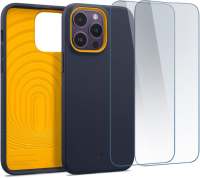
Caseology by Spigen iPhone 14 Pro Max Case Nano Pop 360
₱2,050.00₱2,550.00
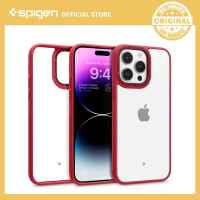
Caseology by Spigen iPhone 14 Pro Max Case Skyfall
₱1,500.00₱2,000.00
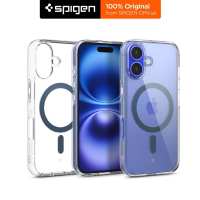
Caseology by Spigen iPhone 16 Series Case Capella Mag
₱1,600.00₱2,100.00
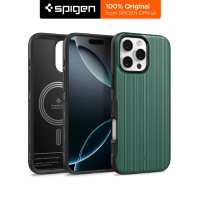
Caseology by Spigen iPhone 16 Pro Max Case Dual Grip Mag
₱1,750.00₱2,250.00
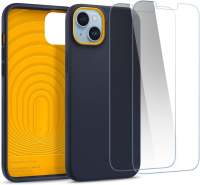
Caseology by Spigen iPhone 14 Case Nano Pop 360
₱2,050.00₱2,550.00
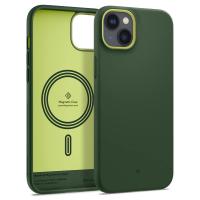
Caseology by Spigen iPhone 14 Plus Case Nano Pop Mag
₱1,645.00₱2,850.00
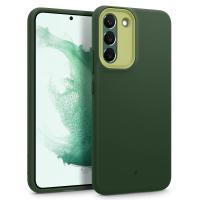
Caseology by Spigen Galaxy S22 Plus 5G Case Nano Pop
₱1,450.00₱1,950.00
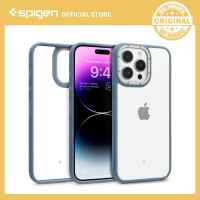
Caseology by Spigen iPhone 14 Pro Case Skyfall
₱1,500.00₱2,000.00
About Caseology
Overview
Caseology was an American mobile-accessories brand best known for designing smartphone cases that combined everyday protection with fashion-oriented designs. Founded in 2014, the brand became particularly recognizable during the 2010s for its colourful, textured, geometric, and relatively slim cases for Apple iPhone and Android smartphones.
Today, Caseology is no longer an independent brand. It became part of Spigen, which currently states that the Caseology brand itself will no longer continue as a standalone entity, although selected Caseology designs and product lines remain available under the Spigen umbrella.
| Field | Information |
|---|---|
| Brand name | Caseology |
| Industry | Consumer electronics / mobile accessories |
| Founded | 2014 |
| Original company | Modne, Inc. |
| Headquarters | Irvine, California, United States |
| Parent company | Spigen, Inc. |
| Primary products | Smartphone cases and other device accessories |
| Main markets | United States and international markets |
| Notable positioning | Fashion-oriented protection for smartphones |
| Best known for | Parallax, Nano Pop, Vault, Wavelength, Envoy, and other case series |
| Current status | Brand discontinued as an independent brand; selected designs continue under Spigen |
A 2016 company description identified Caseology as a fashion-accessory brand founded in 2014, with more than 350 products and a focus on both iPhone and Android devices.
History
Foundation
Caseology was established in 2014 by Modne, Inc., a California-based company. Trademark records indicate that the CASEOLOGY mark was assigned to Modne in 2013, while Caseology itself identifies 2014 as its founding year.
The company entered the smartphone-accessory market at a time when phone cases were shifting from purely protective products towards fashion and lifestyle accessories. Rather than competing solely on ruggedness, Caseology emphasised a combination of protection, colour, texture, patterns, ergonomics, slim profiles, affordable pricing, and device-specific styling. This approach helped differentiate it from more utilitarian case manufacturers.
Early products
By 2015, Caseology was already selling a substantial range of iPhone and Android cases. Its lineup included series such as Envoy, Vault, Glacier, Wavelength, Savoy, and Skyfall.
These early products demonstrated the design philosophy that would become characteristic of the brand. For example, the Wavelength emphasised a three-dimensional textured pattern, while Skyfall used a transparent hard-shell construction to preserve the appearance of the phone. Caseology also experimented with collaborations and themed products, releasing cases associated with The Maze Runner film franchise in 2015.
Rise during the smartphone-case boom
Caseology grew during the rapid expansion of the smartphone-accessory market in the mid-to-late 2010s. Its major target devices included the Apple iPhone, Samsung Galaxy, Google Pixel, and other Android smartphones.
The company used Amazon extensively as a sales channel. In contemporary company announcements, Caseology described itself as one of Amazon’s top sellers and noted that some of its products regularly ranked among the platform’s best-selling cellphone cases. This was significant for Caseology’s development because Amazon allowed a relatively design-focused accessory brand to reach customers without relying primarily on traditional physical retail.
Acquisition by Spigen
One of the most important events in Caseology’s history was its transition from an independent Modne brand to ownership by Spigen. Trademark records show that the CASEOLOGY trademark was transferred from Modne, Inc. to Spigen, Inc., with the change taking effect in 2019.
A 2020 Spigen corporate announcement described Caseology as having been integrated with Spigen and stated that the brand had expanded its lineup using Spigen’s expertise. The acquisition made strategic sense: Spigen was already a major global smartphone-accessory company, while Caseology had developed a distinct identity around fashionable, colourful, and lifestyle-oriented cases.
In effect, the two brands occupied somewhat different positions:
- Spigen: Technical/protective, minimalist, and performance-oriented.
- Caseology: Colourful, fashionable, tactile, and lifestyle-oriented.
This distinction allowed Caseology to retain a recognizable design identity while benefiting from Spigen’s manufacturing, engineering, distribution, and global infrastructure.
Design philosophy
Caseology’s most significant contribution to the phone-case market was arguably its treatment of a smartphone case as a fashion accessory rather than merely protective equipment. The company’s products frequently featured specific design elements:
Geometric patterns
Caseology became particularly associated with three-dimensional geometric textures. The Parallax series is perhaps the clearest example, featuring a distinctive 3D geometric pattern combined with textured grip surfaces.
Strong colour combinations
Many Caseology products used two-tone or contrasting colour schemes rather than the mostly black, clear, or grey palettes common in protective cases.
Tactile surfaces
Texture served both aesthetic and functional purposes, giving cases a distinctive appearance while improving grip.
Slim protection
Rather than making extremely bulky rugged cases, Caseology generally attempted to provide substantial impact protection without completely hiding the phone’s original shape.
Everyday usability
Features such as raised bezels, wireless-charging compatibility, screen-protector compatibility, and ergonomic grips appeared throughout the product range.
Major product series
Parallax
Parallax became one of Caseology’s signature designs. Its defining characteristic was a three-dimensional geometric pattern, often described as a hexagonal or cube-like texture. The pattern was not purely decorative; it also provided additional grip and ergonomic texture. Parallax cases were produced for multiple generations of smartphones, including iPhones and Samsung Galaxy devices, and the series became almost synonymous with Caseology’s design language.
Nano Pop
Nano Pop took a more colourful and playful approach. The design combined a soft-touch appearance with contrasting colours, giving the case a distinctive two-tone look. The series became one of Caseology’s most recognizable lifestyle products. Notably, Nano Pop has survived the transition to Spigen. Spigen’s current Caseology collection continues to list Nano Pop products for newer devices and accessories, including smartphones, tablets, and watches.
Vault
Vault represented the more rugged side of Caseology. It used flexible TPU construction and textured surfaces designed to absorb everyday impacts while maintaining a relatively slim profile. The product was marketed around durability and protection rather than purely cosmetic styling. Vault was one of Caseology’s older product families and was already part of the company’s lineup during its early growth in 2015.
Wavelength
Wavelength was another important early Caseology design. It used a distinctive three-dimensional line pattern and tactile interior. Contemporary coverage described the texture as both visually distinctive and useful for grip and handling. It helped establish the design vocabulary that would later become associated with Caseology: patterns, texture, colour, and protection.
Envoy
Envoy was positioned as a somewhat more sophisticated and premium-looking case. Early versions combined TPU bumpers with hard frames and were offered in finishes such as carbon fibre and leather-inspired colours.
Skyfall
Skyfall targeted users who wanted to show off the original appearance of their phone while still having a protective case. It used a transparent polycarbonate construction and was one of the company’s more minimalist designs.
Materials and protection
Caseology cases have used a variety of materials, particularly thermoplastic polyurethane (TPU), polycarbonate (PC), soft-touch materials, textured synthetic surfaces, and hybrid constructions combining flexible and rigid components. The combination of TPU and polycarbonate was particularly useful because it allowed Caseology to balance impact absorption and structural rigidity.
Some models were marketed as providing military-grade drop protection, while features such as raised screen and camera bezels were used to protect vulnerable areas of the phone. It is worth noting that “military-grade” is a product-testing and marketing description rather than an indication that every Caseology case provides identical protection under every circumstance.
Relationship with Spigen
After the acquisition, Caseology effectively became part of the larger Spigen ecosystem. Spigen describes itself as a global mobile-accessories company whose products include protective cases, screen protectors, chargers, and other accessories. The company says it was launched in 2008 and has developed products for major smartphone platforms.
For several years, consumers could encounter products labelled “Caseology by Spigen” rather than simply Caseology. Spigen’s Philippine store, for example, has carried products explicitly branded “Caseology by Spigen,” including Nano Pop and Parallax products.
Current status
Caseology is no longer being continued as a standalone brand. Spigen currently states that “Caseology has officially joined the Spigen family” and explicitly notes that the Caseology brand will no longer continue independently. At the same time, Spigen confirms that some popular Caseology designs will live on under the Spigen name.
Consequently, Caseology is best described today as a former independent mobile-accessories brand whose product designs have been incorporated into Spigen’s portfolio. This distinction matters because consumers may still encounter Caseology-branded cases, “Caseology by Spigen” products, Caseology designs sold through Spigen, older Caseology products on marketplaces, and newer products carrying Caseology design names. Spigen currently maintains a dedicated “Caseology Cases at Spigen” collection, featuring products such as Nano Pop, Parallax, and related accessories.
Brand identity
Caseology’s identity can be summarised as “protection with personality.” Its historical positioning sat between inexpensive generic phone cases and highly technical rugged-protection brands.
| Characteristic | Caseology |
|---|---|
| Protection | ★★★★☆ |
| Design emphasis | ★★★★★ |
| Colour variety | ★★★★★ |
| Grip/texture | ★★★★★ |
| Slimness | ★★★★☆ |
| Ruggedness | ★★★★☆ |
| Fashion/lifestyle appeal | ★★★★★ |
| Premium positioning | ★★★★☆ |
| Typical aesthetic | Modern, colourful, geometric |
The brand’s strongest differentiator was never simply maximum protection. It was the idea that a protective case could be expressive, attractive, and tactile while still being genuinely protective.
Market reputation
During its most prominent period in the 2010s, Caseology received substantial attention from technology and consumer-product reviewers. For example, a 2015 Cult of Mac review tested four Caseology iPhone 6s cases—Savoy, Wavelength, Vault, and Skyfall—and characterised the lineup very positively.
The company also positioned itself as a relatively accessible alternative to expensive designer cases. Its products generally occupied the mid-range consumer-accessory segment, making distinctive design available without the pricing associated with luxury cases.
Legacy
Caseology’s significance lies less in having invented smartphone cases and more in helping reinforce a trend in which phone cases became part of personal style. Its design language anticipated a market in which consumers could choose cases based on personality, colour, texture, fashion, lifestyle, grip, and visual coordination with other accessories.
The brand also demonstrated how an accessory company could build recognition around individual product families. Names such as Parallax, Nano Pop, Vault, and Wavelength became recognizable product identities rather than generic descriptions of cases. Its acquisition by Spigen ultimately gave many of those designs a longer life, even though the independent Caseology brand is now being retired.
Summary
Caseology was an American mobile-accessories brand founded in 2014 by Modne, Inc., best known for stylish smartphone cases that combined protection with colourful, geometric, and tactile designs. It grew rapidly during the smartphone-accessory boom of the mid-2010s, selling cases for iPhone, Samsung Galaxy, Google Pixel, and other devices, with popular families including Parallax, Nano Pop, Vault, Wavelength, Envoy, and Skyfall. Its trademark was transferred from Modne to Spigen in 2019, bringing the brand into Spigen’s portfolio. After several years operating as a Spigen-associated brand, Spigen announced that Caseology would no longer continue independently, while selected Caseology designs would remain available through Spigen.
Caseology was essentially the design-forward, lifestyle-oriented counterpart to Spigen’s more technical and protective image. Its most recognizable legacy is the combination of bold colours, geometric textures, slim construction, and everyday drop protection—a formula that remains visible in Spigen’s current Caseology-derived products.