Shop on Lazada
Barilla products
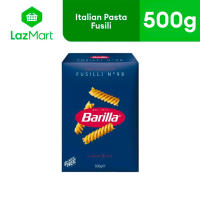
Barilla Italian Pasta Fusilli 500g
₱122.00₱129.00
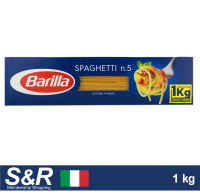
Barilla Pasta Spaghetti n.5 1 Kg
₱208.00
Buy on Lazada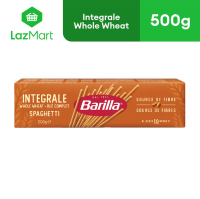
Barilla Spaghetti Integrale Whole Wheat 500g
₱175.00₱185.00
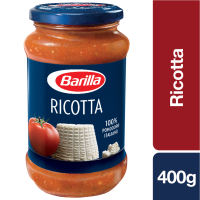
Barilla Ricotta Pasta Sauce with Italian Tomato 400g
₱252.00₱266.00
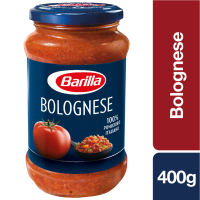
Barilla Bolognese Pasta Sauce with Meat and Italian Tomato 400g
₱287.00₱293.00
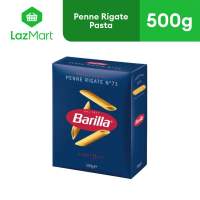
Barilla Italian Pasta Penne Rigate 500g
₱109.00₱127.00
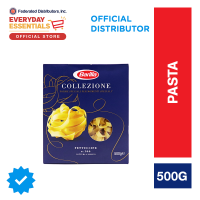
Barilla Pasta Fettuccine Toscane 500g
₱253.00₱293.00
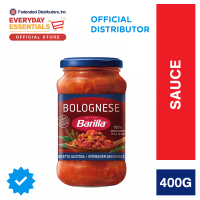
Barilla Sauce Bolognese with Beef & Pork 400g
₱319.00₱349.00
About Barilla
Overview
Barilla is an Italian food company best known internationally for its pasta, pasta sauces, and other Italian-style food products. Founded in 1877 in Parma, Italy, the company began as a small bread and pasta shop established by Pietro Barilla. Nearly 150 years later, Barilla has developed into a multinational, family-owned food group whose products are sold in more than 100 countries.1
| Category | Information |
|---|---|
| Company/brand | Barilla |
| Founded | 1877 |
| Founder | Pietro Barilla |
| Place founded | Parma, Italy |
| Headquarters | Parma, Italy |
| Industry | Food & beverage |
| Main products | Pasta, pasta sauces, pesto, bakery products and related foods |
| Ownership | Privately held, family-owned |
| Global presence | More than 100 countries |
| Current CEO | Gianluca Di Tondo |
| Chairman | Guido Barilla |
| Parent group | Barilla Group |
| Employees | Almost 9,000 (2025) |
Barilla states that it remains family-owned and is not listed on a stock exchange. Its corporate headquarters are located at Via Mantova 166 in Parma.1
History
1877: The beginning
The history of Barilla began in 1877, when Pietro Barilla opened a small bread and pasta shop in the centre of Parma. The original enterprise was essentially a local artisan food shop rather than the multinational food company that Barilla would eventually become.1
The company’s founding philosophy centred on producing good-quality food. Barilla continues to describe this principle as one of the foundations of its business identity.2
Early 20th century
Pietro Barilla was succeeded by his sons Riccardo and Gualtiero Barilla. During this period, the company began transitioning from a small local operation towards industrial pasta production.
In 1910, Barilla registered its first trademark, featuring a little boy cracking an egg over a flour trough. At that time, the company employed approximately 100 workers and produced around 80,000 kg of pasta.1
Expansion into industrial production
Throughout the 20th century, Barilla increasingly industrialised its production and expanded beyond Parma. The company developed packaged food products and built manufacturing capabilities that allowed its pasta to reach consumers throughout Italy.
This growth coincided with a broader transformation in Italian food culture, as pasta shifted from being primarily produced and sold locally to becoming a standardised, packaged product available nationwide.
1971–1979: Ownership by W. R. Grace
One of the most unusual periods in Barilla’s history occurred in the 1970s. In 1971, brothers Pietro and Gianni Barilla sold the company to the American multinational W. R. Grace. Barilla remained under American ownership for eight years.1
Pietro Barilla subsequently worked towards buying the company back. In 1979, he successfully regained control, returning Barilla to family ownership.1 This return to family management became a defining element of Barilla’s modern corporate identity.
International expansion
Following the family’s return, Barilla accelerated its international growth. The company expanded its production, distribution, and portfolio through acquisitions and the development of operations outside Italy.
A notable example was the 1994 acquisition of Filiz, a major pasta brand in Turkey.1 Over time, Barilla transformed from an Italian pasta producer into an international food group.
The Barilla Group
It is important to distinguish Barilla the brand from the Barilla Group. While the Barilla brand is primarily associated with pasta, sauces, and Italian food, the Barilla Group owns and operates a much broader portfolio of food brands.
The Group describes itself as an Italian family-owned food company operating internationally in more than 100 countries. Its major product areas include:
- Pasta
- Ready-to-use sauces
- Bakery products
- Crispbread
- Bread and related food products
The Group identifies itself as a world leader in pasta and ready-to-use sauces in continental Europe, bakery products in Italy, and crispbread in Scandinavia.1 Some of its other major brands include Mulino Bianco, Wasa, Harrys, Pan di Stelle, and GranCereale.1
Products
Barilla is most strongly associated with pasta. Its current international product portfolio includes numerous categories.
Pasta
Barilla sells traditional dried pasta in a wide variety of shapes and sizes, including familiar Italian formats such as spaghetti, penne, fusilli, linguine, and lasagne. Its portfolio also includes:
- Classics
- Al Bronzo
- Whole Grain
- Protein+
- Legume-based pasta
- Gluten-free pasta
- Collezione
- Ready Pasta1
Al Bronzo
Barilla Al Bronzo is a premium pasta line made using a rough bronze-die process. According to Barilla, this creates a textured pasta surface designed to hold sauce more effectively.1
Sauces
Barilla produces ready-to-use sauces designed to accompany its pasta. The portfolio includes:
- Tomato sauces
- Tomato & basil
- Marinara
- Roasted garlic
- Premium sauces
- Pesto
- Other specialty sauces1
Pesto
Pesto is another significant component of Barilla’s international portfolio. Products include varieties such as green pesto, red pesto, rustic pesto, and premium pesto products.2
Brand identity
Barilla’s brand identity is closely connected with Italy, family, food, pasta, and togetherness. Rather than presenting pasta simply as an inexpensive staple, Barilla has historically positioned it as part of the Italian lifestyle and Mediterranean food culture.
The company describes its motivation as bringing “taste and love” to tables around the world.1 Consequently, its marketing has focused heavily on themes such as:
- Family
- Sharing meals
- Italian heritage
- Quality
- Togetherness
- Everyday cooking
- Italian culinary tradition
This positioning has helped make the blue Barilla package and the brand itself recognisable far beyond Italy.
Advertising and popular culture
Barilla has historically been particularly influential in food advertising. The company has collaborated with prominent figures from cinema, music, and sport. Historical communications have featured personalities such as Federico Fellini, Dario Fo, Ennio Morricone, and Paul Newman, while later campaigns have included major sporting figures such as Roger Federer.1
This advertising strategy helped Barilla associate its products with a broader idea of Italian culture, rather than marketing pasta purely on functional attributes such as price or convenience. The extensive use of film, music, and storytelling has made advertising an integral part of its overall brand-building strategy.
International presence
Although Barilla is deeply associated with Italy, it is now a global food business. The Group states that its products are available in more than 100 countries and that it operates 30 production sites—15 in Italy and 15 elsewhere in the world.1
This international manufacturing network is strategically important, as local production can significantly improve distribution and supply-chain efficiency for pasta products. For example, Barilla’s U.S. pasta production includes facilities in Ames, Iowa, and Avon, New York, while certain products such as specific Al Bronzo lines and pesto are produced in Italy.2
Ownership and management
Barilla is distinctive among major global food companies because it has remained privately owned by the Barilla family rather than becoming a publicly traded corporation.1 The company is currently in its fourth generation of family leadership.
Guido Barilla
Guido Barilla serves as Chairman of the Barilla Group. He joined the family business in the 1980s and became Group Chairman in 1993 following the death of his father, Pietro Barilla.1
Luca and Paolo Barilla
Guido’s brothers, Luca and Paolo Barilla, have also played major roles in the management and ownership of the Group. The Barilla family continues to control the company.1
Gianluca Di Tondo
Gianluca Di Tondo has served as CEO of the Barilla Group since April 2023. Before returning to Barilla, he spent much of his career in the consumer-goods sector, including a tenure at Heineken.1
Size of the company
Barilla has grown considerably from its 19th-century origins. According to the company’s current data:
- Almost 9,000 people were employed by Barilla in 2025.
- The Group operated 30 production districts.
- Products were exported to more than 100 countries.
- Barilla reported approximately €4.9 billion in turnover in 2025.1
These figures place Barilla among the significant privately held food companies globally.
Sustainability
Sustainability has become an increasingly important component of Barilla’s corporate strategy. The company outlines its sustainability work across several key areas:
- Sustainable agriculture
- Responsible sourcing
- Climate
- Packaging
- Energy
- Water
- Food quality and nutrition
- Employee wellbeing
- Communities
Barilla states that it has developed sustainable farming programmes involving farmers and raw-material suppliers while increasing its use of renewable electricity.1 The company’s stated philosophy is that producing good food should also involve reducing the environmental impact of its production and supply chains.
Corporate philosophy
Barilla’s stated values include:
- Passion — pursuing excellence in its products
- Courage — taking on challenges
- Curiosity — seeking innovative solutions
- Trust — working toward common goals
- Integrity — acting transparently toward people and the planet1
These values are connected to the company’s broader objective of combining tradition with innovation.
Significance in Italian food culture
Barilla is more than simply a pasta manufacturer; its history parallels the development of modern Italian food manufacturing. Pasta was traditionally produced by local artisans and sold through small shops. Barilla helped turn pasta into a standardised, packaged, and nationally distributed consumer product, eventually taking that model internationally.
The company’s Italian identity has remained central even as it has expanded globally. Barilla describes itself as a symbol of Italian know-how and a major ambassador of Italian food culture.1 In this sense, Barilla occupies a position similar to other iconic Italian consumer brands: it sells a product while also conveying an association with Italy, family meals, and Italian culinary tradition.
Barilla today
Today, Barilla is a global Italian family-owned food group headquartered in Parma. Its flagship Barilla brand remains particularly famous for pasta and sauces, while the wider Group operates numerous food brands across several markets.1
From a small Parma shop in 1877 to an international company operating in more than 100 countries, Barilla’s history can be understood in four stages:
- 1877–early 20th century: Artisan Parma bakery and pasta business
- 20th century: Industrialisation and Italian expansion
- 1970s onward: Return to family ownership and rapid internationalisation
- Today: Global food group combining Italian heritage, large-scale manufacturing, innovation, and sustainability
Its enduring competitive advantage lies in the combination of a strong Italian brand identity, enormous distribution scale, family ownership, and specialisation in pasta and related foods.
Barilla is a privately owned Italian food company founded in Parma in 1877 by Pietro Barilla that grew from a small bread-and-pasta shop into one of the world’s best-known pasta brands and a multinational food group, while retaining its Barilla family ownership and strong association with Italian culinary culture.1