Shop on Lazada
Beach Hut products
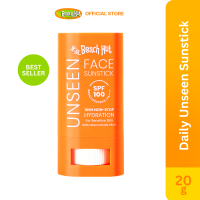
Beach Hut Unseen Face Sunstick SPF 100 with Niacinamide
₱849.00
Buy on Lazada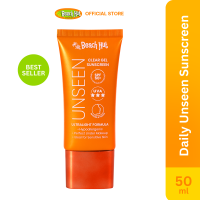
Beach Hut Daily Unseen SPF50+ Clear Face Sunscreen 50mL
₱949.00
Buy on Lazada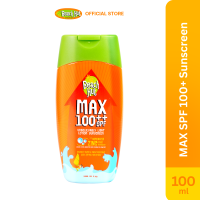
Beach Hut Sunblock MAX SPF 100 ++ Sunscreen Body Lotion 100mL
₱659.00
Buy on Lazada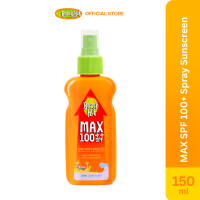
Beach Hut Sunblock MAX SPF 100 ++ Clear Spray Body Sunscreen 150mL
₱689.00
Buy on Lazada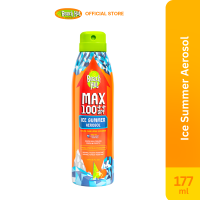
Beach Hut Sunblock MAX SPF 100 ++ Ice Summer Aerosol Sunscreen Body Spray 177mL
₱769.00
Buy on Lazada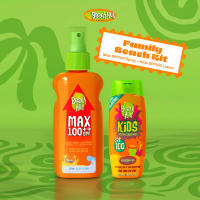
Beach Hut Family Beach Kit with MAX SPF 100 Clear Spray and Kids SPF 100 Lotion Sunscreen
₱723.00
Buy on Lazada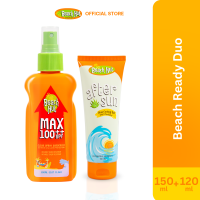
Beach Hut MAX SPF 100 Clear Spray Body Sunscreen 150mL and After Sun Soothing Gel
₱1,001.00
Buy on Lazada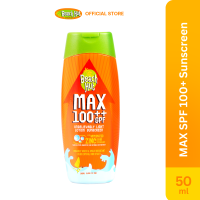
Beach Hut Sunblock MAX SPF 100 ++ Sunscreen Body Lotion 50mL
₱559.00
Buy on LazadaAbout Beach Hut
Beach Hut (also known as Beach Hut Sunblock or Beach Hut Sunscreen) is a Philippine sun-care brand specializing in sunscreen and other products designed to protect the skin from ultraviolet (UV) radiation. The brand is owned and developed by Dragon Edge Group (DEG), a local fast-moving consumer goods (FMCG) company founded by Dennis and Emily Balajadia. Beach Hut was the company’s first major product and is credited by Dragon Edge Group with pioneering clear spray-on sunscreen in the Philippines.
The brand positions itself around “fun under the sun,” particularly for beach, outdoor, and tropical activities. Its product portfolio has expanded from its original spray sunscreen into lotions, high-SPF products, facial sunscreen, children’s sunscreen, lip sunscreen, after-sun care, tanning products, and reef-conscious formulations.1
Overview
| Category | Information |
|---|---|
| Brand | Beach Hut |
| Industry | Beauty, personal care, sun care / sunscreen |
| Country of origin | Philippines |
| Parent company | Dragon Edge Group |
| Founders of parent company | Dennis and Emily Balajadia |
| First product | Beach Hut Sunblock |
| Launch period | 2006 |
| Core market | Philippines |
| Primary category | Sunscreen and sun protection |
| Brand positioning | Beach, outdoor and tropical sun protection |
| Notable innovation | Clear spray-on sunblock |
| International presence | Includes Indonesia and other Asian markets |
| Official website | beachhutfun.com |
History
Beach Hut’s origins are closely connected to the founding of Dragon Edge Group. The company states its beginnings date to 2005, when founders Dennis and Emily Balajadia developed the business around the idea of creating unconventional consumer products. Beach Hut became the group’s first product.
Dragon Edge Group identifies 2006 as the year Beach Hut Sunblock was launched. At the time, the company described it as the first local spray-on sunblock in the Philippines. The spray format was intended to offer an alternative to conventional sunscreen products, particularly the thick, sometimes visibly white lotions associated with sun protection at the time.
The brand subsequently developed a broader range of sun-care products. A 2013 Philstar profile reported that Beach Hut had expanded its products to serve different skin types and had begun exporting to markets including Thailand, Indonesia, Vietnam, and China.
Development and international expansion
Indonesia became an important market for Beach Hut. Dragon Edge Group states the sunscreen was introduced to Bali in late 2008, and that a major rebranding and retail campaign in 2014 helped generate substantial growth in the region. The company reports that Beach Hut sales in Bali increased by 966% compared with the previous year following the campaign.
Beach Hut’s international strategy has particularly emphasized destinations associated with beaches and tropical tourism. This aligns with the brand’s identity: rather than presenting sunscreen solely as a skincare product, Beach Hut has historically marketed sun protection as part of an active, vacation-oriented lifestyle.
Product range
Beach Hut has developed considerably beyond its original spray format. Current Philippine retail listings include:2
- Max SPF 100 sunscreen
- Max SPF 100 clear spray
- SPF 50 moisturizing sunscreen
- Face sunscreen
- Unseen Face Sun Stick SPF 100
- Kids Max SPF 100 sunscreen
- Babies & Kids SPF 50 mineral sunscreen
- Lip sunscreen
- Tanning dry oil
- After Sun Gel
- Natural Reef Safe SPF 50 sunscreen
The brand’s current flagship positioning emphasizes high SPF protection, lightweight and non-sticky formulas, and products intended for outdoor use. Its website describes Beach Hut as a sunscreen brand designed for activities such as beach trips, swimming, and other prolonged exposure to the sun.1
One example of its newer product direction is the Beach Hut Unseen Face Sun Stick SPF100, which is marketed as an invisible facial sunscreen with broad UVA/UVB protection, niacinamide, and hydration claims. Watsons lists its country of origin as the Philippines.2
Brand identity
Beach Hut’s branding is strongly associated with summer, beaches, travel, and outdoor recreation. Its communication generally treats sunscreen as an enabler of outdoor experiences rather than simply a dermatological product.
The brand’s own description calls it the “Fun Experts” and emphasizes enjoying the sun while remaining protected.1 This positioning is particularly relevant to the Philippines, where beaches, island tourism, and outdoor activities are major parts of popular culture. Beach Hut has consequently built a brand identity around the idea of sun protection without interrupting leisure activities.
Marketing and notable campaigns
One of Beach Hut’s most unusual marketing campaigns was its “Beach Hut in Space” initiative. Dragon Edge Group states the brand became the first sunblock to fly to space in 2017, turning the product into a distinctive marketing story. The campaign was part of a broader effort to make Beach Hut stand out through unconventional marketing rather than relying exclusively on traditional sunscreen advertising.
Beach Hut has also invested heavily in beach-oriented experiential marketing. In Boracay, the company established the Beach Hut Bar in 2012 and later introduced sunscreen vending machines at locations including Caticlan Airport and Boracay.
A marketing case study from the Young Market Masters Awards describes a large-scale Boracay campaign in which Beach Hut installed hundreds of branded umbrellas and other displays between 2015 and 2017. The campaign helped strengthen the brand’s association with Boracay and the Philippine beach lifestyle.
Environmental positioning
In addition to conventional sunscreen products, Beach Hut has introduced products marketed around reef-conscious sun protection. Its current Philippine range includes a Natural Reef Safe SPF 50 product.2
Beach Hut’s parent company has also participated in environmental activities. Dragon Edge Group and Beach Hut have supported beach-cleaning initiatives, including a Subic Bay activity in which the company reported collecting approximately 182 kilograms of waste.
It is worth distinguishing these environmental initiatives from broader claims about sunscreen ingredients and coral reefs. “Reef safe” is a marketing and regulatory term whose meaning can vary, so individual product formulations should be checked rather than assuming that every Beach Hut product has the same environmental profile.
Women’s football
Beach Hut has extended its brand beyond sunscreen marketing into sports and women’s empowerment. The brand is associated with Beach Hut Football Club, a Philippine women’s football club established in 2019. The club describes itself as an all-girls football organization, and Beach Hut’s football initiatives have included programs intended to provide opportunities for Filipino girls and women in the sport.3
This represents an evolution of the brand’s identity, which has expanded from simply “sunblock for the beach” toward a broader association with outdoor activity, confidence, recreation, and women’s participation in sport.
Ownership and corporate structure
Beach Hut is part of Dragon Edge Group, which describes itself as an innovator in the Philippine FMCG sector. Other brands in the group’s portfolio include Cycles, Cradle, Smart Steps, Bite Block, and other personal-care and household products.
Dragon Edge Group was founded by Dennis and Emily Balajadia. The company describes Beach Hut as the product from which its broader business grew. Historically, Beach Hut is the founding product of this Philippine consumer-products group rather than a subsidiary of a multinational cosmetics corporation.
Market position in the Philippines
Beach Hut has become a recognizable sunscreen brand in the Philippine market and is sold through major retailers. Current listings at Watsons Philippines show a portfolio spanning body, face, children’s, and specialty sun-care products.2 Rustan’s likewise describes Beach Hut as a leading Philippine beach-sunscreen brand.
The brand’s strong association with beaches and tropical travel differentiates it from skincare-first sunscreen brands. Its identity is explicitly oriented toward summer, outdoor, and beach contexts.
Brand significance
Beach Hut’s significance in the Philippine consumer market can be summarized in three areas:
- Product innovation: Its original clear spray format was an unusual offering in the Philippine sunscreen market and became the foundation of Dragon Edge Group.
- Strong lifestyle branding: Beach Hut positioned sunscreen as part of a broader beach lifestyle, using Boracay, outdoor activities, tourism, and experiential marketing as central elements of its identity.
- Evolution beyond traditional sunscreen: The brand has expanded into facial, children’s, mineral, lip, after-sun, and other specialized products while also becoming involved in environmental initiatives and women’s sports.2
Timeline
- 2005 — Dragon Edge Group begins its business journey.
- 2006 — Beach Hut Sunblock becomes Dragon Edge Group’s first product; the company describes it as the first local spray-on sunblock in the Philippines.
- 2008 — Beach Hut is introduced to Bali, Indonesia, according to Dragon Edge Group.
- 2012 — Beach Hut Bar opens in Boracay; the brand also develops sunscreen vending-machine initiatives.
- 2014 — A major Bali rebranding campaign contributes to significant reported sales growth.
- 2015–2017 — Beach Hut expands its Boracay branding and experiential marketing activities.
- 2017 — Beach Hut launches its “first sunblock in space” marketing campaign.
- 2019 — Beach Hut Football Club is established.3
- 2020 — COVID-19-related beach closures cause a major decline in sunscreen sales for Dragon Edge Group.
- 2020s — Beach Hut expands into high-SPF, facial, children’s, mineral, lip, and other specialized sun-care products.2
- 2024–2026 — The brand continues its beach, sports, and environmental initiatives while maintaining its position as one of Dragon Edge Group’s flagship brands.