Shop on Lazada
Bertolli products
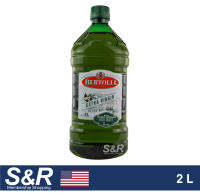
Bertolli Extra Virgin Olive Oil 2L
₱1,383.00
Buy on Lazada
Bertolli Light Oil Spray 145ML
₱399.00
Buy on Lazada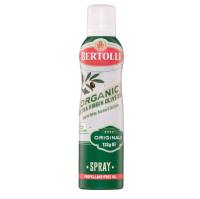
Original Bertolli Extra Virgin Olive Oil Spray 132g - Organic SALE
₱325.00
Buy on Lazada
Bertolli Original Extra Virgin Olive Oil Spray 132g - Vegan Low Sodium Non-GMO Propellant-Free
₱459.95₱599.00
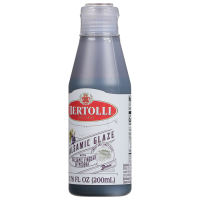
Bertolli Balsamic Glaze 200mL - Made with balsamic vinegar of Modena from Italy {Ideal for meat fish or vegetables}
₱399.00₱499.00
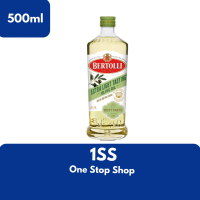
Bertolli Extra Light Tasting Olive Oil Soft Taste 500ml
₱795.00
Buy on Lazada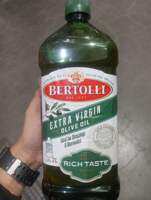
Bertolli Extra Virgin Olive Oil 2L
₱2,999.00
Buy on Lazada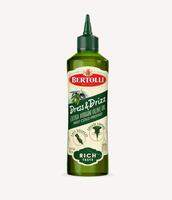
Bertolli Dress & Drizz Extra Virgin Olive Oil First Cold Pressed 460mL
₱539.00₱799.00
About Bertolli
Bertolli is a historic Italian food brand best known worldwide for olive oil, though the name is now also associated with pasta sauces, frozen Italian-style meals, spreads, and other Mediterranean-inspired foods. Its history dates to 1865, when Francesco Bertolli and his wife Caterina opened a small delicatessen in Lucca, Tuscany.1
A key aspect of the modern brand is that Bertolli is no longer a single unified company producing every product sold under the name. Different parts of the Bertolli trademark and business are operated by separate companies in different markets. The olive-oil business is associated with Deoleo, while the U.S. pasta-sauce business belongs to Mizkan, and U.S. frozen meals are marketed by Conagra Brands under license.2
Basic information
| Category | Information |
|---|---|
| Brand | Bertolli |
| Origin | Lucca, Tuscany, Italy |
| Founded | 1865 |
| Founder | Francesco Bertolli, with his wife Caterina |
| Original business | Grocery/delicatessen and olive oil |
| Best known for | Olive oil |
| Other products | Pasta sauces, frozen meals, spreads, vinegars and other Italian/Mediterranean foods, depending on market |
| Geographic reach | International |
| Brand heritage | Italian / Tuscan / Mediterranean cuisine |
| Current structure | Different Bertolli businesses/products are operated by different companies |
Bertolli’s own history describes the original shop as selling regional wine, cheese, olives and olive oil.
The beginning: Lucca, Tuscany, 1865
The Bertolli story begins in Lucca, a historic city in Tuscany.
In 1865, Francesco Bertolli and Caterina Bertolli opened a small food shop beneath their home. It was essentially a local delicatessen selling products typical of the Tuscan countryside:
- Olive oil
- Wine
- Cheese
- Olives
- Other regional foods
The business was built around a simple idea: good food made from good, straightforward ingredients. That philosophy would eventually become central to Bertolli’s international brand identity.16
At this stage, Bertolli was not the giant international brand that consumers know today; it was a small family food business in Tuscany.
The key turning point: Italian emigration
One of the most significant aspects of Bertolli’s history is that its international expansion was partly driven by Italian immigrants.
During the late 19th century, large numbers of Italians emigrated to countries such as the United States. They brought their food culture with them, but many familiar Mediterranean ingredients were difficult to find abroad.
By around 1875, Italian emigrants in America were asking Francesco Bertolli to send them olive oil. This created an unexpected new market. Instead of selling only to people in Tuscany, Bertolli began shipping olive oil overseas, becoming an early pioneer in exporting Italian olive oil to the United States.17
This development established a pattern where Bertolli’s international identity grew out of the desire of Italian emigrants to maintain their food traditions abroad.
Expansion around the world
By approximately 1890, the Bertolli business had expanded substantially. Its products were being exported to markets including:
- United States
- Canada
- Australia
- South America
- Africa
The American market was particularly important because of its substantial Italian immigrant population.3
Bertolli consequently evolved from a Tuscan food shop into an international food brand. Its identity also began changing; it was no longer simply selling olive oil, as consumers increasingly associated the Bertolli name with the broader idea of Italian food and Italian lifestyle.1819
Building a modern food brand
During the early 20th century, Bertolli increasingly connected its products with the image of Italian living, food and hospitality.4
This was important because Bertolli was becoming more than a commodity producer. Olive oil is technically a relatively simple food product, so brands have to differentiate themselves through quality, packaging, origin, reputation, advertising and cultural associations. Bertolli became particularly effective at associating its name with Italian culinary culture.
Bertolli and advertising
Bertolli was an early adopter of modern advertising in Italy. In the postwar period, the brand used advertising characters including Olivella and Maria Rosa, which became recognizable parts of Bertolli’s Italian advertising history.5
This was significant because branded packaged foods were becoming increasingly important in the 20th century. Bertolli was therefore participating in a transition from a local food producer to a packaged-food brand and eventually a mass-market international brand.
Innovation in olive oil
Bertolli’s history includes changes in how olive oil was packaged and presented. According to historical material, the company introduced glass bottles in the mid-20th century and was an early adopter of nutritional information on labels. It also developed different types of olive oil aimed at different consumer preferences, including products designed for the American market.6
These innovations helped move olive oil away from being perceived simply as a traditional bulk food and toward being a consumer packaged product with distinct varieties and positioning.
From olive oil to a broader food brand
Although olive oil remains Bertolli’s historical core, the brand eventually expanded into other categories. Depending on the country, Bertolli products have included various food lines.
Olive oil
This remains the most historically important category. Examples include:
- Extra Virgin Olive Oil
- Organic Extra Virgin Olive Oil
- Different taste profiles
- Cooking olive oils
- Lighter olive oils
- Specialty/premium oils
The current U.S. Bertolli site, for example, lists several extra-virgin, organic and cooking-oil products.
Pasta sauces
Bertolli also became associated with Italian-style pasta sauces, including tomato-based sauces and creamy sauces. This was a logical extension of the brand from olive oil to Italian cooking, pasta, pasta sauce and complete Italian meals.
Frozen meals
In the United States, Bertolli became particularly prominent in frozen Italian-style meals, including skillet meals and pasta dishes. Conagra currently markets Bertolli frozen foods in the U.S., describing Bertolli as a major brand in authentic Italian frozen meals.20
Spreads and other foods
In some European and other markets, Bertolli has also been used for spreads and other food products. The precise product portfolio varies considerably by country.7
Ownership history
Unlike a company where one corporate group broadly controls the brand worldwide, Bertolli’s modern trademark has been divided across businesses and product categories. Historically, Bertolli passed through different corporate owners, including Unilever. During the 2000s, Unilever began restructuring its food portfolio and sold parts of the Bertolli business.
Olive oil
In 2008, Unilever sold its olive-oil business to what was then Grupo SOS, which subsequently became Deoleo. This included the Bertolli olive-oil business.823 Today, Deoleo identifies Bertolli as one of its major olive-oil brands and continues to market Bertolli olive oil internationally.
Pasta sauce
In 2014, Japanese food company Mizkan agreed to acquire the Ragú and Bertolli pasta-sauce brand portfolio from Unilever for approximately US$2.15 billion.2122 Consequently, the Bertolli pasta-sauce business and Bertolli olive-oil business ended up under different corporate ownership.
Frozen meals
The U.S. Bertolli frozen-meal business was acquired by ConAgra Foods in 2012.20 Today, Conagra markets Bertolli frozen meals under license, with its materials identifying Mizkan America as the owner of the Bertolli registered trademark for those products.
Current ownership structure
There is no single company that operates every Bertolli product worldwide. The current structure is divided as follows:
| Bertolli business | Current corporate relationship |
|---|---|
| Olive oil | Deoleo |
| U.S. pasta sauces | Mizkan |
| U.S. frozen meals | Conagra Brands, under license |
| Other products | Varies by country and licensing arrangement |
Deoleo currently describes itself as the producer of Bertolli olive oil, while Mizkan identifies Bertolli as part of its pasta-sauce portfolio.1415 This explains why Bertolli products in different countries can look surprisingly different or have different corporate information on their packaging.
Olive-oil philosophy
Olive oil remains the heart of the Bertolli identity. Deoleo states that its Bertolli operation emphasizes quality throughout the process, from olive sourcing through production and bottling, with extensive sampling and quality-control processes.9
Bertolli has also promoted the idea of harvesting olives relatively early and processing them quickly after harvest to preserve desirable characteristics. Published materials state that olives used for its oils are pressed within 10 hours of harvest.10
The brand’s olive-oil philosophy can be summarized as: good olives + careful sourcing + controlled processing + blending/quality control = consistent consumer product.
Origin of olives
It is an important distinction that Bertolli is an Italian-origin brand, but this does not mean every bottle of Bertolli olive oil is made exclusively from olives grown in Italy.
Modern Bertolli olive oil is an international product. Deoleo explains that it sources olive oils from different origins and uses blending according to the desired characteristics and market requirements.11 Therefore, an Italian brand does not necessarily equate to 100% Italian olives. The actual origin of the olives depends on the specific Bertolli product and market, and consumers should check individual bottle labeling if origin is important to them.
Product philosophy
The brand’s communications consistently emphasize several themes:
Italian heritage
Bertolli uses its Tuscan origins as an important part of its identity.
Simplicity
The company frequently emphasizes simple ingredients and uncomplicated Italian cooking.12
Mediterranean food
Olive oil, pasta, tomatoes, vegetables and other Mediterranean ingredients are central to its positioning.
Accessibility
Rather than presenting Italian cuisine solely as high-end restaurant food, Bertolli generally positions it as something consumers can prepare at home.
Convenience
This is particularly evident in its pasta sauces and frozen meals.
Bertolli’s modern proposition is essentially to bring the taste and feeling of Italian/Mediterranean cooking into everyday home meals.
Brand identity
Bertolli’s visual and emotional identity is built around associations linking Tuscany, Italy, the Mediterranean, olive oil, family food, simple cooking and good living. This positioning has allowed Bertolli to remain recognizable even as the actual product portfolio has expanded.
Notably, Bertolli’s Belgian and Dutch websites note that the Bertolli logo is shaped around the appearance of Lucca’s main square, reinforcing the connection between the modern brand and its birthplace.13
International scale
Bertolli has become an international brand rather than a purely Italian one. The brand states it has expanded to more than 40 countries, and Italian materials indicated it was being exported to 45 countries around the time of its 150th anniversary.3
This international presence is notable given the brand’s local origins as a small delicatessen in Lucca. Its evolution can be summarized as:
- 1865: Small Tuscan shop
- 1870s: Exports to Italian emigrants in America
- 1890s: International expansion
- 20th century: Mass-market Italian food brand
- Late 20th century: Global olive-oil brand
- 21st century: Diversified Italian/Mediterranean food brand
150th anniversary
In 2015, Bertolli celebrated its 150th anniversary. By that point, the brand had evolved far beyond its original olive-oil business and was associated with olive oils, pasta sauces and prepared/frozen meals.3
The anniversary was used to reinforce the central brand message: a long history of Italian food culture combined with modern convenience.
Bertolli today
As of 2026, Bertolli remains best understood as a global Italian-food brand rather than a single vertically integrated food company. Its most important historical and global association remains olive oil, where Deoleo continues to operate the Bertolli brand and promote its quality, sourcing and sustainability initiatives.14
Simultaneously, Bertolli remains visible in other categories. In the United States, for example, Conagra continues to introduce new Bertolli frozen meals, while Mizkan owns the relevant pasta-sauce business and trademark relationship.15 The modern Bertolli brand is essentially a collection of businesses and licensed products sharing one historic name and culinary identity.
Significance
From a business and branding perspective, Bertolli is notable for several reasons:
- Longevity: Its history reaches back to 1865, giving it more than 160 years of brand heritage in 2026.16
- Early internationalization: The company began exporting olive oil to the United States in the 19th century, driven partly by Italian immigrants wanting familiar food.17
- Product branding: Bertolli helped turn olive oil into a branded consumer product through innovations in packaging, labeling, advertising and product segmentation.6
- Category expansion: The brand successfully moved into sauces, frozen foods and other categories while retaining its Italian identity.
- Brand resilience: Even after different parts of the business were sold to different companies, the Bertolli name continued to have commercial value.
Distinction from traditional producers
It is useful to distinguish Bertolli the brand from the idea of a traditional Italian producer. Bertolli is Italian by origin and heritage, but today’s Bertolli products are part of a modern global food industry. This means that not every product is manufactured in Italy, not every olive is necessarily Italian, product ranges vary by country, and different Bertolli categories can belong to different companies.
While this is not unusual for major food brands, what makes Bertolli distinctive is how strongly its 1865 Tuscan origin remains central to its identity despite these structural changes.
Timeline
- 1865: Francesco and Caterina Bertolli open a food shop in Lucca, Tuscany.16
- 1870s: Bertolli begins supplying olive oil to Italian emigrants in America.17
- 1890: The business expands its export markets to North America, Australia and elsewhere.18
- Early 1900s: Bertolli increasingly becomes associated with Italian lifestyle and cuisine.19
- Mid-20th century: Advertising, packaging and product innovation transform Bertolli into a major consumer brand.5
- 1990s–2000s: Bertolli becomes a major international olive-oil brand and expands into other food categories.3
- 2008: Unilever sells the Bertolli olive-oil business to Grupo SOS, later Deoleo.23
- 2012: ConAgra acquires the Bertolli frozen-meal business in the U.S.20
- 2014: Mizkan acquires the Bertolli and Ragú pasta-sauce portfolio from Unilever.21
- 2015: Bertolli celebrates 150 years.3
- 2020s: Deoleo continues developing Bertolli as an international olive-oil brand, while other companies operate Bertolli food categories in various markets.14
- 2026: Bertolli remains a globally recognized Italian-origin food brand, with olive oil at the center of its heritage and multiple product categories carrying the name.23
References
- Our Story – Bertolli History – From Italy to the USA
- About Bertolli – Bertolli
- Bertolli: Da 150 anni, una storia di qualità e passione per l’olio d’oliva
- The History of Bertolli | Bertolli
- A travel in the time – Bertolli Olive Oil
- Olive Oil – Bertolli
- About Bertolli | Bertolli
- Bertolli
- Bertolli Reinvents Olive Oil for a New Era, Bringing Mediterranean “Good Living” to American Kitchens – Deoleo
- Statement – Bertolli Olive Oil
- Bertolli: trusted olive oil brand with 150 years of history
- Homepage – Bertolli
- Homepage – Bertolli
- Brand Heritage Archives – Deoleo
- Bertolli reinventa el aceite de oliva para una nueva era, llevando el “buen vivir” mediterráneo a las cocinas americanas – Deoleo
- Over Bertolli – Bertolli
- Bertolli extra virgin olive oil leads in biodiversity – Deoleo
- Bertolli becomes #1 olive oil in the US – Deoleo
- Bertolli se hace el aceite de oliva número uno en los EE.UU. – Deoleo
- Bertolli Olive Oil History: What sets us apart from others
- Investegate | Company Announcement
- Mizkan Group To Acquire Ragu & Bertolli From Unilever
- Investegate | Company Announcement