Shop on Lazada
Campbell products
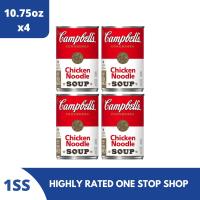
Campbell’s Chicken Noodle Soup 10.75oz oz x 4
₱625.00
Buy on Lazada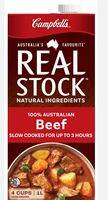
Campbells Real Stock Beef Stock 1L
₱279.00₱299.00
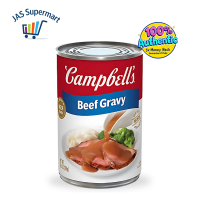
Campbell’s Liquid Beef Gravy 298g – Ready-to-Use Rich Savory Sauce for Meals & Dishes
₱269.00
Buy on Lazada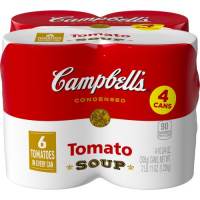
Campbells Condensed Tomato Soup 10.75 oz x 4
₱895.00₱985.00
Campbells Real Stock Chicken Broth1 litre
₱279.00₱349.00
Campbell’s Cream of Mushroom 284ml USA 🇺🇸
₱1,536.00₱1,596.00
Campbell’s Cheddar Cheese Soup 298g Condensed Creamy Imported Canned Soup
₱309.00₱329.00
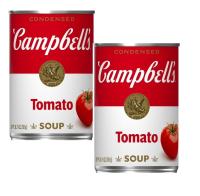
Campbells Condensed Tomato Soup 10.75oz Pack of 2
₱425.00₱570.00
About Campbell
Introduction
Campbell (commonly referred to as Campbell’s) is an American food brand recognised globally for its canned soups, particularly its iconic red-and-white condensed soup cans. Established in the United States during the 19th century, Campbell’s evolved from a small preserved-food producer into one of the most familiar names in packaged goods, becoming synonymous with convenience foods, home cooking, and American culinary culture.1
Today, Campbell’s operates under The Campbell’s Company, a major North American food manufacturer headquartered in Camden, New Jersey. The company produces soups, meals, beverages, sauces, and snacks through a portfolio of brands that includes Campbell’s, Goldfish, V8, Pepperidge Farm, Prego, and others.1
Overview
| Category | Details |
|---|---|
| Brand name | Campbell’s |
| Parent company | The Campbell’s Company |
| Founded | 1869 |
| Founders | Joseph Campbell and Abraham Anderson |
| Origin | Camden, New Jersey, United States |
| Industry | Food and beverages |
| Famous for | Condensed soup, canned soup, ready-to-eat meals |
| Signature product | Campbell’s Condensed Tomato Soup |
| Famous symbol | Red-and-white soup can label |
| Headquarters | Camden, New Jersey, USA |
| Stock listing | NASDAQ: CPB (through The Campbell’s Company) |
History
Foundation (1869–1897)
The history of Campbell began in 1869 when fruit merchant Joseph Campbell and commercial canner Abraham Anderson formed the Anderson & Campbell partnership in Camden, New Jersey. Rather than focusing exclusively on soup, the company originally produced canned fruits, vegetables, jellies, condiments, and other preserved foods.1
The business later became known as the Joseph Campbell Preserve Company and gradually shifted its focus towards packaged soups and prepared foods.
Invention of condensed soup (1897)
A significant turning point occurred in 1897 when chemist John T. Dorrance developed the method for producing condensed soup. By removing much of the water content before packaging, Campbell was able to sell soup in smaller, lighter cans that were cheaper to transport and easier for consumers to store.2
This innovation transformed Campbell from a regional food producer into a national brand. Condensed soup became the company’s defining product and remains central to its identity today.1
The iconic red-and-white can
Introduced in the late 1890s, the Campbell’s soup can design has become one of the most recognisable package designs in the world. The simple red-and-white label helped establish the brand’s visual identity and became closely linked with American grocery culture.1
The packaging later gained cultural significance through the work of pop artists, most notably Andy Warhol, whose Campbell’s Soup Cans artworks in the 1960s elevated the product label to an icon of modern art.3
Expansion and growth
Early 20th century
By the early 1900s, Campbell had expanded its reach nationwide. The company launched major advertising campaigns and created memorable brand characters, including the Campbell Kids, which became a recognisable part of American advertising history.1
The company’s famous slogan:
“M’m! M’m! Good!”
became strongly associated with Campbell’s advertising efforts.1
Product diversification
Although soup remained the signature product, Campbell expanded into numerous other food categories. Major products and brands associated with the company include:
- Campbell’s Condensed Soups
- Chicken Noodle Soup
- Cream of Mushroom Soup
- Tomato Soup
- Chunky Soup
- SpaghettiOs
- V8 vegetable drinks
- Pepperidge Farm bakery products
- Goldfish crackers
- Prego pasta sauces
- Pace Mexican sauces
- Snyder’s of Hanover snacks
- Kettle Brand chips
- Rao’s sauces
Campbell and American food culture
Campbell’s became more than a soup manufacturer; it evolved into a symbol of American home cooking. Its products achieved widespread use due to their affordability, shelf stability, and ease of preparation.
One of the brand’s most notable cultural contributions was the popularisation of recipes using canned soup as a key ingredient, such as casseroles and comfort-food dishes. Campbell’s Cream of Mushroom Soup, for example, became a staple ingredient in American household cooking.1
Marketing and brand identity
Campbell’s marketing has traditionally emphasised:
- Family meals
- Comfort and nostalgia
- Convenience
- Affordable nutrition
- Homemade-style cooking
The brand’s identity is strongly connected to warmth, tradition, and everyday family experiences. Its red-and-white packaging remains one of the most instantly recognisable designs in the global food industry.1
Company evolution
For much of its history, the organisation was known as Campbell Soup Company. However, as its portfolio expanded beyond soup, the company adopted the name The Campbell’s Company in 2024 to better represent its broader range of food businesses while retaining the Campbell’s heritage.1
The company currently operates through two main business areas:
- Meals & Beverages
- Soups
- Sauces
- Beverages
- Prepared meals
- Snacks
- Crackers
- Chips
- Baked snacks
Cultural impact
Campbell’s has exerted a significant influence on popular culture:
- The Campbell’s soup can became a symbol of American consumer culture.
- Andy Warhol’s soup can paintings helped connect commercial packaging with fine art.
- The Campbell Kids served as one of the earliest examples of successful food-brand mascots.
- Campbell recipes influenced generations of American home cooking.
Brand significance
More than 150 years after its founding, Campbell remains one of the world’s most recognisable food brands. Its success is built on a combination of product innovation, strong packaging design, extensive advertising, and its association with familiar everyday meals.1
The brand’s legacy is closely tied to the concept of making convenient food that brings people together.1