Shop on Lazada
Black Diamond products
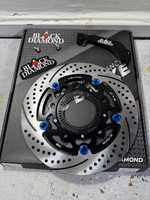
Original black diamond big disc 260mm for pcx160 abs pcx160 cbs plug n play
₱4,399.00
Buy on Lazada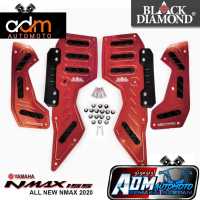
NMAX V3 TURBO 2025 NMAX V2 V2.1 black diamond brand foot matting with slider
₱2,150.00₱2,800.00
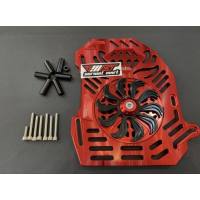
BLACK DIAMOND CNC Aluminum Radiator Cover Guard for Honda ADV 160 / PCX 160 / CLICK 160
₱2,500.00₱2,800.00

BLACK DIAMOND BRAND FOOT MATTING CNC FOR NMAX VERSION2 WITH SLIDER
₱2,100.00₱2,500.00
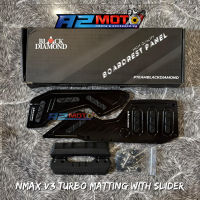
Nmax V2 V3 Turbo Foot Matting Black Diamond Foot board With Slider Bolts and Nuts Rubber
₱2,800.00₱3,000.00
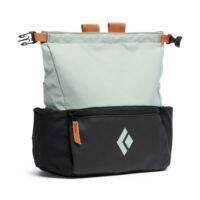
Magnetic Roll-top Chalk Bag
₱4,866.00₱6,434.00
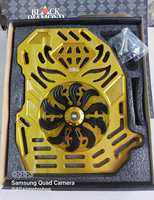
Black diamond cnc radiator universal for yamaha nmax v2 nmax v3 arox v3 and hond pcx160 adv150 adv160
₱1,945.00
Buy on Lazada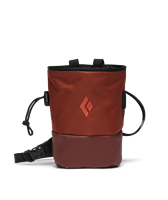
Black Diamond | Anti-slip Climbing Chalk Bag
₱2,375.00₱2,606.00
About Black Diamond
Overview
Black Diamond Equipment, commonly referred to as Black Diamond or BD, is an American brand specialising in technical gear for climbing, mountaineering, skiing, trail sports, and other demanding mountain activities. The company is widely recognised for its climbing hardware, ski equipment, trekking poles, headlamps, avalanche safety systems, technical apparel, and packs designed for rigorous outdoor environments.
While the Black Diamond brand was formally established in 1989, its origins trace back to 1957, when climber and blacksmith Yvon Chouinard began hand-forging steel pitons. Black Diamond positions itself as the modern continuation of the Chouinard Equipment legacy. Today, the company is headquartered in Salt Lake City, Utah, at the base of the Wasatch Mountains, and is owned by Clarus Corporation. 1
| Category | Information |
|---|---|
| Name | Black Diamond Equipment |
| Common name | Black Diamond / BD |
| Industry | Outdoor and sporting equipment |
| Primary markets | Climbing, skiing, mountaineering, mountain sports |
| Heritage | Chouinard Equipment |
| Brand established | 1989 |
| Historical roots | 1957 |
| Headquarters | Salt Lake City, Utah, USA |
| Parent company | Clarus Corporation |
| Parent-company status | Public company |
| Geographic reach | Global |
| Known for | Climbing hardware, Camalots, carabiners, crampons, ice tools, trekking poles, headlamps, ski equipment and technical apparel |
Clarus Corporation describes Black Diamond as an established global leader in high-performance, activity-based climbing, skiing, and technical mountain-sports equipment, with the brand positioned around performance, safety, reliability, and innovation. 8
Origins: Yvon Chouinard and climbing hardware
The history of Black Diamond predates the brand name itself. In 1957, 18-year-old climber Yvon Chouinard purchased a second-hand coal-fired forge and began hand-forging hardened-steel pitons. He sold these directly to fellow climbers, often transporting equipment in the boot of his car while travelling to destinations such as Yosemite.
These pitons were highly regarded for their strength and reusability, and their success led to the formation of Chouinard Equipment, the direct predecessor to Black Diamond. 16
This early period is significant because Black Diamond did not originate as a conventional sporting goods manufacturer; it emerged directly from the climbing community. The founding philosophy—that climbers should design and test equipment for climbers—remains central to the brand’s identity today.
The Clean Climbing revolution
A defining chapter in the brand’s heritage occurred during the 1970s. At the time, climbers routinely used pitons hammered into rock cracks, a practice that caused permanent damage to climbing routes through repeated placement and removal.
In 1972, Yvon Chouinard and Tom Frost published the Clean Climbing Manifesto in a Chouinard Equipment catalogue, advocating for removable protection that minimised environmental impact. 2 This was a commercially bold decision, as pitons reportedly accounted for approximately 70% of Chouinard Equipment’s sales at the time. The company effectively encouraged its customers to abandon one of its most profitable products in favour of alternatives like Hexentrics and Stoppers.
This movement embedded a core ethos into what would become Black Diamond: technical innovation combined with performance and environmental responsibility. It also profoundly influenced the broader evolution of modern climbing ethics and equipment standards.
Transition to Black Diamond Equipment
By the late 1980s, Chouinard Equipment faced severe financial and legal challenges, including product-liability litigation. In 1989, the company entered Chapter 11 bankruptcy protection. A group of former employees and investors, led by Peter Metcalf, acquired the assets and established Black Diamond Equipment. 17
Key milestones in this transition include:
- 1957: Business origins through Yvon Chouinard’s climbing hardware.
- Chouinard Equipment: The predecessor company.
- 1989: Black Diamond Equipment established from Chouinard Equipment’s assets.
- 1991: Relocation from California to the Salt Lake City area.
Consequently, while Black Diamond claims a 1957 heritage, the corporate entity dates specifically from 1989. 4
Relocation to Utah
In 1991, Peter Metcalf relocated Black Diamond and its workforce from California to Salt Lake City, Utah. This move was strategically significant, providing immediate access to diverse alpine, desert, and ski environments, including the Wasatch Mountains.
The location became integral to the company’s operational philosophy: employees could design equipment, test it in local mountains, and return with practical improvements. Black Diamond describes its headquarters as being situated at the base of the Wasatch range, with products developed and validated on nearby alpine peaks, crags, and trails. 5
Expansion into skiing and mountain sports
Over subsequent decades, Black Diamond expanded well beyond traditional rock-climbing hardware. Its portfolio grew to encompass:
- Rock climbing
- Alpine climbing
- Ice climbing
- Mountaineering
- Backcountry skiing
- Ski touring
- Trekking
- Trail activities
- Avalanche safety
- Outdoor lighting
- Technical outdoor apparel
This diversification transformed Black Diamond from a specialist hardware manufacturer into a comprehensive technical mountain-sports brand. Clarus now characterises the company as serving the broader climbing, skiing, and technical mountain-sports markets rather than solely the traditional climbing-equipment sector. 9
Product categories
Climbing equipment
Climbing remains the core of the Black Diamond portfolio. Products include:
- Carabiners
- Camming devices
- Nuts and passive protection
- Quickdraws
- Slings
- Harnesses
- Belay devices
- Climbing helmets
- Chalk bags
- Climbing gloves
- Climbing accessories
The Camalot family of mechanical camming devices is among the brand’s most recognised product lines. Black Diamond also cites its development of the world’s first wire-gate carabiner and the Camalot system as key examples of its engineering heritage. 7
Ice climbing and mountaineering
Black Diamond maintains a strong presence in technical alpine equipment, offering:
- Ice axes
- Technical ice tools
- Crampons
- Ice screws
- Mountaineering hardware
- Alpine climbing helmets
- Mountaineering packs
- Gloves and mitts
Its crampons and ice tools are engineered for conditions ranging from general mountaineering to highly technical ice and mixed climbing. 6
Ski equipment
The brand is heavily involved in skiing, particularly backcountry and ski-touring applications. Ski-related products include:
- Skis
- Ski poles
- Ski skins
- Ski packs
- Avalanche equipment
- Ski apparel
- Gloves
- Touring accessories
This focus distinguishes Black Diamond from climbing-only brands, reflecting a design philosophy centred on the broader concept of mountain sports.
Avalanche safety
Avalanche safety is another major category. Historically, the portfolio has included:
- Avalanche shovels
- Avalanche probes
- Avalanche transceivers
- Avalanche airbag systems
- Backcountry safety equipment
These products are designed for users in uncontrolled winter terrain where reliability is critical. Clarus identifies snow-safety equipment as a key component of Black Diamond’s broader product ecosystem. 11
Trekking and hiking
Beyond climbing circles, Black Diamond is widely known for:
- Trekking poles
- Hiking poles
- Headlamps
- Lanterns
- Packs
- Hiking accessories
Its trekking poles have become particularly recognisable among hikers and trekkers globally.
Lighting
Black Diamond has developed a substantial lighting category, including:
- Headlamps
- Rechargeable headlamps
- Lanterns
- Outdoor lighting accessories
Headlamps are utilised across climbing, mountaineering, trail running, camping, hiking, and ski touring.
Apparel
The company has expanded into technical clothing, comprising:
- Shell jackets
- Insulated jackets
- Midlayers
- Pants
- Bibs
- Gloves
- Mittens
- Technical climbing apparel
Black Diamond’s BD.dry technology serves as its proprietary waterproof and breathable platform for selected apparel products. 12
Major innovations
Black Diamond’s reputation is closely tied to engineering. Historically significant products and technologies associated with the Black Diamond and Chouinard lineage include:
- Pitons: The original foundation of the business.
- Hexentrics and Stoppers: Removable protection that advanced the Clean Climbing movement. 3
- Wire-gate carabiners: Black Diamond identifies its development of the world’s first wire-gate carabiner as a notable innovation.
- Camalot: A signature climbing product family that remains central to the hardware business. 7
- Avalanche technology: Products designed to improve backcountry preparedness and survival.
- JetForce: An electronically assisted avalanche-airbag system illustrating the integration of traditional mountain equipment with modern electronics. 14
Design philosophy
Black Diamond’s design approach differs from many mainstream sporting-goods brands. The company emphasises being immersed in the sports it serves, with a heritage statement describing the goal as being essentially “one with the sports we serve”. 9
The intended development process follows a path of athlete → problem → prototype → field testing → engineering → production, rather than a conventional market-research-led model. This methodology underpins the brand’s longstanding connection with professional climbers, skiers, and mountaineers.
Athletes and climbing culture
Black Diamond has cultivated a large community around athletes and mountain professionals, including climbers, skiers, alpinists, and trail athletes. The athlete programme extends beyond marketing; participants contribute to product development by testing equipment in extreme environments and providing feedback on usability, durability, and performance. This reinforces Black Diamond’s identity as an authentic technical-sports company rather than merely an outdoor fashion label.
Sustainability and environmental philosophy
Environmental responsibility has been part of the company’s heritage since the Chouinard Equipment era. The Clean Climbing movement of the 1970s, which encouraged climbers to reduce permanent damage to rock, serves as the clearest historical precedent. 3
Today, Black Diamond frames this philosophy as “Protect What Matters”, encompassing both people and outdoor environments. 11 Current sustainability efforts focus on:
- Product durability
- Responsible material choices
- Reduced environmental impact
- Recycled materials
- PFC-free solutions in selected products
- Product longevity
- Protection of climbing and mountain environments
For example, certain current apparel lines utilise recycled materials and PFC-free water-repellent technologies. 12
Ownership by Clarus Corporation
A significant corporate milestone occurred in 2010, when Clarus Corporation acquired Black Diamond Equipment in May of that year. The transaction combined Black Diamond with Gregory Mountain Products, and the public company was renamed Black Diamond, Inc. in January 2011. 12
On August 14, 2017, the company reverted its name from Black Diamond, Inc. to Clarus Corporation and changed its NASDAQ ticker from BDE to CLAR. 13 Consequently, Black Diamond became a brand within Clarus rather than the name of the publicly traded parent entity.
As of 2026, Clarus describes Black Diamond as the leading brand within its Outdoor segment. 14
Clarus Corporation portfolio
Clarus is headquartered in Salt Lake City and owns a portfolio of outdoor and adventure brands, including:
- Black Diamond
- Rhino-Rack
- MAXTRAX
- TRED Outdoors
- RockyMounts
Black Diamond serves as the group’s core climbing, skiing, and mountain-sports brand, while other brands focus on vehicle-based outdoor recreation, overlanding, and bicycle transportation. 15 This structure allows Black Diamond to operate within a larger publicly traded group while retaining its distinct identity and product ecosystem.
Global presence
Although fundamentally an American brand, Black Diamond operates in global markets. Distribution channels include:
- Specialty outdoor retailers
- Online retailers
- Distributors
- Direct-to-consumer websites
- International operations
Black Diamond established a European presence during the 1990s and subsequently expanded its international distribution network. 21 Its products are now used by climbers, skiers, hikers, and mountaineers worldwide.
Competitive identity
Black Diamond’s competitive positioning can be summarised by five characteristics:
- Deep technical heritage: History directly tied to the development of modern climbing equipment.
- Climber-driven design: Origins in actual climbing culture rather than purely commercial opportunity.
- Technical performance: Products designed for demanding environments rather than casual use.
- Strong mountain identity: Climbing, skiing, and mountaineering remain central to the brand.
- Innovation and safety: Engineering, testing, and reliability are paramount given the consequences of equipment failure. Clarus specifically describes Black Diamond as synonymous with premium performance, safety, and reliability. 14
Distinction from Patagonia
Black Diamond and Patagonia are sometimes associated due to their shared historical connection to Yvon Chouinard. However, they are not the same company.
The historical divergence is as follows:
- Yvon Chouinard → Chouinard Equipment → Black Diamond
- Yvon Chouinard → Great Pacific Iron Works → Patagonia
Black Diamond emerged from the climbing-equipment division of Chouinard’s original business, while Patagonia developed primarily as an outdoor-apparel and lifestyle company. Although they share historical DNA, Black Diamond is currently owned by Clarus Corporation, not Patagonia.
Brand positioning
Black Diamond occupies a specialised position within the outdoor industry. It is not primarily a lifestyle-fashion brand; its strongest identity is technical outdoor equipment.
| Area | Black Diamond’s position |
|---|---|
| Climbing | Core category |
| Alpine climbing | Core category |
| Ice climbing | Core category |
| Mountaineering | Core category |
| Backcountry skiing | Core category |
| Hiking/trekking | Major category |
| Trail activities | Growing/important category |
| Outdoor apparel | Major supporting category |
| Lifestyle fashion | Secondary |
| Casual sports | Not its primary focus |
This positioning explains why Black Diamond products often appear more specialised or technical compared to mainstream outdoor brands.
Reputation
Among serious climbers and mountain athletes, Black Diamond has developed a reputation for technical credibility, innovation, and durability. Clarus reported that Black Diamond received more than 500 industry awards over a five-year period, including over 225 product awards in 2025 alone. 8
The company also maintains an extensive patent and product-development portfolio, reflecting its emphasis on technical innovation. 10 While reputation varies by product category and individual experience, the brand is broadly recognised for its engineering focus.
Name and logo
The Black Diamond name and distinctive diamond-shaped logo are strongly associated with technical climbing and mountain equipment. The visual identity is particularly recognisable in climbing gyms and outdoor environments, appearing on carabiners, protection devices, headlamps, trekking poles, jackets, and ski equipment. This branding reinforces the company’s technical rather than fashion-oriented market positioning.
Timeline
1957
Yvon Chouinard begins making and selling hand-forged climbing pitons. 16
1960s
Chouinard Equipment develops innovative climbing and ice-climbing hardware.
1972
The Clean Climbing Manifesto promotes removable climbing protection and a less damaging approach to climbing. 2
1989
Employees and investors acquire the assets of Chouinard Equipment and establish Black Diamond Equipment. 17
1991
Black Diamond moves to the Salt Lake City area. 18
1990s
The company expands internationally and broadens its climbing and mountain-sports portfolio. 19
2010
Clarus Corporation acquires Black Diamond Equipment. 20
2011
The parent company becomes Black Diamond, Inc.
2017
Black Diamond, Inc. changes its corporate name to Clarus Corporation and ticker symbol to CLAR. 21
2020s
Black Diamond continues expanding its climbing, skiing, mountaineering, apparel, lighting, and mountain-safety products while operating as a Clarus brand. 22
2026
Black Diamond remains Clarus’s principal outdoor and mountain-sports brand, with a global presence in climbing, skiing, and technical mountain sports. 23
References
- Black Diamond Heritage | Black Diamond
- SEC
- Sustainability & Environmental Impact | Black Diamond
- BD Affiliate Program – Black Diamond
- Cyborg Pro Crampons – Black Diamond
- Alpine 3-Finger Mitts – Black Diamond
- Camalot™ Ultralight – Black Diamond
- CLARUS CORPORATION_December 31, 2025
- CLARUS CORPORATION_December 31, 2024
- sec.gov
- Company:Black Diamond Equipment – HandWiki
- clar-20221231x10k
- Black Diamond Equipment: History and Influence – Threadcurve
- clar-20201231x10k
- sec.gov
- sec.gov
- Black Diamond Equipment, Ltd. — Company History
- Black Diamond Equipment, Ltd | Encyclopedia.com
- History of Black Diamond Equipment, Ltd. – FundingUniverse
- Black Diamond® Equipment | Climb. Ski. Run. Hike.
- Who We Are – Black Diamond Europe
- Black Diamond® Equipment | Climb. Ski. Run. Hike.
- Who We Are | Black Diamond Equipment