Shop on Lazada
BMW products
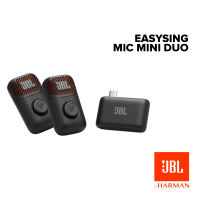
JBL EasySing Mini Duo / EasySing Mini / EasySing Wireless Microphone AI-Powered
₱12,799.00₱12,999.00

Nintendo Switch OLED / Switch 2 Console 7.9-inch 1080p Screen
₱19,999.00₱39,999.00
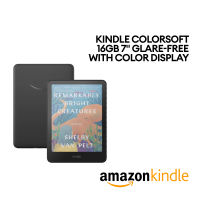
Amazon Kindle Colorsoft 16GB 7″ Glare-free with color display
₱16,619.00₱26,999.00
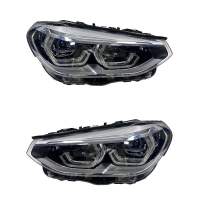
BMW X3Head Light/2017-2021/3rd Generation/LED/Bumper Light/Headlamp/Front Lamp/Head Light Assembly/2018 2019 2020 EzAuto
₱51,069.00₱151,696.00
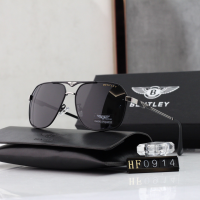
Authentic BMW/Audi Polarized Sunglasses For Men Fishing Driving Beach Fashion Shades Men Original Brand Metal Frame Anti UV400 With Case
₱809.10₱4,000.00
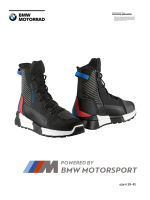
bmw knitlite motorrad waterproof riding boots for mens riding gear footwear
₱6,785.20₱12,206.03
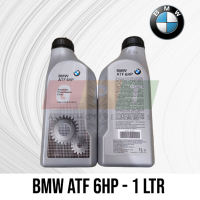
BMW ATF 6HP Automatic Transmission Fluid - 1 Liter
₱789.00₱850.00
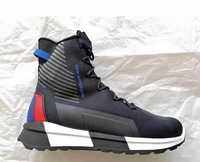
BMW knit race riding sneakers
₱14,500.00
Buy on LazadaAbout BMW
BMW AG (short for Bayerische Motoren Werke AG, meaning Bavarian Motor Works) is a German multinational manufacturer of premium automobiles, motorcycles, and mobility services. Founded in 1916 and headquartered in Munich, Bavaria, Germany, BMW is recognized as one of the world’s leading luxury automotive brands. The company is known for its emphasis on engineering excellence, performance, innovation, and driving dynamics, summarized by its long-standing slogan, “Sheer Driving Pleasure” (formerly marketed in many countries as “The Ultimate Driving Machine”). 1
BMW is the parent company of the BMW Group, which also owns the MINI, Rolls-Royce Motor Cars, and BMW Motorrad brands. The company operates production facilities across Europe, Asia, Africa, and the Americas, with vehicles sold in more than 140 countries worldwide. 2
Company Information
| Attribute | Details |
|---|---|
| Full Name | Bayerische Motoren Werke AG |
| Common Name | BMW |
| Founded | March 7, 1916 |
| Headquarters | Munich, Bavaria, Germany |
| Industry | Automotive |
| Products | Luxury cars, SUVs, electric vehicles, motorcycles |
| Parent Organization | BMW Group |
| Brands | BMW, MINI, Rolls-Royce Motor Cars, BMW Motorrad |
| Global Presence | Over 140 countries |
| Stock Exchange | Frankfurt Stock Exchange (BMW) |
History
Origins (1913–1918)
BMW’s roots trace back to Rapp Motorenwerke, an aircraft engine manufacturer founded in Munich in 1913. During World War I, the company specialized in producing aircraft engines for the German military.
In 1917, the company was renamed Bayerische Motoren Werke (BMW). After World War I ended, the Treaty of Versailles prohibited Germany from manufacturing aircraft engines, forcing BMW to diversify into other engineering products. 1
Early Expansion (1920s)
Unable to build aircraft engines, BMW began manufacturing:
- Industrial engines
- Railway brakes
- Motorcycles
In 1923, BMW introduced its first motorcycle:
BMW R 32
The R 32 featured the company’s signature boxer engine, a design that remains an important part of BMW Motorrad today.
BMW entered automobile manufacturing in 1928 after acquiring the Fahrzeugfabrik Eisenach factory, where it began producing licensed versions of the Austin 7, marketed as the BMW 3/15. 2
World War II
During World War II, BMW produced:
- Aircraft engines
- Military motorcycles
- Various wartime equipment
Following Germany’s defeat, BMW’s factories suffered extensive damage, and production was heavily restricted by Allied authorities.
Post-War Recovery
The company initially survived by producing:
- Kitchenware
- Bicycle parts
- Farm equipment
Motorcycle production resumed in 1948.
Automobile production restarted in 1952 with the luxury BMW 501 sedan.
Financial difficulties nearly forced BMW into acquisition by Mercedes-Benz in 1959, but investment from the Quandt family helped the company remain independent. 2
Modern BMW (1960s–Present)
BMW’s transformation began with the launch of the New Class (Neue Klasse) sedans in the early 1960s.
These vehicles established BMW’s modern identity:
- Sporty handling
- Premium interiors
- Driver-focused engineering
The company later introduced iconic model families including:
- 3 Series
- 5 Series
- 7 Series
- X Series SUVs
- M high-performance vehicles
In recent decades, BMW has invested heavily in:
- Electrification
- Autonomous driving
- Connected vehicle technologies
- Sustainable manufacturing
The BMW Group’s recent strategy includes the Neue Klasse platform, representing its next generation of electric vehicles. 2
BMW Logo
BMW’s circular logo features:
- Black outer ring
- White “BMW” lettering
- Blue-and-white inner quadrants
Contrary to popular belief, the logo was not originally designed as a spinning aircraft propeller. The blue and white colors represent the flag of Bavaria, reflecting the company’s regional heritage. The propeller interpretation became popular through later advertising. 1
Core Business
BMW operates through several major divisions:
BMW
Luxury passenger cars and SUVs.
Examples include:
- 1 Series
- 2 Series
- 3 Series
- 4 Series
- 5 Series
- 7 Series
- 8 Series
- X1–X7 SUVs
- Z4 Roadster
BMW M
BMW’s high-performance division.
Produces:
- M2
- M3
- M4
- M5
- XM
- M8
Also develops racing technologies and performance components.
BMW i
BMW’s electric mobility brand.
Major models include:
- i4
- i5
- i7
- iX
- iX1
- iX2
- iX3
The discontinued i3 and i8 were among BMW’s first dedicated electric and plug-in hybrid vehicles.
BMW Motorrad
BMW’s motorcycle division.
Produces:
- Adventure motorcycles
- Touring motorcycles
- Sport bikes
- Urban mobility scooters
Popular models include:
- R 1300 GS
- S 1000 RR
- F 900 GS
BMW Group Brands
BMW Group owns four primary automotive brands:
| Brand | Focus |
|---|---|
| BMW | Premium automobiles |
| MINI | Small premium vehicles |
| Rolls-Royce Motor Cars | Ultra-luxury automobiles |
| BMW Motorrad | Motorcycles |
Design Philosophy
BMW emphasizes:
- Driver-focused cockpit layouts
- Balanced weight distribution
- Rear-wheel-drive dynamics (on many models)
- Precision handling
- Premium materials
- Advanced digital technology
Its distinctive kidney grille has become one of the most recognizable design elements in the automotive industry.
Technology
BMW invests heavily in:
- Electric drivetrains
- Plug-in hybrid systems
- Hydrogen fuel-cell research
- Driver assistance systems
- Artificial intelligence
- Over-the-air software updates
- Connected vehicle services
The company’s iDrive infotainment system has evolved into one of the industry’s most advanced in-car digital platforms.
Sustainability
BMW’s sustainability initiatives include:
- Carbon-neutral production goals
- Increased use of recycled materials
- Renewable energy in manufacturing
- Circular economy practices
- Electrification of its vehicle lineup
- Battery recycling programs
Motorsport
BMW has a long motorsport heritage, competing in:
- Formula One (historically)
- Touring car championships
- Endurance racing
- GT racing
BMW M models are heavily influenced by the company’s racing experience.
Manufacturing
BMW operates production plants in countries including:
- Germany
- United States
- United Kingdom
- China
- Mexico
- South Africa
- India
- Brazil
These facilities produce vehicles for global markets.
Famous Models
Some of BMW’s most iconic vehicles include:
- BMW 2002
- BMW E30 M3
- BMW 507
- BMW 3 Series
- BMW 5 Series
- BMW 7 Series
- BMW X5
- BMW Z8
- BMW i8
- BMW M5
Brand Identity
BMW is widely associated with:
- Luxury
- Performance
- Precision engineering
- German craftsmanship
- Innovation
- Driving enjoyment
Its reputation has made it one of the most recognized premium automotive brands worldwide.