Shop on Lazada
Burlington products
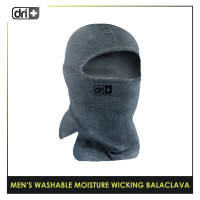
Dri Plus Mens Washable Multi-Functional Moisture Wicking Premium Balaclava 1 piece DMBALA01
₱380.10₱405.00
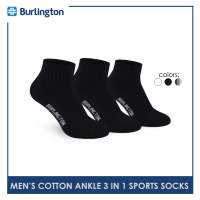
Burlington Mens Cotton Thick Sports Ankle Socks 3 pairs in a pack 0222
₱383.67₱485.00
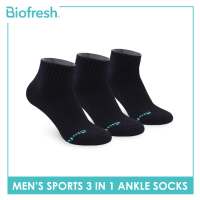
Biofresh Mens Antimicrobial Cotton Thick Sports Ankle Socks 3 pairs in a pack RMSKG18
₱429.85₱505.00
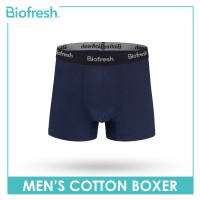
Biofresh Mens Antimicrobial Cotton Boxer Brief 1 piece UMBBFS2
₱155.00₱305.00
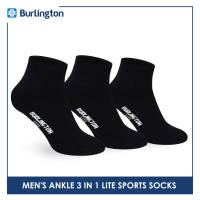
Burlington Mens Cotton Lite Sports Half Terry Performance Ankle Socks 3 pairs in a pack BML-222
₱357.21₱455.00
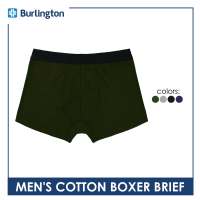
Burlington Mens Cotton Boxer Brief 1 piece GTMBBFS1
₱140.00₱285.00
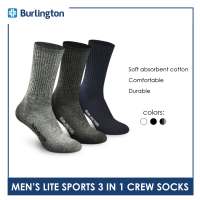
Burlington Mens Cotton Thick Sports Half Terry Performance Crew Socks 3 pairs in a pack BML-223
₱435.00
Buy on Lazada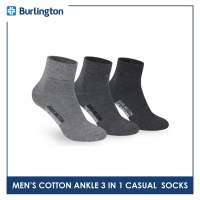
Burlington Mens Cotton Lite Thin Casual Ankle Socks 3 pairs in a pack 142
₱317.20₱435.00
About Burlington
Overview
| Category | Details |
|---|---|
| Company Name | Burlington Stores, Inc. |
| Former Name | Burlington Coat Factory Warehouse Corporation |
| Founded | 1972 |
| Founders | Monroe Milstein and Henrietta Milstein |
| Headquarters | Burlington Township, New Jersey, USA |
| Industry | Off-price retail |
| Stock Exchange | New York Stock Exchange (NYSE: BURL) |
| Number of Stores | Over 1,200 (2026) |
| Products | Clothing, shoes, handbags, beauty, home décor, toys, baby products, gifts, coats |
| Business Model | Off-price retail |
History
Founding (1972)
Burlington began in 1972 when Monroe and Henrietta Milstein purchased a former factory building in Burlington, New Jersey. The original concept focused on selling high-quality coats at prices substantially below those of department stores. The first store generated approximately $1.5 million in sales during its first year, demonstrating strong consumer demand for discounted branded apparel. [2]
Rapid Expansion (1970s–1990s)
Throughout the 1970s and 1980s, Burlington expanded rapidly across the United States. New departments were introduced, including:
-
Women’s apparel
-
Men’s clothing
-
Children’s clothing
-
Accessories
-
Shoes
-
Home products
By the late 1980s, the company had 134 stores, operations in 37 states, and more than $600 million in annual sales. The company completed its first public offering (IPO) in 1983, accelerating nationwide expansion. [2]
Private Ownership (2006)
In 2006, Burlington was acquired by Bain Capital for approximately $2 billion. At the time, the company had 368 stores and $3.4 billion in annual revenue. Following the acquisition, the company shifted its strategy from primarily selling coats to becoming a full-line off-price retailer. [2]
Rebranding
In 2013, Burlington returned to the stock market. Soon afterward, it officially dropped “Coat Factory” from its consumer branding. The change reflected that coats represented only a small portion of total sales. Today the company markets itself simply as Burlington. The slogan emphasizes that customers can find much more than outerwear. [2]
Business Model
Burlington follows the off-price retail model. Instead of carrying the newest seasonal collections at full price, it purchases:
-
Overstock merchandise
-
Manufacturer closeouts
-
Cancelled department store orders
-
Excess inventory
-
Opportunistic buys
This allows Burlington to sell products at prices often up to 60% below those of traditional retailers. Inventory changes frequently, creating a “treasure hunt” shopping experience. [1]
Product Categories
Burlington offers merchandise across numerous departments:
Apparel
-
Women’s fashion
-
Men’s clothing
-
Children’s clothing
-
Baby apparel
-
Activewear
-
Formalwear
Footwear
-
Sneakers
-
Boots
-
Sandals
-
Dress shoes
Accessories
-
Handbags
-
Jewelry
-
Watches
-
Belts
-
Wallets
-
Hats
-
Sunglasses
Beauty
-
Makeup
-
Fragrances
-
Hair care
-
Skin care
Home
-
Bedding
-
Kitchenware
-
Storage
-
Decorative items
-
Small furniture
-
Rugs
Toys
-
Educational toys
-
Plush toys
-
Seasonal gifts
Brands Sold
Unlike many retailers, Burlington does not manufacture most of the brands it sells. Instead, stores commonly carry products from well-known labels such as:
-
Nike
-
Adidas
-
Calvin Klein
-
Tommy Hilfiger
-
Levi’s
-
Puma
-
Guess
-
Steve Madden
-
Michael Kors
-
Under Armour
Availability varies by location and over time because inventory depends on opportunistic purchasing rather than fixed assortments. [1]
Store Format
Modern Burlington stores typically range from 20,000 to 40,000 square feet, with the company increasingly favoring smaller formats over the very large stores common in earlier decades. This strategy aims to improve efficiency and customer convenience while supporting continued expansion. [3]
Competitive Position
Burlington competes with other major American off-price retailers, including:
-
TJ Maxx
-
Marshalls
-
Ross Dress for Less
-
Nordstrom Rack
-
DD’s Discounts
Its key advantages include everyday low pricing, national brands, constantly changing inventory, broad product selection, and no membership required.
Corporate Growth
As of early 2026, Burlington has more than 1,200 stores, with operations in 46 states, Washington, D.C., and Puerto Rico. It is a Fortune 500 company and is publicly traded under ticker BURL. The company continues opening new locations each year, with a long-term goal of expanding its U.S. footprint. [1]
Corporate Responsibility
Burlington supports various community initiatives focused on education, disaster relief, local charities, employee volunteerism, and environmental sustainability. The company describes corporate social responsibility as an integral part of its business strategy. [4]
Interesting Facts
-
Burlington originally sold mostly coats, which inspired its original name.
-
The company has evolved into a full-line discount retailer where coats now represent only a small share of sales.
-
New merchandise arrives frequently, so shoppers often find different products on each visit.
-
Burlington emphasizes an in-store “treasure hunt” experience rather than a broad e-commerce offering. [4]
Summary
Burlington is one of the largest off-price retailers in the United States. Founded as Burlington Coat Factory in 1972, it transformed from a specialty outerwear store into a nationwide retailer offering discounted brand-name apparel, footwear, home goods, beauty products, and more. Its business model centers on purchasing excess and closeout merchandise from manufacturers and selling it at significant discounts, making it a popular destination for value-conscious shoppers. [1]