Shop on Lazada
CamelBak products
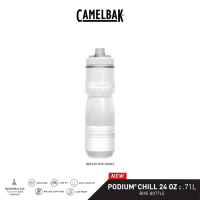
CamelBak 24oz Podium Chill Bike Bottle (Insulated)
₱930.00
Buy on Lazada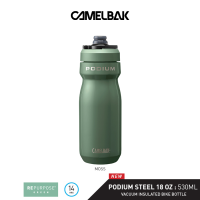
CamelBak Podium Steel 18oz Vacuum Insulated Bike Bottle
₱2,000.00
Buy on Lazada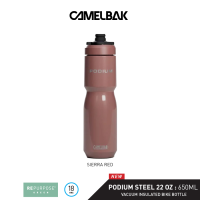
CamelBak Podium Steel 22oz Vacuum Insulated Bike Bottle
₱2,150.00
Buy on Lazada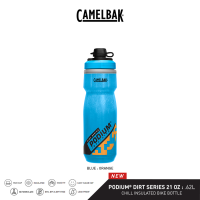
CamelBak 21oz Podium Chill Dirt Series Bike Bottle (Insulated)
₱1,000.00
Buy on Lazada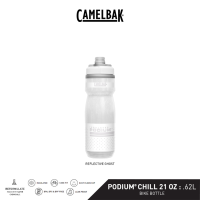
CamelBak 21oz Podium Chill Bike Bottle (Insulated)
₱820.00
Buy on Lazada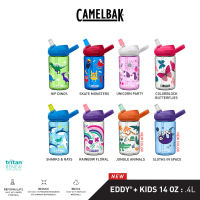
CamelBak Eddy+ Kids 14oz BPA-Free Water Bottle with Straw
₱640.00₱800.00
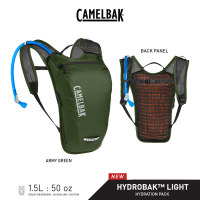
CamelBak Hydrobak Light Hydration Pack 50oz (1.5L)
₱3,100.00
Buy on Lazada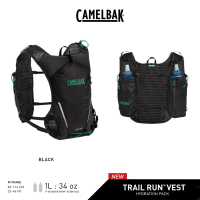
CamelBak Trail Run Vest with Two 17oz Quick Stow Flasks
₱5,100.00
Buy on LazadaAbout CamelBak
CamelBak is an American outdoor and performance-hydration brand best known for pioneering the hands-free hydration pack. Founded in 1989 by cyclist and emergency medical technician Michael Eidson, the company grew from a solution for carrying water during bicycle races into a global brand offering hydration packs, reusable bottles, reservoirs, running vests, bike bottles, hiking gear, and tactical/military hydration equipment.12
Today, CamelBak operates as part of Revelyst, a portfolio of outdoor and performance brands. Revelyst became a wholly owned subsidiary of funds managed by Strategic Value Partners (SVP) on January 3, 2025.2
Brand overview
| Category | Information |
|---|---|
| Brand name | CamelBak |
| Legal/company name | CamelBak Products, LLC |
| Founded | 1989 |
| Founder | Michael Eidson |
| Origin | United States |
| Original focus | Hands-free hydration systems |
| Industry | Outdoor equipment, sporting goods, hydration |
| Best known for | Hydration packs and reusable water bottles |
| Current parent organization | Revelyst |
| Ultimate ownership | Funds managed by Strategic Value Partners |
| Current Revelyst headquarters | Irvine, California |
| Major markets | Outdoor recreation, cycling, running, hiking, lifestyle and tactical/military |
Revelyst currently describes CamelBak as its “global leader in personal hydration products” and lists the brand as one of its portfolio companies.2
The origin story
CamelBak’s history begins with a specific logistical problem: how a cyclist can drink sufficient water without stopping or removing a bottle from its cage.
In 1989, Michael Eidson was competing in the Hotter’N Hell 100, a demanding bicycle race in Wichita Falls, Texas. As an emergency medical technician, Eidson was familiar with IV equipment. He improvised a hydration system using an IV fluid bag filled with water, placing it inside a sock and inserting it into the back of his cycling jersey. A tube ran from the bag over his shoulder, allowing him to drink while riding; the tube was reportedly secured using a clothespin.3
While the prototype was crude, the underlying concept established the foundation of CamelBak’s signature product category: hands-free hydration. The core principle was to place the water supply on the user’s back and route a drinking tube directly to the mouth. CamelBak officially describes itself as the company that invented the hands-free hydration category.1
Early development
Following the original prototype, CamelBak developed the concept into a commercially viable product. Early adoption was concentrated among mountain bikers and outdoor athletes. The company’s first major product was the ThermoBak, which helped establish the hydration-pack format in the early 1990s. Historical SEC filings describe CamelBak as gaining an initial following among mountain bikers before expanding into other markets where convenient access to water was critical.4
The basic architecture became recognizable: a backpack containing an internal water reservoir connected to a drinking tube and bite valve. Instead of stopping to reach for a bottle, the user could simply bite the valve to drink. This design proved particularly useful for:
- Mountain biking
- Road cycling
- Hiking
- Running
- Military operations
- Long-distance outdoor activities
- Adventure racing
From cycling product to major outdoor brand
CamelBak’s significance lies in establishing hydration as an integrated component of outdoor equipment rather than a separate accessory. Traditional outdoor hydration generally relied on canteens, water bottles, bottle cages, or backpacks with separate bottle compartments. CamelBak integrated water storage and carrying equipment into a single system.
This integration altered user behaviour. Rather than viewing hydration as an activity requiring a stop, users could hydrate continuously while moving. The hands-free concept became especially valuable in activities where stopping was inconvenient or potentially dangerous. By the 2000s, CamelBak had expanded well beyond its original cycling audience.
Expansion into military and tactical markets
A significant area of expansion for CamelBak was the military and tactical market. Hands-free hydration offered distinct advantages to soldiers and personnel who needed to carry water while keeping their hands available for other tasks.
CamelBak subsequently developed specialized products for military and tactical users, including ruggedized hydration packs and reservoirs. Its current product portfolio continues to include a substantial Tactical & Military category, featuring products such as the M.U.L.E., BFM, H.A.W.G., ThermoBak, Motherlode, and Mil Spec Crux reservoirs.1 Historical SEC filings also described CamelBak as a major supplier of hydration equipment to the U.S. military and noted its distribution in more than 50 countries at the time.4
This military presence reinforced the brand’s reputation for durability, reliability, and field usability.
Expansion beyond hydration packs
CamelBak eventually transformed from a hydration-pack specialist into a broader personal hydration company. Its current range includes several major categories.12
Hydration packs
Hydration packs remain the product most strongly associated with CamelBak. Examples include hiking hydration packs, cycling hydration packs, running packs, hydration vests, tactical packs, and lightweight adventure packs. A typical pack contains a removable water reservoir connected to a drinking tube.
Water reservoirs
The Crux reservoir system is one of CamelBak’s modern hydration technologies. The reservoir is designed to sit inside a backpack while allowing the user to drink through a tube without removing the unit.
Water bottles
CamelBak has also become a major reusable-water-bottle brand. Its product families include Podium, Thrive, Eddy, kids’ bottles, stainless-steel bottles, insulated bottles, and lifestyle bottles. The company’s current website positions both hydration equipment and everyday drinkware as core parts of its business.12
Running equipment
CamelBak produces running hydration vests, hydration belts, soft flasks, and lightweight running packs. These products target road runners, trail runners, and endurance athletes.
Cycling products
Cycling remains an important part of the brand’s identity. CamelBak’s Podium line is particularly associated with cycling water bottles, and the brand also manufactures cycling hydration packs and accessories.1
Outdoor and lifestyle products
The brand has increasingly moved into everyday use with travel bottles, tumblers, insulated drinkware, commuter products, and kids’ bottles. This allows CamelBak to compete not only in outdoor equipment but also in the larger reusable-drinkware market.
Major product technologies
CamelBak’s competitive identity has historically been built around relatively simple but carefully engineered hydration technology.
Crux reservoir
Crux is one of CamelBak’s flagship reservoir systems. It is designed to provide a high-flow drinking experience while remaining integrated into a hydration pack. The concept is central to modern CamelBak packs, enabling users to carry a relatively large volume of water on their back and drink through a tube.
Big Bite Valve
The Big Bite Valve is a well-known component of CamelBak’s hydration systems. Rather than opening a conventional bottle cap, the user bites the valve to release water. This mechanism is particularly useful while cycling, running, hiking, skiing, working, or riding.
Podium technology
CamelBak’s cycling bottles have developed their own design language. The company states that its Podium bottles use TruTaste polypropylene, intended to minimize unwanted taste, while selected products incorporate HydroGuard antimicrobial technology.5
Brand philosophy
CamelBak’s current brand positioning revolves around the idea that hydration is fundamental to human performance. Its official mission emphasizes continuously reinventing outdoor hydration and carrying solutions for an active lifestyle. Stated values include being inventors, solving difficult problems, and designing products around real user needs.1
The brand’s philosophy can be summarized as making hydration easier so people can keep moving. This explains why CamelBak products tend to focus on accessibility while moving rather than simply maximizing water capacity.
Sustainability
CamelBak has positioned reusable bottles as part of its environmental strategy. The company’s stated philosophy includes the slogan “Refills not landfills,” aiming to encourage reusable hydration products instead of disposable single-use plastic bottles. CamelBak describes its reusable bottles as being designed for repeated use, easy cleaning, and long-term ownership.1
The company has also introduced products using recycled or more environmentally oriented materials in some product lines. However, it is important to distinguish between CamelBak’s sustainability goals and the broader environmental impact of manufacturing plastic, stainless-steel, and textile products. While reusable products can reduce single-use consumption, their overall environmental benefit depends on factors such as product lifespan, materials, manufacturing processes, and actual frequency of reuse.
Ownership history
CamelBak has changed corporate ownership several times during its development.
1989 — Founded
Michael Eidson establishes CamelBak and develops the hands-free hydration concept.
Early 1990s — Outdoor growth
The company gains traction among mountain bikers and other outdoor enthusiasts, with the ThermoBak becoming an important early product.4
2011 — Compass Diversified
CamelBak became controlled by Compass Diversified Holdings in 2011. Historical SEC documents record an approximately $258.6 million acquisition transaction.4
2015 — Vista Outdoor
Vista Outdoor acquired CamelBak in 2015 for approximately $412.5 million. CamelBak remained headquartered in Petaluma, California, and became part of Vista Outdoor’s outdoor-products portfolio.6
2024 — Revelyst
Vista Outdoor separated its portfolio into businesses, with CamelBak becoming part of Revelyst, the outdoor/performance portfolio.
2025 — Strategic Value Partners
On January 3, 2025, the transaction transferring Revelyst to funds managed by Strategic Value Partners was completed. CamelBak consequently became part of the privately owned Revelyst portfolio.4
As of 2026, Revelyst’s own website lists CamelBak among its portfolio brands.2
CamelBak and Revelyst today
Revelyst describes itself as a collective of outdoor and performance brands. Its portfolio includes names such as:
- CamelBak
- Bell
- Giro
- Fox
- Bushnell
- Simms
- Foresight Sports
- Blackburn
- Stone Glacier
CamelBak sits within Revelyst’s outdoor/performance ecosystem alongside brands focused on cycling, fishing, optics, motorsports, and other outdoor activities.2 Revelyst currently lists CamelBak’s headquarters as Irvine, California.2
Brand identity
CamelBak maintains a distinctive brand identity characterized by several core traits.
Functional
Products are designed primarily around solving hydration problems.
Outdoor-oriented
The brand has strong associations with hiking, cycling, trail running, and adventure.
Performance-focused
CamelBak frequently markets products toward endurance and high-performance users.
Military-inspired
The tactical side of the business has influenced the brand’s reputation for ruggedness.
Technical but accessible
Although many products are highly technical, CamelBak also sells relatively simple everyday water bottles.
Target customers
CamelBak serves several overlapping customer groups.
Athletes
Cyclists, runners, and endurance athletes use CamelBak products when carrying water efficiently is important.
Outdoor enthusiasts
Hikers, backpackers, campers, and adventure travelers constitute another core audience.
Tactical users
Military, law-enforcement, and other professional users represent an important specialist market.
Everyday consumers
Reusable bottles and travel drinkware allow CamelBak to reach consumers who may never go hiking or cycling.
Children and families
CamelBak also has dedicated children’s hydration products, extending the brand into family and school use.1
Major product families
Some of the names most associated with CamelBak include:
| Product/family | Typical use |
|---|---|
| Crux | Hydration reservoirs |
| Podium | Cycling water bottles |
| M.U.L.E. | Outdoor/cycling hydration packs |
| ThermoBak | Tactical/military hydration |
| H.A.W.G. | Tactical/outdoor packs |
| Chase | Cycling/running hydration |
| Arete | Hiking/day packs |
| Thrive | Everyday drinkware |
| Eddy | Everyday water bottles |
| Quick Stow | Soft flasks |
| Apex | Performance running hydration |
The exact range changes over time, but the overall strategy remains consistent: water storage combined with convenient access and mobility.12
Competitive position
CamelBak occupies a distinct position because it competes across several different markets. In hydration packs, its competitors can include brands such as Osprey, Nathan, Ultimate Direction, and Source. In reusable bottles, it competes with brands such as Hydro Flask, YETI, Stanley, and Nalgene. In cycling, it competes with specialized cycling-bottle and hydration-system manufacturers.
CamelBak’s advantage is its historical association with hydration itself. Rather than entering hydration as an extension of another business, CamelBak built its identity around solving the problem of carrying and consuming water during physical activity.
Why the name “CamelBak”?
The name is a play on “camel’s back.” Camels are culturally associated with carrying water and surviving long journeys through difficult environments. The name therefore communicates the basic idea behind the product: carrying water while traveling. It also connects neatly with the original backpack-style hydration concept.
Significance in outdoor equipment
CamelBak’s primary contribution to outdoor equipment was the popularization of a new behaviour regarding hydration.
Before CamelBak
The standard process involved carrying water, stopping, retrieving a bottle, drinking, and then continuing.
CamelBak concept
The CamelBak system allows users to carry water, drink through a tube, and keep moving without interruption.
This change is significant in endurance sports and outdoor activities because it makes hydration more frequent, more convenient, less disruptive, and more compatible with continuous movement. The company itself describes its historical contribution as inventing the hands-free hydration category.1
Place in outdoor culture
Over more than three decades, CamelBak has become strongly associated with the visual language of outdoor adventure. A person wearing a small backpack with a drinking tube over their shoulder is now a familiar sight in mountain biking, trail running, hiking, adventure racing, military training, long-distance cycling, and outdoor events.
This is significant because the product category CamelBak helped establish is now commonplace. Many consumers today regard hydration packs as standard outdoor equipment rather than a novel invention.
Summary
Timeline
- 1989 — Michael Eidson develops the first CamelBak concept during the Hotter’N Hell 100 bicycle race.7
- Early 1990s — CamelBak gains popularity among mountain bikers; the ThermoBak becomes an important early product.4
- 2000s — The brand expands beyond cycling into broader outdoor and military markets.
- 2011 — CamelBak comes under control of Compass Diversified Holdings.4
- 2015 — Vista Outdoor completes its approximately $412.5 million acquisition of CamelBak.6
- 2024 — CamelBak becomes part of Revelyst following Vista Outdoor’s corporate restructuring.
- January 2025 — Revelyst becomes a wholly owned subsidiary of funds managed by Strategic Value Partners.4
- 2026 — CamelBak continues to operate as a Revelyst brand, with products spanning cycling, running, hiking, lifestyle hydration, and tactical/military applications.2