Shop on Lazada
Capilano products
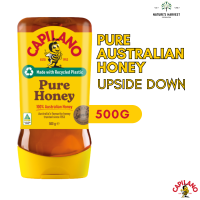
CAPILANO Pure Australian Honey - Upside Down (500g)
₱509.00
Buy on Lazada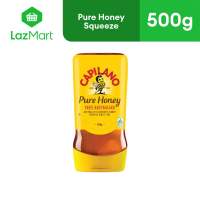
Capilano Honey Upside Down Squeeze Bottle 500g
₱539.00
Buy on Lazada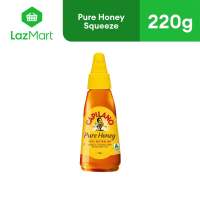
Capilano Honey Twist & Squeeze Bottle 220g
₱259.00
Buy on Lazada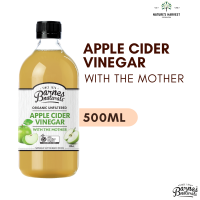
BARNES NATURALS Apple Cider Vinegar with The Mother (500ml)
₱287.00
Buy on Lazada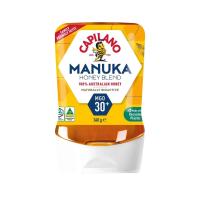
Capilano Manuka Honey MGO30+ in Upside Down Squeeze Bottle 340g
₱720.00₱875.00
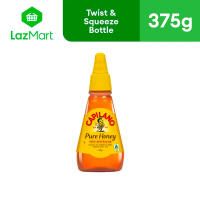
Capilano Honey Twist & Squeeze Bottle 375g
₱387.10₱395.00
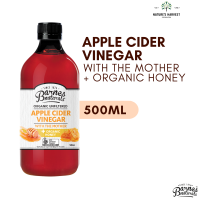
BARNES NATURALS Apple Cider Vinegar with The Mother + Organic Honey (500ml)
₱425.00
Buy on Lazada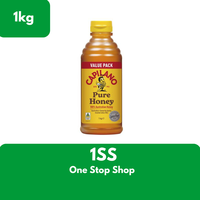
Capilano Lure Honey 1kg
₱1,199.00
Buy on LazadaAbout Capilano
Overview
Capilano is a prominent Australian honey brand with origins dating back to 1953. Established in Brisbane by brothers Tim and Bert Smith, the company was founded with a mission that continues to define its operations: assisting Australian beekeepers in marketing their produce while supplying consumers with consistent, high-quality honey.1
Today, Capilano is widely recognised for its 100% pure Australian honey, distinctive national branding, and enduring partnerships with Australian beekeeping families. The brand operates under Hive & Wellness Australia and distributes products domestically within Australia as well as to international markets, including the Philippines.2
| Category | Details |
|---|---|
| Brand | Capilano |
| Origin | Brisbane, Queensland, Australia |
| Founded | 1953 |
| Founders | Tim Smith and Bert Smith |
| Industry | Food & beverage / honey |
| Main product | Australian honey |
| Parent company | Hive & Wellness Australia |
| Ownership | Australian-owned |
| Australian beekeepers supported | 600+ families |
| Products sold internationally | 30+ countries |
| Packing locations | Queensland, Victoria and Western Australia |
| Core positioning | Australian honey, beekeeping heritage, quality and natural goodness |
Capilano states that it supports more than 600 Australian beekeeping families, with its honey products available in over 30 countries worldwide.1
History
Foundation (1953)
Capilano was established in 1953 by Australian apiarists Tim Smith MBE and his brother Bert Smith. The brothers launched the business in Richlands, Brisbane, initially packing and selling honey to local grocery stores.1
During the 1950s and 1960s, the Australian honey market was highly fragmented. Tim and Bert Smith identified an opportunity to organise honey sales more effectively, creating predictable demand and supply chains. Their original concept incorporated a cooperative dimension aimed at strengthening the position of Australian beekeepers while simultaneously building a recognisable consumer brand.1
Expansion and corporate milestones
The company gradually expanded its operations beyond Queensland. Key milestones in its development include:
- 1953: Capilano founded in Brisbane.
- 1968: Establishment of a packing plant and distribution centre at St Marys, near Sydney.
- 1974: Expansion into Maryborough, Victoria.
- 1974: Corporate name changed to Honey Corporation of Australia Limited.
- 1980s: Capilano became a major force in the Australian packaged-honey market and expanded its range of varietal honeys.
- 1989: Acquisition of Barnes Honey.
- 1995: Corporate name reverted to Capilano Honey Limited, reflecting the strength of the consumer brand.3
Capilano subsequently developed into a large-scale honey packer and exporter, with historical records describing it as one of the world’s major honey packers.3
Origin of the name “Capilano”
Despite its strong association with Australian honey, the name Capilano has a personal connection to Canada.
According to the company’s history, founder Tim Smith met his future wife, Jill, in the Capilano district near Vancouver, Canada, while stationed there as a RAAF flying instructor during World War II. The name was later adopted for the Australian honey business.1
The name is associated with the Capilano River and surrounding area near Vancouver, deriving from an Indigenous term. The current Capilano website notes the name connects to local Indigenous language and translates to “rushing water.”1
Brand identity
Capilano’s identity is anchored in several core themes relevant to both domestic and export markets.
Australian provenance
The central message of the brand is “100% pure Australian honey.” Capilano emphasises Australian floral sources, local beekeepers, and domestic production. Its consumer positioning highlights the brand as Australian made and owned.1
Beekeeping heritage
Beekeepers are integral to the company’s identity. Capilano notes that many supplying beekeepers come from multi-generational families, positioning the company not merely as a manufacturer but as part of Australia’s broader beekeeping ecosystem.1
Consistency
As honey is a natural agricultural product, flavour can vary based on floral source, geography, season, and environmental conditions. Capilano employs blending and quality-control processes to maintain a recognisable flavour profile. Incoming honey is tested for moisture, colour, and flavour before being assessed and grouped by variety.1
Production process
Capilano describes its honey as hive-ripened and hand harvested. The production chain follows this sequence:
Flowers → Bees → Hive → Honey extraction → Testing → Blending/processing → Packaging → Consumer
The honey is naturally dried and ripened by bees in the hive. Once ready, beekeepers collect it from frames and send it to Capilano for quality testing and packing. The company operates laboratory and quality-assurance processes to ensure compliance with Food Standards Australia New Zealand (FSANZ) requirements.1
Product range
While classic Australian honey remains the core offering, Capilano has significantly expanded its portfolio. Depending on the market, the range includes:
- Pure Australian honey
- Manuka honey
- Creamed honey
- Varietal/floral honeys
- Squeeze-pack honey
- Cooking honey products
- Flavoured honey
- Hot/chilli honey
- Other honey-based products
The Australian website currently features Pure Honey, Manuka, Creamed Honey, and Hot Chilli Honey among its offerings.1
A notable innovation has been the squeeze packaging, developed to provide a convenient “no mess, no drip” alternative to traditional glass jars.1
Australian eucalyptus honey
A key aspect of Capilano’s identity is Australia’s distinctive flora. The signature honey is described as a blend of Australian native honeys, including eucalyptus-associated floral sources. Master blenders work with these varieties to develop the characteristic flavour profile associated with the brand.1
Australia’s vast geographic range and diverse native vegetation provide access to numerous floral sources. This diversity informs branding that connects the product to the broader concept of “Australia” rather than presenting it as a generic sweetener.1
Beekeepers and supply chain
Capilano was founded to improve the marketing position of Australian apiarists, a philosophy that remains central today. The company works with more than 600 Australian beekeeping families.1
This relationship underscores the extensive agricultural ecosystem required for honey production:
Beekeepers → bees → flowering plants → honey → processing/packing → retailers → consumers
Given the role of bees in agricultural pollination, Capilano frequently links its business to the sustainability and future of Australian apiculture.1
Manufacturing and packing
Capilano honey is packed at multiple facilities across Australia:
- Richlands, Queensland
- Maryborough, Victoria
- Bayswater, Western Australia
These locations enable sourcing from different regions and support a national processing and distribution network. Richlands is particularly significant as the original establishment site and location associated with the head office.2
Ownership and corporate evolution
Capilano’s corporate structure has evolved considerably since 1953. Originally developing from a beekeeper-oriented cooperative model, it later became a public company listed on the Bendigo Stock Exchange in 2004, before moving to the Australian Securities Exchange (ASX) in 2012.4
In 2018, Capilano Honey was acquired by Australian investment firm Wattle Hill RHC, subsequently becoming part of the broader Hive & Wellness business.4 Government ABN records indicate the entity formerly known as Capilano Honey Limited changed its name to Hive & Wellness Australia Pty Ltd in March 2019.
Today, Capilano serves as the flagship honey brand within the Hive & Wellness Australia portfolio.
Hive & Wellness Australia
Capilano is part of Hive & Wellness Australia, which manages several honey and natural-health brands. The group’s current portfolio includes:
- Capilano
- Barnes Naturals
- Wescobee Honey
- Beeotic Honey
The company describes Capilano as the brand at the heart of its heritage, tracing the group’s origins to the Smith brothers’ 1953 business.2 Consequently, Capilano now functions as the flagship consumer brand within a broader Australian honey and wellness group rather than a standalone independent company.
International presence
Although strongly Australian in branding, Capilano maintains a significant international footprint. Products are sold in more than 30 countries, including:
- Australia
- Japan
- China
- United States
- Canada
- Singapore
- Malaysia
- Philippines
- Indonesia
- Saudi Arabia
- United Arab Emirates
- United Kingdom
- European markets
This reach demonstrates how Capilano has successfully leveraged national provenance as an international selling proposition.1
Brand positioning
From a marketing perspective, Capilano occupies a distinct position defined by:
Australian heritage + natural product + beekeeper relationships + recognizable taste + convenience
Competitive identity is not based solely on price but differentiated through:
- Australian origin
- Long heritage
- Brand recognition
- Consistent flavour
- Relationships with beekeepers
- Quality assurance
- Convenient packaging
- Product innovation
- International reputation
Corporate messaging consistently emphasises purity, Australian origin, natural production, and beekeeping heritage.1
Packaging and visual identity
Packaging plays a crucial role in brand recognition. Capilano traditionally uses a strong yellow/gold colour palette associated with honey, bees, and warmth. Distinctive bee imagery, the Capilano name, and the familiar squeeze-bottle format ensure visibility on supermarket shelves.
The packaging strategy reinforces the promise that honey should be easy to use as an everyday food. This is particularly evident in the squeeze format, historically promoted as a convenient, clean alternative to conventional jars.1
Sustainability and bees
Sustainability is increasingly central to Capilano’s corporate identity. The company is committed to supporting a sustainable Australian apiculture industry and future generations of beekeepers.1
Commercial interests are linked to:
- Healthy bee populations
- Sustainable beekeeping
- Floral biodiversity
- Future generations of Australian beekeepers
- Responsible agricultural practices
Capilano also acknowledges Australia’s Traditional Custodians and their continuing connections to land, sea, and community.1
Controversies and criticism
Like many large agricultural-food companies, Capilano has faced public scrutiny. In the 2010s, the company was involved in disputes concerning honey sourcing, imported honey, and allegations of adulteration. While some allegations were made publicly by beekeepers and others, Capilano denied wrongdoing. ABC News reported that Capilano maintained its honey was comprehensively tested and subject to FSANZ requirements.5
It is important to distinguish between allegations and established findings. Historical controversies involved multiple brands and sourcing arrangements, not solely a finding regarding Capilano’s flagship Australian honey. These issues highlight broader industry challenges regarding consumer demand for transparency on origin, purity, and the distinction between imported and Australian honey.5
Cultural significance in Australia
Capilano has transcended its status as a mere food product in Australia. Sold for over seven decades, generations of Australians have encountered the brand at breakfast tables, in lunchboxes, and in supermarkets. The company describes Capilano as a taste that generations have grown up with.1
Its longevity provides a sense of heritage that newer brands cannot easily replicate. Consumers purchasing Capilano today buy into a product category familiar to parents and grandparents, despite significant evolution in ownership, technology, and packaging.1
Business significance
Capilano’s history mirrors the development of Australia’s modern packaged-food industry, evolving through several stages:
Local beekeeper enterprise
↓
Cooperative/organized honey marketing
↓
National honey company
↓
Major honey packer and exporter
↓
Public company
↓
Private ownership
↓
Flagship brand within Hive & Wellness
Throughout this evolution, the basic proposition established by Tim and Bert Smith in 1953 has remained consistent: support Australian beekeepers, deliver quality honey, and build consumer trust.1
Distinction between brand and company
A key distinction exists between the consumer brand and the corporate entity:
- Capilano = the consumer-facing honey brand.
- Hive & Wellness Australia = the broader corporate group owning and operating the brand today.
This distinction is relevant because historical corporate records may reference Capilano, while current government records identify the entity as Hive & Wellness Australia Pty Ltd.
Timeline
| Year | Event |
|---|---|
| 1953 | Tim and Bert Smith establish Capilano in Brisbane |
| 1950s–60s | Business develops its beekeeper-focused marketing model |
| 1968 | Sydney-area packing facility established |
| 1974 | Maryborough, Victoria operation established; company becomes Honey Corporation of Australia |
| 1980s | Capilano becomes a major Australian honey packer and expands varietal products |
| 1989 | Barnes Honey acquired |
| 1991 | Twist & Squeeze packaging innovation introduced |
| 1995 | Company name becomes Capilano Honey Limited |
| 2004 | Listed on Bendigo Stock Exchange |
| 2012 | Moves to ASX |
| 2018 | Acquired by Wattle Hill RHC |
| 2019 | Corporate entity becomes Hive & Wellness Australia |
| 2020s | Capilano continues as flagship brand of Hive & Wellness, with international distribution |
Historical milestones are drawn primarily from Capilano/Hive & Wellness material and Australian government records.12