Shop on Lazada
Nescafé products
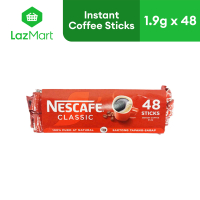
Nescafé Classic Instant Coffee Sticks 91.2g (1.9g x 48)
₱159.60₱168.00
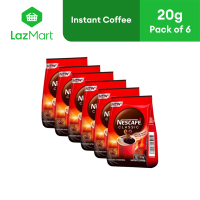
Nescafé Classic Refill 20g - Pack of 6
₱176.90₱177.00
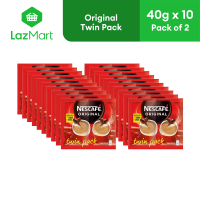
Nescafé Original Twin Pack (40g x 10) - Pack of 2
₱260.95₱307.00
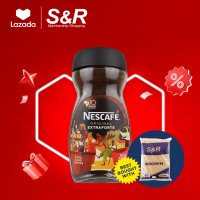
Nescafe Original Extraforte 200g
₱393.00
Buy on Lazada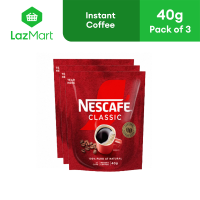
Nescafé Classic 40g - Pack of 3
₱170.90₱171.00
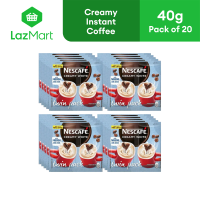
Nescafé 3-in-1 Creamy White Coffee Twin Pack 40g
₱301.90₱302.00
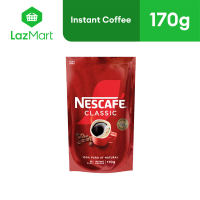
Nescafé Classic Instant Coffee 170g
₱223.37₱223.43
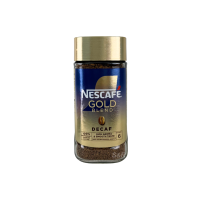
Nescafe Gold Blend Decaf 190g
₱818.00
Buy on LazadaAbout Nescafé
Brand Overview
Nescafé is the world’s leading instant coffee brand, owned and marketed globally by Nestlé. First introduced in Switzerland on April 1, 1938, it has grown into one of the most recognizable coffee brands internationally and is currently sold in more than 180 countries. The brand offers an extensive portfolio of coffee products, ranging from instant coffee, roast and ground coffee, and coffee capsules to ready-to-drink beverages and coffee mixes.1
Brand Name
The name Nescafé is a portmanteau derived from two elements:
- “NES” – taken from Nestlé
- “CAFÉ” – the French word for coffee
This combination was chosen to reflect the company’s objective of creating a convenient coffee product that still retained authentic coffee flavor.2
History
The origins of Nescafé trace back to 1929, when Brazil experienced a massive surplus of coffee beans following a global economic downturn. The Brazilian government approached Nestlé with a request to develop a product capable of preserving excess coffee without compromising quality.
Swiss chemist Max Morgenthaler led a research team that dedicated seven years to developing a soluble coffee powder that maintained the natural aroma and taste of coffee. This research culminated in the creation of Nescafé, which was officially launched in Switzerland in 1938.
During World War II, Nescafé gained widespread popularity after being included in the emergency rations of U.S. soldiers. Following the war, its international recognition expanded rapidly, establishing it as one of the world’s best-known coffee brands.3
Products
Nescafé produces a broad portfolio of coffee products tailored to various markets. The global lineup includes:
- Instant coffee (Nescafé Classic)
- Premium instant coffee (Nescafé Gold)
- 3-in-1 coffee mixes
- Coffee capsules
- Roast and ground coffee
- Ready-to-drink canned and bottled coffee
- Specialty coffee beverages
Product availability varies significantly by country. In the Philippines, popular variants include Nescafé Classic, Original, Creamy White, Creamy Latte, and Gold.4
Global Presence
Nescafé is sold in over 180 countries and is considered one of the largest coffee brands in the world. The brand serves millions of cups daily through diverse channels, including supermarkets, convenience stores, cafés, offices, hotels, restaurants, and vending solutions.5
Sustainability
Nescafé has invested heavily in sustainable coffee production through initiatives focused on several key areas:
- Responsible coffee sourcing
- Supporting coffee farmers with training and improved farming techniques
- Promoting regenerative agriculture
- Reducing greenhouse gas emissions
- Improving recyclable and sustainable packaging
The company has stated long-term goals to increase the share of responsibly sourced coffee and expand regenerative farming practices across its supply chain.
Marketing
Nescafé advertising has historically centered on themes of bringing people together over coffee, morning routines, friendship, social connection, inspiration, and productivity. Its global slogan has evolved over time, with the current international tagline being “Make Your World.”6
Key Facts
- Introduced: 1938
- Country of origin: Switzerland
- Parent company: Nestlé
- Product category: Instant coffee and coffee beverages
- Availability: More than 180 countries
- Origin: Developed after Brazil sought a solution for excess coffee production
- Status: One of the world’s best-selling coffee brands
Timeline
| Year | Milestone |
|---|---|
| 1929 | Brazil asks Nestlé to develop a way to preserve surplus coffee beans. |
| 1938 | Nescafé officially launches in Switzerland. |
| 1940 | Sold in more than 30 countries. |
| 1940s | Included in U.S. military rations during World War II. |
| 1965 | Introduction of Nescafé Gold in Europe. |
| 2005 | Launch of sustainability initiatives including certified coffee programs. |
| Today | Available worldwide with numerous coffee formats and regional product lines. |
Summary
Nescafé is a pioneering coffee brand that transformed coffee consumption by making it fast, convenient, and widely accessible. Since its launch in 1938, it has expanded from a single instant coffee product into a global portfolio of coffee beverages enjoyed by consumers around the world. Its continued investment in innovation, sustainability, and coffee quality has helped maintain its position as one of the most recognized and influential coffee brands globally.7