Shop on Lazada
Carlo Rossi products
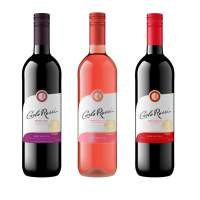
Carlo Rossi Best Seller Bundle (Sweet Red Pink Moscato Red Moscato)
₱988.26₱1,086.00
Carlo Rossi Sweet Red 750ml
₱347.52₱362.00
Carlo Rossi California Red 750ml
₱329.42₱362.00
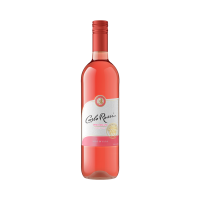
Carlo Rossi Pink Moscato 750ml
₱336.66₱362.00
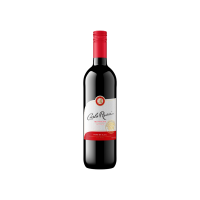
Carlo Rossi Red Moscato 750ml
₱340.28₱362.00

CARLO ROSSI 750ML RED WINE WITH GIFT BOX / GIFT /GIVEAWAYS 7
₱290.00
Buy on Lazada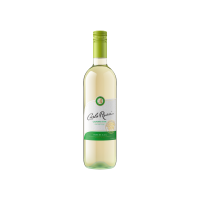
Carlo Rossi California White 750ml
₱329.42₱362.00
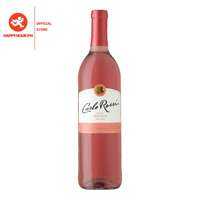
Carlo Rossi Pink Moscato 750ml
₱527.00
Buy on LazadaAbout Carlo Rossi
Overview
Carlo Rossi is an American wine brand recognised for its affordable, fruit-forward table wines and large-format jug bottles. Owned and produced by GALLO, the family-owned California wine and spirits company formerly known as E. & J. Gallo Winery, the brand is associated with casual, accessible wine rather than luxury or fine-wine positioning.1
| Category | Information |
|---|---|
| Brand | Carlo Rossi |
| Industry | Wine / alcoholic beverages |
| Origin | California, United States |
| Parent company | GALLO |
| Original launch | 1962, as Carlo Rossi Red Mountain |
| Major rebranding | 1970s |
| Named after | Charles “Carlo” Rossi |
| Core positioning | Affordable, approachable, everyday wine |
| Best known for | Large-format bottles/jugs |
| Main wine styles | Red, white, rosé, sangria and sweet/fruity wines |
| Current producer | GALLO |
GALLO was founded in Modesto, California, in 1933 by brothers Ernest and Julio Gallo. The company remains privately held and, according to its 2024 fact sheet, has more than 100 brands and products sold in over 110 countries.
History
Origins: 1950s–1960s
The history of Carlo Rossi is notable because the name refers to a real employee of the Gallo organisation rather than a fictional advertising character. Charles “Carlo” Rossi began working for E. & J. Gallo Winery in 1953 as a salesman alongside Ernest Gallo, eventually becoming closely associated with one of the company’s most recognisable wine brands.1
In 1962, Gallo introduced an inexpensive table-wine line called Red Mountain, which included the name “Carlo Rossi Red Mountain.” Designed as a value-oriented product, it quickly became one of the winery’s top sellers. An oral-history interview with Ernest Gallo conducted by the University of California, Berkeley’s Bancroft Library confirms that Red Mountain was conceived as a lower-priced wine intended to provide good-quality table wine at an accessible price. The name “Red Mountain” itself was derived from a winery near Oakdale, California, that had closed during Prohibition.
The Carlo Rossi personality
During the 1970s, Carlo Rossi evolved beyond a label name to become the face and voice of the brand. He appeared in television and radio advertising, personally discussing the wine and presenting it as straightforward, honest, and intended for ordinary people. This approach gave Carlo Rossi a distinctive personality compared to wine brands that relied heavily on imagery of vineyards, European traditions, or luxury.1
His advertising persona also produced memorable “Carlo-isms,” the best-known being: “I like to talk about wine, but I’d rather drink it.” This line became closely associated with the brand’s deliberately uncomplicated character.1
The jug becomes an icon
By 1975, the “Red Mountain” portion of the name had been removed from the main branding, establishing Carlo Rossi as the dominant identity of the wine. The brand’s large glass jugs became its defining visual feature.1 GALLO describes the jug as central to the brand’s identity, noting that since 1975, consumers have purchased Carlo Rossi jugs as an everyday, casual product.
This helped establish Carlo Rossi within the American jug-wine tradition. In the United States, “jug wine” generally refers to inexpensive table wine sold in large bottles or jugs, emphasising value and quantity rather than prestige. Carlo Rossi is one of the brands commonly associated with this category.2
Who was Carlo Rossi?
Charles “Carlo” Rossi was a real person and a longtime Gallo salesman who worked with Ernest Gallo beginning in the 1950s. His Italian-sounding name became the identity of the brand, while his personality was incorporated into its advertising.1 The individual pictured on the brand’s traditional medal-style imagery is Carlo Rossi himself. Japanese distributor Suntory similarly identifies him as the real person whose name and likeness became associated with the wine.3
This distinction is a key part of the brand’s mythology: Carlo Rossi is both a wine brand and a personality-based brand built around an actual Gallo salesman.
Product portfolio
The current Carlo Rossi range extends considerably beyond the original inexpensive red table wines. The official brand website lists products across several categories.1
Red wines
- Paisano
- Burgundy
- Sweet Red
- Cabernet Sauvignon
- Merlot
- Chianti
- Sweet Rosé
- White Zinfandel
White wines
- Chardonnay
- Chablis
- Rhine
Sangria and flavoured wines
The modern portfolio places significant emphasis on fruit-forward and sangria products, including:
- Sangria
- Pink Moscato
- Moscato Sangria
- Watermelon Sangria
- Pineapple Sangria
- Raspberry Sangria
The exact lineup varies by country and market; products available in the United States are not necessarily identical to those sold internationally, including in the Philippines.
Wine style and brand positioning
Historically, the fundamental proposition of Carlo Rossi has been accessibility. Rather than positioning itself around rare grapes, prestigious appellations, vintage scarcity, or sophisticated collecting, the brand emphasises affordability, approachable flavours, fruit-forward character, large formats, casual consumption, easy pairing with everyday food, and social occasions. The official brand describes its wines as beginning with grapes from California’s Central Valley, emphasising quality and value.1
This positioning distinguishes Carlo Rossi from premium California brands. It functions essentially as a mass-market value wine brand, with an identity built around being uncomplicated and easy to drink.
The famous jug
The Carlo Rossi jug is arguably the brand’s most recognisable asset. Although large-format wine existed previously, Carlo Rossi made the format integral to its identity. The bottle’s large capacity, integrated handle, and distinctive shape made it visually identifiable on store shelves.
The jug communicated the brand’s value proposition without explanation: it signalled wine for sharing, parties, dinners, and casual drinking rather than a small prestige bottle for formal service. This has contributed to the brand remaining culturally recognisable even among those who are not serious wine enthusiasts.
Marketing and advertising
Carlo Rossi’s advertising historically differed from conventional wine marketing. Instead of presenting wine exclusively through imagery of elegant restaurants, French châteaux, expensive cellars, aristocratic lifestyles, or sophisticated experts, Carlo Rossi presented wine as something ordinary people could enjoy.
Carlo Rossi himself served as spokesman, using a relaxed, conversational style that reinforced the idea that wine need not be intimidating or complicated.1 This approach was effective because the brand name, bottle, spokesman, and advertising all communicated the same message: wine should be accessible and enjoyable.
International presence
Although originating as a California wine brand, Carlo Rossi eventually became an international product. Distributors and partners have marketed the brand across numerous countries. For example, Suntory’s Japanese Carlo Rossi information describes it as a longstanding American brand distributed internationally, emphasising its fresh, fruity, and approachable character.3
Product lineups differ considerably between markets due to varying regulations, consumer preferences, grape sourcing, and distribution arrangements.
Relationship with GALLO
Carlo Rossi is part of the larger GALLO portfolio. Founded in 1933 by Ernest and Julio Gallo in Modesto, California, the company officially simplified its corporate name from E. & J. Gallo Winery to GALLO in 2024, reflecting expansion beyond its original wine business.
GALLO describes itself as a family-owned, four-generation company with more than 7,000 employees worldwide and a portfolio exceeding 100 brands. Carlo Rossi therefore sits within one of America’s largest and most internationally significant wine businesses.
Brand identity
The identity of Carlo Rossi can be summarised as everyday California wine made approachable and available in generous quantities. Its identity rests on several pillars:
- Value — wine intended to be affordable.
- Accessibility — little emphasis on wine expertise or ceremony.
- Fruit-forward flavour — approachable styles aimed at broad consumer tastes.
- Large-format packaging — particularly the iconic jug.
- Personality — the real Carlo Rossi became part of the brand’s identity.
- California heritage — the brand’s wines are rooted in California production.
- Social drinking — the format and advertising lend themselves to gatherings and casual occasions.
Cultural significance
Carlo Rossi occupies a distinct place in American wine culture. For much of the 20th century, American wine consumption was strongly associated with inexpensive table wines and large-format bottles. As the U.S. wine market became more sophisticated, premium and varietal wines gained prominence, yet Carlo Rossi retained a recognisable position by maintaining its value-oriented identity.
Consequently, the brand became associated with the concept of “jug wine”—a category sometimes treated humorously or nostalgically but which played an important role in the development of American wine consumption.2 Its distinctive packaging and advertising have also made Carlo Rossi recognisable beyond conventional wine audiences.
Comparison with premium wine brands
Carlo Rossi is not evaluated using the same criteria as premium or collectible wine. A bottle is generally not marketed as a collectible vintage, luxury product, terroir-driven wine, investment wine, or prestige bottling. Instead, the brand competes primarily on taste, consistency, accessibility, and value.
This focus aligns with the brand’s original concept. The inexpensive table-wine market was precisely the segment Gallo targeted when developing Red Mountain in the early 1960s, with Ernest Gallo describing the product as fulfilling a need for inexpensive but sound table wine.
Timeline
- 1933 — Ernest and Julio Gallo establish their winery in Modesto, California.
- 1953 — Charles “Carlo” Rossi begins working with Gallo as a salesman.1
- 1962 — Gallo introduces the Red Mountain / Carlo Rossi Red Mountain wine line.1
- 1970s — Carlo Rossi becomes the public face and spokesman for the brand.
- 1975 — “Red Mountain” is removed from the main brand identity; Carlo Rossi becomes the dominant name and the iconic jug format becomes central to the brand.1
- Later decades — The brand expands its range and international distribution.
- 2024 — E. & J. Gallo Winery simplifies its corporate name to GALLO.
- 2026 — Carlo Rossi remains part of GALLO’s wine portfolio, offering red, white, rosé, sweet, and sangria wines.1