Shop on Lazada
Caudalie products
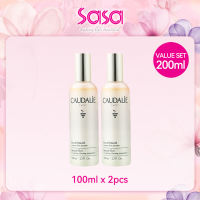
CAUDALIE Beauty Elixir Minimize Pores Moisturizing Boost Radiance (30ml / 100ml / 100ml x 2)
₱4,834.00₱9,668.00
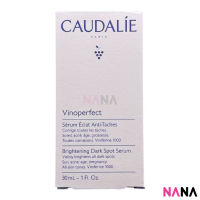
Caudalie Vinoperfect Brightening Dark Spot Serum 30ml
₱3,010.00₱4,305.00
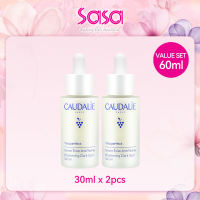
CAUDALIE Vinoperfect Brightening Dark Spot Serum (30ml)
₱5,644.00₱11,288.00
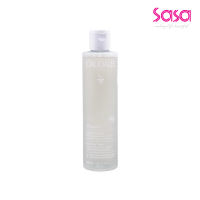
CAUDALIE Vinopure Purifying Toner (200ml)
₱1,448.00₱2,895.00
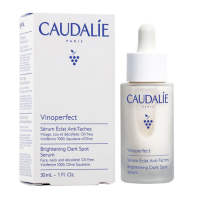
FOR Caudalie Vinoperfect Brightening Dark Spot Serum 30ml
₱2,565.00₱4,138.00
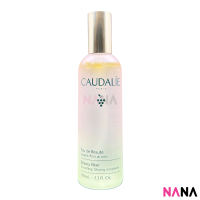
Caudalie Beauty Elixir 100ml
₱2,450.00₱3,360.00
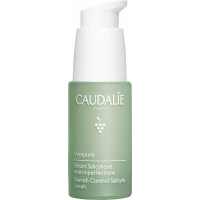
CAUDALIE Vinopure Blemish Control Infusion Serum 30ml
₱3,439.70₱4,520.88
![[AUTHENTIC] CAUDALIE Vinoperfect Dark Spot Brightening Serum Vitamin C 30ML | The Glow PH](https://ph-live.slatic.net/p/1005b62d09694446b043715e85686370.png_200x200q80.jpg)
[AUTHENTIC] CAUDALIE Vinoperfect Dark Spot Brightening Serum Vitamin C 30ML | The Glow PH
₱8,450.00
Buy on LazadaAbout Caudalie
Overview
Caudalie is a French skincare and beauty brand recognized for combining grape- and grapevine-derived ingredients with French cosmetic expertise and a commitment to sustainability. Founded by Mathilde and Bertrand Thomas, the brand originated in the vineyards of Château Smith Haut Lafitte near Bordeaux, France. Its identity centres on Vinothérapie®, a concept that utilises compounds and extracts from grapes, grape seeds, grapevine sap, and grapevine stems in both skincare products and spa treatments.1
| Caudalie | |
|---|---|
| Brand name | Caudalie |
| Industry | Cosmetics, skincare, beauty & wellness |
| Country of origin | France |
| Founded | 1995 |
| Founders | Mathilde Thomas & Bertrand Thomas |
| Origins | Bordeaux vineyards, France |
| Headquarters | Paris, France |
| Core concept | Vinothérapie® / grape-derived skincare |
| Main categories | Face care, body care, cleansers, serums, moisturizers, masks, fragrances, sun care and spa treatments |
| Signature ingredients | Grape-seed polyphenols, resveratrol, viniferine, grape water and other vine-derived actives |
| Brand positioning | French, natural-origin, science-led, sensorial, environmentally conscious |
| Key markets | International / global |
| Notable institutions | Natural Formulation Laboratory, Vinothérapie® spas |
| Major environmental programs | 1% for the Planet, 100% Ocean Plastic Collect |
Caudalie describes its products as combining high natural-origin content with efficacy and sensoriality. According to its current formulation policy, skincare products are manufactured in France and contain 95–100% ingredients of natural origin, while excluding various ingredients considered controversial.2
Origins and founding
The brand’s history is rooted in the Bordeaux wine region rather than a traditional cosmetics laboratory. Mathilde Thomas grew up around Château Smith Haut Lafitte, a prestigious estate owned by her parents, Daniel and Florence Cathiard. During the 1993 grape harvest, Mathilde and her husband Bertrand met Professor Joseph Vercauteren, director of a laboratory associated with the University of Bordeaux’s Faculty of Pharmacy.1
Vercauteren introduced them to research concerning polyphenols in grape seeds, an encounter that provided the scientific foundation for the company. The couple became interested in transforming parts of the grape typically discarded during winemaking—particularly grape seeds—into valuable cosmetic ingredients. Consequently, Caudalie developed a philosophy of “upcycling” vineyard materials into skincare components.3
In 1995, Mathilde and Bertrand Thomas launched Caudalie with three initial products based on grape-seed polyphenols. At the time, the founders were 23 years old and travelled throughout France presenting their products to pharmacists. The positive reception helped establish an early distribution network, creating a pharmacy connection that remains central to the brand’s identity. Historically, Caudalie has positioned itself at the intersection of French pharmacy skincare, natural beauty, and luxury cosmetics.3
Etymology
The name Caudalie derives from oenology, the science of wine. A caudalie is a unit measuring the persistence of a wine’s flavour on the palate after tasting; the longer the aromas and flavours remain, the greater the caudalie.3 This terminology connects the brand directly to its Bordeaux heritage. Wine culture is embedded in the company’s name, ingredients, history, spas, and product philosophy, distinguishing it from conventional French skincare companies.
Vinothérapie® concept
Vinothérapie® is one of Caudalie’s most distinctive concepts, focusing on compounds derived from the vine and grape for cosmetic and wellness applications. Key ingredients include:
- Grape seeds
- Grape polyphenols
- Grape water
- Grapevine stems
- Grapevine sap
- Resveratrol
- Viniferine
Rather than relying exclusively on raw vineyard extracts, the company combines these ingredients with conventional cosmetic technologies and other active ingredients. Products are formulated as modern cosmetics where vineyard-derived ingredients serve as a core component of the brand’s scientific and marketing identity.
Scientific milestones
Caudalie’s development is defined by several signature ingredients and innovations:
Grape-seed polyphenols (1995)
The first products were built around grape-seed polyphenols, establishing the link between viticulture and skincare.3
Beauty Elixir (1997)
Caudalie launched Beauty Elixir, a facial mist inspired by the historical “Elixir of Youth” associated with the Queen of Hungary. It became one of the company’s best-known products and helped position Caudalie as a lifestyle-oriented beauty brand.3
Vinothérapie® Spa (1999)
The founders opened the first Vinothérapie® Spa at Château Smith Haut Lafitte. A natural hot-water spring discovered beneath the estate was incorporated into the spa concept, combining thermal water with grape- and vine-derived ingredients. Caudalie describes this as the world’s first Vinothérapie® Spa.3
Resveratrol (2001)
The company focused heavily on resveratrol, a naturally occurring compound in grapevines. Caudalie pioneered the extraction, stabilisation, and cosmetic use of resveratrol, developing patented applications primarily for firming and anti-ageing skincare.3
Viniferine (2005)
Viniferine, a compound derived from grapevine sap, was developed and patented for skincare applications targeting dark spots, pigmentation, and radiance. This led to the creation of the Vinoperfect line, including the Vinoperfect serum which became a signature product.3
Product families
Caudalie’s portfolio extends beyond its original grape-polyphenol products to cover multiple categories:
- Vinoperfect: Focused on radiance and the appearance of dark spots, featuring the Vinoperfect Radiance Serum based on viniferine.
- Resveratrol-Lift: Aimed at firming and anti-ageing, centred on resveratrol and updated with plant-based vegan collagen technology.3
- Premier Cru: A premium anti-ageing range combining several patented technologies and active ingredients.
- Vinosource-Hydra: Focused on hydration and skin comfort using grape-derived ingredients alongside hydrating technologies.
- Vinoclean: Cleansing products including facial cleansers and makeup removers.
- Sun Care: Facial and body sun-protection products.
- Body Care: Moisturizers, scrubs, hand creams, shower products, and body treatments.
- Fragrance and Sensory Products: Fragrances and aromatic products extending the brand’s identity into French sensorial beauty.
The company organizes its offerings across face, body, and spa/wellness categories.3
Hero products
Several products are particularly associated with the brand’s commercial identity:
- Beauty Elixir: Facial mist and botanical beauty spray.
- Vinoperfect Radiance Serum: Dark-spot and radiance-focused serum; described by the company as its worldwide best-seller.3
- Premier Cru: Premium anti-ageing collection.
- Resveratrol-Lift: Firming and anti-ageing range.
- Vinosource-Hydra: Hydration-focused range.
Clean beauty and formulation philosophy
Caudalie’s modern positioning includes a concept termed “Cosm-ethics,” formalised in 2006 to combine high efficacy, high natural-origin content, sensorial textures, ingredient restrictions, and environmental responsibility. The company states its skincare formulas contain 95–100% ingredients of natural origin.23
It is important to note that “natural-origin” does not equate to “100% naturally occurring.” Modern natural-origin cosmetics may contain ingredients processed via chemical or biotechnological methods. Caudalie describes its laboratory as using ingredients derived from natural sources alongside biotechnology and green chemistry.3 Thus, the brand is best understood as a natural-origin, clean-positioned scientific skincare brand rather than a purely organic cosmetics company.
Science and patents
Science is integral to the brand story, with a formulation strategy connecting viticulture, plant science, cosmetic formulation, and patented active ingredients. Research history includes collaborations with Professor Joseph Vercauteren and a decade-long collaboration with Dr David Sinclair of Harvard Medical School from 2013 to 2023, contributing to resveratrol research and TET8™ technology.3
French laboratories include the Natural Formulation Laboratory, cellular biology research, molecular biology research, and ingredient development facilities. The company maintains a database of more than 750 innovative ingredients and active compounds.3
Spa and hospitality concept
Caudalie has built a hospitality and spa ecosystem around its ingredients. The flagship location is Les Sources de Caudalie in Martillac, Bordeaux, established in 1999 within the vineyards surrounding Château Smith Haut Lafitte.3 The concept combines luxury hospitality, wine culture, spa treatments, thermal water, grape and vine extracts, French gastronomy, and vineyard surroundings.
The brand has subsequently developed other Vinothérapie® spas and boutique spas internationally, with locations in France, Spain, and other markets. Boutique spas offer shorter versions of signature treatments.3
Sustainability initiatives
Sustainability is a pillar of Caudalie’s corporate identity.
1% for the Planet
Since 2012, Caudalie has donated 1% of its annual turnover to organisations working on forest protection and restoration.3 Initiatives have contributed to planting more than 13 million trees across over 13 countries, covering reforestation, biodiversity conservation, agroforestry, environmental education, and ecosystem protection.
100% Ocean Plastic Collect
Launched in 2020, this initiative aims to collect and recycle an amount of plastic equivalent to the virgin plastic used annually by the company. As of current reporting, 3,880 tonnes of plastic waste have been collected and recycled since the programme’s inception, focusing on plastic from beaches, rivers, and coastal areas.3
Packaging philosophy
Caudalie applies a “3R principle” (Reduce, Recycle, Reuse) to packaging. The company seeks to use recycled, recyclable, or refillable packaging, incorporating materials such as FSC-certified paper and recycled or biosourced plastics.12 This approach addresses the environmental footprint of skincare packaging within the cosmetics industry.
Brand identity and market positioning
Caudalie occupies a distinct position between French pharmacy skincare, premium/luxury beauty, natural-origin cosmetics, and dermocosmetic-style scientific credibility. Rather than positioning itself solely as a natural skincare maker, the brand narrative focuses on discovering valuable molecules in the vineyard and transforming them into sophisticated French skincare.
Visually, branding communicates French elegance rather than clinical dermatology, featuring cream backgrounds, burgundy tones, botanical imagery, glass bottles, minimalist typography, and vineyard aesthetics. Fragrances and formulations emphasise sensory experience, selling a French beauty lifestyle alongside functional skincare.
In the broader market, Caudalie sits between pharmacy brands like La Roche-Posay and Avène, natural brands like L’Occitane and Nuxe, and luxury houses like Clarins and Lancôme. Its differentiator is combining pharmacy-style credibility with luxury sensory branding, resulting in products that feel simultaneously scientific, natural, luxurious, and environmentally conscious.
Founders
Mathilde Thomas
Mathilde Thomas is the primary public face of Caudalie. She co-founded the company with Bertrand Thomas following their experience at Château Smith Haut Lafitte. She has written about French beauty and skincare and helped shape the brand’s philosophy around natural beauty, French rituals, and Vinothérapie®.4
Bertrand Thomas
Bertrand Thomas is Caudalie’s co-founder and has been involved in business development alongside Mathilde. Both founders remain strongly associated with the brand’s identity and sustainability philosophy.
International expansion
Caudalie has evolved from a French pharmacy-oriented company into an international beauty brand. Its retail and spa network spans Europe, North America, Latin America, and Asia, comprising dedicated boutiques, boutique-spas, pharmacies, and retail partners.12 Notably, Caudalie maintains a presence in Malaysia, including a boutique-spa at Sunway Pyramid in Bandar Sunway, Selangor.3
Timeline of evolution
| Year | Milestone |
|---|---|
| 1993 | Mathilde & Bertrand Thomas meet Professor Joseph Vercauteren during the grape harvest |
| 1995 | Caudalie launches its first three grape-polyphenol products |
| 1997 | Beauty Elixir launches |
| 1999 | First Vinothérapie® Spa opens at Château Smith Haut Lafitte |
| 2001 | Caudalie develops its resveratrol-based innovation |
| 2005 | Viniferine becomes the basis of the Vinoperfect concept |
| 2006 | Cosm-ethics philosophy established |
| 2012 | Joins 1% for the Planet |
| 2013–2023 | Collaboration with Dr. David Sinclair / Harvard Medical School |
| 2018 | New, eco-designed laboratories open |
| 2019 | More sustainable packaging strategy |
| 2020 | 100% Ocean Plastic Collect launches |
| 2022 | Marks 10 years with 1% for the Planet |
| 2023 | Resveratrol-Lift redesigned around vegan collagen technology |
Core pillars
Caudalie’s identity rests on five pillars:
- Vineyard Heritage: Origin story directly connected to a Bordeaux vineyard.
- Grape Science: R&D identity centred on grape seeds, sap, resveratrol, and viniferine.
- French Beauty: Combination of pharmacy heritage with luxury beauty and lifestyle.
- Sensory Experience: Experiential focus through textures, fragrances, and hospitality.
- Sustainability: Environmental responsibility integrated via 1% for the Planet, plastic collection, and packaging strategies.12