Shop on Lazada
Ceres products
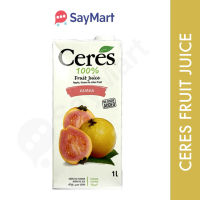
CERES 100% APPLE ORANGE RED GRAPE CRANBERRY KIWI GUAVA JUICE 1 LITER
₱162.00
Buy on Lazada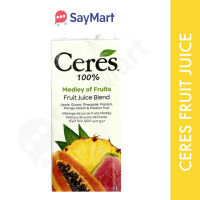
CERES NECTAR PASSION FRUIT RUBY GRAPEFRUIT MEDLEY OF FRUITS SECRETS OF VALLEY WHISPER OF SUMMER 1 LITER
₱162.00
Buy on Lazada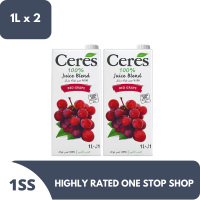
Ceres 100% Red Grape Juice No sugar Added 1L x 2
₱545.00
Buy on Lazada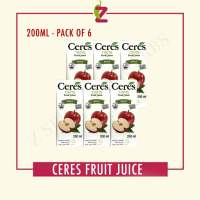
CERES 100% JUICE 200ML - PACK OF 6
₱276.00
Buy on Lazada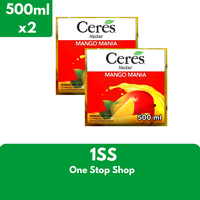
Ceres Nectar Mango Mania Juice 500ml Set of 2
₱345.00
Buy on Lazada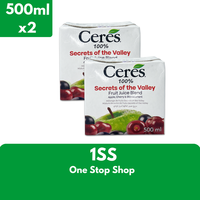
Ceres 100% Secrets of the Valley Fruit Juice 500ml Set of 2
₱345.00
Buy on Lazada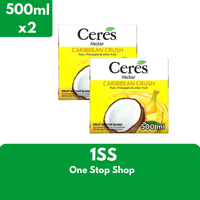
Ceres Nectar Caribbean Crush Juice 500ml Set of 2
₱345.00
Buy on Lazada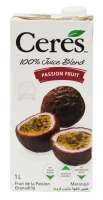
Ceres 100% Juice Blend Passion Fruit 1L
₱144.00₱160.00
About Ceres
Ceres is an Indonesian chocolate confectionery brand best known for its chocolate sprinkles, locally referred to as meses, which are traditionally consumed on buttered bread. Established in the 1950s, the brand is part of Delfi Limited, a Singapore-listed confectionery group whose portfolio also includes SilverQueen, Selamat, and Delfi.1
The brand holds particular significance in Indonesia for transforming the Dutch-style hagelslag breakfast tradition into a staple of local food culture. According to Delfi Limited’s 2025 annual report, Ceres maintains the leading market share in the Indonesian consumer hagelslag category.1
Basic information
| Field | Information |
|---|---|
| Brand | Ceres |
| Industry | Food & beverage / confectionery |
| Main category | Chocolate confectionery |
| Country of origin | Indonesia |
| Established | 1950s |
| Best known for | Chocolate sprinkles / meses |
| Parent group | Delfi Limited |
| Indonesian operating company | PT Perusahaan Industri Ceres |
| Main production base | Bandung, West Java |
| Primary market | Indonesia |
| Related brands | SilverQueen, Delfi, Selamat, Cha Cha, etc. |
Corporate records identify PT Perusahaan Industri Ceres as having been established in 1950, with the Ceres brand itself emerging during that decade.1
History
Origins in the 1950s
The development of Ceres is closely linked to the growth of Indonesia’s modern chocolate industry. Delfi Limited traces its Indonesian operations to the Chuang family, which established a chocolate manufacturing business in the country during the 1950s. Both SilverQueen and Ceres were founded during this period.1
PT Perusahaan Industri Ceres was established in 1950 and developed over subsequent decades into a major manufacturer of chocolate confectionery in Indonesia.1 The brand initially became strongly identified with chocolate sprinkles, known domestically as meses.
From hagelslag to meses
Chocolate sprinkles, or hagelslag, were introduced to Indonesia during the Dutch colonial era. In the Netherlands, these sprinkles are traditionally used as a breakfast topping on buttered bread. Ceres became one of the primary brands through which this product was integrated into everyday Indonesian cuisine.1
Consequently, the brand is associated with a specific household ritual: bread served with butter or margarine and topped with chocolate sprinkles. This combination became a familiar breakfast and snack habit across the archipelago.
Relationship with Delfi Limited
Ceres is not an independent corporate entity; it belongs to Delfi Limited, a confectionery company headquartered in Singapore. Delfi Limited was incorporated in Singapore in 1984 as Petra Foods Pte Ltd and expanded through acquisitions, including that of PT Perusahaan Industri Ceres.1
Delfi Limited describes Ceres and SilverQueen as long-established heritage brands originating in the 1950s. The group later introduced other major brands, including Selamat in the 1970s and Delfi in the 1980s.1 In 2016, Petra Foods changed its name to Delfi Limited to reflect a strategic focus on branded chocolate confectionery.1
Today, Delfi Limited’s principal consumer markets include Indonesia, the Philippines, Singapore, and Malaysia, with products also distributed in numerous other countries.1
Products
Chocolate sprinkles
The product most strongly associated with Ceres is its chocolate rice or sprinkles, commonly called meses in Indonesia. The standard preparation involves spreading butter or margarine on bread and topping it with Ceres chocolate sprinkles, a combination that remains ubiquitous in Indonesian households.
Delfi Limited states that Ceres originated as the country’s most popular consumer chocolate-rice topping and currently holds the leading position in the consumer hagelslag category.1 The company has expanded the line beyond traditional offerings to include various flavors and decorative variants.1
Ceres spreads
In recent years, the brand has expanded into chocolate spreads under the Ceres Spread label. This extension supports a modernization strategy aimed at broadening consumption occasions beyond traditional bread toppings. According to the 2025 annual report, Ceres Spread has gained traction particularly among younger consumers.1
Other extensions
The Ceres portfolio has grown to include additional chocolate confectionery formats. Delfi Limited describes the wider range as covering categories such as wafers, biscuits, spreads, and other chocolate products.1
Brand identity
Historically, Ceres has positioned itself around everyday enjoyment rather than luxury. While sister brand SilverQueen is associated with premium chocolate bars and nuts, Ceres is linked to ordinary household rituals. Key characteristics of the brand include:
- Familiarity: It is recognized across multiple generations.
- Affordability: Positioned as an everyday grocery item rather than an occasional luxury.
- Childhood associations: Strongly connected to memories of childhood snacks and school days.
- Versatility: Used on bread, toast, desserts, and other foods.
- Cultural adaptation: A product of Dutch origin that became fully integrated into local eating habits.
Delfi Limited describes Ceres as a brand that has resonated across generations of Indonesian consumers.1
Cultural significance
Ceres exemplifies how a foreign-influenced food tradition can become localized. Although hagelslag originated in Dutch culture, Indonesians developed their own relationship with the product. The term meses became the common local name, and the item became synonymous with breakfast and children’s snacks.
This evolution from a Dutch-origin tradition to a mass-market intergenerational household custom explains the brand’s longevity of over seven decades. Corporate reporting characterizes the brand as having transformed an originally Dutch breakfast tradition into a beloved Indonesian custom.1
For many consumers, the brand evokes specific imagery including breakfast bread, childhood snacks, family meals, birthday cakes, and simple homemade treats. This cultural familiarity provides a competitive advantage distinct from product formulation alone. Delfi Limited has emphasized that both Ceres and SilverQueen are brands with which generations of Indonesians have grown up.1
Manufacturing
Production has historically been centered in West Java. Delfi Limited reports that Indonesian chocolate manufacturing was initially located in Garut before moving to Bandung, where production remains consolidated today.1
Operations are managed by PT Perusahaan Industri Ceres, the entity established in 1950 that later joined the Delfi group.1 Despite being owned by a Singapore-headquartered parent company, the brand’s manufacturing roots and historical identity remain deeply connected to Indonesia.
Comparison with related brands
Ceres operates within a larger family of Indonesian chocolate brands owned by Delfi Limited.
| Brand | Main identity | Typical association |
|---|---|---|
| Ceres | Chocolate sprinkles and spreads | Bread, breakfast, desserts |
| SilverQueen | Chocolate bars | Milk chocolate, cashews/nuts |
| Delfi | Chocolate confectionery | Bars, wafers and premium-style products |
| Selamat | Chocolate/wafers | Wafer snacks |
Delfi Limited identifies SilverQueen and Ceres as heritage brands from the 1950s, while Selamat emerged in the 1970s and Delfi in the 1980s.1
Market position
Ceres holds a dominant position in its specific category. According to the 2025 Annual Report, it maintains the leading market share in Indonesia’s consumer hagelslag segment. The company continues to develop the brand through new flavors, decorative variants, and extensions such as chocolate spreads.1
The brand received Superbrand Status in 2003 following selection by the Indonesia Superbrands Council, recognizing its established market presence prior to recent expansion strategies.1
Evolution of the brand
The development of Ceres can be categorized into several key stages:
- 1950s (Foundation): Emergence alongside the Chuang family’s Indonesian chocolate business.1
- Following decades (Category leadership): Integration of chocolate sprinkles into everyday eating culture.
- 1980s–2000s (Group expansion): Development of regional distribution and confectionery operations.1
- 2000s (Household status): Receipt of Superbrand recognition and consolidation as a household name.1
- 2010s (Delfi era): Transition of parent company Petra Foods to Delfi Limited.1
- 2020s (Modernization): Expansion into new flavors, decorative variants, and spreads to address changing preferences while retaining traditional identity.1