Shop on Lazada
Comfort products
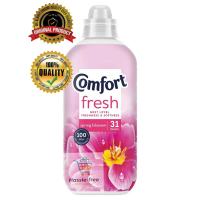
COMFORT FRESH SPRING BLOSSOM HEAT LEVEL & SOFTNESS/COMFORT PURE HYPOALLERGENIC GENTLY FRESH (31 WASHES)(930ML) MADE IN UK
₱258.00
Buy on Lazada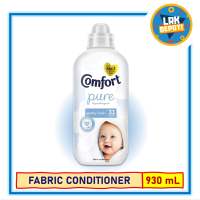
Comfort Fabric Conditioner & Softener (PURE Sensitive) - 930 mL
₱328.00
Buy on Lazada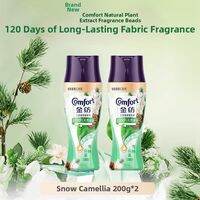
Long-lasting Fragrance And Mite-Removing Clothes Care Beads
₱749.00₱2,267.00
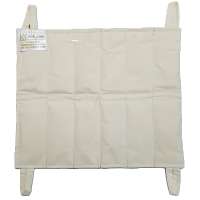
Taiwan Comfort UNION Reusable Moist Hot or Cold Compress Pad Standard size 25 x 30 cm
₱949.00₱1,450.00
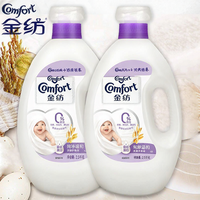
Comfort | Long-lasting Fragrance Fabric Softener
₱2,741.35₱3,307.61
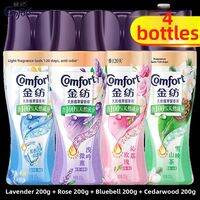
Comfort | Long-lasting Fragrance Pearls Anti-bacterial Anti-mite
₱1,234.06₱2,036.25
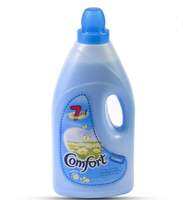
Comfort 7in1 Fabric Conditioner Classic 3L
₱899.00₱999.00
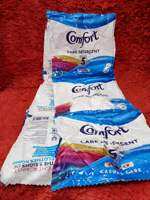
Comfort Powder detergent twin Sachet by 6
₱95.00₱100.00
About Comfort
Comfort is a global fabric-care and fabric-enhancer brand owned by Unilever, widely recognised for its fabric conditioners, fragrance technologies, and clothing-care products. Originating in the United Kingdom in 1969, the brand is now sold across numerous markets in Europe, Asia, Latin America, Africa, and the Middle East.1 Unilever classifies Comfort within its Home Care business, specifically under the Fabric Enhancers category.2
Historically, the brand’s core proposition has combined softness, freshness, and fabric care. Over time, Comfort has expanded beyond conventional liquid fabric conditioners to include concentrated formulas, encapsulated fragrance technologies, capsules, scent boosters, and other specialised formats.1
Brand profile
| Attribute | Information |
|---|---|
| Brand | Comfort |
| Parent company | Unilever |
| Category | Home Care / Fabric Enhancers |
| Main category | Fabric conditioner / fabric softener |
| Origin | United Kingdom |
| Introduced | 1969 |
| Global presence | International; prominent across Europe, Asia, and emerging markets |
| Core benefits | Softness, fragrance/freshness, fabric care |
| Major formats | Fabric conditioners, concentrated conditioners, fragrance products, boosters |
| Vietnam launch | 1999 |
| Positioning | Fabric care combined with a sensorial fragrance experience |
Unilever identifies Comfort as one of its Power Brands in Home Care. Corporate reporting from 2025 indicates that the Fabric Enhancers business grew strongly, with Comfort benefiting from premium formats and fragrance-led innovations such as boosters.
History
Origins: 1969
Comfort was introduced in the UK in 1969. Unilever describes this launch as a pivotal moment in fabric care, as Comfort was introduced as the world’s first fabric conditioner, helping to establish fabric conditioning as a distinct step in the laundry routine.2
Prior to this innovation, traditional laundry products focused primarily on removing dirt. The introduction of fabric conditioner added a new stage to the process aimed at improving the feel, freshness, and manageability of clothes after washing. Consequently, Comfort was positioned not merely as a cleaning product, but as a means to enhance the sensory qualities of freshly washed clothing.
Early development
The brand subsequently expanded its technology and product range. Historical reports indicate that Comfort developed concentrated fabric conditioners, introduced products designed to facilitate ironing, and created Fast Dry technology. It also expanded into related formats such as Vaporesse and, in the UK, unit-dose conditioner capsules. Concentrated Comfort products were later introduced in Vietnam as part of the brand’s international development.
By the 1990s and 2000s, Comfort had evolved from a basic fabric softener into a broader fabric-care brand centred on softness and fragrance.
Global expansion
Comfort gradually transitioned from a British product to an international brand. Unilever’s historical corporate reports list it among major fabric-conditioner brands alongside Snuggle and Cajoline. By the early 2000s, the brand was operating across multiple international markets.
A notable aspect of Comfort’s international strategy is that the underlying brand does not always use the same name globally. In some markets, related Unilever fabric-conditioner businesses operate under different local names; for example, the current Comfort brand site notes the use of the name Yumoş in certain territories.1 This reflects a broader Unilever strategy of maintaining global technological expertise while adapting products, fragrances, packaging, and branding to local laundry habits.
Comfort in Vietnam
Comfort has a significant history in Vietnam, where it was introduced in 1999. Historical research identifies it as a leading fabric-softener brand in the country, holding more than 55% market share in 2007.
Key developments in the Vietnamese market include:
- 1999: Introduction of fabric conditioner to Vietnamese consumers.
- 2003: Launch of a new logo.
- 2005: Introduction of a concentrated product associated with “Fragrance Angels” imagery.3
- 2007: Launch of One Rinse concentrated fabric conditioner.
- 2011: Introduction of the “Comfort family” campaign.
- 2012: Expansion into a premium fragrance-oil-oriented line.3
The Vietnamese market was also central to Comfort’s water-saving innovation. In 2007, Unilever launched Comfort One Rinse, designed to reduce hand-washing rinses from an average of three to one. A Singapore Management University case study notes that the product was intended to reduce water consumption by approximately 66%. By 2012, One Rinse products were being used in 1.4 billion washes across 28.7 million households worldwide.
Product portfolio
Although often synonymous with fabric softener, Comfort has developed into a wider fabric-enhancement ecosystem.
Fabric conditioner
Conventional Comfort conditioner remains the core of the brand. Added during the rinse cycle, it is designed to soften fabrics, provide fragrance, improve the sensory experience of clean clothing, facilitate ironing, and offer additional fabric-care benefits depending on the formulation.2
Concentrated conditioner
Concentration represents a major product innovation for the brand. Concentrated formulas allow consumers to use a smaller dose per wash while delivering the same softness and fragrance. Current brand materials state that this format reduces packaging requirements through smaller bottle sizes.1
Fragrance technology
Fragrance has become increasingly central to Comfort’s identity. In some markets, products utilise encapsulated fragrance technology, where tiny capsules remain on the fabric and release scent through movement and wear.1 This evolution reflects a shift in the brand’s proposition from purely cleaning clothes to enhancing the experience of wearing them.
Fragrance boosters
Comfort has recently expanded into fragrance boosters and fragrance-led products. Unilever reported in 2025 that growth was supported by these premium formats and innovations.
Brand positioning
Comfort’s positioning combines functional performance with emotional and sensory benefits.
Functional proposition
The functional aspect focuses on garment care, encompassing softness, fabric conditioning, easier ironing, freshness, and, in some formulations, colour and shape protection.
Emotional proposition
The emotional proposition aims to make the experience of wearing clothes more enjoyable. Fragrance is a central component of this experience rather than an incidental feature. Unilever states that long-lasting fragrance has always been at the heart of Comfort’s appeal alongside clothes care and softness.
This distinguishes Comfort from laundry detergents. While detergents address cleanliness, Comfort addresses how clothes feel and smell after washing.
Brand identity
Name
The name Comfort directly describes the desired consumer experience of clothes feeling soft and pleasant against the body. It connects a physical product benefit (fabric softness) with an emotional benefit (comfort), making it relatively accessible across cultures.
Visual identity
Comfort has historically employed soft, clean visual codes. Packaging has variously featured strong blue tones for traditional products, floral and botanical imagery, bright colours for fragrance variants, and distinctive representations of scent. In Vietnam, the brand became particularly associated with the “Fragrance Angels” concept, which helped transform a technical laundry product into an emotionally engaging consumer brand.3
Advertising and communication
Marketing for Comfort traditionally focuses on the post-wash experience rather than the mechanics of washing. Common communication themes include softness, long-lasting fragrance, fabric care, family welfare, and sensory pleasure.
In Vietnam, advertising historically utilised characters such as Andy and Lili and the “Fragrance Angels” to personify the brand’s fragrance proposition.3
Product innovation
Comfort’s history is characterised by continuous format and formulation innovation.
| Period | Innovation |
|---|---|
| 1969 | Launch of Comfort fabric conditioner in the UK |
| 1980s | Development of concentrated conditioner |
| 1990s | Easy-iron, hypoallergenic, and specialised fabric-care developments |
| 2000s | Unit-dose capsules, premium products, and additional formats |
| 2003 | Comfort Fast Dry |
| 2005 | Concentrated Comfort introduced in Vietnam |
| 2007 | Comfort One Rinse introduced in Vietnam |
| 2010s | Emphasis on fragrance technology and concentrated products |
| 2020s | Premium fragrance formats, boosters, and fragrance-led innovation |
Historical Unilever reports confirm innovations including Easy Iron, Fast Dry, unit-dose capsules, and concentrated formulations.
Sustainability and efficiency
Sustainability increasingly influences product development. Concentrated conditioners deliver the required dose in smaller packages, potentially reducing plastic usage and transportation volume. Current brand communication explicitly links concentrated formulations with reduced plastic consumption.1
The One Rinse innovation addressed water consumption during laundry, which is particularly relevant in Asian markets where hand-washing patterns differ from Western norms. This demonstrates that Comfort’s innovation history extends beyond perfume to solving practical laundry resource issues.
Relationship with Unilever
Comfort is a brand within Unilever’s Home Care business, specifically under Fabric Enhancers. It is listed among the company’s Home Care Power Brands in the 2025 annual report.
Unilever’s Home Care portfolio covers Fabric Cleaning, Fabric Enhancers, and Home & Hygiene. Comfort sits primarily in the second category, distinct from brands like OMO, Surf, Cif, and Domestos. As part of this portfolio, Comfort leverages Unilever’s global R&D capabilities, fragrance expertise, manufacturing network, and distribution infrastructure. Recruitment materials describe Comfort and Snuggle as major brands within the Fabric Enhancers R&D organisation.2
Global variations
There is no single universal Comfort product range; offerings differ considerably between countries. Depending on the market, consumers may encounter Original/Classic variants, concentrated conditioners, sensitive-skin options, Easy Iron, Bright Whites, capsules, fragrance boosters, or professional laundry products.
Fragrances also vary by region. Current materials mention scents such as Wild Pear & Ginkgo and Lily & Riceflower, while other markets maintain their own portfolios.4 This localisation is typical of multinational FMCG brands, where the global brand idea remains consistent while the product portfolio adapts to local preferences.
Evolution as a premium sensory brand
Comfort has evolved from a functional fabric softener to a fragrance experience. The early proposition focused largely on softening fabric. Later iterations emphasised softness combined with freshness, easier ironing, and fabric protection. More recently, the brand has prioritised premium fragrance, long-lasting scent, and sensory experiences alongside fabric care.
Unilever’s 2025 description of Comfort’s transformation highlights fragrance-led innovation and premium formats as key components of its future growth strategy.
Competitive landscape
Comfort competes in the global fabric-enhancer market against brands such as Downy (Procter & Gamble) and various regional players. Competition extends beyond price to include fragrance, softness, scent longevity, fabric-care claims, concentration, convenience, packaging, sustainability, and emotional positioning.
The intensity of this competition is evident in markets like Vietnam. When Comfort introduced One Rinse in 2007, P&G responded with Downy One Rinse, illustrating the direct rivalry in the laundry-care sector.
Professional market
Unilever markets Comfort Professional products for businesses including hotels, hospitality companies, laundrettes, restaurants, and commercial laundry operations. These products are designed for large-scale laundering of items such as towels, bed linen, and tablecloths, focusing on softness, fragrance, fabric care, and operational efficiency.2
This creates two distinct environments for the brand: Consumer Comfort for household laundry and Comfort Professional for commercial and institutional use.
Brand significance
Comfort helped establish fabric conditioning as a separate consumer category. Before fabric softeners became commonplace, laundry was primarily associated with cleaning. Comfort created a post-wash ritual allowing consumers to deliberately improve the feel and fragrance of clothing.
With a history spanning from 1969 to 2026, Comfort is one of the longest-established brands in modern fabric care. Its longevity is attributed to its ability to continually adapt its proposition from softness to freshness, fabric care, fragrance, and premium sensory experiences.
Timeline of evolution
- 1969: Comfort launches in the UK as a pioneering fabric conditioner.2
- 1980s–1990s: Development of concentration and specialised fabric-care technologies.
- 1999: Entry into the Vietnamese market, becoming a major fabric-softener brand.
- 2000s: Expansion into capsules, Easy Iron, Fast Dry, and sophisticated fragrance technologies.
- 2007: Introduction of Comfort One Rinse in Vietnam, promoting water savings.
- 2010s: Increased emphasis on fragrance, concentration, and fabric-care benefits.
- 2020s: Focus on premium fragrance experiences, boosters, and fragrance-led formats.
- 2026: Remains a Unilever Power Brand in Home Care, centred on fabric enhancers and fragrance innovation.