Shop on Lazada
Kleenex products
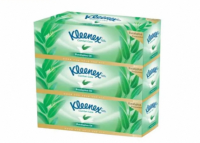
Kleenex Facial Tissue Eucalyptus 3ply 80 pulls x 3 boxes
₱327.08₱339.75
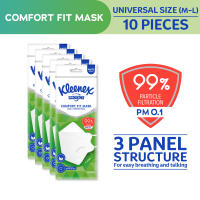
Kleenex Protect Comfort Fit Mask x 5 (10 masks) | everyday hygiene mask
₱292.95₱316.25
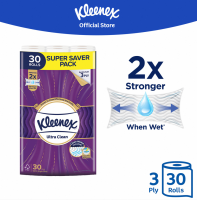
Kleenex Bath Tissue Toilet Tissue Paper Clean Care Ultra Clean - 3 Ply 30 Rolls
₱887.50
Buy on Lazada
Kleenex Pure Water Wipes 20s - Pack of 3
₱150.00
Buy on Lazada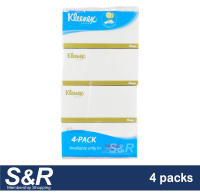
Kleenex Facial Tissues 4 packs
₱459.00
Buy on Lazada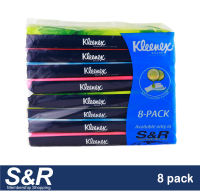
Kleenex Facial Tissue w/ Cucumber Extract 8pcs
₱356.00
Buy on Lazada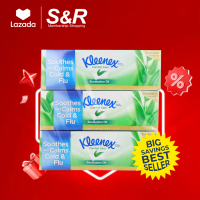
Kleenex Comfort Care with Eucalyptus Oil 3-Ply Tissues 3 boxes
₱366.00
Buy on Lazada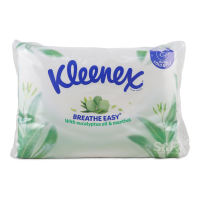
Kleenex With Eucalyptus Oil and Menthol Travel 6pack
₱345.00
Buy on LazadaAbout Kleenex
Overview
| Attribute | Details |
|---|---|
| Brand Name | Kleenex |
| Owner | Kimberly-Clark Corporation |
| Founded | June 12, 1924 |
| Country of Origin | United States |
| Industry | Consumer Goods / Personal Care |
| Product Category | Facial tissues and paper hygiene products |
| Parent Company | Kimberly-Clark |
| Headquarters | Irving, Texas, United States (Kimberly-Clark) |
| Markets | Worldwide |
| Tagline | Various over the years, including “The handkerchief you can throw away.” |
Kleenex is a globally recognized brand of disposable facial tissues and other paper-based hygiene products owned by Kimberly-Clark Corporation. Introduced in 1924 in the United States, Kleenex pioneered the facial tissue category and has since become one of the world’s best-known consumer brands. In many countries, the word “Kleenex” is commonly used as a generic term for facial tissues, although it remains a registered trademark of Kimberly-Clark. [1]
History
Origins
The origins of Kleenex trace back to World War I, when Kimberly-Clark developed a lightweight crepe paper material called Cellucotton. It was initially created as a filter material for gas masks used by soldiers. After the war, the company adapted the material for commercial use. [1]
Launch (1924)
Kleenex was officially introduced on June 12, 1924, as a disposable tissue designed to remove cold cream and makeup. At the time, reusable cloth towels and handkerchiefs were common, making disposable tissues a novel product. [1]
Becoming a Facial Tissue
Consumers soon discovered that Kleenex worked exceptionally well as a disposable handkerchief for colds and allergies. After receiving numerous letters from customers, Kimberly-Clark shifted its advertising in the early 1930s to promote Kleenex as:
“The handkerchief you can throw away.”
This marketing change significantly increased the brand’s popularity and established the modern facial tissue market. [1]
Brand Name
The name Kleenex combines:
-
“Kleen” – representing cleanliness.
-
“-ex” – borrowed from Kimberly-Clark’s earlier successful product, Kotex.
The trademark was officially registered with the U.S. Patent Office and identifies products manufactured by Kimberly-Clark. [1]
Products
Over the decades, Kleenex has expanded beyond standard facial tissues into numerous product categories, including:
-
Facial tissues
-
Ultra Soft tissues
-
Lotion tissues
-
Anti-Viral tissues (selected markets)
-
Pocket Packs
-
Purse Packs
-
Travel tissues
-
Slim Wallet packs
-
Decorative tissue boxes
Many product variations are designed for comfort, portability, allergy relief, or seasonal use. [1]
Major Innovations
| Year | Innovation |
|---|---|
| 1924 | First facial tissue introduced |
| 1929 | Pop-up dispensing box |
| 1930 | Printed tissues |
| 1932 | Pocket Packs |
| 1961 | Space-Saver tissue box |
| 1965 | Purse Packs |
| 1990 | Ultra Soft 3-ply tissues |
| 2004 | Anti-Viral facial tissues |
| 2024 | New global logo introduced for the brand’s 100th anniversary |
Global Presence
Today, Kleenex products are sold in dozens of countries across North America, Europe, Asia-Pacific, Latin America, the Middle East, and Africa. Product lines and packaging may vary by region to meet local consumer preferences and regulations. [1]
Brand Recognition
Kleenex is widely considered a genericized trademark, similar to brands like Band-Aid or Xerox. In everyday language, many people use “Kleenex” to refer to any facial tissue regardless of its manufacturer. Kimberly-Clark continues to protect the trademark while promoting proper brand usage. [1]
Sustainability
Kimberly-Clark has introduced initiatives aimed at improving sustainability across the Kleenex brand, including:
-
Responsible sourcing of wood pulp
-
More sustainable packaging
-
Manufacturing efficiency improvements
-
Waste reduction efforts
These initiatives form part of Kimberly-Clark’s broader environmental commitments. [1]
Milestones
-
1910s: Development of Cellucotton during World War I.
-
1924: Kleenex launched as a cold cream remover.
-
1930s: Repositioned as a disposable handkerchief.
-
1950s: Became associated with Hollywood beauty routines.
-
1960s: Expanded with portable packaging formats.
-
1990s: Introduced Ultra Soft tissues and seasonal packaging.
-
2004: Released Anti-Viral facial tissues.
-
2024: Celebrated its 100th anniversary and unveiled a refreshed brand identity. [1]
Legacy
For over a century, Kleenex has remained one of the world’s leading facial tissue brands. Its innovation in disposable paper products transformed personal hygiene habits, and its name has become deeply embedded in everyday language and popular culture. Through continuous product development and global expansion, Kleenex continues to be associated with comfort, convenience, and everyday care. [1]