Shop on Lazada
Daawat products
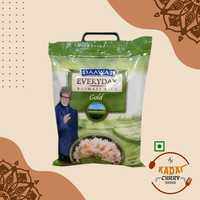
Daawat Everyday Gold Basmati Rice | Long Grain Premium Rice
₱879.00
Buy on Lazada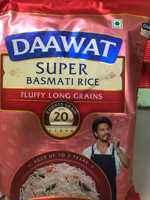
Daawat Super Basmati Rice 5kg Fluffy Long Grains Cooked Grain Aged Up To 2 Years
₱1,250.00
Buy on Lazada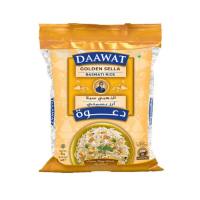
Daawat Golden Sella Basmati Rice 5kg Product of India
₱1,300.00₱1,399.00
Daawat Golden Sella Basmati Rice 5 KILOGRAM Product of India
₱1,290.00₱1,399.00
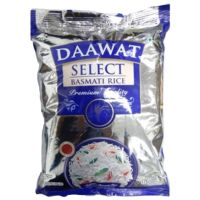
Daawat Select Basmati Rice Premium Quality 5kgs {Made in India}
₱1,759.00₱1,979.00
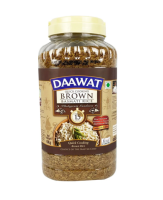
Daawat Brown Basmati Rice - Quick Cooking - For Diabetic/Slimming - From India (5kg) In Resealable Jar
₱1,759.00₱1,869.00
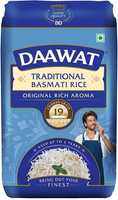
Daawat Traditional Basmati Rice 5kg
₱1,250.00
Buy on Lazada
Daawat Brown Basmati Rice Jar 1kg Lower GI: Diabetic friendly Rich in vitamins and minerals: For stronger immunity
₱399.00₱425.00
About Daawat
Daawat (stylised as DAAWAT®) is an Indian-origin food brand best known for its Basmati rice and other specialty rice products. It serves as the flagship consumer brand of LT Foods Limited, a global food and fast-moving consumer goods (FMCG) company headquartered in India. LT Foods describes Daawat as one of the country’s most loved and consumed Basmati brands, with products reaching more than 85 countries.1
The brand is positioned around premium-quality rice, aroma, grain length, taste, consistency, and the traditional culinary experience associated with Indian Basmati rice. Its portfolio has expanded beyond traditional Basmati to include different rice varieties and international specialty rice.1
Quick facts
| Category | Details |
|---|---|
| Brand | Daawat / DAAWAT® |
| Industry | Food & FMCG |
| Primary category | Basmati and specialty rice |
| Parent company | LT Foods Limited |
| Country of origin | India |
| Brand origins | 1980s |
| Founder/business family | Arora family / LT Foods |
| Key positioning | Premium, quality-focused rice |
| Major market | India |
| International presence | 80+ countries |
| Major products | Basmati, premium Basmati, specialty/global rice |
| Major related brand of parent company | Royal® |
| Official website | daawatbrand.com |
The 80+ country figure is supported by LT Foods’ FY2024–25 reporting, while the company’s current corporate site states its overall business reaches 85+ countries.
History
The origins of Daawat date back to 1950, when Raghunath Arora established a rice-trading business in Bhikhiwind, Punjab. His business philosophy emphasised quality rice, direct relationships with farmers, and fair purchasing practices.
The family subsequently entered rice milling. In 1977, Raghunath Arora established the family’s first rice mill in Bhikhiwind. His sons—including Vijay, Ashwani, Surinder, and Ashok Arora—later helped transform the family enterprise into a modern food company.
The Daawat brand was launched in the 1980s as LT Foods transitioned from being primarily a rice trader and processor to becoming a branded consumer-food business. The company’s corporate history describes this launch as a significant step in creating a consumer-facing premium rice brand.
A key component of the company’s later international expansion was its entry into the United States through the acquisition of the Royal brand in 2007. Royal subsequently became a major Basmati brand in the North American market, while Daawat remained one of LT Foods’ flagship brands, particularly associated with India and international markets.
Meaning of the name
The Hindi and Urdu word “Daawat” (दावत / دعوت) generally means an invitation, feast, or banquet. This name aligns with the brand’s culinary positioning, suggesting rice intended to elevate ordinary meals into special occasions. This concept is reflected in Daawat’s branding, which emphasises family meals, sharing, and memorable food experiences.1
Product portfolio
Daawat’s core business is Basmati rice, particularly premium and extra-long-grain varieties.1
Daawat Traditional
Daawat Traditional Basmati is positioned as the brand’s classic Basmati offering. The company highlights its aroma, white appearance, fluffy texture, and taste. On its U.S. brand site, the grains are described as elongating to approximately 19 mm when cooked.1
It is designed as an everyday premium Basmati suitable for dishes such as:
- Biryani
- Pulao
- Pilaf
- Fried rice
- Curries and rice-based meals
Daawat Ultima
Daawat Ultima occupies a more premium position within the portfolio. It is marketed as an extra-long-grain Basmati with particularly long, fluffy grains and a rich aroma.
Daawat states that Ultima can be aged for up to 24 months, with the ageing process intended to develop aroma, flavour, and texture. The brand’s U.S. site notes that cooked grains can reach approximately 24 mm.1
Specialty and international rice
The Daawat portfolio has expanded beyond conventional Indian Basmati. In FY2024–25, LT Foods reported launching DAAWAT Jasmine Thai Rice, a Thai Hom Mali rice sourced from Thailand and marketed towards consumers interested in Thai and Asian cuisines.
LT Foods has also introduced regional single-origin rice packs in India, reflecting a strategy to expand Daawat from a predominantly Basmati brand towards a broader specialty-rice portfolio.
Key differentiators
Focus on Basmati
Unlike general grocery brands where rice is only one category, Daawat has historically built its identity around specialty rice, especially Basmati. LT Foods identifies specialty rice and rice-based foods as its core business.
Farm-to-fork model
LT Foods describes its operations as an integrated “Farm to Fork” model. Daawat’s sourcing process involves procuring paddy from farmers and mandis across northern India and the Himalayan foothills, followed by transportation, storage, ageing, processing, and packaging.1
Traceability
Daawat states that its Basmati rice can be traced back to the paddy fields from which the raw material originated. The company also works with farmers on pesticide use and participates in the Sustainable Rice Platform (SRP) framework.1
Ageing
Ageing is a critical component of premium Basmati production. Daawat markets aged rice as a method to enhance characteristics such as aroma, texture, and cooking performance, with Ultima serving as one of its most premium examples.1
Parent company: LT Foods
Daawat is not an independent publicly listed company; it is a flagship brand belonging to LT Foods Limited.
LT Foods traces its origins to the Arora family’s rice business and has evolved into a multinational food company specialising in specialty rice, rice-based foods, organic foods, and related categories. Its portfolio includes brands such as Daawat, Royal, Devaaya, and Ecolife.
According to company history, LT Foods became a publicly listed company in 2006. The company currently describes itself as a billion-dollar global FMCG business. Its corporate website reports approximately ₹11,023 crore in consolidated revenue for FY2026, with operations reaching more than 85 countries.
Global presence
Although Daawat has strong Indian roots, the brand maintains an international footprint. LT Foods reports that its flagship brands, including Daawat, are distributed across major regions including:
- India
- North America
- Europe
- United Kingdom
- Middle East
- Far East
- Other international markets
The company’s FY2024–25 annual report indicated a presence in over 80 countries, more than 2,000 global distributors, and a total manufacturing capacity of approximately 2,190 metric tonnes per day across the group. This international reach is significant given the strong global association between Basmati rice and Indian or South Asian cuisine.
Brand positioning
Daawat’s positioning is broadly defined as premium Indian rice with a strong emphasis on authenticity and culinary experience. The brand’s marketing focuses on the premise that high-quality rice contributes substantially to meal quality. Key messaging pillars include:
- Aroma
- Grain length
- Fluffiness
- Taste
- Consistency
- Premium quality
- Indian culinary heritage
- Family meals and celebrations
Daawat’s brand messaging describes its purpose as helping families express love through sharing food and making meals memorable.1
Brand architecture
Daawat has developed a portfolio covering various segments of the rice market rather than relying on a single product. A simplified view of the architecture includes:
DAAWAT®
- Traditional – Classic/premium Basmati
- Ultima – Higher-end, extra-long-grain Basmati
- Specialty rice – Regional and international varieties
- Other innovations – Products responding to changing consumer preferences
LT Foods notes that Daawat continues to hold a strong position in India’s premium and super-premium segments, while portfolio innovations help the brand reach mass and mid-premium consumers.
Sustainability and sourcing
Sustainability has become an increasingly integral part of the parent company’s business model. Daawat’s sourcing philosophy includes working directly with agricultural communities, improving farming practices, and maintaining traceability throughout the supply chain. LT Foods states it works with thousands of farmers and operates programmes designed to promote sustainable and natural farming practices.
In its FY2024–25 reporting, LT Foods highlighted several initiatives, including:
- Climate-smart farming
- Sustainable Rice Platform practices
- Green-energy adoption
- Circular packaging initiatives
- Greater supply-chain traceability
- Responsible sourcing
These initiatives form part of LT Foods’ broader sustainability strategy rather than being exclusive to the Daawat brand.
Leadership and the Arora family
The development of Daawat is closely linked to the Arora family, which has controlled and grown the business that became LT Foods.
Vijay Kumar Arora, Chairman and Managing Director of LT Foods, joined the family business in 1978. The company credits his leadership with driving its transformation and the international development of Daawat.
Ashwani Kumar Arora, Managing Director and CEO, has also played a significant role in building the brand. He is credited with strengthening Daawat, developing backward integration from farming through to packaged rice, and introducing modern packaging and branding approaches to the industry.
Distinction between Daawat, LT Foods, and Royal
These three entities are distinct but related:
| Name | Description |
|---|---|
| Daawat | A flagship rice/food brand |
| LT Foods | The parent company |
| Royal | Another major LT Foods rice brand, particularly prominent in North America |
Daawat functions as a flagship consumer brand under its parent food company, LT Foods, and is not the name of the corporation itself.
Business significance
Branded specialty rice is central to LT Foods’ strategy. Rather than competing solely as a commodity rice processor, the company has built consumer brands around differentiated varieties, packaging, quality, sourcing, and culinary positioning.
This approach allows the company to capture value at multiple points in the supply chain, from agricultural sourcing and milling to branded consumer products and international distribution. The FY2024–25 annual report describes Daawat and Royal as continuing to strengthen premiumisation and category leadership, while the wider portfolio enables LT Foods to address diverse consumer segments and markets.