Shop on Lazada
DC Shoes products
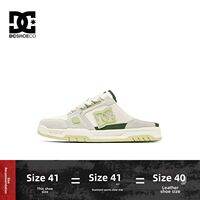
DC Shoes | Comfort Easy-on Mule Shoes
₱7,090.15
Buy on Lazada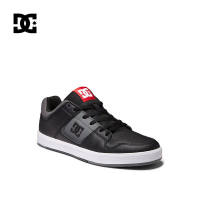
DC Mens DC Shoes Cure Shoes
₱4,270.00₱4,490.00
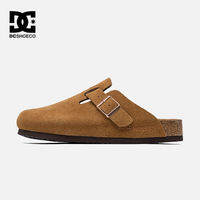
DC Shoes | Soft Bottom Slip-on Sandals
₱7,700.98₱11,607.81
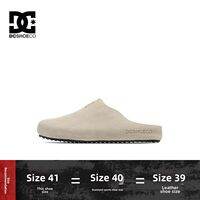
DC Shoes | Soft Bottom Men Slipper Shoes Flat
₱8,373.00₱12,620.17
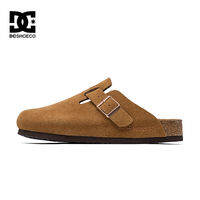
DC Shoes | Summer New Casual Closed Toe Slides
₱8,156.96₱12,297.16
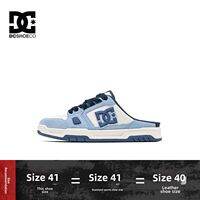
DC Shoes | Slip-On Half Slippers Casual Shoes
₱7,032.18
Buy on Lazada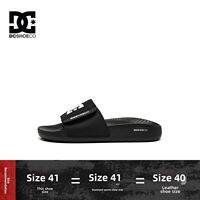
DC Shoes | Mens Summer Outdoor Slipper Magic Tape High-End Sandals
₱4,213.94
Buy on Lazada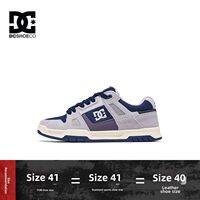
DC Shoes | New Spring American Skate Style Black Samurai Casual Shoes
₱7,232.43₱12,064.56
About DC Shoes
DC Shoes is an American action-sports footwear and lifestyle brand best known for its skateboarding shoes, though its product range also encompasses apparel, snowboarding equipment, outerwear, accessories, and lifestyle footwear. Founded in 1994, DC emerged from the Southern California skateboarding scene and became one of the most recognizable brands during the skateboarding boom of the 1990s and 2000s.1 Today, DC is part of the portfolio of Authentic Brands Group (ABG) following ABG’s acquisition of Boardriders in 2023.2
Basic information
| Brand | DC Shoes |
| Industry | Footwear, apparel, action sports |
| Founded | 1994 |
| Founders | Damon Way, Ken Block, Clayton Blehm |
| Origin | California, United States |
| Primary identity | Skateboarding / action sports |
| Major categories | Skate shoes, sneakers, apparel, snowboarding, accessories |
| Notable sports | Skateboarding, snowboarding, motocross |
| Former parent | Quiksilver / Boardriders |
| Current brand owner | Authentic Brands Group |
| Official site | DC Shoes |
Origins
The history of DC begins in the Southern California skateboarding and streetwear scene rather than solely with footwear. Before DC Shoes existed, founders Damon Way and Ken Block were already involved in the clothing business. Their earlier venture included the Eightball label, which evolved into Droors Clothing in the early 1990s.
Damon Way maintained a close connection to professional skateboarding through his younger brother, legendary skateboarder Danny Way. This relationship provided the company with a direct link to the emerging professional skateboarding culture. The business was incorporated as Circus Distribution, Inc. in 1993, shortly before the DC footwear brand launched.
The name “DC”
There has been considerable discussion regarding what DC stands for. The commonly documented origin is Droors Clothing, the apparel company associated with Way and Block. While historical accounts have sometimes circulated an alternative interpretation involving professional skaters Danny Way and Colin McKay, the brand’s historical connection to Droors remains the stronger explanation.3 It is important to note that DC no longer has a corporate connection to Droors Clothing after the two businesses separated.
Founding of DC Shoes
DC Shoes was established in 1994 by Damon Way, Ken Block, and Clayton Blehm.4 The founders identified an opportunity in the skateboarding footwear market at a time when most skate shoes were simply ordinary athletic or casual shoes adapted for skating. DC instead positioned its products as purpose-built athletic equipment for skateboarders.
This philosophy became fundamental to the company’s identity, treating skateboarders as athletes whose footwear should be engineered accordingly. Consequently, DC emphasized features such as substantial padding, reinforced construction, impact protection, durable soles, board feel and grip, reinforcement around the toe and heel, and technical construction designed for repeated abuse. This approach helped distinguish DC from conventional sneaker companies.
The rise of the skate shoe
During the mid-to-late 1990s, DC became one of the defining brands of skateboarding footwear. Its shoes developed a recognizable appearance characterized by large silhouettes, thick padding, prominent logos, substantial tongues, and technical construction. This aesthetic was significant because skate shoes were evolving beyond mere equipment to become part of streetwear culture. DC operated at the intersection of skateboarding, footwear technology, youth culture, and streetwear.
The company also developed an influential professional team, allowing professional skateboarders to help test products and promote the brand. DC’s own history describes its professional athlete program as a central part of its marketing and product-development strategy.5
Professional skateboarders
The growth of DC was closely associated with some of the most recognizable skateboarders of its era. Athletes associated with the brand included Danny Way, Colin McKay, Rob Dyrdek, Josh Kalis, and Stevie Williams. These riders were not merely advertising figures; professional skateboarding was integral to DC’s product development and brand identity.
Danny Way
Danny Way was particularly important to the identity of DC. He became famous for pushing the physical boundaries of skateboarding, including enormous ramp and gap stunts. His association with DC reinforced the company’s image of technical performance, aggression, risk-taking, and innovation.
Rob Dyrdek
Rob Dyrdek became another highly recognizable personality for DC. His career eventually extended beyond competitive skateboarding into television, entrepreneurship, entertainment, and business, helping DC reach audiences outside traditional skateboarding circles.
Visual identity
One of the most significant accomplishments of DC was creating an instantly recognizable skate-shoe aesthetic. The classic DC shoe was often characterized as bulky, padded, technical, and aggressive. This stood in contrast to the slim minimalist skate shoes that gained popularity in later years. During the late 1990s and early 2000s, a large DC skate shoe functioned as a visual representation of the era’s skate culture. The brand’s star-inspired DC logo also achieved high recognition.
Expansion beyond skateboarding
DC did not remain exclusively a skateboarding footwear company. Its portfolio expanded into several key categories:
Footwear
- Skateboarding shoes
- Casual sneakers
- Boots
- Sandals
- Lifestyle footwear
Apparel
- T-shirts
- Hoodies
- Jackets
- Pants
- Shorts
- Headwear
Snowboarding
- Snowboard boots
- Snowboards
- Snowboard apparel
- Outerwear
Accessories
- Bags
- Hats
- Wallets
- Other lifestyle products
The current brand description lists men’s, women’s, and children’s footwear and apparel alongside snowboards, snowboard boots, outerwear, and accessories.6
Entry into snowboarding and other action sports
As DC expanded, it increasingly positioned itself as a broader action-sports brand rather than simply a skate-shoe company. Snowboarding became an important second pillar. The design philosophy that succeeded in skateboarding—durability, impact protection, technical construction, and athlete-driven development—translated naturally into snowboarding. DC also developed a presence in motocross, further expanding its action-sports identity.7 This resulted in a broader brand positioning encompassing skateboarding, snowboarding, motocross, and streetwear.
Acquisition by Quiksilver
A major turning point occurred in 2004. Quiksilver announced an agreement to acquire DC Shoes in March 2004, and the acquisition became effective on May 1, 2004.8 The deal was strategically important for both entities. Quiksilver already had a major presence in surfing and board sports through brands such as Quiksilver and Roxy. DC gave the company a much stronger position in skateboarding footwear. Quiksilver described DC as a brand whose skateboard-driven lifestyle complemented its existing surf-oriented portfolio.
According to SEC filings, the acquisition price included approximately $52.8 million in cash, 1.6 million restricted Quiksilver shares valued at about $27.3 million, and repayment of approximately $15.3 million in debt.
DC under Quiksilver
Under Quiksilver, DC gained access to a significantly larger international distribution and marketing infrastructure. This helped transform DC from a successful American skate brand into a global action-sports label. The brand continued to develop skateboarding footwear, snowboard footwear, apparel, accessories, international distribution, and professional athlete programs. By the late 2000s and early 2010s, DC was operating as one of the major names within the global board-sports industry. Regulatory filings described DC’s reputation as being particularly rooted in its technical skateboarding shoes.
The 2000s skateboarding boom
The significance of DC is closely connected to the skateboarding culture of the late 1990s and 2000s. This was an era when skateboarding became increasingly mainstream, appearing prominently in video games, television, music, movies, fashion, advertising, and youth culture. Brands such as DC, Vans, éS, Emerica, and Etnies helped turn skate shoes into a major footwear category. The particularly chunky designs of DC became closely associated with this period.
DC and streetwear
One reason DC survived beyond its original skateboarding audience was its connection to streetwear. DC shoes could be worn by individuals who never stepped onto a skateboard. The shoes became part of a broader aesthetic associated with baggy jeans, graphic T-shirts, hoodies, skate clothing, hip-hop culture, youth fashion, and Southern California style. This helped DC transcend the traditional definition of a technical sports brand.
The decline of the “chunky skate shoe” era
Fashion eventually moved away from the extremely bulky skate shoes that defined much of DC’s early success. During the 2010s, slimmer skateboarding footwear became increasingly influential. Simultaneously, skateboarding itself underwent changes, and the wider footwear market became increasingly dominated by enormous multinational brands. DC consequently had to balance two identities: its heritage as a technical skateboarding brand and its role as a broader lifestyle and fashion brand. This tension is common among established action-sports companies.
Boardriders
Quiksilver changed its corporate identity to Boardriders, Inc. in 2017. Boardriders became the parent organization associated with a group of major action-sports brands, including Quiksilver, Roxy, DC Shoes, Billabong, Element, RVCA, VonZipper, and Honolua. Boardriders acquired Billabong International in 2018, significantly expanding the portfolio.10 DC consequently became one component of a much larger global action-sports group.
Acquisition by Authentic Brands Group
Another major transition occurred in 2023. Authentic Brands Group reached an agreement to acquire Boardriders and its collection of action-sports brands, including DC Shoes.11 The acquisition was completed in September 2023. The corporate history of DC can thus be summarized as: DC Shoes → Quiksilver → Boardriders → Authentic Brands Group. While DC remains a distinct consumer brand, its ownership structure has changed substantially over the decades.
The Authentic Brands Group era
Under ABG, DC is part of a larger brand-ownership and licensing ecosystem. ABG’s portfolio includes numerous fashion, sports, and lifestyle brands, and the company’s strategy frequently involves working with regional and category-specific operating partners. For example, ABG announced partnerships concerning the operation of DC and other former Boardriders brands in different territories, including Japan and Taiwan.9
In Western Europe, the Beaumanoir Group acquired the activities of the Boardriders Group and operation of brands including DC Shoes in 2024.20 Thus, the entity behind the DC logo today is not necessarily a single vertically integrated organization manufacturing and selling every DC product worldwide. The brand operates through a combination of ownership, licensing, distribution, and regional operating partnerships.
Current product offerings
The modern product ecosystem of DC is much broader than its original skate shoes.
Skateboarding
Skateboarding remains the heart of the brand. DC continues to manufacture skate shoes designed around impact absorption, durability, grip, board feel, reinforced construction, and skate-specific materials.
Lifestyle
DC produces casual footwear intended for everyday wear. This category is significant because the DC customer base extends beyond active skateboarders.
Snowboarding
DC maintains a significant snowboarding identity through snowboard boots, snowboards, technical outerwear, and snowboarding apparel.
Clothing
The apparel range includes casual streetwear influenced by the brand’s skateboarding heritage.
Brand philosophy
The philosophy of DC can be understood as action-sports performance combined with street culture. Historically, the brand rejected the idea that skateboarding was merely recreational. Instead, DC treated skateboarders as athletes and skateboard footwear as legitimate performance equipment. This philosophy is reflected in the brand’s emphasis on professional athletes, technical footwear, and product development.12
Cultural importance
DC Shoes is significant not simply because it sells sneakers, but due to its role in the development of modern skateboarding culture. In the 1990s and 2000s, skate shoes became an important part of youth fashion. DC was one of the companies that helped establish the concept that a skateboarding shoe could simultaneously function as sports equipment, a fashion item, and a cultural symbol. This model subsequently became highly influential throughout the footwear industry.
Comparison with other skate brands
DC occupies a distinctive position among skate brands.
| Brand | Historical identity | Typical aesthetic |
|---|---|---|
| DC Shoes | Skateboarding / action sports | Technical, padded, bold |
| Vans | Skateboarding / California lifestyle | Simple, classic, vulcanized |
| éS | Performance skateboarding | Technical, athletic |
| Etnies | Skateboarding | Technical + lifestyle |
| Emerica | Core skateboarding | Minimal, skate-focused |
| adidas Skateboarding | Global sportswear + skateboarding | Sport-fashion crossover |
| Nike SB | Global sportswear + skateboarding | Performance + sneaker culture |
The most distinctive historical contribution of DC was arguably the technical, heavily padded skate shoe.
The DC aesthetic
The aesthetic of DC can be summarized as 1990s skateboarding, Southern California, technical footwear, streetwear, and action sports. The classic DC look tends to emphasize large proportions, prominent branding, thick soles, padded collars and tongues, technical detailing, strong color blocking, and skate-inspired graphics. Consequently, vintage DC shoes have garnered interest from enthusiasts of Y2K fashion and late-1990s/early-2000s streetwear.
Founders and important personalities
Ken Block
Co-founder of DC Shoes and an important figure in the company’s early development. Block later became internationally famous for automotive and motorsport projects, particularly through Gymkhana and his Hoonigan brand. His later career gave him a cultural identity far beyond DC Shoes.12
Damon Way
Co-founder and one of the principal architects of the original DC business. He came from the skate and streetwear world and helped establish the product and business direction of DC.13
Danny Way
Professional skateboarder and a major figure in the early identity of DC. His enormous skateboarding stunts helped reinforce the image of DC as an aggressive, high-performance action sports brand.
Colin McKay
Professional skateboarder and another important early DC athlete.
Rob Dyrdek
Professional skateboarder and later television personality and entrepreneur whose association helped DC reach a much broader youth audience.
Legacy
The legacy of DC can be summarized in four areas:
Skateboarding footwear
DC helped establish the modern skate shoe as a purpose-built athletic product rather than merely a casual sneaker.
Skateboarding culture
The brand helped turn professional skateboarders into major cultural figures.
Streetwear
DC demonstrated how action-sports footwear could become mainstream fashion.
Action-sports branding
The company’s combination of athletes, product innovation, skateboarding, snowboarding, and lifestyle marketing became a template used throughout the action-sports industry.
Timeline
- 1980s–early 1990s: Ken Block and Damon Way become involved in skate-oriented apparel and develop the businesses that lead toward Droors Clothing.13
- 1993: The business is incorporated as Circus Distribution, Inc.14
- 1994: DC Shoes is founded.15
- Mid–late 1990s: DC establishes itself as a major skateboarding-footwear brand and builds a prominent professional team.
- 2000s: DC expands internationally and becomes a major action-sports and streetwear brand.
- 2004: Quiksilver acquires DC Shoes.16
- 2000s–2010s: DC expands strongly into snowboarding and broader lifestyle products.
- 2017: Quiksilver changes its corporate name to Boardriders.17
- 2018: Boardriders acquires Billabong International and adds several brands to its portfolio.18
- 2023: Authentic Brands Group acquires Boardriders and its portfolio, including DC Shoes.19
- 2024–present: DC continues operating as an international action-sports and lifestyle brand through ABG and various regional operating and licensing partners.20
Summary
DC Shoes is a California-founded action-sports brand established in 1994 by Damon Way, Ken Block, and Clayton Blehm. Emerging from the Southern California skateboarding and streetwear scene, DC became famous for technically engineered, heavily padded skate shoes and a professional team featuring influential skateboarders such as Danny Way, Colin McKay, and Rob Dyrdek. The company expanded into apparel, snowboarding, motocross, and lifestyle products, and in 2004 was acquired by Quiksilver. Following Quiksilver’s evolution into Boardriders and Boardriders’ acquisition by Authentic Brands Group in 2023, DC is now part of ABG’s global brand portfolio. Its enduring identity remains rooted in skateboarding, action sports, technical footwear, and street culture.19
Historically, DC is one of the brands that helped define what the modern skate shoe became: simultaneously a piece of athletic equipment, a fashion product, and a symbol of youth culture. Its strongest period of cultural influence was arguably the 1990s and 2000s, but the brand remains active today, with its identity still centered on skateboarding, snowboarding, action sports, and lifestyle footwear.20
References
- About Us | DC Shoes Philippines
- DC Shoes
- DC Shoes, Inc. — Company History
- DC Shoes History: From Droors to Skate and Moto
- SEC
- SEC
- SEC
- Quiksilver
- Authentic Partners with BRJ Group for Quiksilver, Billabong, Roxy, RVCA, DC Shoes, Element and Von Zipper in Japan and Taiwan — Authentic Brands Group
- DC Shoes, Inc. | Encyclopedia.com
- Who Owns DC Shoes? From Quiksilver to Authentic Brands – LegalClarity
- PUSH YOUR OWN STORY | KEN BLOCK | DC Shoes Philippines
- DC Shoes Startup Story. How Damon Way and Ken Block Built an Empire
- sec.gov
- sec.gov
- 20_Ken Block and Damon Way
- DC History | Product of Ken Block and Damon Way
- Sobre nosotros
- DC Shoes Philippines | Skateboarding Shoes & Apparel
- DC Shoes – Groupe Beaumanoir