Shop on Lazada
Decathlon products
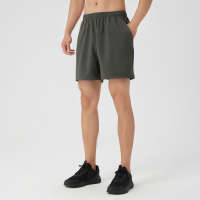
Decathlon Mens Cardio Fitness / Running Shorts Blue Black Khaki
₱441.00₱490.00
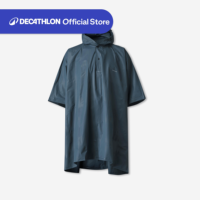
Decathlon Hiking Rain Poncho Waterproof Raincoat Rainwear
₱539.17₱640.00
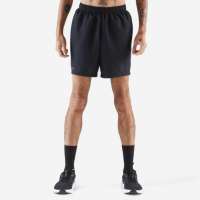
Decathlon Mens Running Shorts Kiprun Run 100 - Steel Blue/ Black shorts
₱319.84₱490.00
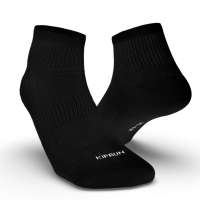
Decathlon Running Socks Run 100 3-Pack - black
₱210.18₱390.00
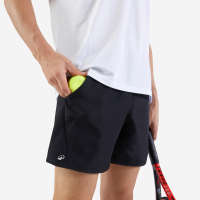
Decathlon Mens Tennis Pickle Ball Shorts Essential - Black Navy Blue
₱437.40₱490.00
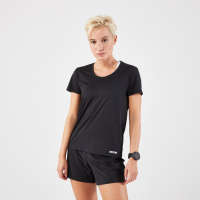
Decathlon Womens breathable Kiprun Run running T-shirt - Magenta/Pink Black
₱319.84₱390.00
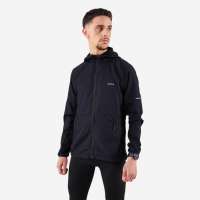
Decathlon Mens KIPRUN Run 100 Windproof Running & Trail Running Jacket - Black
₱647.01₱1,590.00
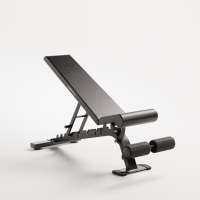
Decathlon Reinforced Adjustable Incline and Decline Weight Bench
₱12,876.16₱13,640.00
About Decathlon
Decathlon is a French multinational sporting goods retailer, designer, and manufacturer of sports equipment, apparel, footwear, and accessories. Founded in 1976, the company has grown into one of the world’s largest sporting goods retailers, offering products for more than 80 sports. Decathlon is known for combining product design, manufacturing, logistics, and retail operations under one business model, allowing it to offer quality sporting goods at competitive prices. [1]
Company Overview
| Attribute | Details |
|---|---|
| Company Name | Decathlon SE |
| Founded | 1976 |
| Founder | Michel Leclercq |
| Headquarters | Villeneuve-d’Ascq |
| Industry | Sporting goods retail and manufacturing |
| Business Type | Family-owned multinational company |
| Products | Sports equipment, apparel, footwear, outdoor gear, bicycles, fitness equipment, accessories |
| Markets Served | Worldwide |
| Employees | Approximately 100,000+ globally |
| Retail Presence | More than 1,700 stores worldwide (varies by market and year) [1] |
History
Decathlon was founded in July 1976 by Michel Leclercq in Englos, near Lille in northern France. His vision was simple but innovative: create a store where customers could find equipment for many different sports under one roof at affordable prices.
During the 1980s, the company expanded internationally and began developing its own sporting goods instead of relying only on third-party brands. This strategy eventually became one of Decathlon’s biggest competitive advantages.
Major milestones include:
-
1976 – First Decathlon store opens in France.
-
1986 – Expansion outside France begins; development of in-house bicycles.
-
1996 – Launch of the first dedicated in-house sports brands such as Quechua and Tribord.
-
2005 – Introduction of the popular “2 Seconds” instant camping tent.
-
2024 – Global brand refresh with a new visual identity and digital transformation. [2]
Business Model
Decathlon operates using a vertically integrated business model, meaning it controls nearly every stage of the product lifecycle:
-
Research and development
-
Product design
-
Material sourcing
-
Manufacturing
-
Logistics
-
Retail stores
-
E-commerce
-
Repair and after-sales services
This approach reduces costs while allowing the company to maintain quality standards and innovate rapidly. [1]
Product Categories
Decathlon sells products for a wide range of sports, including:
-
Running
-
Football (Soccer)
-
Basketball
-
Tennis
-
Cycling
-
Hiking
-
Camping
-
Swimming
-
Yoga
-
Fitness
-
Gym Training
-
Fishing
-
Horse Riding
-
Golf
-
Climbing
-
Skiing
-
Surfing
-
Martial Arts
-
Badminton
-
Table Tennis
-
Rugby
-
Cricket
-
Volleyball
-
Kayaking
-
Canoeing
-
Hunting (in selected countries)
Overall, the company covers equipment for more than 80 sports. [1]
In-house Brands
A distinguishing feature of Decathlon is its portfolio of specialized in-house brands, each focused on a particular sport or activity. Examples include:
| Brand | Specialty |
|---|---|
| Quechua | Hiking & Camping |
| Forclaz | Trekking & Backpacking |
| Domyos | Fitness & Gym |
| Kiprun | Running |
| Van Rysel | Road Cycling |
| Rockrider | Mountain Bikes |
| Btwin | Urban Cycling & Children’s Bikes |
| Tribord | Sailing & Watersports |
| Nabaiji | Swimming |
| Artengo | Tennis & Racquet Sports |
| Caperlan | Fishing |
| Fouganza | Horse Riding |
| Oxelo | Skating & Scooters |
| Tarmak | Basketball |
| Solognac | Hunting |
| Simond | Climbing & Mountaineering |
| Aptonia | Sports Nutrition & Recovery |
These brands are designed and developed internally to meet different levels of sporting needs, from beginners to experienced athletes. [2]
Innovation
Innovation is central to Decathlon’s strategy. The company operates multiple research and development centers in Europe where engineers, designers, and athletes collaborate to create new products.
Some notable innovations include:
-
The 2 Seconds Tent, which can be set up almost instantly.
-
Lightweight hiking apparel and backpacks.
-
High-performance bicycles under the Van Rysel brand.
-
Eco-designed products using recycled materials and lower-impact manufacturing processes. [1]
Sustainability
Decathlon has expanded its sustainability efforts through initiatives such as:
-
Eco-design of products
-
Reduced packaging
-
Repair workshops
-
Product buy-back programs
-
Equipment rental in selected markets
-
Recycling and circular economy initiatives
-
Targets to reduce carbon emissions across operations
The company emphasizes extending product life through repair and reuse alongside improving the environmental footprint of new products. [1]
Global Presence
Decathlon operates in dozens of countries across:
-
Europe
-
Asia
-
North America
-
South America
-
Africa
-
Oceania
Its stores range from small urban outlets to large flagship locations offering thousands of products under one roof. [1]
Decathlon in the Philippines
Decathlon entered the Philippine market in 2017, opening its first flagship store in Alabang. Since then, it has expanded with additional stores and an e-commerce platform, offering equipment for a broad range of sports to Filipino consumers. [3]
Competitive Advantages
Decathlon’s strengths include:
-
Affordable pricing through vertical integration
-
Extensive range covering dozens of sports
-
Strong investment in product research and innovation
-
Specialized in-house brands
-
Large international retail network
-
Focus on accessibility, encouraging participation in sports at all skill levels. [1]
Mission
Decathlon’s mission is to make sport accessible to as many people as possible. The company aims to provide functional, durable, and affordable sporting goods that encourage active lifestyles while continuing to improve product innovation and sustainability. [1]
Summary
Decathlon has evolved from a single French sporting goods store into one of the world’s largest integrated sports retailers. Its combination of in-house product development, efficient supply chains, affordable pricing, and a broad product portfolio has made it a leading global brand in the sports retail industry. The company continues to invest in innovation, digital transformation, and sustainability while expanding access to sports equipment for consumers worldwide.