Shop on Lazada
DKNY products
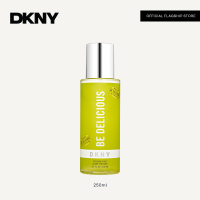
DKNY BE Delicious Body Mist 250ml - For Her (Female Perfume) | Fragrance for Women
₱1,350.00
Buy on Lazada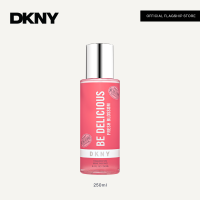
DKNY BE Delicious Fresh Blossom Body Mist 250ml - For Her (Female Perfume) | Fragrance for Women
₱1,350.00
Buy on Lazada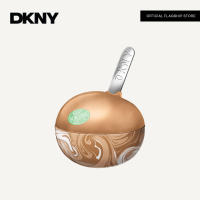
DKNY BE Delicious Pistachio Latte Eau de Parfum 50ml - For Her (Female Perfume) | Fragrance for Women
₱3,950.00
Buy on Lazada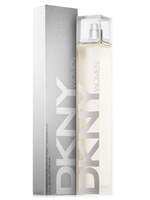
PREORDER DKNY TOWER/DKNY ENERGIZING WOMEN EDP | Full Size | Dainty Scents PH
₱4,699.00₱5,500.00

DKNY Women Energizing EDP | DKNY Tower | Decant | *Bea Alonzos Scent*
₱4,699.00
Buy on Lazada
✅DKNY Malone High top Sneakers size 11 men’s black shoes
₱4,899.00
Buy on Lazada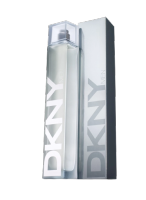
PREORDER SALE | DKNY TOWER/ DKNY ENERGIZING MEN EDT | Dainty Scents PH
₱3,499.00
Buy on Lazada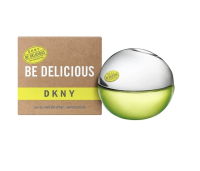
Dkny Be Delicious EDP 100ml
₱2,900.00₱4,500.00
About DKNY
DKNY (short for Donna Karan New York) is an American fashion and lifestyle brand established by designer Donna Karan in 1989. Closely associated with New York City, the label was originally created as a more youthful and accessible counterpart to Karan’s premium Donna Karan New York line. Today, DKNY is owned by G-III Apparel Group and operates as a global lifestyle brand encompassing apparel, footwear, handbags, accessories, fragrances, watches, eyewear, children’s products, and other licensed categories.1
Overview
| Field | Information |
|---|---|
| Brand name | DKNY |
| Full name | Donna Karan New York |
| Founded | 1989 |
| Founder | Donna Karan |
| Country of origin | United States |
| Home city | New York City |
| Industry | Fashion and lifestyle |
| Parent company | G-III Apparel Group |
| Previous parent | LVMH |
| Main identity | New York-inspired contemporary fashion |
| Major products | Clothing, footwear, handbags, accessories, watches, fragrances, eyewear and more |
| Positioning | Aspirational, accessible and contemporary |
| Global reach | 55+ countries and 5,000+ points of sale, according to G-III |
G-III currently describes DKNY as a global fashion brand that combines modern tailoring, sophisticated ease, and the practical, aspirational spirit of New York.2
History
Origins: Donna Karan
The history of DKNY begins with Donna Karan, who founded her eponymous fashion company in 1984 after spending many years at the American fashion house Anne Klein.
Karan gained prominence for designing clothing centered on the practical needs of modern women. Her first major collection, “Seven Easy Pieces,” was built around a small number of interchangeable garments capable of forming a complete wardrobe. The underlying philosophy was to create sophisticated clothing that could transition seamlessly between different aspects of a woman’s life.
This concept—fashion that is practical, versatile, and sophisticated—would eventually become a core component of DKNY’s identity.
The creation of DKNY
In 1989, Donna Karan introduced DKNY.
The concept differed significantly from the main Donna Karan collection. While Donna Karan New York represented a more elevated fashion proposition, DKNY was designed to capture a younger, more energetic, and more accessible New York lifestyle.
Karan has stated that the original inspiration began with her personal desire for a pair of jeans, which evolved into a broader fascination with New York itself, including its energy, colors, personalities, and eclectic mix of styles.3
The name carries a direct meaning:
DKNY = Donna Karan New York
“New York” serves as more than a geographical reference; it is central to the brand’s identity.
Brand philosophy
DKNY’s fundamental concept can be summarized as New York as a lifestyle. Rather than treating the city merely as a backdrop, DKNY utilizes it as a primary source of inspiration for its design language.
The brand defines itself through concepts such as:
- Modern
- Confident
- Iconic
- New York
- Practicality
- Energy
- Urbanity
- Accessibility
- Contemporary sophistication
DKNY’s official brand story describes the label as being inspired by the energy and attitude of New York, while emphasizing utility, purpose, and contemporary design.
This approach creates a distinct contrast with traditional luxury fashion. DKNY does not focus primarily on formal aristocratic elegance or European heritage. Instead, its cultural reference point is the American metropolis—fast, diverse, practical, and constantly evolving.
Design aesthetic
Historically, DKNY’s aesthetic has combined several key elements:
American sportswear
DKNY emerged from the American sportswear tradition, emphasizing garments that are relatively easy to wear and integrate into everyday life.
Urban fashion
The streets, architecture, transportation, nightlife, and multicultural population of New York have all contributed to the brand’s visual identity.
Tailoring
The brand incorporates structured jackets, trousers, coats, and other tailored pieces, lending a polished character to its casual clothing.
Minimalism
DKNY frequently employs clean silhouettes and recognizable branding rather than elaborate decoration.
Athletic influence
Sport and movement have been integral to the brand’s identity. DKNY describes its origins as being connected to “a pair of jeans and the speed of sport.”
The resulting aesthetic is essentially urban American fashion with a polished edge.
Products
DKNY has expanded significantly beyond its original women’s clothing concept. It now functions as a lifestyle brand, with products and licensed categories including:
- Women’s clothing
- Men’s clothing
- Jeans
- Dresses
- Tailoring
- Outerwear
- Sportswear
- Denim
- Shoes
- Handbags
- Wallets and leather goods
- Watches
- Eyewear
- Fragrances
- Underwear
- Children’s clothing
- Home-related products
- Other accessories
G-III describes DKNY as having a full lifestyle offering, with licensed categories spanning fragrance, men’s apparel, kids’ wear, home goods, optical products, watches, and other accessories.
DKNY and Donna Karan: Key differences
Understanding the distinction between the two labels is essential to understanding the brand.
Donna Karan New York
The original Donna Karan label represents the more sophisticated and elevated side of the fashion house. Its heritage is associated with refined tailoring, sophisticated women’s dressing, and the concept of a complete wardrobe.
DKNY
DKNY was created as the younger, more accessible New York counterpart.
The relationship can be understood as follows:
- Donna Karan: Sophisticated designer fashion
- DKNY: Contemporary New York lifestyle fashion
While the two brands share DNA, they are deliberately positioned differently. G-III specifically states that DKNY is intended to maintain a differentiated position from Donna Karan.4
Donna Karan’s current website describes the two labels as essentially two sides of the same city: the more elevated Donna Karan New York and the more contemporary, next-generation DKNY.5
Ownership history
1989–2001: Donna Karan
DKNY began under Donna Karan International and was closely connected to its founder and the wider Donna Karan fashion business.
2001–2016: LVMH
In 2001, luxury conglomerate LVMH acquired Donna Karan International. This placed DKNY within one of the world’s largest luxury-goods groups, alongside numerous major international fashion and luxury brands.
2016–present: G-III Apparel Group
In July 2016, LVMH and G-III Apparel Group announced an agreement for G-III to acquire Donna Karan International, including both the Donna Karan and DKNY brands, for an enterprise value of approximately $650 million.6
The acquisition was completed in December 2016. G-III subsequently became the owner responsible for developing DKNY and expanding its global fashion and licensing business.
The ownership timeline is as follows:
Donna Karan → LVMH → G-III Apparel Group
As of 2026, G-III Apparel Group owns DKNY.7
DKNY under G-III
G-III’s strategy has focused on expanding DKNY from a fashion label into a broader lifestyle brand. Following the acquisition, G-III emphasized rebuilding DKNY’s market position and expanding its distribution and licensing opportunities.8
Current brand information indicates that DKNY is distributed in more than 55 countries, with 5,000+ points of sale and 70+ company- and partner-operated stores globally. G-III also reports approximately $675 million in DKNY net sales for fiscal 2025.9
These figures illustrate that contemporary DKNY is considerably more than a traditional designer clothing label; it is a large international fashion business.
Retail and distribution
DKNY products are sold through a combination of channels, including:
- Department stores
- Specialty retailers
- Online retailers
- DKNY’s own digital channels
- Company-operated stores
- International distributors
- Brand partners
- Licensed-product channels
G-III filings describe DKNY products as being sold through department stores, specialty retailers, online retailers, and company-operated retail stores worldwide.10
In the United States, DKNY has maintained a significant relationship with Macy’s, including an agreement making Macy’s the exclusive U.S. department-store retailer for DKNY women’s apparel and accessories beginning in 2018.11
Brand positioning
DKNY occupies a distinct position in the fashion market. It is not positioned like ultra-luxury houses such as Chanel or Hermès, nor is it primarily a mass-market brand. Instead, it has historically occupied an accessible/aspirational contemporary fashion space.
The brand’s appeal is essentially:
Designer heritage + New York identity + everyday practicality
This positioning makes DKNY particularly recognizable to consumers seeking a designer name and urban-fashion identity without the price level associated with the world’s highest luxury houses. G-III describes DKNY as “aspirational yet accessible.”12
Logo and visual identity
The DKNY logo is one of the brand’s most recognizable assets. The four-letter abbreviation is deliberately simple and highly legible, allowing the brand to communicate its New York association immediately:
DK + NY
The logo has appeared extensively on:
- T-shirts
- Sweatshirts
- Bags
- Caps
- Accessories
- Watches
- Fragrance packaging
- Advertising
- Store signage
This strong use of branding is particularly important to DKNY’s more casual and lifestyle-oriented products.
Fragrance
Fragrance has been a significant extension of DKNY beyond fashion. The brand has produced numerous fragrances, with the most recognizable being the DKNY Be 100% Delicious / Be Delicious family.
The original DKNY Be Delicious became particularly associated with New York imagery and the green apple, making the fragrance almost a secondary visual identity for the brand.
Fragrance is operated through licensing rather than internal manufacturing, illustrating how DKNY has used licensing to extend its brand into different consumer markets. G-III identifies fragrance as one of DKNY’s key licensed categories.13
Sub-brands and extensions
Over the years, DKNY has produced or been associated with various extensions, including:
- DKNY Jeans
- DKNY Active
- DKNY Underwear
- DKNY Kids
- DKNY Juniors
- DKNY Pure
- Men’s DKNY
- DKNY Beauty
- DKNY Home
While some historical extensions have changed or disappeared as the company’s strategy evolved, they demonstrate how the original label expanded into a broader lifestyle ecosystem.
New York connection
A defining aspect of DKNY is that New York is effectively the brand’s main character. The brand’s identity draws on the contrasts that define the city:
- Luxury and streetwear
- Business and nightlife
- Formality and casual clothing
- Tradition and innovation
- Manhattan and the outer boroughs
- Architecture and street culture
- American practicality and international influence
Donna Karan has emphasized that the original vision was not simply about putting her name on clothing; it was about expressing New York and its energy.
Consequently, DKNY is understood as more than an abbreviation of Donna Karan’s name; it is essentially a fashion interpretation of New York City.
Cultural significance
DKNY became part of the wave of American fashion brands that helped establish New York as a global fashion identity. Instead of relying heavily on European luxury traditions, DKNY presented a distinctly American approach:
Urban, energetic, practical, confident, and contemporary.
This helped differentiate it from European fashion houses and contributed to the broader international perception of New York as a center of fashion and culture.
The brand’s success also demonstrated the commercial potential of transforming a designer’s name and aesthetic into a broader lifestyle business encompassing clothing, accessories, fragrance, and licensing.
DKNY today
As of 2026, DKNY remains part of G-III Apparel Group’s portfolio of global fashion brands.
G-III describes the current DKNY proposition as a modern New York lifestyle brand, with an emphasis on modern tailoring, sophisticated ease, and the practical spirit of the city.
The company’s current brand page reports:
- Founded: 1989
- Owner: G-III Apparel Group
- 55+ countries
- 5,000+ points of sale
- 70+ company and partner-operated stores
- ~$675 million FY2025 net sales
- A longer-term opportunity estimated by G-III at $1 billion in annual net sales
Although DKNY began as a younger offshoot of Donna Karan’s fashion house, it has evolved into a large international fashion and lifestyle brand in its own right.