Shop on Lazada
Dole products
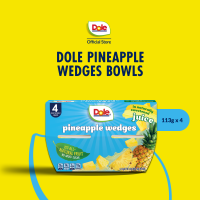
Dole Pineapple Wedges Bowls 4-pack
₱200.00
Buy on Lazada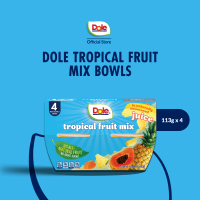
Dole Tropical Fruit Mix Bowls 4-pack
₱200.00
Buy on Lazada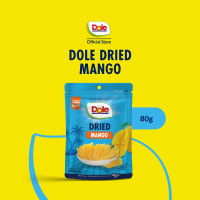
Dole Dried Mangoes 80g
₱143.00
Buy on Lazada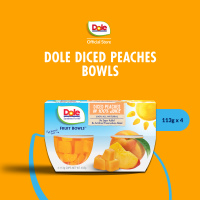
Dole Diced Peaches Bowls 4-pack
₱226.00
Buy on Lazada
Dole Tropical Fruit Cocktail 822g (in extra light syrup) SALE
₱179.00₱239.00
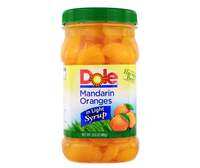
Dole Sliced Peaches Light Syrup 665g SALE
₱199.00₱249.00
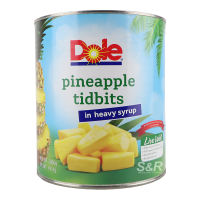
Dole Pineapple Tidbits 3.06kg
₱402.00
Buy on Lazada
Dole Mandarin Oranges Jar 665G
₱399.00₱499.00
About Dole
Dole is one of the world’s most recognised fresh-produce brands, particularly associated with bananas, pineapples, grapes, salads, vegetables, and other fresh fruits and vegetables. Today, the Dole name is used within Dole plc, an Ireland-incorporated global fresh-produce company headquartered in Dublin. The modern Dole plc was created in 2021 through the merger of Total Produce plc and Dole Food Company.1
The history of Dole stretches back more than 170 years, although the modern consumer brand is particularly rooted in the work of James Dole, who began growing pineapples in Hawaii in 1901. The brand built its reputation around consistent produce quality and eventually became one of the most recognisable names in the global fruit and vegetable industry.1
Quick facts
| Category | Information |
|---|---|
| Brand | DOLE® |
| Industry | Fresh produce / Food & agriculture |
| Best known for | Bananas, pineapples, fresh fruit and vegetables |
| Parent company | Dole plc |
| Modern Dole plc formed | 2021 |
| Historical roots | 1851 |
| James Dole pineapple business | Began in 1901 |
| Headquarters | Dublin, Ireland |
| Operations | About 30 countries |
| Employees | Approximately 32,000 |
| Own production land | About 110,000 acres |
| Facilities | 250+ globally |
| 2025 revenue | Approximately US$9.2 billion |
| Main mission | “To Make The World A Healthier Place” |
The current figures are reported by Dole plc and can change from year to year.1
Origins and early history
The history of Dole is somewhat more complicated than simply starting with James Dole. The modern company incorporates the histories of several businesses that eventually became part of the Dole organisation.
The foundations of what would become Dole were laid in 1851, when Samuel Castle and Amos Cooke established a business in Hawaii. Separately, the Vaccaro brothers began their banana business in 1899. These different strands of the tropical-fruit industry eventually contributed to the corporate history behind today’s Dole.
The most important individual in the early development of the Dole brand was James Drummond Dole, commonly known as James Dole. In 1901, James Dole began growing pineapples in Wahiawa, on the island of Oahu, Hawaii. His focus on producing and distributing pineapple on a large scale helped transform pineapple from a relatively exotic fruit into a widely consumed commercial product.1
This period established an important characteristic of the Dole business: controlling and improving the journey from agricultural production to the consumer.
James Dole and the pineapple business
James Dole is the person most closely associated with the historical development of the Dole brand. At the beginning of the 20th century, pineapple production and consumption were much smaller than they are today. Dole invested in large-scale cultivation and processing, helping develop the infrastructure needed to supply distant markets.
The company’s philosophy became strongly associated with the idea of quality. Dole plc itself describes the brand heritage as being founded on James Dole’s dedication to “quality, quality, quality.”1 This philosophy became important to the eventual Dole identity: rather than simply selling agricultural commodities, the company sought to build a recognisable consumer brand around the quality and consistency of its produce.
From pineapple company to global food brand
Over the following decades, the Dole organisation expanded beyond pineapples. The business became increasingly involved in bananas, pineapples, other tropical fruits, fresh vegetables, packaged and prepared produce, salads, fresh-cut products, and other convenience-oriented produce.
One important milestone came in 1978, when Dole bananas were launched in Europe and the company began marketing vegetables. In 1990, Dole introduced value-added fresh vegetable products.1 This expansion changed the perception of Dole from being primarily a pineapple company into a broader fresh-produce brand.
The Dole brand
The DOLE® name is more than the name of a producer; it functions as a consumer-facing brand placed on fresh produce sold around the world. Dole describes the brand as a premium, farm-fresh foods brand focused on fruits and vegetables, with an emphasis on quality, freshness, taste, health, and responsible agricultural practices.1
The brand is particularly recognisable because consumers encounter the Dole name directly on products such as bananas and pineapples rather than only seeing it as the name of an agricultural supplier. Dole states that its brand is the most recognised fresh-produce brand in the United States, reporting 73% unaided consumer awareness based on a 2020 Ipsos survey.1
Product portfolio
Although bananas and pineapples are probably the products most strongly associated with the name, modern Dole operates across a much broader portfolio. Dole plc states that it markets more than 300 lines of fresh produce, sourced both from its own production and from independent growers around the world.1 The exact products available under the Dole name vary considerably by country.
Fruits
- Bananas
- Pineapples
- Grapes
- Avocados
- Berries
- Citrus
- Melons
- Stone fruit
- Apples
- Other seasonal and exotic fruits
Vegetables
- Leafy vegetables
- Salads
- Fresh-cut vegetables
- Prepared vegetable products
- Other fresh vegetables
Bananas
Bananas remain one of Dole’s signature products. Dole Fresh Fruit operates a vertically integrated banana and pineapple business. It produces fruit on company-owned farms while also sourcing from independent producers, particularly in Latin America. Countries involved in its sourcing and production network include Costa Rica, Honduras, Guatemala, Ecuador, Colombia, Peru, Mexico, and the Dominican Republic.1
According to its industry positioning, Dole reports that it is #1 in bananas in North America and #2 in bananas in Europe.1 This is significant because bananas are a highly international product: growing, shipping, ripening, distributing, and selling them requires a sophisticated supply chain.
Pineapples
Pineapple is the fruit most directly connected to Dole’s historical origins. James Dole’s pineapple operation in Hawaii was the foundation of the brand’s early identity. Today, however, much of Dole’s pineapple production and sourcing is international. Dole continues to market pineapples under the DOLE® brand and describes itself as a major vertically integrated producer and distributor of pineapples.1
Dole currently describes its market position as #2 for pineapples in North America and #3 in Europe.1
Business model and supply chain
Dole operates a large vertically integrated fresh-produce supply chain rather than functioning simply as a food-packaging company. In simplified form, this chain extends from farm to harvesting, packing, transportation, shipping, ripening/storage, distribution, supermarket/food service, and finally the consumer. Dole owns or operates parts of this chain while also working with independent growers and suppliers.
Its infrastructure includes farms, packhouses, manufacturing facilities, distribution centres, cold storage, and ships. Dole reports 250+ facilities globally and approximately 110,000 acres of production.1 This vertical integration is particularly important for products such as bananas, where maintaining quality and freshness throughout an international supply chain is complicated.
Global operations
Dole plc describes itself as the world’s leading fresh-produce provider. It operates in approximately 30 countries while serving many more markets. Its global network includes operations throughout North America, Europe, Latin America, Africa, and other regions.1
Dole’s business is divided into three major reporting segments:
- Fresh Fruit
- Diversified Fresh Produce – EMEA
- Diversified Fresh Produce – Americas & ROW
The first segment focuses heavily on bananas and pineapples, while the diversified businesses cover broader fresh-fruit and vegetable activities in different geographic markets.1
Shipping network
An unusual aspect of Dole’s business is that the company maintains its own shipping infrastructure. Dole Fresh Fruit operates 13 containerised vessels dedicated to transporting fruit to markets including North America and Europe.1
This illustrates the scale of the business. A banana sold in a supermarket thousands of kilometres away from where it was grown must be harvested, packed, transported under controlled conditions, shipped internationally, ripened, and distributed before reaching the consumer. Dole’s ownership and management of parts of this process gives it greater control over supply and quality.
Formation of Dole plc
The Dole company recognised today is not exactly the same corporate entity that existed throughout the 20th century. A major transformation occurred in 2021, when Total Produce plc merged with Dole Food Company. Total Produce had already acquired a 45% stake in Dole Holdings in 2018. In 2021, the two businesses combined to create the modern Dole plc, which was subsequently listed on the New York Stock Exchange.1
It is useful to distinguish between the following entities:
- Dole brand: The consumer brand seen on fruits and vegetables.
- Dole Food Company / Legacy Dole: The historical Dole business.
- Dole plc: The modern publicly listed global fresh-produce company created through the 2021 combination with Total Produce.
Current scale
As of 2026, Dole plc reports approximately 32,000 employees, operations in 30 countries, 250+ facilities, around 110,000 acres of production, 13 vessels, and more than 300 fresh-produce product lines. The company reported approximately US$9.2 billion in 2025 revenue.1
These numbers demonstrate that modern Dole is much larger than the traditional image of a company selling bananas and pineapples. It is essentially a global agricultural production, sourcing, logistics, distribution, and fresh-food marketing organisation.
Sustainability
Sustainability has become an important part of Dole’s corporate identity. The company states that its sustainability work covers areas including agricultural practices, climate and environmental impact, water, biodiversity, employees and workers, communities, responsible sourcing, and food and nutrition. Dole has established sustainability goals for areas such as environmental and social performance and aims to continuously improve its practices across its supply chain.1
Its stated corporate mission is “To Make The World A Healthier Place.” The company connects this mission with encouraging people to eat more fruits and vegetables and making healthier choices.1
Brand philosophy
The central idea behind the Dole brand can be summarised as Fresh + Healthy + Quality + Accessible + Global. Dole positions fresh fruits and vegetables not merely as agricultural commodities but as part of a healthier lifestyle. Its brand messaging emphasises freshness, taste, nutrition, quality, healthy living, responsible farming, innovation, and accessibility.
The company describes the DOLE® brand as synonymous with consistent quality and states that its purpose is also to encourage and empower consumers to eat more fresh fruits and vegetables.1
Competitive position
Dole operates in a huge but highly fragmented global fresh-produce industry. According to Dole’s own industry data, it holds leading positions in several categories:1
| Category | Dole’s stated position |
|---|---|
| Fresh produce globally | #1 |
| Fresh-produce brand globally | #1 |
| Bananas — North America | #1 |
| Bananas — Europe | #2 |
| Pineapples — North America | #2 |
| Pineapples — Europe | #3 |
| Value-added salads — U.S. | #2 |
| Global grape exports | #1 |
These positions help explain why the Dole name is so recognisable even though the underlying fresh-produce market contains thousands of growers, distributors, and regional brands.
Brand recognition
The strength of the Dole brand stems from several factors working together.
Long history
The company can trace its roots back more than 170 years, while the James Dole pineapple story dates to 1901.1
Strong association with fruit
Unlike many food companies whose products span dozens of unrelated categories, Dole has maintained a strong association with fresh fruits and vegetables.
Physical visibility
The Dole logo appears directly on products in supermarkets, especially bananas and pineapples.
Global supply chain
The company operates across major producing regions and consumer markets, giving it the ability to supply produce throughout the year.
Consumer positioning
Dole has consistently connected its brand with quality, freshness, and healthy living.
Summary
Dole is a global fresh-produce brand known primarily for bananas, pineapples, fruits, vegetables, and salads. Its history traces back to agricultural businesses established in the 19th century and, more specifically, to James Dole’s pineapple-growing operation established in Hawaii in 1901. Over the 20th century, the company expanded from pineapple production into bananas and a broad range of fresh produce, developing an internationally recognised consumer brand associated with quality and freshness. In 2021, the modern Dole plc was created through the combination of Total Produce plc and Dole Food Company. Today, Dole plc operates across approximately 30 countries, employs about 32,000 people, and manages a large vertically integrated supply chain spanning farming, sourcing, packing, shipping, distribution, and marketing. Its stated mission is to “Make The World A Healthier Place,” with a focus on fresh produce, nutrition, sustainability, and responsible agricultural practices.1
In short, Dole started with agriculture, became famous through pineapples, expanded through bananas and other fresh produce, and eventually evolved into one of the world’s largest fresh-produce companies. The yellow-and-blue Dole logo consumers see on a banana or pineapple represents a company whose operations extend from farms and independent growers all the way through ships, cold storage, ripening facilities, supermarkets, and ultimately the consumer.1