Shop on Lazada
Emborg products
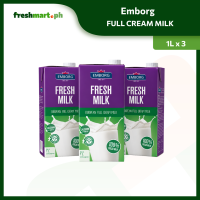
Emborg UHT Milk 1L - Set of 3s
₱432.00
Buy on Lazada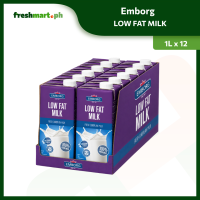
Emborg UHT Milk 1L (Set of 12) – Expiry Date in DD/MM/YY Format
₱1,728.00
Buy on Lazada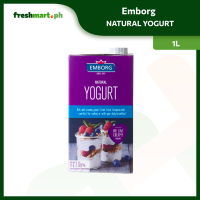
EMBORG Natural Yogurt 1L
₱600.00
Buy on Lazada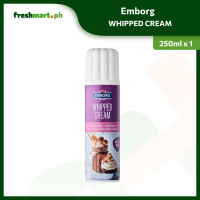
EMBORG Whipped Cream Spray Sweetened 250ml - Expiration Read as DD/MM/YY
₱413.00
Buy on Lazada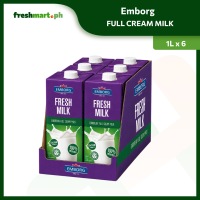
Emborg UHT Milk 1L (PACK OF 6) – Expiry Date in DD/MM/YY Format
₱864.00
Buy on Lazada
Emborg fresh full cream milk 1 liter
₱115.00
Buy on Lazada![[Emborg Dairy Duo] Emborg Full Cream Milk 1L x Emborg Whipped Cream Spray](https://ph-live.slatic.net/p/ed1b1dbb899a9a17ac4e3120c84ac189.png_200x200q80.jpg)
[Emborg Dairy Duo] Emborg Full Cream Milk 1L x Emborg Whipped Cream Spray
₱526.00
Buy on Lazada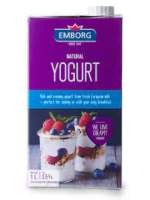
Emborg Natural Yogurt 1L
₱499.00₱599.00
About Emborg
Emborg is a Danish-origin food brand widely recognized in the Philippines for its dairy products, cheese, frozen vegetables, frozen foods, and everyday cooking ingredients. Established in 1947 by Danish businessman Erik Emborg, the company began as a family enterprise focused on international food trade before evolving into a global consumer brand.13 Today, Emborg positions itself around quality, affordability, convenience, family cooking, and European food heritage, with products marketed in numerous countries across Asia, the Middle East, Africa, and other international markets.2 In the Philippines, Emborg maintains a significant retail presence, particularly in the cheese and dairy categories, catering to local consumers who utilize European-style ingredients in home cooking.2
| Category | Information |
|---|---|
| Brand | Emborg |
| Origin | Denmark |
| Founded | 1947 |
| Founder | Erik Emborg |
| Industry | Food & beverages |
| Main categories | Dairy, cheese, frozen vegetables, frozen foods, plant-based products |
| Brand positioning | Affordable premium / high-quality everyday food |
| Heritage | Danish / European |
| International presence | More than 90 countries according to Uhrenholt |
| Current brand owner/organization | Uhrenholt |
| Brand website |
Note: While Emborg’s own website describes it as a “family-owned brand founded in Denmark,” current owner Uhrenholt identifies Emborg as its primary retail brand.12
History
Founding and early years
The history of Emborg dates back to 1947 in Denmark, when merchant and entrepreneur Erik Emborg established a family business dedicated to the international trade of food products.13 Operating from Aalborg in northern Denmark, Erik Emborg recognized the commercial potential of frozen food technology at an early stage and developed connections with overseas markets.3
In 1947, Emborg traveled to Germany and established relationships with American occupation authorities, securing substantial orders for Danish meat and dairy products. This success led to the establishment of offices in Frankfurt (1948), Hamburg (1950), London (1951), and Madrid (1961).3 This strong international orientation became a defining characteristic of the business from its inception.
Development of frozen foods
Erik Emborg was among the first businessmen to identify the opportunities presented by deep-freezing technology. His companies engaged in meat processing, freezing, food exports, and related ventures.3 Although modern consumers often associate Emborg primarily with dairy and cheese, its historical roots were considerably broader, encompassing meat, seafood, frozen foods, and international trading.1
Expansion into international markets
By 1960, Emborg products had entered the Middle Eastern market, offering items such as beef burgers, poultry, and canned seafood.1 During the 1980s, the product range expanded to include chicken franks, frozen vegetables, and other frozen food products. Frozen vegetables proved particularly successful, helping to establish Emborg as more than just a meat-export business.1
The company continued to develop its international distribution network throughout the late 20th century. In 1995, Emborg established an office in Asia, a milestone that paved the way for Asian markets to become a major component of the brand’s international business.4
Acquisition by Uhrenholt
A significant turning point occurred in 2005 when Emborg Foods was acquired by Uhrenholt, an international food company.4 Despite this transition, Emborg continues to emphasize its family heritage and “since 1947” identity. Within the Uhrenholt organization, Emborg serves as the primary retail brand, covering dairy products and frozen fruits and vegetables.1
Uhrenholt states that Emborg is currently marketed in more than 90 countries, while other corporate communications cite over 300 products marketed in 84 countries. These figures reflect different reporting periods or market definitions, but collectively indicate a large international presence spanning dozens of countries.1
Product portfolio
Emborg offers a diverse consumer-food portfolio that extends well beyond its historical frozen-meat origins.
Dairy
Dairy remains one of the brand’s most recognizable categories globally and in the Philippines. Products include milk, cooking cream, cream, butter, yogurt, cream cheese, and other dairy ingredients. In the Philippine market specifically, the range includes full-cream milk, low-fat milk, skimmed milk, organic milk, and various yogurt products.2
Cheese
Cheese is arguably Emborg’s strongest modern product category. The brand offers multiple formats and varieties designed for different cooking applications, from sandwiches and burgers to pasta, pizza, and baking. Available types include Cheddar, Mozzarella, Gouda, blue cheese, sliced cheese, shredded cheese, block cheese, cream cheese, and specialty cheeses.2
Frozen vegetables and foods
Frozen vegetables remain integral to Emborg’s heritage, reflecting its origins as a pioneer in frozen-food technology.1 The brand offers various frozen vegetables and berries, including organic options.1 Depending on the specific market, the frozen food portfolio may also include French fries and other frozen meal components.
Plant-based products
Emborg has expanded into plant-based alternatives, including plant-based cheese products, which are listed among its current product categories on regional websites.2
Brand positioning and philosophy
Affordable premium positioning
Emborg operates with an “Affordable Premium” positioning, aiming to offer products perceived as high quality and internationally sourced while remaining accessible to ordinary households.1 This strategy distinguishes Emborg from budget brands that focus solely on low prices and luxury brands that emphasize exclusivity. Instead, Emborg combines quality, convenience, international food culture, and relatively accessible pricing.1
Core philosophy
The brand’s communication focuses on making everyday cooking easier and more enjoyable through three key pillars:
- Quality: Maintaining a commitment to consistent standards and European heritage since 1947.2
- Convenience: Designing products like frozen vegetables, shredded cheese, and cooking cream to be easy to store, prepare, and incorporate into daily meals.
- Inspiration: Providing recipes, cooking ideas, and collections via consumer websites to encourage culinary creativity and help consumers rediscover the joy of cooking.2
Packaging and visual identity
Emborg is visually distinguished by its signature royal purple packaging. Uhrenholt notes that this color provides strong consumer recognition in supermarkets and retail environments.1 For a brand with a broad portfolio ranging from cheese and butter to frozen vegetables, this consistent color scheme helps Filipino shoppers easily identify Emborg products as belonging to the same brand family.
International presence
Emborg has maintained a strongly international focus since its founding. Following early expansion into Europe and the Middle East, the brand established a foothold in Asia in the 1990s.3 Today, it has particularly strong visibility in Southeast Asia, East Asia, the Middle East, Africa, and Europe.1
Emborg in the Philippines
The Philippines represents a key market where Emborg maintains a dedicated local website and tailored product portfolio.2 The brand is particularly relevant to Filipino consumers who use European-style dairy ingredients in dishes such as pasta, pizza, sandwiches, baked goods, desserts, and breakfast foods. Local offerings span cheese (sliced, shredded, block, cream), cooking cream, milk, yogurt, and other cooking ingredients.2
Relationship with Denmark
Although Emborg is now a global brand owned by Uhrenholt, Denmark remains central to its identity. The company consistently emphasizes its European heritage and founding in Aalborg.23 However, “Danish brand” refers to the brand’s heritage rather than the manufacturing origin of every item; Emborg’s portfolio is international, with products sourced from various parts of the world.2
Founder: Erik Emborg
Erik Emborg (1918–2005) was the Danish businessman responsible for founding and developing the Emborg food business. Before establishing his export operations in 1947, he worked in shipping, trading, and food-related industries.3 He held leadership positions within Denmark’s frozen-food industry, serving as chairman of both the Dybfrostindustriens Sammenslutning and the Dybfrostinstituttet.3 His early interest in frozen food technology laid the foundation for the brand’s enduring association with frozen products.
Corporate timeline
- 1947: Erik Emborg establishes the family food-export business in Denmark.1
- 1948–1961: Offices established in Frankfurt, Hamburg, London, and Madrid.3
- 1960: Emborg products enter Middle Eastern markets.1
- 1980s: Range expands to include chicken franks and frozen vegetables.1
- 1995: Asian office established, marking a key step in regional development.4
- 2005: Emborg Foods acquired by Uhrenholt.4
- Present: Operates as a global consumer brand covering dairy, cheese, frozen produce, and plant-based products across dozens of countries.1
Distinctive characteristics
Several factors define Emborg’s place in the food market:
- Long history: Associated with food trading and production since 1947.
- Danish heritage: Retains a strong European identity despite global reach.
- Frozen-food roots: Historical development tied to the early international frozen-food business, unlike many purely dairy-focused brands.
- Broad range: Covers milk, cream, yogurt, butter, frozen vegetables, berries, and plant-based products alongside cheese.
- International orientation: Built on export trade from its earliest years.
- Affordable-premium positioning: Makes higher-quality international ingredients accessible to ordinary households.1
- Visual recognition: Distinctive purple packaging unifies a diverse product portfolio.
Emborg is best understood not merely as a cheese brand, but as a global packaged-food brand with a particularly strong dairy and frozen-food identity. Its evolution from a Danish food exporter and frozen-food pioneer to a broad consumer brand explains why it is encountered today primarily in dairy aisles despite its wider historical roots.