Shop on Lazada
Fita products
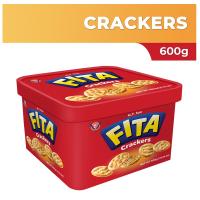
Fita Biscuits 600g
₱213.50₱220.00
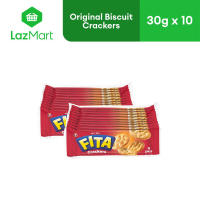
Fita Biscuits Singles 30g x 10 - Pack of 2
₱137.00₱144.00
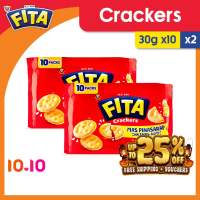
Fita Crackers 30g x 10 X 2
₱177.00₱178.00
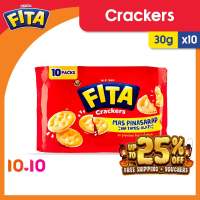
Fita Biscuits Singles 30gx10
₱82.00₱89.00
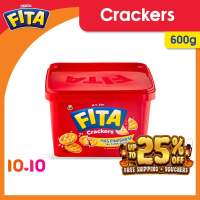
MY San Fita Crackers 600g
₱270.00₱272.00
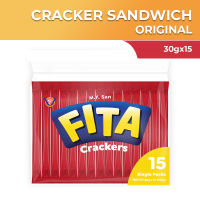
Fita Crackers 30g x 15
₱103.00₱106.00
![[LazExclusive] Top Baon Pick: Fita Crackers Bundle of 4](https://sg-test-11.slatic.net/p/56f986194018c2415ab7c2abb3dcd229.jpg_200x200q80.jpg)
[LazExclusive] Top Baon Pick: Fita Crackers Bundle of 4
₱353.00₱356.00
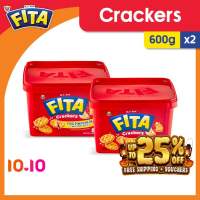
MY San Fita Crackers 600g X 2
₱539.00₱544.00
About Fita
Overview
Fita is a Philippine brand of lightly salted round crackers produced by Monde Nissin under its M.Y. San biscuit portfolio. It is one of the country’s best-known cracker brands and is widely sold in supermarkets, convenience stores, sari-sari stores, and online marketplaces such as Lazada Philippines. Fita is recognized for its crisp texture, mild buttery taste, and light saltiness, making it suitable both as a standalone snack and as a base for sweet or savory toppings.
-
Brand: Fita
-
Product type: Salted crackers
-
Owner: Monde Nissin
-
Parent biscuit brand: M.Y. San
-
Country of origin: Philippines
-
Category: Crackers / Biscuits
-
Availability: Philippines and selected international markets with Filipino grocery products
History
Fita was introduced by M.Y. San as part of its expanding cracker lineup during the growth of the Philippine packaged biscuit market in the second half of the 20th century. While M.Y. San became best known for SkyFlakes, Fita established its own identity by offering a richer, slightly buttery cracker with a distinctive round shape.
Over the decades, Fita has become a familiar household snack in the Philippines. Television commercials, especially those from the late 1990s and early 2000s, helped strengthen its brand recognition, making it one of the country’s classic cracker brands. [1]
Product Characteristics
Fita crackers are known for:
-
Round, golden-brown crackers
-
Crisp and flaky texture
-
Mild buttery flavor
-
Lightly salted surface
-
Suitable for eating plain or with spreads and toppings
Unlike plain table crackers, Fita has a richer taste that allows it to be enjoyed without additional ingredients.
Product Variants
Depending on the market and packaging, Fita has been sold in several forms, including:
-
Original Salted Crackers
-
Single-serve snack packs
-
Family packs
-
Multipacks
-
Limited flavored variants and sandwich-style products (introduced in certain periods)
Availability of specific variants may vary over time and by retailer.
Uses
Fita is commonly eaten:
-
As a snack
-
During breakfast
-
With coffee or tea
-
With cheese
-
With peanut butter
-
With tuna spread
-
With ham or cold cuts
-
As part of party appetizers
-
During travel because of its convenient packaging
Its neutral flavor also makes it suitable for both sweet and savory recipes.
Packaging
Traditional Fita packaging is recognized by its:
-
Bright red color
-
White “Fita” logo
-
Image of stacked round crackers
-
Individual foil sleeves inside larger packs for freshness
The red packaging has remained one of the brand’s most recognizable visual features for many years.
Market Position
Fita competes in the Philippine cracker market alongside brands such as:
-
SkyFlakes
-
Magic Flakes
-
Hansel
Among these, Fita is positioned as a richer-tasting salted cracker intended for everyday snacking.
Cultural Significance
For many Filipinos, Fita is associated with:
-
School snacks
-
Office pantry food
-
Emergency food supplies
-
Travel snacks
-
Merienda (afternoon snack)
-
Family gatherings
Its long market presence has made it one of the country’s nostalgic snack brands, often remembered alongside other classic Philippine biscuits and crackers. Community discussions frequently cite its distinctive balance of saltiness and buttery flavor as the reason for its enduring popularity. [2]
Distribution
Fita is distributed throughout the Philippines through:
-
Supermarkets
-
Convenience stores
-
Sari-sari stores
-
Wholesale outlets
-
E-commerce platforms including Lazada Philippines and other online grocery retailers
It is also available in many Asian and Filipino grocery stores overseas.
Manufacturer
Fita belongs to the M.Y. San portfolio of Monde Nissin, one of the Philippines’ largest food manufacturers. M.Y. San is best known for producing biscuits and crackers that have been staples in Filipino households for decades. [3]
Legacy
Fita has remained one of the Philippines’ most recognizable cracker brands through consistent product availability, distinctive branding, and a flavor profile that appeals to multiple generations of consumers. Today it continues to be a common pantry staple and one of the leading cracker products in Philippine grocery retail.