Shop on Lazada
Essie products
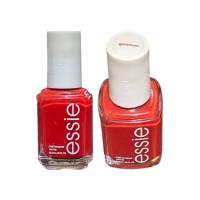
Essie Nail Lacquer Vernis Nail Polish 13.5 mL – Salon-Quality Long-Lasting Chip-Resistant Glossy Finish
₱799.00₱995.00
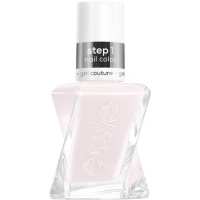
Pre-Show Jitters (Essie Gel Couture Nail Polish) - 13 ml
₱505.00
Buy on Lazada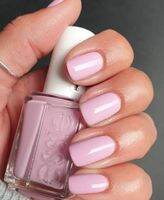
ESSIE NAIL POLISH -baguette me not - BOUGHT IN US
₱244.00₱369.00
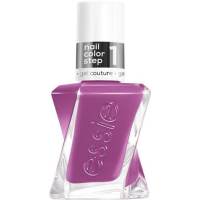
Strut With It (Essie Gel Couture Nail Polish) - 13 ml
₱505.00
Buy on Lazada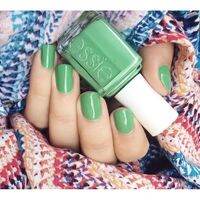
ESSIE NAIL POLISH - mojito madness - BOUGHT IN US
₱244.00₱369.00
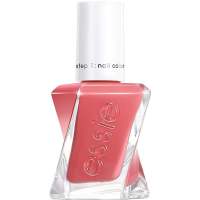
Coastal Couture (Essie Gel Couture Nail Polish) - 13 ml
₱505.00
Buy on Lazada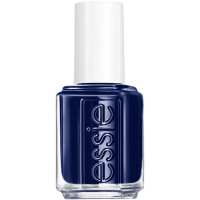
Step Out of Line (Essie Nail Polish)
₱455.00
Buy on Lazada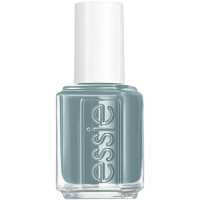
Caught in the Rain (Essie Nail Polish) - 13 ml
₱475.00
Buy on LazadaAbout Essie
Essie, stylized as essie, is an American nail-care and nail-polish brand established in 1981 by Essie Weingarten. Renowned for its extensive colour palette, distinctive shade names, and salon-centric heritage, the brand played a pivotal role in positioning nail colour as a fashion accessory. Essie is currently owned by L’Oréal, one of the world’s largest beauty conglomerates.1
Quick facts
| Category | Details |
|---|---|
| Brand name | Essie / essie |
| Founded | 1981 |
| Founder | Essie Weingarten |
| Country of origin | United States |
| Industry | Beauty and cosmetics |
| Main specialty | Nail polish and nail care |
| Parent company | L’Oréal |
| Original focus | Professional/salon nail colour |
| Known for | Large shade selection, distinctive colour names, salon-quality positioning |
| Signature product | Essie Original nail polish |
| Notable iconic shade | Ballet Slippers |
| Current positioning | Professional-inspired nail colour and nail care for consumers and salons |
History
Founding (1981)
Essie Weingarten founded the brand in 1981 with the goal of making manicures more expressive and accessible. The company launched with a concise initial range of 12 unconventional nail-polish colours, which Weingarten personally introduced to customers in Las Vegas. Her ambition was to help women achieve a perfect manicure and feel special through colour.1
This approach was significant at a time when nail polish was largely viewed as a basic beauty staple. By emphasising colour, personality, and fashion, Essie helped establish nail colour as a collectible item for experimentation rather than a mere utility.
Growth as a professional nail brand
Over the following decades, Essie built a strong presence in American salons and spas, becoming synonymous with professional manicures. The brand developed a reputation for its vast colour selection and recognisable shade names. L’Oréal has since described Essie as an American brand that established itself as an authority in nail colour.2
Growth was driven by treating individual shades as distinct personalities. Names such as Ballet Slippers, Bikini So Teeny, and Eternal Optimist became integral to the brand’s identity and marketing strategy.
Acquisition by L’Oréal (2010)
A significant milestone occurred in 2010 when L’Oréal USA agreed to acquire Essie Cosmetics. The acquisition agreement was announced on 21 April 2010. At that time, Essie was primarily distributed through American salons and spas, and L’Oréal cited the company’s status as a key authority in the US nail colour market. The transaction was completed on 25 June 2010, with Essie fully consolidated into L’Oréal effective 30 June.2
This acquisition provided Essie with access to L’Oréal’s global distribution network and beauty industry infrastructure while allowing the brand to retain its distinctive identity.
Brand identity
Essie’s identity is centred on colour and self-expression. Rather than presenting nail polish solely as a cosmetic product, the brand treats colour as a form of communication. Its philosophy describes colour as an “infinite language”, with shades designed to express everything from understated elegance to adventurous personalities.3
Three characteristics define the brand:
Colour
Colour is the core of the Essie brand. The catalogue spans neutrals, pinks, reds, oranges, yellows, greens, blues, purples, metallics, glitters, and other finishes. L’Oréal currently notes that Essie offers over 1,000 shades.2
Shade names
Essie is widely recognised for assigning memorable, playful, and occasionally humorous names to its colours. This strategy transforms generic colours into recognisable products with distinct personalities. Notable examples include:
- Ballet Slippers
- Bikini So Teeny
- Eternal Optimist
- Berry Naughty
- Mademoiselle
- Free to Roam
The combination of specific colour and evocative naming makes individual Essie shades highly distinguishable within the nail-polish category.1
Salon heritage
The brand consistently highlights its professional origins, describing itself as the “original professional nail polish” and positioning its products around salon-quality results.2 This heritage differentiates Essie from brands positioned primarily as inexpensive mass-market cosmetics.
Products
While best known for nail polish, Essie’s portfolio extends beyond traditional colour.
Nail polish
The flagship Essie Original line serves as the foundation of the brand. The formula is described as offering vivid, streak-free colour containing what the company terms “a billion pigments”. It features a patented camel-stem brush designed for controlled application.3
The recommended manicure routine consists of:
- Base coat
- Two coats of colour
- Top coat
With proper application and the use of base and top coats, Essie states its Original polish can provide up to seven days of wear.3
Nail care
The product range also includes items designed to prepare, strengthen, and finish the manicure:
- Base coats
- Top coats
- Nail treatments
- Strengthening products
- Long-wear systems
- Other manicure-care products
This breadth allows Essie to position itself as a complete nail-care system rather than solely a nail-polish manufacturer.
Iconic colours
Ballet Slippers
Ballet Slippers is arguably Essie’s most famous shade. A delicate, sheer pink-neutral colour, it is associated with understated, classic manicures and remains one of the brand’s best-selling iconic products.3 This shade exemplifies Essie’s ability to operate simultaneously within the realms of fashion and classic beauty.
Mademoiselle
Mademoiselle is another classic shade characterised by a sheer, milky pink appearance. The brand presents it as a polished everyday colour and recommends pairing it with its base and top coats for a complete manicure system.3
Bikini So Teeny
Bikini So Teeny represents the more playful and expressive side of the portfolio. Listed among the brand’s recognisable “essie icons” alongside Ballet Slippers and Berry Naughty, it illustrates the strategic contrast between conservative neutrals and highly expressive colours.3
Design and packaging
Essie products are instantly recognisable for their minimalist packaging. The classic nail-polish bottle typically features:
- A square glass bottle
- Visible coloured polish
- A white cap
- The lowercase essie logo
- A compact, fashion-oriented silhouette
The packaging is intentionally simple to ensure the colour itself remains the visual focus. This uniformity also makes Essie bottles visually distinctive when displayed collectively in salons or beauty retailers.
The Essie brush
A key technical element emphasised by the brand is its patented camel-stem brush. Designed to provide controlled polish flow and precise application, the brush helps users achieve a professional-looking manicure at home.3 Application quality is often cited as a primary differentiator between ordinary nail polish and professional-grade products.
Relationship with fashion
Essie maintains a strong relationship with the fashion and beauty industries. The brand states that it appears on runways globally and develops seasonal colour collections designed to participate in evolving fashion trends.3
This positions Essie at the intersection of professional salon brand, beauty brand, and fashion-accessory brand, framing nail colour as part of a broader aesthetic look rather than an isolated cosmetic product.
Marketing strategy
Essie’s marketing combines professional credibility with a playful personality. While the brand takes nail craftsmanship seriously, it maintains a deliberately lighthearted tone. L’Oréal describes this philosophy as pushing craftsmanship and expertise without taking itself too seriously.2
Key pillars of the marketing strategy include:
- Professional credibility: Emphasising salon origins and salon-quality positioning.
- Colour authority: Leveraging an enormous shade portfolio to allow personalisation.
- Emotional naming: Using names to make products memorable and foster consumer identification.
- Fashion relevance: Connecting with trends through seasonal collections and runway participation.
- Mass accessibility: Expanding availability beyond professional salons following integration into L’Oréal.
Essie and L’Oréal
Essie is currently owned by L’Oréal. The Consumer Products Division describes Essie as a brand with over 1,000 shades, emphasising both professional expertise and the democratisation of salon-inspired nail trends.2
The corporate relationship is defined as: Essie Cosmetics → acquired by L’Oréal USA in 2010 → integrated into the L’Oréal Group. This acquisition was strategically significant as it combined L’Oréal’s extensive international distribution with Essie’s established nail-colour identity and professional reputation.2
Position in the beauty market
Essie occupies a distinctive position in the nail-care market, situated between exclusive luxury salon brands and budget nail-polish brands. Historically, it has maintained a middle-to-premium position built on bringing professional nail expertise into consumers’ homes.
Competitive advantages include:
- Strong brand recognition
- Over four decades of history
- Extensive shade selection
- Strong salon heritage
- Distinctive product naming
- Recognisable packaging
- Association with fashion
- Global distribution through L’Oréal
Influence on the beauty industry
Essie’s significance extends beyond sales volume. The brand helped reinforce several concepts now standard in the beauty industry:
- Nail polish as fashion: Establishing that nail colour can complement clothing, seasons, and trends.
- Personality expression: Encouraging consumers to choose colours based on mood, identity, or occasion.
- Branded shades: Demonstrating that a colour name can be as memorable as the colour itself.
- At-home professionalism: Leveraging salon heritage to suggest that professional-quality manicures are achievable outside the salon.
Timeline
| Year | Event |
|---|---|
| 1981 | Essie Weingarten launches Essie with 12 nail-polish colours.3 |
| 1980s–2000s | Essie develops its reputation as a professional/salon nail-colour brand. |
| April 2010 | L’Oréal USA announces an agreement to acquire Essie Cosmetics.2 |
| June 2010 | The acquisition is completed; Essie becomes part of L’Oréal.2 |
| 2010s | Essie expands its international presence and continues developing seasonal colours and nail-care products. |
| 2020s | Essie continues positioning itself as a professional-inspired nail brand with 1,000+ shades and an expanded nail-care portfolio.2 |
| 2026 | Essie remains part of L’Oréal and continues to operate as a major international nail-colour brand. |
Brand philosophy
Essie’s identity can be summarised as professional-quality nail colour combined with fashion, personality, and playful self-expression. This combination explains the brand’s relevance for over 40 years: it sells a functional beauty product marketed as a medium for communicating taste, mood, and personality.
In summary, Essie is an American nail-polish and nail-care brand founded by Essie Weingarten in 1981. Starting with only 12 colours, it grew from a salon-focused American business into an internationally recognised nail-colour authority. Its signature characteristics include an enormous shade range, playful names, professional positioning, recognisable packaging, and a strong connection to fashion. Acquired by L’Oréal in 2010, the brand now operates within L’Oréal’s Consumer Products Division. Today, Essie describes itself as the original professional nail polish, with over 1,000 shades and counting.1