Shop on Lazada
ETUDE products
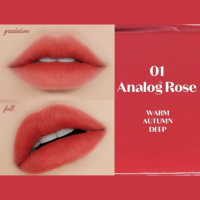
ET. Fixing Tint 4g
₱318.00₱600.00

★ETUDE★ Dear Darling Water Tint 3 TYPES / TOPKOREA / Shipping from korea
₱359.50₱460.00
![[HENELL] The Blooming Treatment 30ml](https://my-live-01.slatic.net/p/cb668a6ad39707b2666058fd16f65369.png_200x200q80.jpg)
[HENELL] The Blooming Treatment 30ml
₱592.00₱1,000.00
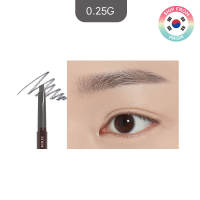
Etude House Drawing Eyebrow New 7 colors from PRISM
₱338.00₱356.00
![[Etude House] Drawing Eye Brow 0.25g NEW](https://my-live-02.slatic.net/p/b04322add70ee5b1b515be659dd0d57f.jpg_200x200q80.jpg)
[Etude House] Drawing Eye Brow 0.25g NEW
₱296.00₱400.00
![Etude House Drawing Eye Brow [#01 Dark Brown #02 Grey Brown #03 Brown #04 Dark Gray]](https://my-live-01.slatic.net/p/2cc56d028285efa940859322ac82d0d6.jpg_200x200q80.jpg)
Etude House Drawing Eye Brow [#01 Dark Brown #02 Grey Brown #03 Brown #04 Dark Gray]
₱250.00₱380.00
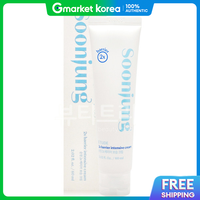
Etude House | Etude Soonjung 2X Barrier Moisturizing Cream 60ml
₱719.09₱1,257.07
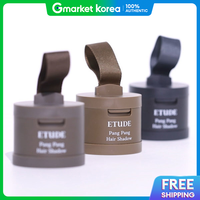
Etude House | Pang Hair Shadow 3.5g
₱722.57₱1,268.42
About ETUDE
Overview
ETUDE is a South Korean beauty brand recognised for its makeup, youthful aesthetics, playful packaging, and accessible K-beauty products. As part of the Korean beauty conglomerate Amorepacific, it has become one of the most internationally recognisable names associated with the Korean cosmetics industry. Amorepacific describes ETUDE as a Korean makeup brand centred on the culture of “Makeup Play.” 1
Basic Information
| Category | Information |
|---|---|
| Brand | ETUDE / 에뛰드 |
| Industry | Cosmetics & beauty |
| Origin | South Korea |
| Headquarters / Parent Group | Amorepacific, Seoul, South Korea |
| Parent Company | Amorepacific Corporation |
| Main Category | Makeup and skincare |
| Core Positioning | Playful, youthful, accessible K-beauty |
| Signature Concept | “Makeup Play” |
| Known For | Lip products, eye makeup, foundations, blushes, skincare, cute packaging |
| Major Market | South Korea and international K-beauty markets |
Amorepacific’s official history records the launch of Etude House in 1995, describing it as a makeup brand aimed at women seeking an exciting and distinct everyday beauty experience.
There is some variation in how ETUDE’s founding date is presented. The Japanese corporate page describes the brand as having been established in 1985, while Amorepacific’s corporate history specifically identifies the 1995 launch of Etude House. 2 This reflects the distinction between the earlier ETUDE business history and the later Etude House retail-brand identity.
Meaning of the Name
The word “étude” is French for “study” or “exercise,” particularly in the context of music. This terminology is central to the brand’s identity, as ETUDE has historically used a musical metaphor for makeup: treating cosmetics as something to practice, experiment with, and play with rather than adhering to rigid rules.
The modern brand expresses this idea through the concept: “Make Your Makeup Playlist! ETUDE!” Amorepacific describes ETUDE’s philosophy as spreading the culture of “Makeup Play” and helping consumers discover their own personality and beauty through colours, designs, and makeup experiences.
History
Origins
ETUDE belongs to the long history of Amorepacific. Amorepacific traces its origins to 1932, when Yun Dok-jeong, the mother of founder Suh Sung-whan, began making and selling hand-pressed camellia oil in what is now Korea. Suh later established the company that became Amorepacific in 1945.
Amorepacific subsequently became one of Korea’s major cosmetics companies, investing heavily in cosmetics research and developing numerous brands.
Creation of ETUDE
ETUDE developed as a brand focused on a younger, more colourful, and expressive consumer. Amorepacific’s creative archive describes the 1997 ETUDE identity as being designed around young women, featuring a highly recognisable pink, romantic, and playful visual language that emphasised sweetness, individuality, and youthful sensibility. 3
This eventually evolved into the familiar Etude House concept. Rather than presenting itself like a conventional luxury cosmetics counter, Etude House was designed to feel like entering a cute personal room or a fantasy beauty space. The result was a distinctive retail identity characterised by pink storefronts, romantic interiors, cute packaging, decorative displays, youth-oriented visual merchandising, affordable products, and a strong emphasis on experimentation. This helped differentiate ETUDE from more traditional Korean cosmetics brands.
The Etude House Era
During the 2000s and 2010s, Etude House became particularly famous throughout Asia. Its stores were recognisable for their pink-and-white aesthetic, while products were packaged to look approachable and collectible.
The brand’s appeal was especially strong among teenagers, university students, young professionals, first-time makeup users, K-pop and Korean-drama fans, and consumers interested in Korean beauty trends. The brand effectively combined Korean pop culture, affordable cosmetics, cute design, and makeup education, forming an important part of the broader rise of K-beauty.
International Expansion
ETUDE eventually expanded beyond South Korea into numerous Asian and international markets. For example, Amorepacific records that ETUDE entered China in 2013.
Its international appeal stemmed partly from the same characteristics that made it successful in Korea: Korean beauty trends, relatively accessible prices, distinctive packaging, and easy-to-use products. ETUDE became particularly associated with markets such as Japan, China, Southeast Asia, Taiwan, Hong Kong, Singapore, Thailand, Malaysia, the Philippines, Indonesia, and Vietnam. Its international presence helped establish ETUDE as one of the recognisable consumer-facing representatives of Korean cosmetics.
Brand Philosophy
The core tenet of ETUDE is that makeup should be fun. Rather than positioning makeup purely as a tool for looking more sophisticated or glamorous, ETUDE emphasises experimentation and self-expression. Amorepacific describes the brand as helping women discover their individual personality and beauty through a wide spectrum of colours and lovable designs.
Playfulness
ETUDE’s defining characteristic is its playful personality. The brand encourages consumers to experiment with colour, texture, makeup styles, different looks, and seasonal trends.
Youthfulness
ETUDE has traditionally targeted younger consumers and first-time makeup users. Its products tend to make complicated beauty routines feel relatively approachable.
Accessibility
Compared with prestige Korean beauty brands, ETUDE has generally occupied a more accessible segment of the market. The goal is not simply to sell an expensive beauty experience but to allow consumers to try different products and looks without a significant financial commitment.
Self-expression
ETUDE does not necessarily promote one definition of beauty. Instead, the underlying message encourages consumers to try things, experiment, and find the version of themselves they prefer.
Brand Identity
ETUDE’s visual identity has historically been one of its strongest assets.
- Colour: Pink has been particularly important to the brand, especially during the Etude House era.
- Typography: The brand has frequently used soft, feminine, and playful typography.
- Packaging: Products often emphasise attractive, decorative packaging rather than purely clinical presentation.
- Retail Design: Etude House stores became famous for their pink, romantic “beauty house” environments.
- Overall Mood: Cute, feminine, youthful, cheerful, and approachable.
Amorepacific’s own creative archive describes the 1997 identity in terms of a pink room filled with lovely interiors and cute accessories, illustrating how deliberately the brand built its fantasy-like visual world. 3
ETUDE and K-beauty
ETUDE is significant in the history of K-beauty because it helped popularise the idea that Korean cosmetics could be trendy, affordable, cute, innovative, and fun. While K-beauty is often associated with skincare innovation, ETUDE represents another important side of the phenomenon: colour cosmetics and beauty culture.
The brand helped introduce international consumers to Korean approaches to gradient lips, soft eye makeup, natural-looking base makeup, blush-focused looks, brow products, cushion makeup, lip tints, and Korean-style eye palettes. Consequently, ETUDE became more than a cosmetics manufacturer; it became part of the Korean beauty lifestyle and pop-cultural ecosystem.
Product Categories
ETUDE’s portfolio covers both makeup and skincare.
Makeup
Major categories include foundation, cushion foundation, concealer, powder, blush, eyeshadow, eyeshadow palettes, eyeliner, mascara, eyebrow products, lipsticks, lip tints, lip gloss, and lip care.
Skincare
ETUDE has also developed cleansers, toners, moisturisers, creams, serums, masks, sensitive-skin products, and sun-care products. Amorepacific’s research history specifically records ETUDE’s development of products for sensitive skin, including True Relief in 2016 and SoonJung in 2017.
Important Product Lines
SoonJung
SoonJung is one of ETUDE’s best-known skincare families. Unlike the highly colourful image traditionally associated with ETUDE makeup, SoonJung takes a more minimalist and gentle approach. It focuses on sensitive-skin-oriented skincare and is associated with ingredients and formulations intended to support a comfortable skin barrier. This line demonstrates that ETUDE is not exclusively a “cute makeup” company.
Play Color Eyes
Play Color Eyes became strongly associated with ETUDE’s makeup identity. These eyeshadow palettes typically emphasise multiple coordinated colours, allowing consumers to create different looks from one palette. The concept fits the broader “Makeup Play” philosophy particularly well.
Dear Darling Tint
ETUDE’s lip tints have been important to its international popularity. Lip tint products fit naturally with the Korean makeup aesthetic, particularly the preference for lightweight colour, gradient lips, natural-looking finishes, and long-lasting colour.
Target Consumer
Historically, ETUDE’s core audience has been young female consumers, particularly teenagers and women in their 20s. However, the brand’s positioning has increasingly broadened. Today, the fundamental consumer proposition is less about a specific age and more about people who enjoy affordable beauty, Korean makeup, experimentation, cute or playful aesthetics, trend-driven products, and easy makeup routines.
ETUDE’s own brand description emphasises that it wants makeup to be enjoyable for young women while helping people discover their own beauty and personality.
Comparison with Other Amorepacific Brands
Amorepacific operates brands occupying very different positions within the market.
| Brand | General Positioning |
|---|---|
| ETUDE | Playful, youthful makeup |
| LANEIGE | Hydration-focused modern skincare |
| Sulwhasoo | Premium/luxury Korean skincare |
| innisfree | Nature-inspired Korean beauty |
| Mamonde | Flower/botanical-inspired beauty |
| AESTURA | Dermatological / skin-barrier-oriented beauty |
Amorepacific launched Etude House in 1995, LANEIGE in 1994, innisfree in 2000, and Sulwhasoo in 1997, illustrating how the group developed a portfolio covering very different consumer segments. Within this portfolio, ETUDE’s distinctive territory is essentially “makeup as play.”
Marketing Strategy
ETUDE’s marketing has historically relied on a combination of product, visual identity, and beauty education. The company has created makeup tutorials and beauty tips and has used social media to expand the brand’s makeup culture. Amorepacific also describes ETUDE’s “Beautizen” programme, which supported young women aspiring to become beauty influencers on YouTube.
This strategy was particularly significant as beauty content became increasingly important during the rise of YouTube, Instagram, TikTok, beauty influencers, K-pop fandom, and Korean dramas. ETUDE’s products were naturally suited to this environment because they were visually recognisable and relatively easy to demonstrate in beauty content.
Relationship with Korean Pop Culture
ETUDE’s growth has taken place alongside the global spread of Hallyu (Korean Wave). K-pop and K-dramas helped create international interest in Korean fashion and beauty, while brands such as ETUDE provided consumers with products that could reproduce aspects of Korean makeup styles.
This created a powerful cultural loop: K-pop and K-dramas generated interest in Korean beauty, which led to the purchase of K-beauty products like ETUDE, which in turn fuelled makeup tutorials and social media content, further increasing K-beauty awareness. ETUDE therefore occupies a notable position at the intersection of cosmetics, youth culture, and Korean popular culture.
Relationship with Amorepacific
ETUDE is not an independent multinational cosmetics corporation; it belongs to Amorepacific Corporation, one of South Korea’s major beauty companies. Amorepacific has invested in cosmetics R&D since establishing Korea’s first dedicated cosmetics research laboratory in 1954.
This relationship provides ETUDE with access to the technological and research infrastructure of a much larger beauty group. Essentially, Amorepacific serves as the corporate and research parent, while ETUDE functions as the consumer-facing playful makeup brand.
Distinctive Characteristics
The brand can be defined by five key characteristics:
- Korean: It is fundamentally a Korean beauty brand and one of the recognisable names associated with K-beauty.
- Playful: Its central philosophy is that makeup should be enjoyable rather than intimidating.
- Youthful: The brand historically developed around young consumers and youthful beauty culture.
- Accessible: ETUDE has generally emphasised relatively approachable products and pricing.
- Visually Distinctive: Pink, cute, colourful, and decorative design has played an unusually important role in its brand recognition.
Brand Evolution
ETUDE’s identity has evolved significantly over time:
- Early ETUDE: Youthful, feminine, and romantic.
- Etude House Era: Pink, cute, fantasy-driven, and affordable cosmetics.
- K-beauty Globalisation: Korean trends, colourful makeup, and international expansion.
- Contemporary ETUDE: Makeup Play, self-expression, digital beauty culture, and broader skincare offerings.
The current brand presentation still emphasises the idea of makeup as something fun, creative, and personal, while moving beyond the extremely “pink princess” image that characterised some of its earlier retail identity.
Significance
From both business and cultural perspectives, ETUDE is significant for several reasons. First, it helped make Korean colour cosmetics internationally recognisable. Second, it demonstrated that an affordable cosmetics brand could compete through brand experience and design, not just product performance. Third, it anticipated today’s social-media beauty culture by making products visually appealing and easy to incorporate into tutorials and makeup experimentation. Fourth, it represents a particularly accessible entry point into K-beauty; a consumer unfamiliar with Korean cosmetics can encounter ETUDE through simple items like a lip tint, eyeshadow palette, or mascara.
Timeline
- 1932: Amorepacific’s origins trace back to Yun Dok-jeong’s camellia-oil business.
- 1945: Suh Sung-whan establishes the company that develops into Amorepacific.
- 1954: Amorepacific establishes Korea’s first cosmetics research laboratory.
- 1980s: ETUDE’s earlier corporate/brand history begins; the Japanese ETUDE corporate page identifies 1985 as the brand’s establishment. 2
- 1995: Amorepacific officially records the launch of Etude House.
- 1997: The pink, youthful ETUDE identity is further developed, emphasising young women’s playful and sweet sensibility. 3
- 2000s: Etude House becomes an increasingly recognisable Korean beauty retail brand.
- 2013: ETUDE launches in China.
- 2016–2017: ETUDE expands its sensitive-skin offering through True Relief and SoonJung.
- 2020s: The brand increasingly emphasises Makeup Play, self-expression, and digital beauty culture.
Summary
ETUDE is essentially the “playful face” of K-beauty. Where brands such as Sulwhasoo emphasise heritage and luxury, and other Amorepacific brands focus on skincare or nature, ETUDE has historically stood for youth, colour, experimentation, and fun. Its greatest contribution to beauty culture may not be one particular lipstick or eyeshadow, but the idea that makeup can be approachable and creative rather than intimidating. That philosophy, expressed through its iconic pink retail identity, colourful products, affordable positioning, and “Makeup Play” concept, has made ETUDE one of Korea’s most recognisable beauty brands.