Shop on Lazada
Jean Paul Gaultier products
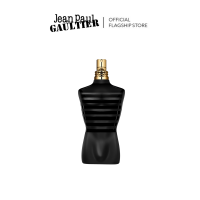
Jean Paul Gaultier Le Male EDP Intense 125ml (Fragrance for Men)
₱8,850.00
Buy on Lazada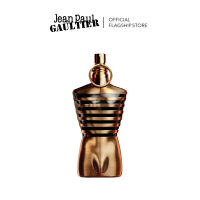
Jean Paul Gaultier Le Male Elixir Parfum 125ml (Fragrance for Men)
₱9,500.00
Buy on Lazada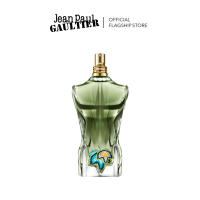
Jean Paul Gaultier Le Beau Paradise Garden EDP 125ml (Fragrance for Men)
₱9,050.00
Buy on Lazada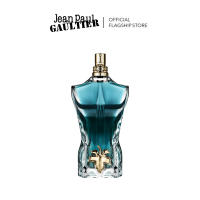
Jean Paul Gaultier Le Beau EDT 125ml (Fragrance for Men)
₱8,200.00
Buy on Lazada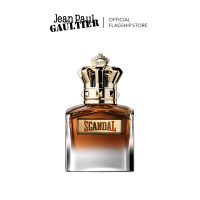
Jean Paul Gaultier Scandal Elixir Parfum For Him 100 ml
₱9,850.00
Buy on Lazada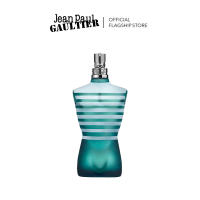
Jean Paul Gaultier Le Male EDT 125ml (Fragrance for Men)
₱7,900.00
Buy on Lazada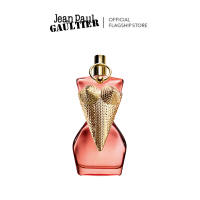
Jean Paul Gaultier Gaultier Divine Couture Eau de Parfum 100 ml
₱12,400.00
Buy on Lazada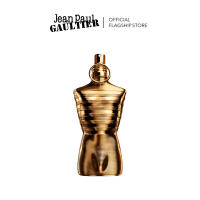
Jean Paul Gaultier Le Male Elixir Absolu Parfum Intense 125ml (Fragrance for Men)
₱10,300.00
Buy on LazadaAbout Jean Paul Gaultier
Brand Overview
Jean Paul Gaultier is a French luxury fashion house established in 1976 by designer Jean Paul Gaultier. Recognised as one of the most influential and provocative names in modern French fashion, the brand is renowned for challenging conventional notions of gender, beauty, sexuality, class, and the function of clothing. The house combines Parisian couture craftsmanship with street culture, punk aesthetics, sailor imagery, lingerie, corsetry, humour, and theatricality. This distinctive approach earned founder Jean Paul Gaultier the nickname “l’enfant terrible” of French fashion 1.
Today, Jean Paul Gaultier operates across both fashion and fragrance sectors. Following the founder’s retirement from designing his own runway collections in 2020, the house entered a unique era featuring guest designers before appointing Duran Lantink as permanent Creative Director in 2025 2. The brand defines its values through freedom, diversity, difference, and self-expression, while parent company Puig identifies it as a dual fashion-and-fragrance powerhouse within its portfolio 2.
Basic Information
| Category | Information |
|---|---|
| Brand | Jean Paul Gaultier |
| Founder | Jean Paul Gaultier |
| Founded | 1976 |
| Origin | France |
| Headquarters / Fashion Center | Paris |
| Industry | Luxury fashion, haute couture, ready-to-wear, fragrance |
| Founder’s Nickname | L’enfant terrible of fashion |
| Current Creative Director | Duran Lantink |
| Parent / Major Owner | Puig |
| Major Fragrance Debut | Classique, 1993 |
| Major Men’s Fragrance | Le Male, 1995 |
| Best-Known Motifs | Corsets, cone bras, Breton stripes, sailors, tattoos, lingerie, gender-fluid tailoring |
| Core Ideas | Freedom, individuality, diversity, provocation, inclusivity |
The Founder: Jean Paul Gaultier
Born in France in 1952 and raised in the Paris suburbs, Jean Paul Gaultier did not attend formal fashion school, distinguishing him from many traditional French couturiers. His fascination with fashion began in childhood, inspired significantly by his grandmother’s wardrobe and corsets. As a teenager, he produced sketches and sent them to established designers 3.
At age 18, Gaultier joined Pierre Cardin as an assistant in 1970. He subsequently worked with Jacques Esterel and Jean Patou before returning to Cardin. These formative experiences provided exposure to both traditional French fashion and international design perspectives 3.
Breakthrough and Aesthetic Philosophy
In 1976, Gaultier presented his first collection in Paris, launching his independent fashion business. His early work immediately diverged from conventional French luxury by elevating street clothing, underwear, punk style, and working-class references into high fashion. A fundamental principle of the Gaultier aesthetic involves taking ordinary, provocative, or socially unconventional elements and transforming them into luxurious, desirable, and culturally significant objects.
The brand turns social rules into design material by deliberately mixing categories that traditional fashion often separates, such as masculine versus feminine, underwear versus outerwear, and haute couture versus streetwear. The house describes this philosophy as a blending of clothes, people, social classes, and genders, placing diversity and inclusivity at the centre of the brand universe 1. Consequently, Gaultier’s designs simultaneously appear sexy, humorous, elegant, rebellious, and theatrical.
Iconic Design Codes
The Corset
The corset is arguably the most significant symbol of Jean Paul Gaultier. Historically associated with controlling women’s bodies, Gaultier transformed the garment from hidden undergarment to visible outerwear meant to be celebrated. Rising to prominence in the 1980s, this revolutionary shift exaggerated body structure rather than concealing it. This philosophy extended to product packaging; the Classique perfume bottle famously takes the form of a female torso wearing a corset 1.
The Cone Bra
The cone bra remains one of Gaultier’s most globally recognised creations. It achieved iconic status when Madonna wore a conical corset designed by Gaultier during her 1990 Blond Ambition World Tour. The garment combined traditional corsetry, exaggerated silhouettes, masculine tailoring, sexuality, and theatrical performance. Rather than being merely provocative, the design redefined the relationship between femininity, sexuality, and power. Madonna personally requested Gaultier for the tour costumes, creating one of fashion history’s most famous designer-performer collaborations and establishing a defining image of 1990s fashion culture 4.
The Breton Sailor Shirt
The marinière, or Breton stripe shirt, serves as another fundamental symbol. Gaultier transformed this traditional utilitarian French sailor garment into a luxury fashion signature associated with French identity, masculinity, sexuality, working-class culture, and Parisian style. This exemplifies the brand’s philosophy of reinterpreting familiar items until they become provocative.
Gender Experimentation
Gaultier consistently questioned conventional menswear by introducing skirts for men and incorporating traditionally feminine elements such as lace, jewellery, sheer fabrics, and lingerie references into male clothing. Rather than eliminating masculinity or femininity, the brand played with both, making gender experimentation a core identity marker long before it became mainstream in luxury fashion.
Diversity and Casting
Runway shows became famous for featuring individuals who did not fit traditional luxury model standards, including diverse ages, body types, ethnic backgrounds, and identities. Notably, his 1997 couture debut followed decades of challenging conventional casting norms 4. This practice connects directly to the house’s current philosophy of celebrating difference 1.
Pop Culture and Cinema
Operating at the intersection of fashion and popular culture, Gaultier extended his work into music, cinema, television, and advertising. Beyond the Blond Ambition tour, his repeated collaborations with Madonna helped establish her as a defining fashion figure of the late 20th century 4.
In film, Gaultier created costumes for productions including The City of Lost Children, The Fifth Element, Bad Education, and The Skin I Live In. Collaborating with directors such as Luc Besson and Pedro Almodóvar, his costume work for The Fifth Element became integral to the film’s distinctive visual identity 5.
Haute Couture
Although primarily famous for ready-to-wear, Gaultier entered the world of Haute Couture in January 1997, approximately 20 years after his fashion debut. Representing the highest level of traditional French craftsmanship, his couture collections incorporated his unique vocabulary of corsetry, tailoring, streetwear, historical costume, lingerie, humour, and cultural references. The result was technically sophisticated work that retained a rebellious spirit.
Fragrance Business
Fragrance represents one of the most commercially vital pillars of the Jean Paul Gaultier universe.
Classique (1993)
Launched in 1993, Classique was the house’s first fragrance. Its bottle, shaped like a stylised female torso in a corset, directly connected the scent to the brand’s fashion language. Conceptually, the bottle functioned as a fashion object rather than mere packaging. Gaultier has described Classique as being created with the same ambition and rigour as a couture piece 1.
Le Male (1995)
Released two years later, Le Male became one of the most recognisable men’s fragrances of the 1990s. Its visual identity features the sailor motif, extending the fashion house’s codes into perfumery. The brand famously used metallic tin cans as fragrance packaging, transforming an inexpensive everyday object into a luxury item 1.
| Fashion Element | Fragrance Equivalent |
|---|---|
| Corset | Classique |
| Female Torso | Classique Bottle |
| Sailor | Le Male |
| Tin Can | Fragrance Packaging |
| Provocation | Advertising |
| Gender Mixing | Unisex/Experimental Fragrances |
Major Fragrance Families
Over the years, the house has developed several key lines:
- Women’s / Feminine-Oriented: Classique, La Belle, Scandal, Gaultier Divine
- Men’s / Masculine-Oriented: Le Male, Le Beau, Scandal Pour Homme
- Unisex / Other Expressions: Gaultier², various limited editions
The fragrance universe continues to expand; in 2026, the house introduced Gaultier Divine Couture, described as a new chapter connecting fragrance with haute couture 1.
Visual Language and Luxury Philosophy
Even without logos, Jean Paul Gaultier is identifiable through recurring codes: sailor imagery, corsets, cone bras, tin can packaging, gender mixing, tattoo prints, theatrical presentations, provocation, and diversity. Unlike traditional luxury houses based on exclusivity and restraint, Gaultier’s concept of luxury incorporates imagination, humour, shock, cultural references, and freedom. This allows objects like tin cans, sailor shirts, and corsets to function as luxury items by changing their cultural meaning rather than inventing entirely new forms.
Corporate Ownership and Structure
The brand’s modern corporate history is tied to Puig, the Spanish family-owned beauty and fashion group. Puig acquired a majority stake in the Jean Paul Gaultier fashion house in 2011 and fully integrated the fragrances into its portfolio in 2016. Today, the brand operates as part of Puig’s broader portfolio, functioning as an established global luxury business encompassing both fashion and fragrance 2.
Retirement and Creative Succession
Founder’s Retirement
In January 2020, Jean Paul Gaultier presented his final couture show as the personal designer of his collections. Celebrating approximately 50 years of his career with over 200 looks, the event marked his retirement from active design but not the end of the house 4.
Guest Designer Era (2021–2025)
Beginning in 2021, the house invited different designers to reinterpret its archives and identity. Participants included Chitose Abe, Glenn Martens, Olivier Rousteing, Haider Ackermann, Simone Rocha, and Julien Dossena. This collaborative model allowed iconic codes to be continually reinterpreted rather than copied 2.
Duran Lantink Era (2025–Present)
In 2025, Jean Paul Gaultier appointed Duran Lantink as permanent Creative Director. His first ready-to-wear collection was scheduled for Paris in September 2025, followed by his first haute couture collection in January 2026 2. The Fédération de la Haute Couture et de la Mode lists Lantink as Artistic Director, marking the transition of Jean Paul Gaultier from a single designer’s label to a creative institution built around the founder’s original philosophy of breaking rules 6.
Timeline
| Year | Event |
|---|---|
| 1952 | Jean Paul Gaultier is born in France |
| 1970 | Begins working for Pierre Cardin |
| 1976 | Presents first collection and begins independent career |
| 1980s | Becomes known for corsets, punk influences, gender experimentation, and unconventional shows |
| 1984 | Develops major men’s fashion direction |
| 1990 | Designs Madonna’s iconic Blond Ambition costumes |
| 1993 | Launches Classique fragrance |
| 1995 | Launches Le Male |
| 1997 | Presents first Haute Couture collection |
| 2003 | Becomes Creative Director of Hermès |
| 2011 | Puig acquires majority stake in Jean Paul Gaultier fashion |
| 2014 | Announces end of regular ready-to-wear line to focus on couture |
| 2016 | Puig integrates Jean Paul Gaultier fragrances |
| 2020 | Presents final couture collection as personal designer |
| 2021–2025 | House enters guest-designer era |
| 2025 | Duran Lantink becomes permanent Creative Director |
| 2026 | Lantink leads couture and ready-to-wear collections |
Legacy and Significance
Jean Paul Gaultier’s contribution to fashion history extends beyond unusual clothing; the brand fundamentally changed what luxury fashion was permitted to discuss. By bringing sexuality, gender, queer aesthetics, street culture, punk, working-class clothing, body diversity, aging, and celebrity into a conservative environment, Gaultier demonstrated that provocation could be commercially successful. Elements initially perceived as shocking eventually became part of mainstream fashion vocabulary.
If Chanel represents elegance, Dior romantic femininity, and Hermès craftsmanship, Jean Paul Gaultier is summarised by “freedom through provocation,” or in the house’s own words, “Liberté, Égalité, Gaultier” 1. The brand’s enduring legacy lies in the consistent idea that nothing must remain what society dictates it should be. Whether through men’s skirts, outerwear corsets, couture sailor uniforms, or luxury tin cans, Jean Paul Gaultier remains a defining French fashion house of the late 20th and early 21st centuries.
References
- The designer | Jean Paul Gaultier
- Duran Lantink appointed new permanent Creative Director of Jean Paul Gaultier
- Jean-Paul Gaultier – Fashion, Perfume & Facts
- The Story Behind Madonna’s Iconic Jean Paul Gaultier Cone Bra | Vogue
- Jean Paul Gaultier – amfAR, The Foundation for AIDS Research
- JEAN PAUL GAULTIER | FHCM