Shop on Lazada
Eucerin products
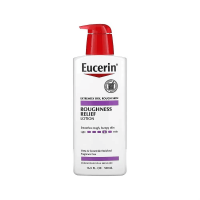
EUCERIN Roughness Relief Lotion 500ml for Extremely Dry Rough Bumpy Skin With Urea & Ceramide Fragrance-Free
₱775.72₱1,200.00
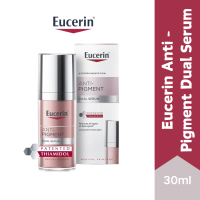
Eucerin Anti - Pigment Dual Serum THIAMIDOL HYALURONIC ACID Serum Reduce Dark Spots & Anti-Aging Evens Skin Tone Long - Term 30ml
₱1,994.05₱2,499.00
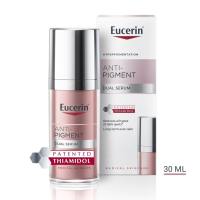
Eucerin Anti - Pigment Dual Serum | Reduces Dark Spots & Evens Skin Tone Long - Term 30ml
₱1,994.05₱2,999.00
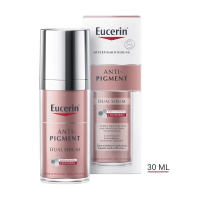
Eucerin Spotless Brightening Booster Serum/Anti-Pigment Serum Duo/Anti Pigment Dual Serum 30ml
₱1,529.32₱1,600.00
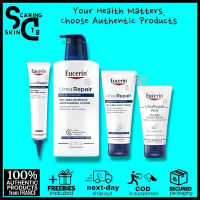
EUCERIN Urea Repair Plus Lotion 10% 400ml by SkinCaring18
₱4,998.00₱5,998.00
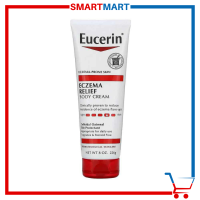
Eucerin Eczema Relief Body Cream Fragrance Free 8.0 oz (226 g)
₱1,839.00
Buy on Lazada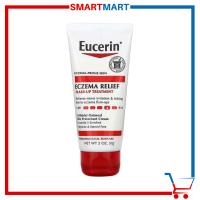
Eucerin Eczema Relief Flare-Up Treatment 5 oz (141 g)
₱1,349.00
Buy on Lazada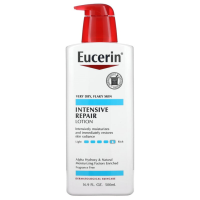
Eucerin Intensive Repair Body Lotion Fragrance Free 500 ml Pump Bottle
₱1,638.00₱2,000.00
About Eucerin
Eucerin is a German-origin dermocosmetic skincare brand owned by Beiersdorf AG, the Hamburg-based company behind brands including NIVEA, Aquaphor and Hansaplast. The brand is best known for combining dermatological research, pharmaceutical expertise and cosmetic skincare to develop products for sensitive, dry, aging, blemish-prone and hyperpigmented skin.1 Eucerin traces its history to the development of Eucerit, an emulsifying ingredient patented by chemist Dr. Isaac Lifschütz around 1900, which established the brand as one of the pioneers of modern medical skincare and dermocosmetics.
Brand at a glance
| Category | Information |
|---|---|
| Brand | Eucerin |
| Industry | Skincare / dermocosmetics |
| Parent company | Beiersdorf AG |
| Origin | Hamburg, Germany |
| Established | Early 20th century; roots in Eucerit patent of 1900/1902 |
| Founder / key scientist | Dr. Isaac Lifschütz; developed Eucerit |
| Brand positioning | Dermatological / medical skincare |
| Core proposition | Scientifically researched, effective and well-tolerated skincare |
| Main channels | Pharmacies, drugstores, dermatology-oriented retailers and online channels |
| Global presence | International; Beiersdorf describes Eucerin as sold in pharmacies in more than 60 countries |
| Major product concerns | Dryness, sensitive skin, pigmentation, acne/blemishes, aging, sun protection and specific skin conditions |
Beiersdorf describes Eucerin as one of the world’s leading dermocosmetics brands and states that its products are sold through pharmacies in more than 60 countries.2
What is Eucerin?
Eucerin is a science-led skincare brand positioned between traditional cosmetics and dermatological or pharmacy skincare. Unlike conventional beauty brands whose primary proposition may be fragrance, luxury, sensorial experience or fashion, Eucerin’s identity is built around dermatological science, clinical research, skin tolerability, specific skin concerns, pharmacy and dermatology credibility, and active ingredients with targeted technologies. The company’s own positioning describes Eucerin as a pioneer in dermatological skincare, with products designed to provide effective and highly tolerable solutions based on dermatological research.3
This positioning distinguishes the brand from ordinary beauty care by framing skincare as scientifically developed skin treatment. Consequently, Eucerin has historically been associated with pharmacies and dermatologists rather than primarily with luxury beauty counters.
The origin of Eucerin
The origins of Eucerin predate the modern brand itself. The broader Beiersdorf story began in 1882 when pharmacist Paul C. Beiersdorf obtained a patent for a new type of medical dressing in Hamburg. He subsequently sold the business to pharmacist and businessman Oscar Troplowitz, who expanded the company and developed its scientific and international activities.4 A particularly important figure in this expansion was Dr. Isaac Lifschütz, a chemist working with Beiersdorf.
Eucerit
Around 1900, Lifschütz applied for a patent for an emulsifying agent called Eucerit, which was granted in 1902. This ingredient was significant because it enabled the production of stable water-in-oil emulsions, providing a stable base for ointments and creams that allowed active substances to be incorporated into usable skincare formulations. The name Eucerit was inspired by an ancient Greek expression meaning roughly “beautiful wax.”5 This technology became the foundation for Eucerin and also played a role in the development of other Beiersdorf products, most famously NIVEA Creme.6
The Eucerin name
The brand name is closely connected to Eucerit, the emulsifying technology developed by Lifschütz. The original Eucerin concept was not initially the modern collection of facial serums, cleansers and sunscreens seen today but was much closer to a pharmacy or medical ointment base. This origin explains why the brand’s DNA remains strongly connected to the progression from pharmacy to dermatology to formulation science and skin health, rather than beginning as a conventional cosmetic or beauty brand.
Early development
After his work on Eucerit, Lifschütz eventually sold his patent to Beiersdorf in 1911 and joined the company as a chemist, making the Eucerin ointment base commercially important. For decades, Eucerin remained strongly associated with pharmacy products. A major turning point came in 1950 with the introduction of Eucerin pH5. This product was designed around the idea that maintaining the skin’s natural acidic environment could help preserve its protective barrier, a milestone Beiersdorf identifies as significant in the history of medical skincare.7 The pH5 concept subsequently became one of Eucerin’s best-known areas of expertise.
From pharmacy ointment to modern skincare
Eucerin gradually expanded beyond its original ointment-base concept to become a comprehensive dermocosmetic brand.
Major historical milestones
- 1900: Isaac Lifschütz files the patent application for Eucerit.
- 1902: The Eucerit patent is granted.
- 1911: Lifschütz sells the patent to Beiersdorf and joins the company.
- 1950: Eucerin pH5 launches.
- 1977: The pH5 range expands into broader body skincare.
- Mid-1990s: Eucerin enters facial skincare more extensively.
- 2006: Hyaluron-Filler becomes an important anti-aging milestone.
- Today: Eucerin operates as a global dermocosmetic brand with multiple specialized product families.10
The move into facial skincare was particularly important because it transformed Eucerin from a predominantly pharmacy-oriented medical skincare name into a much broader dermocosmetic brand.8
Relationship with dermatology
Dermatology is arguably the core identity of Eucerin. The brand states that its research and product development have been closely connected with dermatological research from the beginning and emphasizes cooperation between pharmacists and dermatologists. This gives Eucerin a distinctive position compared to traditional beauty brands:
- Traditional beauty brand: Beauty → appearance → sensory experience → cosmetic benefit.
- Eucerin: Skin problem → dermatological research → active ingredient/formulation → clinical evaluation → skincare product.
While Eucerin products are cosmetics or dermocosmetics rather than prescription medicines in most markets, the medical-science aesthetic and positioning remain central to the brand.
Main product categories
Eucerin has developed specialized ranges rather than relying on one universal skincare product.
Sensitive and dry skin
This category represents one of Eucerin’s historical strengths. The pH5 family is particularly associated with sensitive skin and the maintenance of the skin’s protective barrier.9 Other products target very dry or rough skin, making Eucerin prominent in the dry-skin and body-care segment.
Anti-pigmentation
One of Eucerin’s most recognizable modern technologies is Thiamidol®. The Anti-Pigment range uses Thiamidol as a key active ingredient and is positioned around the reduction of hyperpigmentation and visible dark spots.10 This category has become particularly important to Eucerin’s global identity because pigmentation is a major skincare concern across many Asian markets.
Anti-aging
Eucerin maintains a substantial anti-aging portfolio. One of its historically important lines is Hyaluron-Filler, launched in 2006 and designed around hyaluronic-acid-based anti-aging skincare. The broader anti-aging portfolio focuses on fine lines, wrinkles, loss of elasticity, mature skin, hydration and skin firmness. More recently, Eucerin has also promoted EPICELLINE® technology in its anti-aging and epigenetic skincare positioning.11
Acne and blemish-prone skin
Eucerin operates DermoPure / DERMOPURE CLINICAL, a family aimed at blemish-prone and acne-prone skin. The brand describes the range as being developed specifically around major concerns associated with blemish-prone skin,12 allowing Eucerin to compete in the broader dermatological problem-skin market alongside moisturizer and anti-aging categories.
Sun protection
Sun protection is another major part of the portfolio. Eucerin sunscreen products are generally positioned around UV protection plus treatment of specific skin concerns, rather than simply providing basic SPF. This aligns with the brand’s philosophy of formulating products around identifiable dermatological concerns rather than solely protecting the skin from the environment.
Very dry, rough or compromised skin
Products targeting extremely dry, rough or irritated-looking skin reinforce the brand’s historical association with skin barrier care and pharmacy skincare. This focus contributes to Eucerin often being recommended alongside other pharmacy-oriented dermocosmetic brands rather than mainstream beauty brands.
Key technologies and ingredients
Eucerin’s marketing relies heavily on named technologies and active ingredients to give individual product ranges a specific technological narrative.
| Technology / ingredient | Associated purpose |
|---|---|
| Eucerit | Original emulsifying technology; historical foundation of the brand |
| Thiamidol® | Hyperpigmentation / dark spots |
| Hyaluronic Acid | Hydration and anti-aging |
| EPICELLINE® | Newer anti-aging/epigenetic skincare technology |
| pH5 technology | Sensitive-skin and skin-barrier care |
| Urea | Hydration and care for dry/rough skin |
Brand philosophy
Eucerin’s philosophy encompasses four core ideas: science, emphasizing dermatological research and formulation technology; efficacy, designing products around identifiable skin concerns and measurable results; tolerability, focusing on formulations well tolerated by sensitive or problematic skin; and dermatological credibility, maintaining strong relationships with pharmacies, pharmacists and dermatologists. These elements combine to form the core brand proposition of scientific skincare for healthier skin.
Ownership
Eucerin is owned by Beiersdorf AG, a German multinational skincare company headquartered in Hamburg, Germany. Its portfolio includes Eucerin, NIVEA, Aquaphor, Hansaplast, La Prairie, Labello and other regional and international brands. Beiersdorf describes Eucerin as part of its dermocosmetics portfolio, positioned separately from NIVEA’s mass-market skincare and La Prairie’s premium luxury skincare.
Comparison with NIVEA
Because both brands belong to Beiersdorf, they are sometimes confused. However, they serve distinct market segments.
| Feature | Eucerin | NIVEA |
|---|---|---|
| Positioning | Dermocosmetics | Mass-market skincare |
| Core identity | Dermatological science | Everyday skincare |
| Distribution | Strong pharmacy/dermatology presence | Mass retail |
| Target | Specific skin concerns | Broad consumer market |
| Price positioning | Generally higher | Generally more accessible |
| Brand personality | Clinical, scientific, medical | Familiar, caring, everyday |
| Typical consumer | Someone seeking targeted skincare | General skincare consumer |
Beiersdorf classifies Eucerin as its dermocosmetics brand while NIVEA represents the company’s mass-market skincare segment.
Competitive landscape
Eucerin competes in a market that includes brands such as La Roche-Posay, Bioderma, Avène, CeraVe, Vichy, Cetaphil and Neutrogena. Its competitive advantage lies in the combination of a long history, Beiersdorf research infrastructure, pharmacy heritage, dermatological positioning and recognizable active-ingredient technologies. The company traces its brand history back more than 120 years, with the foundational Eucerit patent dating to 1900/1902, providing a strong scientific heritage narrative.10
Presence in Asia
Eucerin is particularly relevant in Asian skincare markets because several of its core categories—especially hyperpigmentation, sensitive skin, acne and anti-aging—are highly relevant consumer concerns. In Thailand, for example, Beiersdorf Thailand describes Eucerin as a globally leading medical skincare brand offering dermocosmetic products based on dermatological standards and trusted by dermatologists and pharmacists.5 The Thai market exemplifies Eucerin’s strategy of combining an international scientific reputation with products adapted to specific local consumer skin concerns.
Sustainability and social initiatives
Beiersdorf has increasingly incorporated sustainability into the Eucerin brand strategy. According to the company, sustainability initiatives include packaging changes and formulation policies. Since 2023, all Eucerin cosmetic formulations have been free from microplastics according to the UNEP definition. Additionally, in 2025, Eucerin introduced the EcoBeautyScore for face-care products, with its assortment achieving A or B scores. Eucerin also operates a Social Mission focused on people experiencing visible skin concerns and the associated stigma or exclusion, an initiative Beiersdorf states began in 2020.
Brand identity
Eucerin’s visual and verbal identity deliberately communicates clinical credibility through white packaging, red and blue branding, scientific terminology, dermatologist references, ingredient-focused communication, clinical claims, before-and-after imagery and pharmacy or medical aesthetics. This distinguishes the brand from those emphasizing luxury, natural ingredients, celebrity endorsements or fashion, implicitly conveying that the skincare is developed around skin science.
Continued relevance
Eucerin has managed to modernize without abandoning its original identity. Its proposition evolved from pharmaceutical formulation technology to medical skincare, then to dermocosmetics, and today encompasses dermatological skincare combined with clinically oriented cosmetic innovation and targeted active ingredients. This evolution allows the brand to participate in modern skincare trends such as pigmentation, acne, anti-aging and barrier repair while retaining the credibility associated with its historical pharmacy roots.
Brand DNA
Eucerin’s brand DNA can be summarized through several key pillars:
- Heritage: More than a century of skincare science.
- Science: Dermatology combined with pharmaceutical formulation.
- Trust: Pharmacy and dermatologist heritage.
- Efficacy: Targeted products and active ingredients.
- Tolerability: Strong focus on sensitive and problematic skin.
- Specialization: Different ranges for different skin concerns.
- Global Scale: International Beiersdorf brand.
Conceptually, Eucerin represents the intersection of dermatology, science, pharmacy and targeted skincare.
References
- Eucerin | Our Brands – Beiersdorf
- Eucerin | Brand History – Beiersdorf
- CHRONICLE12Eucerin The skin care icon from the
- Eucerin: About Eucerin | Our history
- Eucerin | Beiersdorf
- Markengeschichte Eucerin | Beiersdorf
- Eucerin: About Eucerin | Our history
- Eucerin | Unsere Marken – Beiersdorf
- Die Geschichte – Über 100 Jahre
- Over 100 Years of Eucerin® Company History | Eucerin® Skincare
- About Beiersdorf
- Eucerin | Beiersdorf