Shop on Lazada
Fubu products
![Fubu Boys Jackets FBT15A-0215 [Jacket for men]](https://ph-live.slatic.net/p/507f3416269e74844fa211ca8f30601a.jpg_200x200q80.jpg)
Fubu Boys Jackets FBT15A-0215 [Jacket for men]
₱715.00₱1,099.75
![Fubu Wide Straight Colored FSB35-0003 [Pants for men]](https://ph-live.slatic.net/p/6ec6d7e222089920149f05a9928ea05c.jpg_200x200q80.jpg)
Fubu Wide Straight Colored FSB35-0003 [Pants for men]
₱490.00₱1,699.75
![Fubu Polo Pique FBT05A-0324 [Polo for man]](https://ph-live.slatic.net/p/9d70e31c4bbefa30353fc53bfc01a2ad.jpg_200x200q80.jpg)
Fubu Polo Pique FBT05A-0324 [Polo for man]
₱390.00₱599.75
![Fubu Boys Jersey Round Neck / V-Neck FBT02A-0069 [Tshirt for men T-Shirt T Shirt]](https://ph-live.slatic.net/p/4b558e1abdcdd386a856c22147753bce.jpg_200x200q80.jpg)
Fubu Boys Jersey Round Neck / V-Neck FBT02A-0069 [Tshirt for men T-Shirt T Shirt]
₱1,300.00₱1,999.75
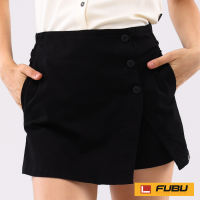
Fubu Girls Skorts High Waist QGB45-0026
₱450.00₱799.75
![Fubu Boys Jackets FBT15A-0205 [Jacket for men]](https://ph-live.slatic.net/p/d9653845d3967e4d00830e0e44679ccc.jpg_200x200q80.jpg)
Fubu Boys Jackets FBT15A-0205 [Jacket for men]
₱715.00₱1,099.75
![Fubu Round Neck Regular Fit FOT01-0007 [Tshirt for men T-Shirt T Shirt]](https://ph-live.slatic.net/p/a8a31c0da8154a004f58c44af9fcc4bb.jpg_200x200q80.jpg)
Fubu Round Neck Regular Fit FOT01-0007 [Tshirt for men T-Shirt T Shirt]
₱390.00₱599.75
![Fubu Wide Straight Denim FSB26-0005 [Pants for men]](https://ph-live.slatic.net/p/00e1b99fa984a2c9a20d004364a3002d.jpg_200x200q80.jpg)
Fubu Wide Straight Denim FSB26-0005 [Pants for men]
₱490.00₱1,799.75
About Fubu
FUBU (short for “For Us, By Us”) is an American streetwear and lifestyle fashion brand that became one of the most influential clothing companies of the 1990s hip-hop era. Founded by four entrepreneurs from Queens, New York, the brand helped define the relationship between fashion, music, and urban culture while paving the way for many modern streetwear labels. Today, FUBU remains a globally recognized brand through apparel, licensing, collaborations, and lifestyle products. [1]
Overview
-
Brand Name: FUBU
-
Meaning: For Us, By Us
-
Industry: Fashion, Streetwear, Lifestyle
-
Founded: 1992
-
Headquarters: New York City, United States
-
Founders:
-
Daymond John
-
Keith C. Perrin
-
J. Alexander Martin
-
Carlton E. Brown
-
Products: Clothing, footwear, accessories, eyewear, fragrances, belts, suits, and lifestyle merchandise. [2]
History
FUBU was established in 1992 in Hollis, Queens, New York, by four lifelong friends who wanted to create clothing that represented Black culture and urban communities. The founders believed mainstream fashion brands often overlooked their audience, inspiring the slogan “For Us, By Us.” [3]
The business began modestly. Daymond John started by sewing wool hats at home with help from his mother. After the hats sold successfully, his mother mortgaged their home to raise approximately $100,000 so the business could expand. Half of the house became a production facility while the family continued living in the other half. [4]
Initially, FUBU sold hats and T-shirts directly to customers in local neighborhoods. As demand increased, the founders expanded into sportswear and casual apparel.
Rise to Popularity
FUBU experienced rapid growth during the mid-1990s by combining fashion with hip-hop culture.
One of the brand’s most effective marketing strategies involved providing clothing to influential rappers, athletes, and entertainers. Rather than relying solely on traditional advertising, FUBU gained visibility through music videos, concerts, and television appearances. Artists wearing FUBU helped establish it as a symbol of authenticity within hip-hop culture. [5]
By the late 1990s, FUBU had become one of the world’s best-known streetwear brands.
Business Growth
The company expanded from a small local clothing line into an international fashion business.
Achievements include:
-
More than 5,000 retail stores carrying FUBU products worldwide.
-
Over $6 billion in retail sales reported across its history.
-
Expansion into footwear, eyewear, fragrances, accessories, and formalwear.
-
Licensing partnerships across multiple countries. [6]
Brand Identity
FUBU’s identity is built around several core principles:
-
Community empowerment
-
Entrepreneurship
-
Cultural pride
-
Authenticity
-
Street fashion with athletic influences
Unlike many fashion companies of its era, FUBU positioned itself as a brand created by members of the community it served.
Products
Over the years, FUBU has produced a wide variety of items, including:
-
T-shirts
-
Hoodies
-
Jackets
-
Jeans
-
Jerseys
-
Tracksuits
-
Hats and caps
-
Sneakers
-
Belts
-
Watches
-
Sunglasses
-
Bags
-
Fragrances
-
Suit collections
-
Accessories [7]
Influence on Fashion
FUBU is widely regarded as one of the pioneering brands of modern streetwear.
Its success demonstrated that a fashion label rooted in hip-hop culture could compete with established global brands. The company’s marketing model—using musicians and cultural figures rather than conventional advertising—has influenced many later streetwear and lifestyle brands. [8]
International Expansion
Following its U.S. success, FUBU expanded into international markets across Europe, Asia, Africa, and other regions through licensing and local partnerships. The brand continues to release collections in various countries while adapting designs for regional markets. [9]
The Founders
Daymond John
Daymond John is the public face of FUBU and one of America’s best-known entrepreneurs. Beyond the brand, he is recognized as an investor on the television program Shark Tank, an author, and a business mentor. His entrepreneurial journey with FUBU is frequently cited as an example of building a global company from limited resources. [10]
Keith C. Perrin
Keith Perrin played a key role in developing the company’s operations, merchandising, and long-term business strategy. [11]
J. Alexander Martin
Martin contributed to FUBU’s creative direction and brand development, helping establish its visual identity within the streetwear market. [12]
Carlton E. Brown
Brown focused on business development, licensing, and entertainment ventures that extended the FUBU brand beyond apparel. [13]
Legacy
Although FUBU’s peak commercial success occurred during the late 1990s and early 2000s, the brand remains an important part of fashion history. It is frequently referenced as one of the companies that helped establish streetwear as a global industry.
In recent years, FUBU has introduced new collections that blend its classic designs with contemporary styles while emphasizing its original mission of representing and empowering communities through fashion. [14]