Shop on Lazada
Nautica products
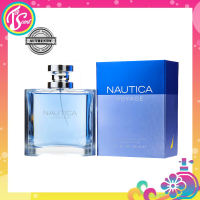
Nautica Voyage Eau de Toilette for Men 100ml
₱1,750.00₱1,999.00
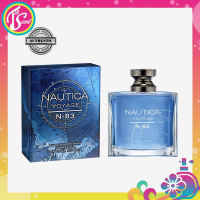
Nautica Voyage N-83 Eau de Toilette for Men 100ml
₱1,450.00
Buy on Lazada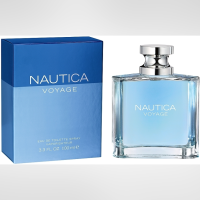
Nautica Voyage EDT 100ml / 200ml
₱1,899.00₱2,500.00
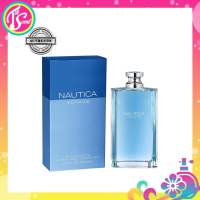
Nautica Voyage Eau de Toilette for Men 200ml
₱2,800.00
Buy on Lazada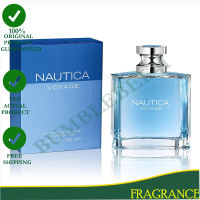
Nautica Voyage Edt By Nautica for Men 100ml
₱1,650.00₱2,750.00
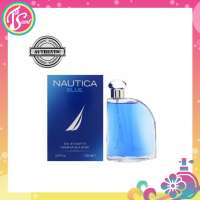
Nautica Blue for Men 100ml
₱1,250.00₱2,999.00
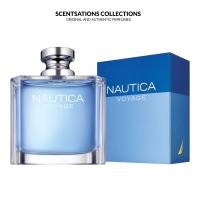
Nautica Voyage Perfume for Men Eau De Toilette 100ml
₱2,500.00₱3,500.00
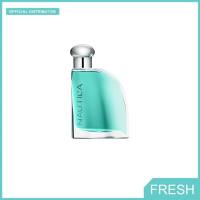
Nautica Classic Fragrance EDT 100ml
₱2,150.00
Buy on LazadaAbout Nautica
Overview
Nautica is an American fashion and lifestyle brand established in New York City in 1983 by designer David Chu. Originally launched with a small collection of sailing-inspired outerwear, it has since evolved into a global label encompassing apparel, accessories, home goods, fragrances, watches, and other licensed categories. The brand’s enduring design philosophy centres on bringing the inspiration and spirit of the sea into everyday life.1
| Details | Information |
|---|---|
| Brand | Nautica |
| Founded | 1983 |
| Founder | David Chu |
| Founded in | New York City, United States |
| Industry | Fashion / apparel / lifestyle |
| Style heritage | American sportswear, nautical, sailing, preppy |
| Main products | Men’s, women’s and children’s clothing, accessories, home |
| Current owner | Authentic Brands Group (ABG) |
| Global presence | 65+ countries |
| Original concept | Nautical-inspired clothing for everyday life |
Nautica describes itself as a water-inspired global lifestyle brand, noting that its product range has expanded from its original outerwear offerings to more than 35 categories across over 65 countries.2
History
Foundation
Nautica was founded in 1983 by fashion designer David Chu in New York City. Chu sought to translate the functional aesthetic of sailing and maritime clothing into fashionable everyday garments. Rather than designing exclusively for sailors, his concept focused on creating sailing-inspired jackets suitable for city streets. The inaugural collection comprised only six outerwear pieces, which were sold through upscale New York boutiques and helped establish the visual language that would become the brand’s signature.3
The name Nautica derives from the Latin nauticus, meaning nautical or related to ships and navigation, which ultimately traces back to the Greek nautikos.4
David Chu
Born in Taiwan, David Chu moved to the United States with his family during the 1960s. He studied at the Fashion Institute of Technology in New York, having initially pursued architecture before turning to fashion design.5 His design philosophy emphasised the combination of function and fashion, a principle that became fundamental to Nautica. His early jackets borrowed elements from sailors’ coats but were rendered in brighter colours and tailored for urban consumers.6
Early growth
Nautica’s early success stemmed from its ability to occupy a distinct space between traditional American sportswear and nautical performance clothing. In 1984, just one year after its founding, the brand was acquired by State-O-Maine, a New York-based apparel company, providing greater resources for expansion.7
During the late 1980s and early 1990s, Nautica expanded beyond jackets into a broader men’s sportswear collection. Its aesthetic became increasingly recognisable through the use of navy, white, and red maritime colours; sailing and ocean imagery; windbreakers and technical outerwear; rugby and polo shirts; sweaters and knitwear; casual trousers and shorts; large embroidered or printed logos; and functional fabrics with sporty details. This combination established what became known as classic American nautical sportswear.
The 1990s: Cultural influence
The 1990s marked Nautica’s most culturally influential period. The brand expanded from traditional preppy and sailing circles into mainstream American sportswear and eventually into urban fashion and hip-hop culture.
A significant development was the introduction of Nautica Competition in 1996. This line drew directly from competitive sailing and performance sports, featuring bold graphics, technical details, and stronger branding. Nautica’s own history cites Competition as a major component of its 1990s identity.8
During this era, oversized jackets, colourful windbreakers, logo-heavy sweaters, and sailing-inspired sportswear became particularly prominent. Consequently, Nautica developed a dual identity:
- Traditional Nautica: Sailing → preppy → American sportswear → sophisticated casualwear
- 1990s Nautica: Sailing → sportswear → oversized silhouettes → urban fashion → hip-hop/street culture
This duality contributes to the continued interest in vintage Nautica among fashion collectors.
Connection to sailing
Sailing serves as the foundation of Nautica’s visual identity rather than merely a marketing theme. The company has historically utilised imagery of sailboats, waves, compasses, flags, maritime colour palettes, technical sailing garments, and coastal scenes.
In 1993, Nautica became the official brand of the U.S. Sailing Team at the Olympic Games, reinforcing its association with competitive sailing.9 This connection distinguished Nautica from other American sportswear brands by establishing a specific water-based point of view rather than a generic athletic aesthetic.
Expansion into a lifestyle brand
Nautica eventually expanded far beyond jackets and men’s sportswear to include products for men, women, and children, as well as denim, activewear, outerwear, swimwear, footwear, bags, accessories, watches, fragrances, and home furnishings. The brand currently reports having more than 35 product categories and an international presence in over 65 countries.10 This transformation from a niche outerwear company to a comprehensive lifestyle brand represents a pivotal chapter in its history.
Nautica Jeans Co.
In 1999, Nautica introduced Nautica Jeans Co., establishing a more casual and denim-oriented identity for the brand.11 This line allowed Nautica to participate in the growing casualwear and denim market while retaining its nautical heritage. Compared to the traditional Nautica Sportswear aesthetic, Jeans Co. offered a more relaxed and youth-oriented alternative.
Ownership history
Nautica has had several corporate owners throughout its history:
- 1983: David Chu establishes Nautica in New York.
- 1984: State-O-Maine acquires Nautica shortly after its founding.12
- 1990s: The brand grows substantially, becomes a publicly traded company, and changes its corporate identity to Nautica Enterprises.
- 2003: VF Corporation acquires Nautica for approximately $1 billion, integrating it into a major global apparel group.13
- 2018: Authentic Brands Group (ABG) acquires Nautica from VF Corporation, with the transaction completed on April 30, 2018.14
Authentic Brands Group is currently identified as the brand’s owner.15
Brand identity and aesthetics
At its core, Nautica is built around the concept of a “nautical lifestyle.” Its design language synthesises several traditions:
- American sportswear: Emphasises practicality, comfort, and versatility within the broader tradition of American casual wear.
- Preppy fashion: Incorporates elements such as Oxford-style shirts, polo shirts, sweaters, chinos, rugby shirts, and clean colour combinations.
- Sailing: Provides the defining imagery, colours, technical details, and functional inspiration.
- Outdoor/performance clothing: Features windbreakers, waterproof materials, technical fabrics, and athletic silhouettes.
- Streetwear: Reflects the crossover into urban fashion during the 1990s through oversized silhouettes, strong logos, and colourful designs.
Visual identity
The sail-inspired logo, representing a stylised sailing vessel or spinnaker, is one of the brand’s most recognisable elements. Nautica’s visual language frequently employs navy blue as a fundamental maritime colour, white for classic contrast, and red as an accent drawn from nautical flags. Colour blocking and large logos are also characteristic features, particularly associated with vintage and Nautica Competition pieces.
Influence on 1990s fashion
During the 1990s, Nautica became associated with the broader movement in which American sportswear was adopted and reinterpreted by hip-hop and urban culture. The brand’s oversized sailing jackets, bold colour combinations, and recognisable logos aligned well with the silhouettes of 1990s urban fashion. Consequently, vintage Nautica from this period has developed a secondary market, with pieces often categorised as retro sportswear or archival fashion.
Nautica’s Japanese operation has also documented the brand’s evolution from preppy marine style into street culture, noting its adoption by rappers, dancers, and skateboarders.9
Nautica Competition
Launched in 1996, Nautica Competition represented a more aggressive and athletic interpretation of the main brand.16 Its aesthetic emphasised large graphics, bold colour blocking, sailing references, technical details, athletic silhouettes, and 1990s proportions. This line helped shift perception of Nautica from a primarily preppy American sailing brand to one connected with contemporary youth and urban fashion. Today, Nautica Competition remains relevant to the revival of 1990s fashion.
Contemporary positioning
Nautica continues to position itself as a global lifestyle brand inspired by the water. Current collections cover men, women, children, and home products, with an emphasis on heritage, comfort, versatility, functional design, contemporary interpretations of nautical style, sustainability, and social responsibility.
In 2020, the company launched its Sustainably Crafted collection and Wavemakers initiative to connect its water-oriented heritage with environmental and social themes.17 Nautica has also continued to experiment with collaborations and modern interpretations of its heritage, particularly in markets where 1990s American sportswear and streetwear have regained influence.18
Market position
Nautica occupies a distinct position relative to other American and international brands:
| Brand | Core identity |
|---|---|
| Nautica | Nautical American sportswear |
| Polo Ralph Lauren | Preppy / American heritage |
| Tommy Hilfiger | Preppy / American / pop culture |
| Calvin Klein | Minimalist / modern American |
| J.Crew | Contemporary American prep |
| The North Face | Outdoor / technical |
| Lacoste | French sportswear / tennis |
| Columbia | Outdoor / performance |
The brand’s distinctive territory lies at the intersection of American sportswear and maritime culture, an identity that has remained consistent for over four decades.
Significance
Nautica is significant for popularising nautical-inspired clothing as everyday American fashion rather than attire exclusively associated with sailing. It became one of the most recognisable American sportswear brands of the 1990s, with its clothing becoming intertwined with the development of urban and hip-hop fashion. Its distinctive visual identity—comprising navy, red, white, sailing graphics, colour blocking, and oversized outerwear—makes vintage pieces immediately identifiable. Furthermore, Nautica demonstrates how a relatively narrow concept can be expanded into a worldwide lifestyle brand, evolving from six original outerwear pieces in 1983 to a global label spanning dozens of product categories.1
References
- Nautica About Us
- Frequently Asked Questions About Nautica Brand
- Nautica About Us
- Nautica | Our Story
- Nautica
- David Chu (designer)
- Bringing The Inspiration Of The Sea To Everyday Style
- Nautica (ropa)
- ABOUT – NAUTICA
- Interparfums, Inc. Announces License Agreement With Nautica — Authentic Brands Group
- Authentic Brands Group and G-III Apparel Group Sign Long-Term License for Nautica Women’s — Authentic Brands Group
- sec.gov
- sec.gov
- Jostling Nike
- Nautica About Us
- Our Story – Nautica
- Nautica EU Launch
- Nuestra Historia