Shop on Lazada
Fujifilm products
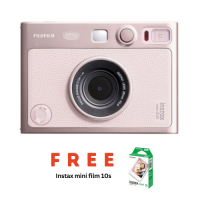
Fujifilm Instax Mini Evo Hybrid Instant Camera and Printer (TYPE C VERSION) - Henrys Cameras
₱13,199.00₱13,799.00
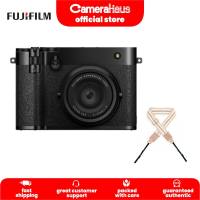
FUJIFILM GFX100RF Digital Camera
₱396,189.00
Buy on Lazada
FUJIFILM Instax Mini Film Pack (10 Sheets) | Pastel Galaxy (NEW) Glossy Soft Glitter PhotoSlide Sprinkles Black Sky Blue Confetti Comic Pink Lemonade Monochrome Stripe Stained Glass Shiny Star Rainbow Macaron Contact Sheet | JG Superstore
₱1,458.00₱1,823.00

FUJIFILM X-M5 Body with XC 15-45mm f/3.5-5.6 OIS PZ FUJINON Autofocus Lens - Mirrorless Camera Kit | 26.1MP APS-C X-Trans 4 CMOS Sensor X-Processor 5 6.2K/30fps Video AI-Driven Subject Detection & Digital Image Stabilization | JG Superstore
₱58,990.00₱73,738.00
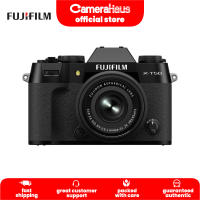
FUJIFILM X-T50 Mirrorless Camera
₱168,289.00
Buy on Lazada
Fujifilm | Instax Mini Evo Gentle Rose Hybrid Camera + Gift Set Pink New Color Released
₱12,360.00₱23,474.44

FUJIFILM Instax Mini Evo Hybrid Instant Film Camera with Built-In Mini Instant Film Direct Printer Save Printed Images 10 Lens Effects & 10 Film Effects Bluetooth 4.2 (BLACK BROWN GENTLE ROSE) | JG Superstore
₱12,999.00₱16,249.00
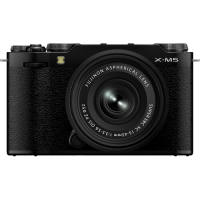
FUJIFILM X-M5 (W/ 15-45MM) BLACK/SILVER DIGITAL CAMERA - Henrys Cameras
₱60,991.00₱61,939.00
About Fujifilm
Fujifilm (officially FUJIFILM Holdings Corporation) is a Japanese multinational corporation best known for its cameras, photographic film, instant photography products, medical imaging systems, and advanced materials. Founded in 1934, the company initially specialized in photographic film but has since transformed into a global technology and healthcare company with operations in more than 100 countries.
Overview
-
Company Name: FUJIFILM Holdings Corporation
-
Founded: January 20, 1934
-
Headquarters: Minato-ku, Tokyo, Japan
-
Industry: Imaging, Healthcare, Electronics, Business Innovation
-
President & CEO: Teiichi Goto
-
Employees: Approximately 73,500 (2026)
-
Revenue: ¥3.36 trillion (FY2025)
-
Website: Fujifilm Global
History
Fujifilm was established in 1934 as Fuji Photo Film Co., Ltd., following a Japanese government initiative to build a domestic photographic film industry. The company’s first factory was located in Ashigara, Kanagawa, where it produced photographic film, dry plates, and photographic paper.
During the following decades, Fujifilm expanded into:
-
Color photographic film
-
Motion picture film
-
Optical lenses
-
Medical imaging
-
Printing systems
Throughout the 1970s and 1980s, Fujifilm became one of the world’s largest manufacturers of photographic film, competing directly with Kodak.
Digital Transformation
When digital photography rapidly replaced traditional film during the early 2000s, Fujifilm successfully reinvented itself instead of relying solely on its legacy business.
In 2006, the company reorganized into a holding structure:
-
FUJIFILM Holdings Corporation became the parent company.
-
FUJIFILM Corporation continued operating the imaging and technology businesses.
Rather than abandoning its expertise in chemistry and imaging science, Fujifilm applied those technologies to new markets, including:
-
Healthcare
-
Pharmaceuticals
-
Biotechnology
-
Cosmetics
-
Semiconductor materials
-
Office solutions
This diversification is widely regarded as one of the most successful corporate transformations in modern business.
Business Segments
Today, Fujifilm operates across four major business areas.
1. Imaging
The imaging division remains one of the company’s most recognizable businesses.
Products include:
-
Mirrorless cameras
-
Digital compact cameras
-
Camera lenses
-
Instant cameras
-
Instant film
-
Photo printing services
-
Professional photography equipment
Popular product families include:
-
X Series
-
GFX Series
-
Instax
2. Healthcare
Healthcare has become one of Fujifilm’s largest businesses.
Products and services include:
-
X-ray systems
-
MRI systems
-
CT imaging
-
Ultrasound equipment
-
Endoscopy
-
Medical informatics
-
Biopharmaceutical manufacturing
-
Cell culture technologies
3. Electronics
Fujifilm develops advanced materials used in:
-
Semiconductor manufacturing
-
Display technologies
-
Electronic components
-
Data storage
These products support industries such as consumer electronics and chip manufacturing.
4. Business Innovation
Formerly associated with Fuji Xerox, this division provides:
-
Office printers
-
Multifunction devices
-
Document management
-
Digital workflow solutions
-
Business process outsourcing
Camera Business
Fujifilm is one of the world’s leading camera manufacturers.
Its cameras are known for:
-
Retro-inspired designs
-
Excellent color science
-
Film Simulation modes
-
High-quality APS-C and medium-format sensors
-
Premium build quality
The company produces two major interchangeable-lens systems:
X Series
APS-C mirrorless cameras designed for enthusiasts and professionals.
Popular models include:
-
X-T5
-
X-T50
-
X-S20
-
X100VI
-
X-H2
-
X-H2S
GFX Series
Medium-format digital cameras offering extremely high image quality for commercial, fashion, landscape, and studio photography.
Popular models include:
-
GFX100 II
-
GFX100RF
-
GFX50S II
Instax
One of Fujifilm’s biggest commercial successes is Instax, its line of instant cameras and instant printers.
The Instax brand includes:
-
Instax Mini
-
Instax Square
-
Instax Wide
-
Mini Evo
-
Smartphone printers
Instax has become especially popular among younger users for its instant prints and analog-inspired experience. Recent recognition, including inclusion in TIME’s influential companies list, has highlighted the brand’s cultural impact.
Film Simulations
A signature feature of Fujifilm digital cameras is Film Simulation.
These modes digitally recreate the look of classic Fujifilm photographic films, including:
-
Provia
-
Velvia
-
Astia
-
Classic Chrome
-
Classic Negative
-
Acros
-
Nostalgic Neg.
-
Reala Ace
They are popular among photographers who want distinctive JPEG output with minimal editing.
Research and Innovation
Fujifilm invests heavily in research across multiple fields.
Its technologies include:
-
Optical engineering
-
Precision manufacturing
-
Artificial intelligence for healthcare
-
Nanotechnology
-
Biotechnology
-
Medical diagnostics
-
Imaging sensors
-
High-performance materials
Many innovations originally developed for photographic film have been adapted for cosmetics, pharmaceuticals, and semiconductor manufacturing.
Sustainability
Fujifilm emphasizes environmental sustainability through initiatives including:
-
Carbon reduction
-
Recycling programs
-
Energy-efficient manufacturing
-
Sustainable materials
-
Healthcare innovations
-
Resource conservation
The company publishes environmental goals and sustainability reports annually.
Global Presence
Fujifilm operates manufacturing, research, and sales facilities across:
-
Japan
-
United States
-
Europe
-
China
-
Southeast Asia
-
Australia
-
Latin America
-
Middle East
Its products are sold in more than 100 countries through subsidiaries and distribution networks.
Brand Identity
Fujifilm’s brand is associated with:
-
High image quality
-
Color accuracy
-
Japanese craftsmanship
-
Reliability
-
Innovation
-
Creative photography
-
Advanced healthcare technology
The company has successfully balanced its heritage in film photography with modern digital imaging and diversified technology businesses.
Legacy
Fujifilm is frequently cited as an example of a company that successfully adapted to technological disruption. While many film manufacturers declined with the rise of digital photography, Fujifilm leveraged its expertise in chemistry, optics, and materials science to expand into healthcare, electronics, and advanced manufacturing, while continuing to grow its imaging business. Its retro-inspired cameras and Instax products have also helped revive interest in photography among new generations of users.